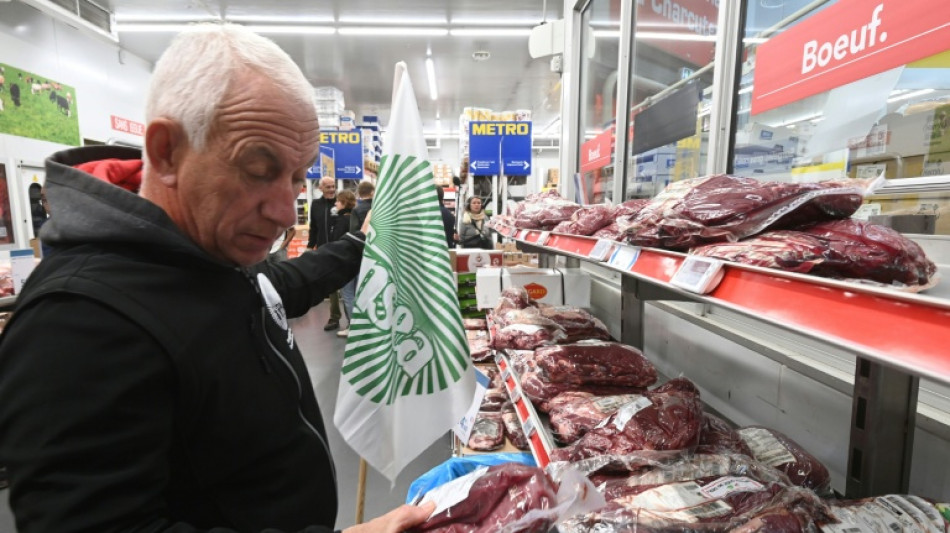
Eat less meat, France urges, for sake of health, climate / Photo: JEAN-FRANCOIS MONIER - AFP

 Stocks move lower despite oil prices dropping

 AI driving up innovation investment: UN

 UN Security Council extends Haiti mission by 6 months
 Man Utd do not deserve medals if Man City stripped of titles: Rooney

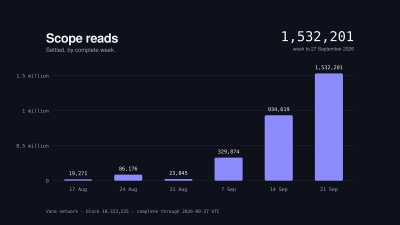 Vana Completes Expanded Staking as Part of the Vega Upgrade, Publishes Expanded VANA Token Economics

 Spain to cap gas price hikes, extend fuel discounts
 'We just need rain': Germany's Rhine river hits new low

 Yemen health system at 'breaking point': WHO

 Ireland undecided on second Israel match: coach

 France's Le Pen defiant after top ally hit by antisemitism claims

 Tom Cruise trades stunts for satire as toxic tycoon 'Digger'

 MEXC Unveils "WE SEE YOU" Brand Visual Refresh, Putting People Behind Every Trade in Focus

 Thai capital cleans up after deadly floods

 NATO, EU allies rally to Estonia after 'sabotage' blamed on Russia

 Families demand justice for Cameroon's 'nightmare' wave of murdered women
 Tebas says Man City should face 'most severe' sanctions if guilty of rule breaches
 Pochettino calls Man City success 'a period of deception'

 Settler attack on West Bank village injures Israeli forces, drawing rare rebuke

 Mystery over UK airbase scare after reports no explosives found

 Spanish govt races to adopt housing law under protest pressure

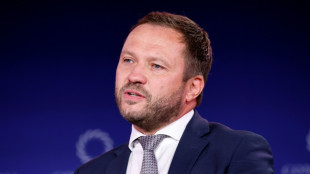 Estonia slams Russian 'sabotage' after arson attack on defence company

 Slovenia sees surge in '.si' sites after Trump hypes 'super intelligence'
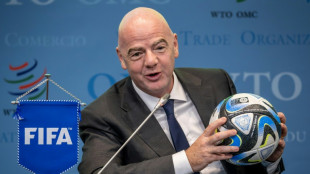
 'Like a dream' for An as Games organisers 'sorry' for latest mix-up
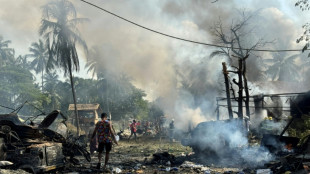
 Tokyo suffers longest streak of rainy days on record

 Indonesia charges train driver over crash that killed 16 women
The French government issued a long-awaited report Wednesday urging people to limit meat consumption for their health and also to fight climate change -- and not everyone in the country of "steak-frites" is thrilled.
The contentious decision came as part of a "National Strategy for Food, Nutrition and Climate," setting out the government's aims until 2030 on balancing a healthy diet while reducing greenhouse gas emissions.
It was supposed to be published in 2023, the culmination of a direct-democracy initiative that immediately raised the hackles of agriculture lobbies that accused the government of threatening their livelihoods.
The decisions struck a nerve in a country renowned for dishes like steak and fries and beef bourguignon -- despite evidence that meat production generates significant greenhouse gases that contribute to climate change.
It also comes a month after the US government under President Donald Trump upended decades of recommendations by touting consumption of red meat and full-fat dairy products.
Apart from the health concerns of such advice, food production overall produces one-fourth of French carbon emissions, with meat production representing two-thirds of that amount.
Hence the French government's hesitation on whether to ask people to "reduce" their meat eating, or just "limit" it.
In the end, while promoting a diet focused on fruits, vegetables and whole grains, the new guidelines call for "limited" consumption of meats overall, including cold cuts, and a "reduction" of imported meat.
"We're relieved this plan was published, we were really worried it would be dropped," said Stephanie Pierre of France Assos Sante, a patients' health association.
"But we were hoping for a much more ambitious plan," she said.
The guidelines also come just before the February 21 opening of France's annual agriculture fair, a hugely popular event in Paris where President Emmanuel Macron has often faced farmers' ire.
Farmers were already up in arms over the EU's signing of a free-trade deal with the Mercosur bloc of four South American countries, worried that a surge in beef and other agriculture imports would undercut their competitiveness.
The country's powerful FNSEA farmers' union had yet to comment on the government's new guidelines.
M.White--AT