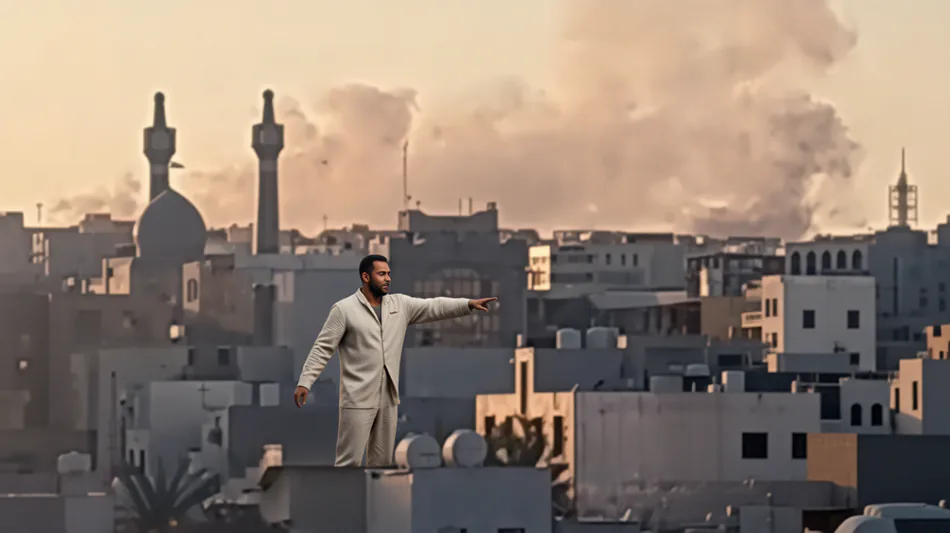
Iran Strikes US Sites in Kuwait Following US Airstrikes on Qeshm Island

 Peaceful Repeat Vote in Douglas Ward 3 Amid Heightened Security
 Belgian Ambassador Marks King’s Day in Athens Amidst Strong Bilateral Trade Ties

 Rediff.com IPO Risks: Gmail Dominance and New Business Ventures

 Dubai Police Expand Luxury Patrol Fleet with 525-hp Defender
 NuRAN Wireless Raises First Two Towers in Benin as 4G Rollout Beats Expectations in Cameroon and Ivory Coast

 ESGold Expands Montauban Gold-Silver Property to Approximately 26,787 Hectares Through Strategic Claim Staking

 DSS Announces Completion of Impact Biomedical Business Combination with Zoar Limited
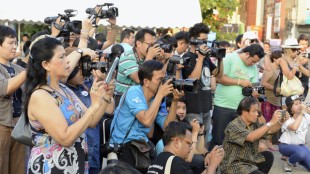
 Impala and Philanthropy Southwest Launch Southwest Hub, Mapping Philanthropy Across Eight States

 Nixxy Announces 1-for-20 Reverse Stock Split

 The IRS Watchdog Just Published Its FY 2027 Challenges List - Clear Start Tax Explains Why Agency Strain Rarely Slows Down Collection Notices
 Tocvan Defines Priority Gold Target Areas at Gran Pilar From Project-Wide Soil Sampling and Geologic Mapping; 225 Soils at or Above 100 ppb Gold
 Silver Storm to Attend the 121 Mining Investment Conference in London, UK

 Who Does the Best Deep Plane Facelift in Sarasota?
 Ameriwest Advances Its Copper Focused Strategy Through Proposed Sale of Railroad Valley to Pure Energy Minerals

 AbTherx Licenses Atlas(TM) Platform to Athenova Therapeutics for Next-Generation Targeted Alpha Radiopharmaceutical Discovery

 What to Do When Two Households Become One
 InterContinental Hotels Group PLC Announces Transaction in Own Shares - November 18
 Srixon Announces Buy 2, Get 1 Free Golf Ball Promotion
 Who Does the Best Testosterone Replacement Therapy in Las Vegas?
 Nexteer's HMDD Wins Innovation Awards from PACE Pilot, CES and AutoTech Breakthrough

 More Than Keyboards: Epomaker Brings Its Gaming World to G-STAR 2026

 Healixa Turns Patents Into Products: FrostPulse(TM) Delivered and Five Eternal Spring(TM) Units Enter Production

 Cosmos Health Reports Record Nine-Month Revenue of $53.6 Million, Up 18%; Q3 Gross Margin Up 465 Basis Points Sequentially; Total Debt Down 34% and Stockholders' Equity Up 21% Since Year-End
 CXAI Expands Agentic AI Reach into Mid-Market Through EngineRoom's Simpro Partnership
 Agency Guacamole's 10th B.L.N.D. Event Brought Industry Leaders Together for a Conversation on the Evolution of Diversity and Inclusion in Beauty

Iran launched an overnight attack targeting US drone and missile sites at Kuwait’s Ali Al Salem base, marking Tehran’s first direct strike on the US-allied Gulf state since September. The escalation occurred shortly after the United States conducted airstrikes on a missile launch site on Qeshm Island in retaliation for Iranian attacks on American personnel.
Iran has targeted US drone and missile installations at Kuwait’s Ali Al Salem base, marking its first direct attack on the US-allied Gulf state since September. The strike underscores a rapid escalation in regional hostilities following United States airstrikes on Qeshm Island in the Strait of Hormuz.
Kuwait confirmed that its air defenses were engaged in countering hostile drone attacks overnight. In response, the Iranian army stated it had specifically targeted US military infrastructure at the base. Kuwait’s government issued a statement reserving the right to take all necessary measures to safeguard its sovereignty and protect vital facilities against aggression.
The incident follows a series of retaliatory strikes that have intensified tensions across the Middle East. On Tuesday evening, American fighter aircraft targeted a missile launch site on Qeshm Island. A US military official told Reuters the strike was in retaliation for Iranian attacks on US personnel and assets. Iranian media, citing an unnamed official, reported that the US attack caused no damage to infrastructure.
The conflict, which began in late February when the United States and Israel attacked Iran, has since expanded beyond its initial borders. Tehran responded with strikes on Israel and Gulf states hosting US military bases. The fighting later spread to Lebanon, where clashes erupted between Israel and Iran-backed Hezbollah, and to Yemen, where Iran-aligned Houthis have launched attacks on Saudi energy facilities and airports.
Bahrain reported intercepting Iranian aerial attacks for the third time in a week on Wednesday. The kingdom accused Tehran of a "systematic hostile approach" toward the Gulf state, which hosts the headquarters of the US Navy’s Fifth Fleet.
Amid the escalating violence, global energy markets have faced significant disruption. Shipping through the Strait of Hormuz has been severely impacted after Tehran declared it closed, while the United States imposed a naval blockade on Iran that has heavily affected its economy. Consequently, global oil and gas prices have surged.
Diplomatic efforts to de-escalate the situation appear strained. Qatari and Iranian officials met on Tuesday for talks aimed at "bridging perspectives and narrowing the gap between proposals presented on the ground," according to Qatari spokesperson Majed Al Ansari. Meanwhile, a Saudi-led coalition intercepted a cruise missile launched by Houthis toward the capital Riyadh on Wednesday, though the group did not immediately confirm responsibility.
Maritime security remains precarious. A crew abandoned a liquefied petroleum gas tanker off Oman’s Khasab on Tuesday following a surge in attacks on shipping since October. Additionally, ADNOC L&S reported that one crew member was missing and 11 were injured after its vessel was attacked in the Strait of Hormuz.
Political tensions regarding potential threats to the United States have also risen. President Donald Trump stated on Tuesday that the US was taking seriously intelligence assessments suggesting Iran might be planning an attack on Washington involving a so-called dirty bomb. However, US Secretary of State Marco Rubio dismissed concerns about an imminent threat during remarks in Manila on Wednesday.
"I am not," Rubio said when asked if he was concerned about an "imminent attack" on the US capital. "I don’t think there is any imminent threat."
Iran’s Foreign Ministry denied the allegations regarding a dirty bomb plot, calling them "baseless." A dirty bomb utilizes conventional explosives to disperse radioactive material, causing contamination and public alarm without producing a nuclear explosion.
In a fresh warning issued via state media on Wednesday, Iranian Army commander-in-chief Amir Hatami cautioned the United States. "If the enemy repeats its mistake… we have the readiness and the plans to confront it and its supporters in a stronger, more crushing way and without geographic limitations," he said.
G.P.Martin--AT