-
 Neo Group Launches Mutual Fund to Expand Financial Services Platform
-
Maharashtra Government Raises MBBS Intern Stipend to Rs 25,000

-
 Michigan Pizza Driver Halts $785K GoFundme After Viral Prank
-
Belgian Minister Marks Algeria’s Liberation Anniversary in Brussels

-
 British Doctor Evacuated to London Isolation Unit After Ebola Contracted in Congo
-
Hochtief Reports Record Orders Driven by AI Data Center Demand

-
 RenX Microtec Mill Is Built; Power and Commissioning Are Next
-
Globa Terra Acquisition Corporation Reports Encouraging Investor Support Ahead of November 9 Extension Vote

-
 Gladstone Investment Corporation Acquires Majority Stake in McFarlane Toys
-
Moderna Reports Third Quarter 2026 Financial Results and Provides Business Updates

-
 Watermelon Z Strain Guide Clarifies Conflicting Breeder Information and Genetic Lineage
-
MADE in America is Great Again; SMX has the Proof

-
 Patterson-UTI Reports Drilling Activity for October 2026
-
Green Leaf Innovations (OTC PINK:GRLF) Reports 51% Sequential Revenue Growth and 115% Net Income Increase in Q2 2026

-
 IRS Reports a Record $5.6 Trillion Collected in FY 2026 - Clear Start Tax Explains What Record Collection Performance Means for People Who Still Owe
-
Ambee and meteoblue Announce Partnership on Climate Risk and Resilience Data

-
 RAEK Unveils New Designs for Creator Vault, Its First Private AI Appliance
-
21- and 23-Year-Old Co-Founders Build Multi-Million Dollar Global BPO in Under 18 Months

-
SMX: Plastic Recycling is no Longer a Favor; it's a Must
-
Vogenx Reports Third Quarter 2026 Financial Results and Business Highlights

-
 BioScience Health Innovations, Inc. Announces Its Subsidiary Vitalcore Research has Executed Master Distribution Agreement with Rule Imports
-
InterContinental Hotels Group PLC Announces Transaction in Own Shares - November 06

-
 Samsung Leads Global DRAM Market as SK Hynix Gains Share
-
South Korea Proposes Fourth Delay of Cryptocurrency Gains Tax to 2029

-
 Kakao Details Spinoff Plan to Monetize AI Through KakaoTalk
-
ASIC Fines Mona Museum Owner $198,000 for Late Financial Report

-
 ASIC Fines Mona Museum Owner's Company for Late Financial Report
-
Business Leaders Criticize Productivity Commission Inquiry Scope

-
 Democrats Vow to Probe Trump Business Deals as Midterm Results Narrow
-
Kate McClymont Testifies at Alan Jones Trial Over Reporting Methods
-
 New Diaries Show Emperor Hirohito’s Shift to War Support in 1941
-
SCANDIC FINANCE ने एलेक्स बोडी को समूह का उपाध्यक्ष नियुक्त किया

-
 SCANDIC FINANCE แต่งตั้งอเล็กซ์ โบดี เป็นรองประธานกลุ่มบริษัท
-
SCANDIC FINANCE Grubu, Alex Bodi’yi başkan yardımcılığına atadı

-
 Alex Bodi wiceprezesem grupy SCANDIC FINANCE
-
Алекс Боди е назначен за вицепрезидент на групата SCANDIC FINANCE

-
 Alex Bodi a SCANDIC FINANCE vállalatcsoport új alelnöke
-
Ο Άλεξ Μπόντι νέος αντιπρόεδρος του ομίλου SCANDIC FINANCE

-
 Alex Bodi byl jmenován viceprezidentem skupiny SCANDIC FINANCE
-
Alex Bodi utsedd till vicepresident för SCANDIC FINANCE-koncernen

-
 تعيين أليكس بودي نائبًا لرئيس مجموعة SCANDIC FINANCE
-
SCANDIC FINANCEグループ、アレックス・ボディ氏を副社長に任命

-
 SCANDIC FINANCE 그룹, 알렉스 보디 부사장 선임
NYSE - LSE
The Roman Empire and its downfall?
The fall of the Roman Empire has fascinated historians, political analysts, and history enthusiasts for centuries. Once an unparalleled power that stretched across much of Europe, North Africa, and the Middle East, Rome eventually succumbed to a complicated web of internal weaknesses and external pressures. But what factors most decisively contributed to its downfall?
Overextension and Resource Strain
One prominent reason for the Empire’s decline lies in its vast territorial expanse. As the Empire expanded, maintaining military and administrative control over far-flung provinces became an immense challenge. Garrisoning remote frontiers and sustaining essential infrastructure, such as roads and aqueducts, placed enormous financial and logistical burdens on the imperial administration. Over time, these obligations led to heightened taxation and social unrest, eroding the Empire’s stability from within.
Political Instability and Weak Leadership
Another fundamental weakness was Rome’s inability to establish a consistent and resilient political structure. Frequent coups, civil wars, and assassinations destabilised the imperial government. Short-lived emperors were often more focused on consolidating power and eliminating rivals than enacting long-term reforms. This lack of continuity in governance engendered bureaucratic inefficiency and thwarted coherent policymaking, leaving Rome ill-prepared to address growing internal and external threats.
Economic Decline and Hyperinflation
Economic disruptions also played a pivotal role. As wars grew costlier, silver coinage was devalued repeatedly, leading to rampant inflation. Confidence in the currency eroded, triggering a cycle of price increases and diminishing trade. Many farmers abandoned their land, amplifying rural depopulation and further undermining agricultural productivity. Trade routes, once the arteries of Roman commerce, became perilous, stifling economic growth and rendering the state increasingly vulnerable.
The Rise of External Threats
Simultaneously, external forces took advantage of Rome’s weakening grip. Germanic tribes and other barbarian groups pressed against the Empire’s borders, sensing the growing fragility of Roman power. Although Rome had once managed to integrate or repel these incursions, mounting economic strain and military overextension hindered an effective response. Over time, repeated invasions culminated in the sacking of Rome by the Visigoths in 410 CE and the eventual deposition of the last Western Roman Emperor in 476 CE.
Social and Cultural Transformation
Lastly, shifting social and cultural dynamics played a role. Traditional Roman values of civic duty and loyalty to the state gradually gave way to localised loyalties and a reliance on mercenary forces. The rise of Christianity, while not the sole cause of the Empire’s decline, reoriented cultural and political power away from older Roman institutions and towards the Church, reducing the emperors’ influence and the old civic order’s authority.
Conclusion No single event or factor can wholly explain the collapse of the Roman Empire. Rather, it was the convergence of overextension, economic instability, political turmoil, and shifting social foundations that led to Rome’s ultimate disintegration. While debates on the precise causes continue, most historians agree that the empire’s downfall underscores the fragile balance between power, governance, and societal cohesion—an enduring lesson for any ambitious political system.
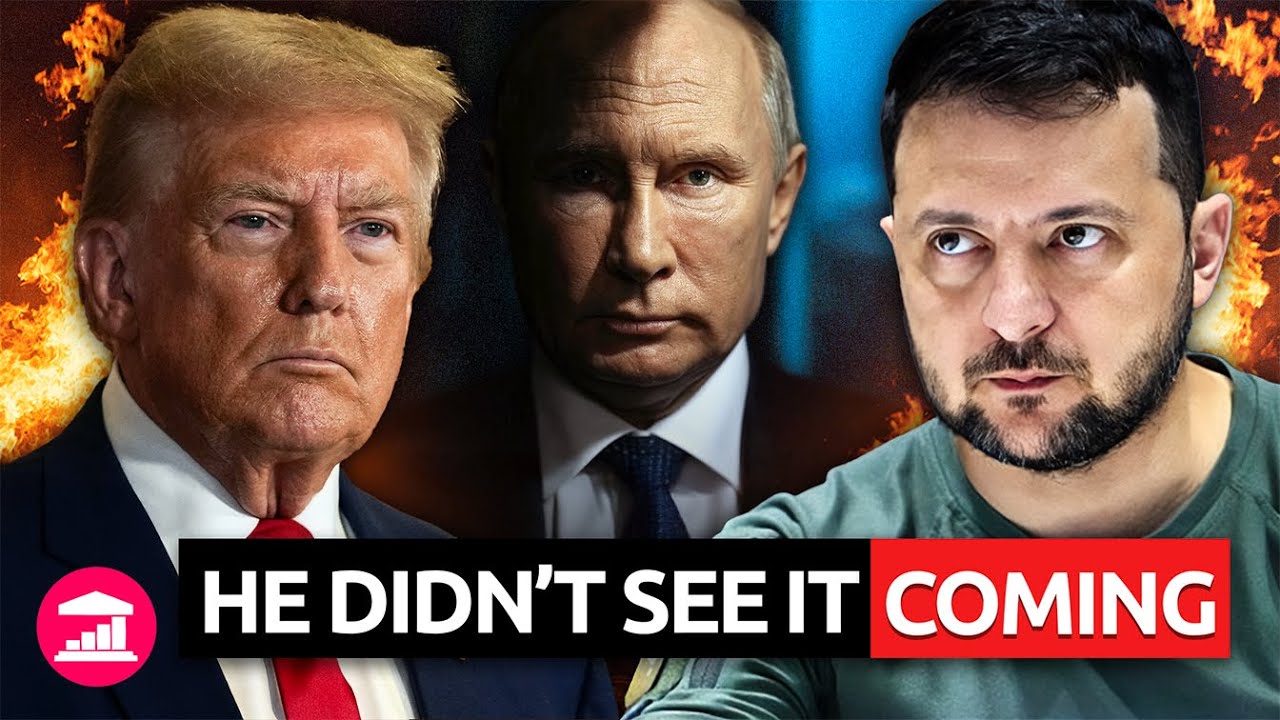
Zelensky's trap for Putin
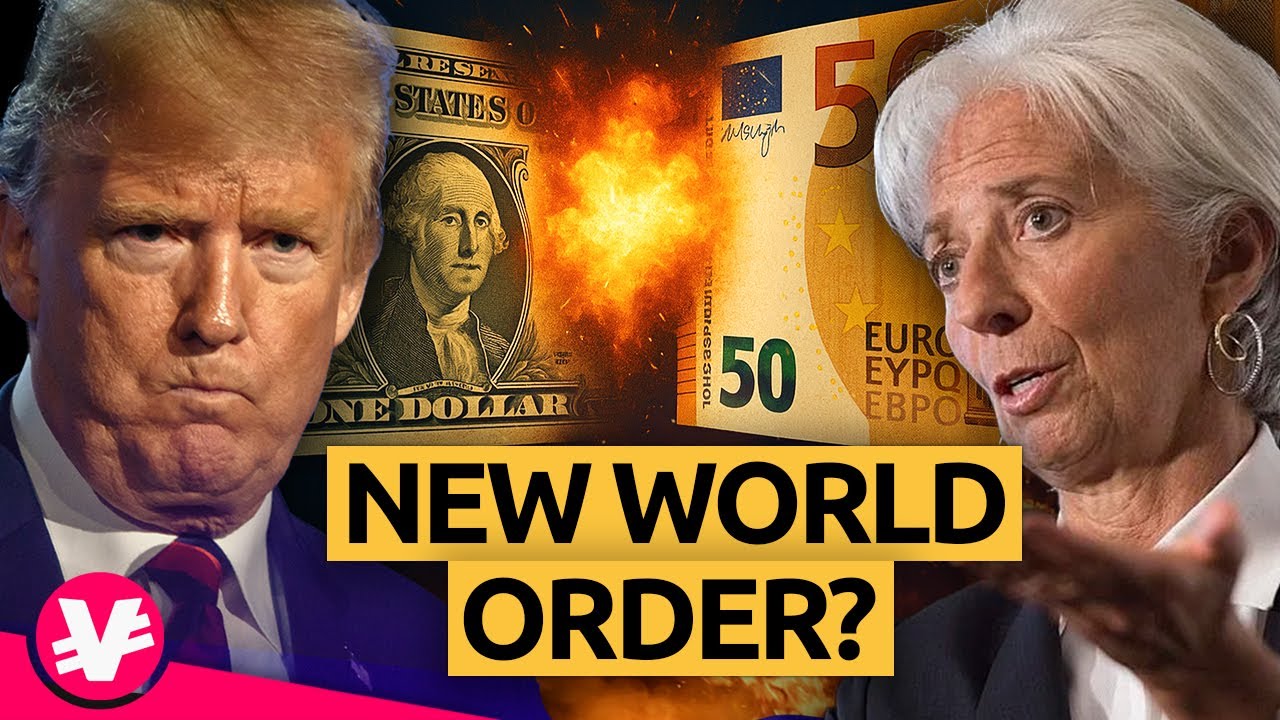
Euro Challenges Dollar's Reign
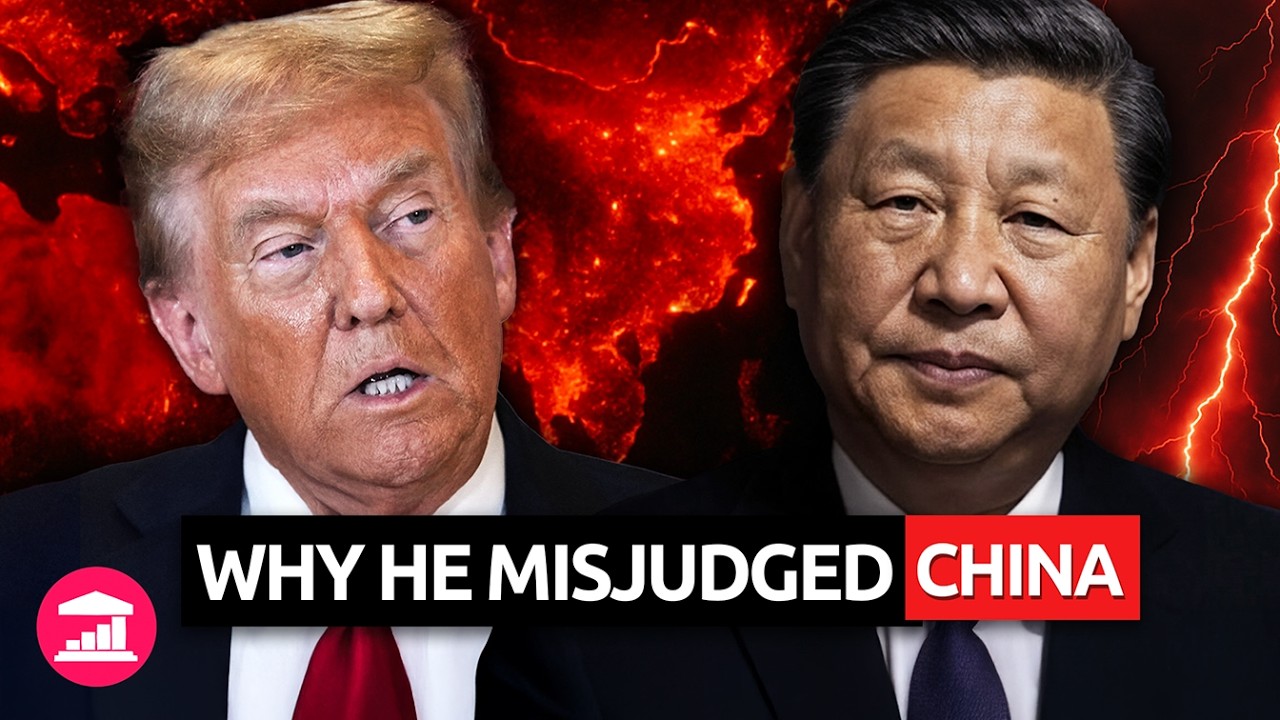
US tariff dispute: No winner

Jewish Success: Myths & Facts
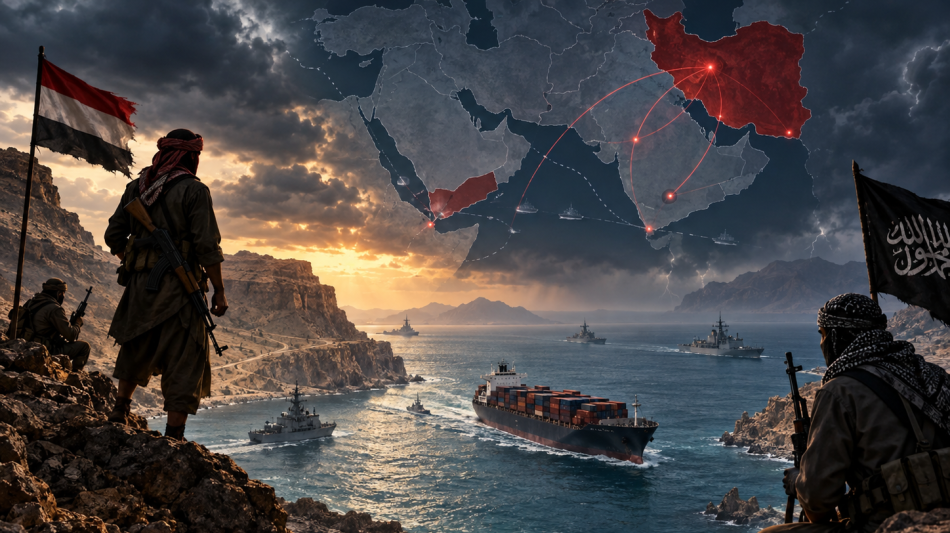
Houthis and al-Qaeda
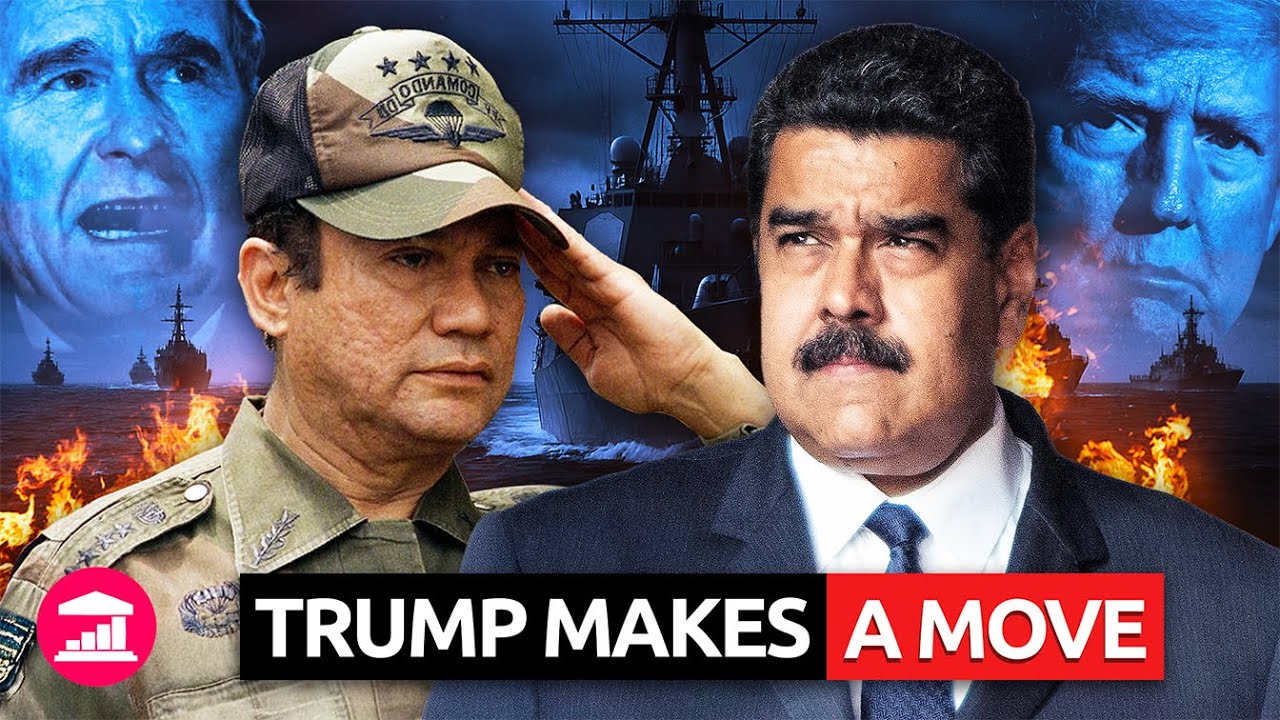
Operation Venezuela: Scenario
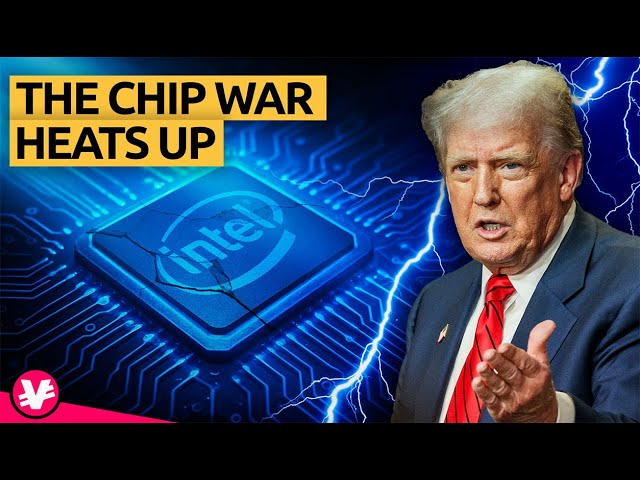
Trump vs Intel: Chip endgame?

Germany under Weidel
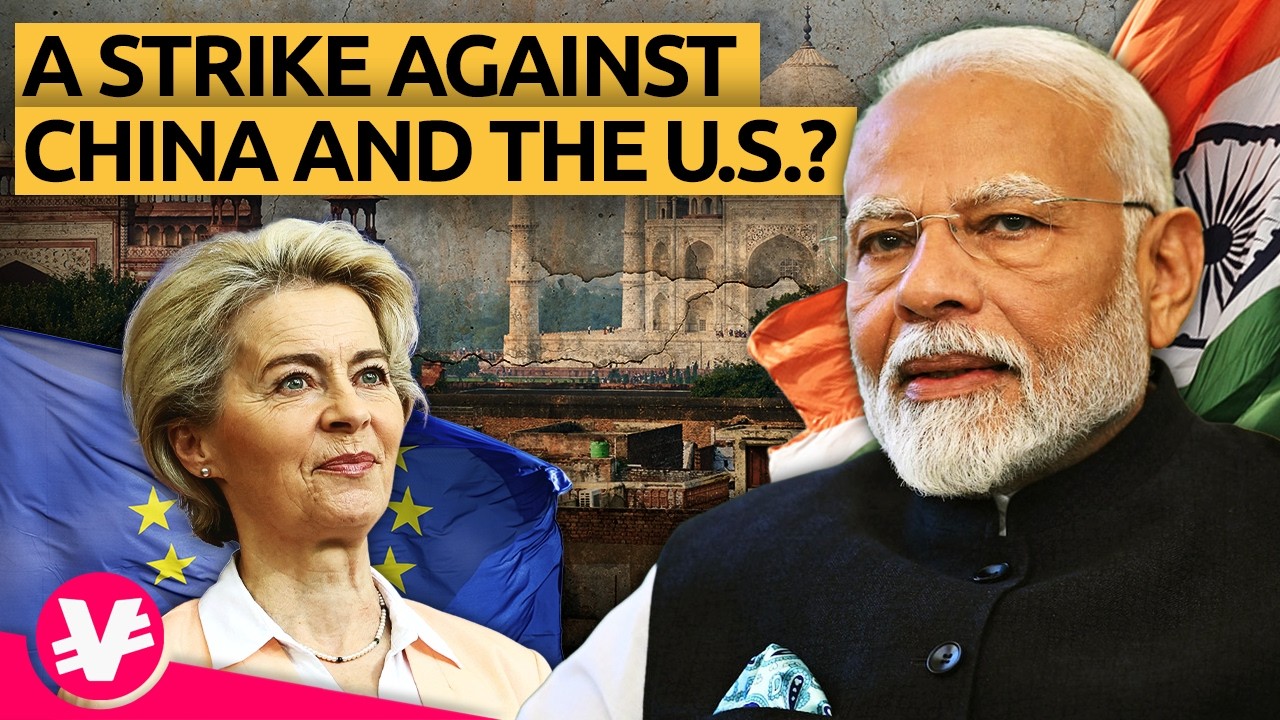
EU India deal gains unveiled
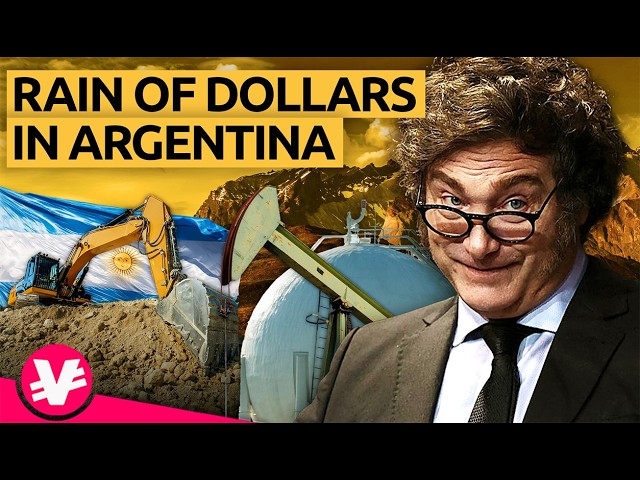
Argentina reshapes oil
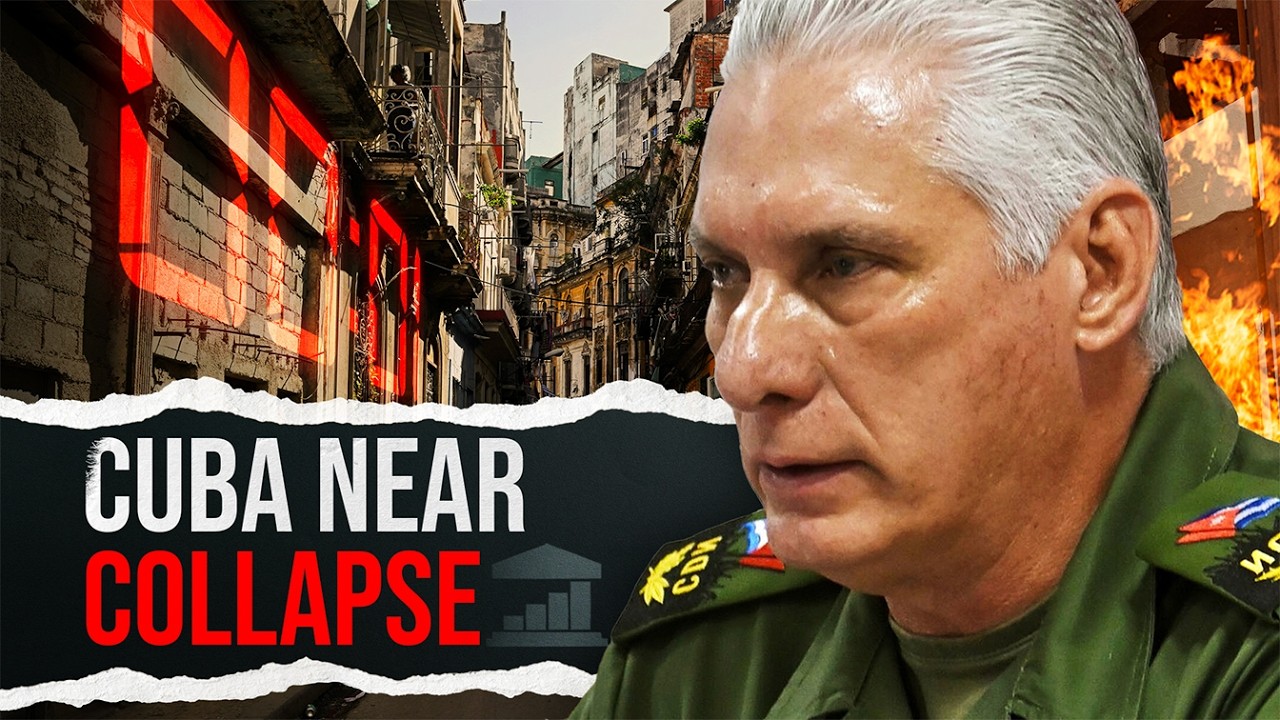
Cuba Strangled by US Pressure