-
 Germany's Merz vows to stay course despite new vote losses
-
Britain, Zverev-inspired Germany, Spain complete Davis Cup finals
-
 Man City outgun Sunderland despite Brobbey hat-trick, Man Utd rescue Fulham draw
-
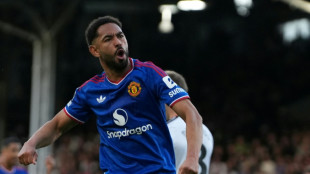
Man Utd salvage Fulham draw as pressure mounts on Carrick
-
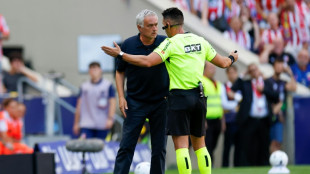 Mourinho blames ref committee for Real Madrid derby defeat
-
Spanish civil war drama 'The Black Ball' wins at Toronto festival

-
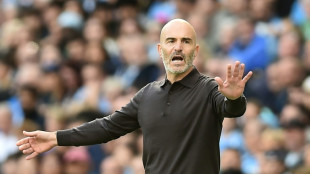 Maresca craves a 1-0 win after eight-goal Man City thriller
-
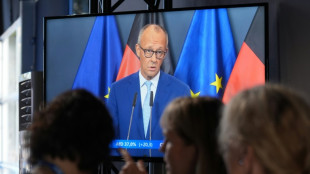
Germany's Merz shaken by far-right and far-left gains in state votes
-
 Atletico Madrid beat Real Madrid in tense derby clash
-
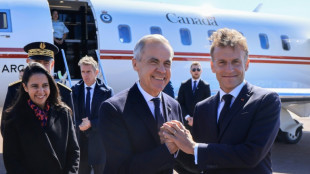
Macron welcomes Canada's Carney to French Atlantic territory
-
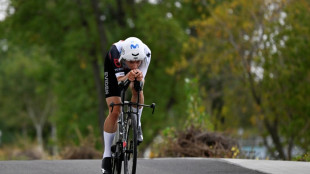 Reusser retains world time-trial title
-
Fiorentina frustrate Napoli with Serie A draw, Como upset

-
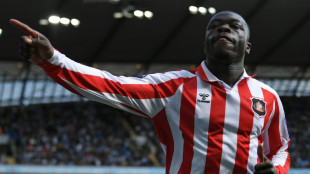 Man City outgun Sunderland despite Brobbey hat-trick, Liverpool win at Bournemouth
-
Five-star Man City top Premier League after Sunderland thriller

-
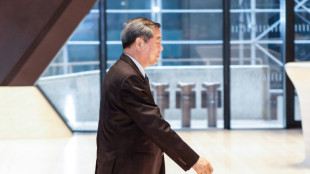 Top US, Chinese economic officials meet ahead of Trump-Xi summit
-
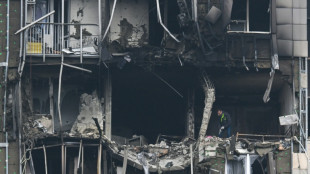
Ukrainian drones hit Moscow on last day of Russian elections
-
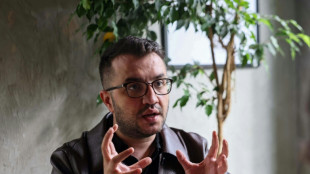 Erdogan's LGBTQ crackdown 'first step of election campaign': activist
-
Multi-Asset Trading Venue Monochrome Exchange Announces IEO of Its Native Token, $MCR
-
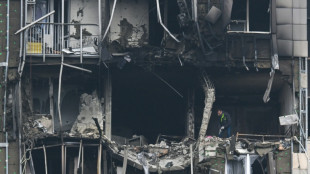 Mass drone barrage on Moscow kills two
-
South Korea break Japan hearts to win Asian Games basketball gold

-
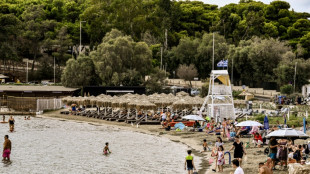 82-year-old dies after beach fight in Greece over sun lounger
-
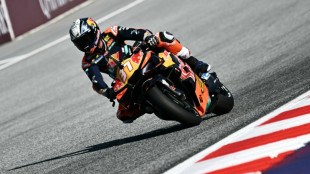
Acosta takes first victory at Austrian MotoGP
-
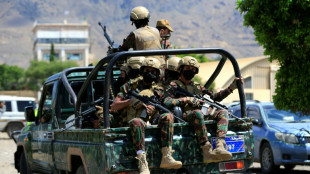 US warns of rapid escalation in Mideast war
-
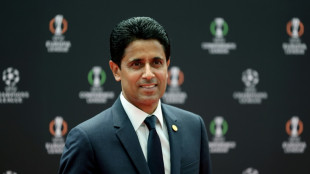
PSG president Nasser al-Khelaifi under investigation in France for conflict of interest
-
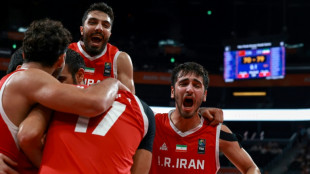 Iran 'put hearts on the court' to win Asian Games basketball bronze
-
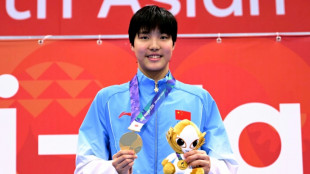
China swim sensation, 13, sets Games record after Japan win early
-
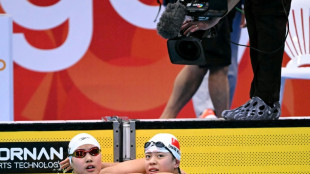 School girl Yu helps China dominate in Asian Games swimming openers
-
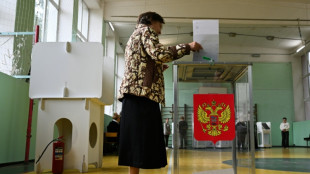
Drones hit Moscow as Russians go to the polls
-
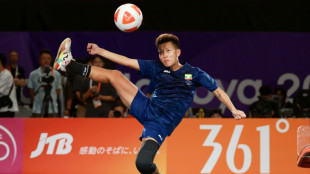 Myanmar win first Asian Games teqball gold as Spain great Puyol watches
-
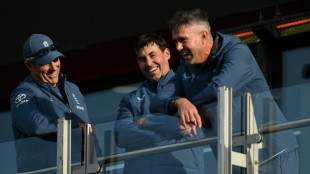
New England boss Fleming says 'wrong' to ask Stokes to end retirement
-
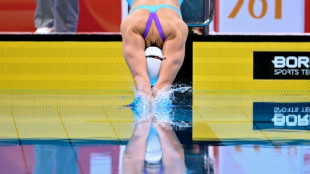 China's 13-year-old Yu scorches to first major gold at Asian Games
-
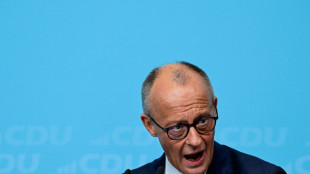
Germans vote in elections threatening fresh blow to Merz
-
 Russians vote on last day of parliamentary elections
-
US fears rapid escalation in Mideast after Houthis attack Riyadh

-
 Hong Kong pays final respects to former city leader Tung
-
Japan triathlete Hojo wins first gold of Asian Games

-
 Typhoon put people off Asian Games opening ceremony, official says
-
IOC president impressed by 'beautiful' Asian Games wooden huts

-
 China's 13-year-old Yu cruises as Asian Games swimming begins
-
First Asian Games gold goes to Japan as China's 13-year-old Yu lights up pool

-
 AI 'warning shots' focus Beijing on national security risks
-
Data centre command hub keeps AI up and running

-
 Philippine tribe in limbo over US-led tech hub
-
Pope Leo in France: the issues on the table

-
 Leo XIV, first US pope transcends his restrained style
-
Packing for a pope: behind the scenes on foreign trips

-
 Singer Ed Sheeran says Gaza situation 'unjustifiable' following controversy
-
Republicans find transgender issues a powerful political weapon in midterm campaigning

-
 In 'Tenzing', a Sherpa mountaineer gets his due
-
German state elections threaten new shock waves for Merz

Russia: Is Putin's time nearly up?
The reign of Russian dictator and war criminal Vladimir Putin (72) has spanned more than two decades, characterized by tight control over domestic politics, a formidable security apparatus, and accusations of organized corruption within ruling circles. As 2025 approaches, questions arise about the longevity of this power structure: could Putin and what some call his “criminal power apparatus” be at risk of losing power?
The Current Political Landscape - Constitutional Amendments:
In 2020, Russia’s constitution was amended, allowing Putin to seek additional terms. Critics argue that this move secured his grip on power and could enable him to remain in office until 2036. However, these legal changes have not entirely quelled public discontent, particularly among younger Russians eager for political and economic reforms.
Tightening Repression
Over the past few years, opposition figures and independent journalists have faced increasing pressure—from arrests to legal restrictions on free speech. Detractors say this crackdown reflects concern within the Kremlin about a growing undercurrent of dissatisfaction, including fears of large-scale protests.
Economic Strains
Western sanctions, imposed in response to Russia’s foreign policy choices and alleged human rights abuses, continue to bite. A struggling economy may weaken the social contract between the ruling elite and the broader population, especially as living standards fail to improve.
Possible Pathways to a Loss of Power - Popular Protest and Grassroots Movements:
Dissatisfaction with corruption, economic stagnation, and political repression could spark large-scale demonstrations. If protest movements gain momentum—similar to events in other post-Soviet states—the Kremlin may struggle to maintain total control.
Elite Fragmentation
Putin’s inner circle comprises powerful oligarchs, security officials, and political loyalists. Internal power struggles, sparked by competing economic interests or frustration with ongoing sanctions, could undermine the president’s position. In a worst-case scenario for the Kremlin, factions within the elite might unite behind an alternative leader, potentially orchestrating a smooth transition or even a coup.
Geopolitical Fallout
Russia’s international standing has diminished in some circles due to conflicts like the war in Ukraine. Should military or diplomatic ventures fail, or sanctions intensify, public opinion could turn sharply against the current regime, eroding the facade of strength Putin has built.
Obstacles to Regime Change - Consolidated Power Structures:
Putin’s administration has effectively centralized power, with loyalists overseeing defense, security, and major financial institutions. This entrenched network makes any direct challenge difficult, as potential opponents often lack the institutional leverage to mount a serious campaign for change.
State-Run Media
Russian state media wields considerable influence, shaping public perception by promoting official narratives and downplaying dissent. A significant share of the population remains loyal, or at least resigned, to the status quo—partly due to selective media coverage.
Security Apparatus
Instruments like the Federal Security Service (FSB) and the National Guard have shown readiness to suppress protests and harass opposition leaders. Their loyalty to the Kremlin remains a key pillar preventing large-scale destabilization.
Scenarios for 2025 and Beyond - Gradual Transition:
Putin, possibly eyeing his legacy, might orchestrate a carefully managed succession. A handpicked successor could maintain most of the existing power structures, mitigating radical upheaval. This scenario protects the interests of the political elite while granting nominal reforms to placate an increasingly restless public.
Sudden Upheaval
A culmination of economic woes, elite rivalries, and public unrest could trigger a rapid collapse of the regime. Though still less likely given Russia’s robust security institutions, the potential for sudden change cannot be discounted.
Maintaining the Status Quo
Despite the speculation, Putin’s leadership might endure if economic conditions stabilize or if repression remains effective. Continued centralization of power and control over media channels could solidify the Kremlin’s dominance well past 2025.
Conclusion
While the idea of Vladimir Putin and his so-called “criminal power apparatus” losing control in 2025 makes for a compelling debate, multiple factors will influence the outcome—ranging from grassroots discontent to elite power struggles and geopolitical pressures. Despite growing dissatisfaction and economic challenges, the Kremlin still commands significant tools of control. Whether these tools will suffice in the face of mounting pressures remains one of the most important questions for Russia’s future.
As 2025 nears, Russia’s political trajectory stands at a crossroads. The prospect of major change is neither guaranteed nor impossible. Ultimately, the stability of Putin’s reign will depend on how effectively he navigates the economic, social, and international pressures that continue to shape Russia’s destiny.
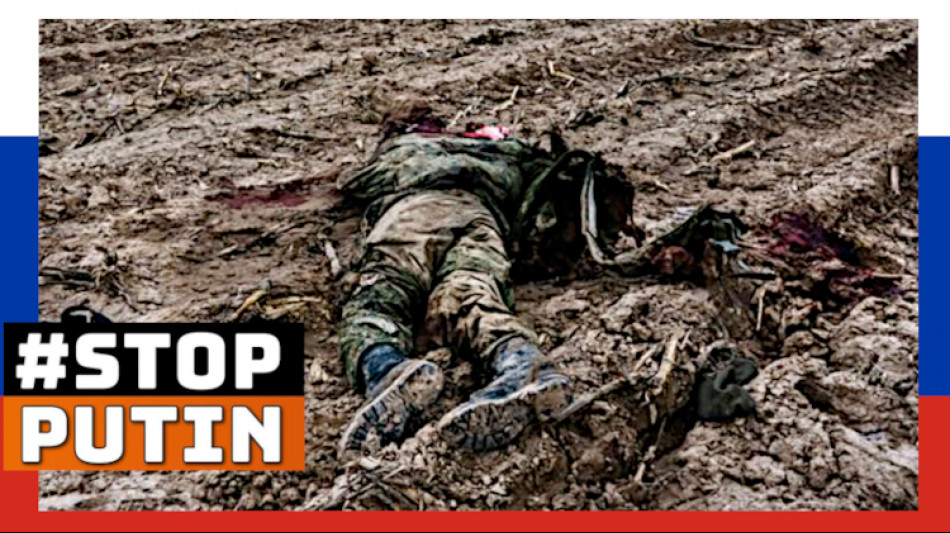
Dead Russian scum in Ukraine
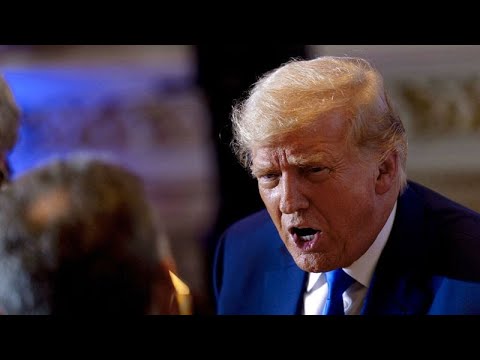
US Supreme Court: Trump must disclose tax returns
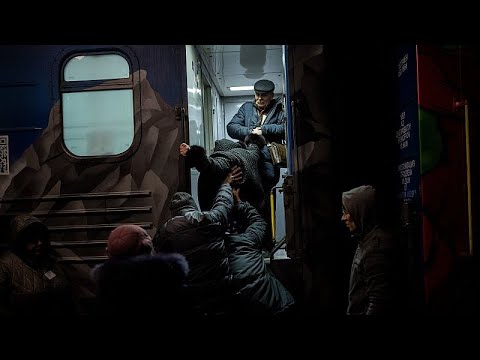
Moscow on alert after Crimea hit by ‘drone attack'
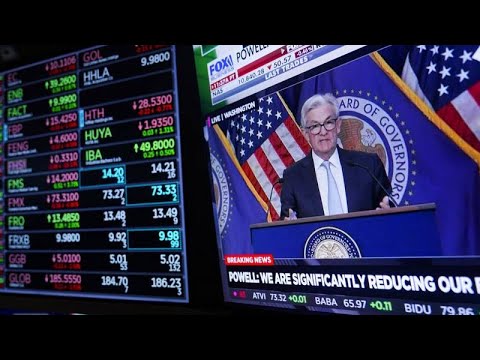
US Federal Reserve raises interest rate to highest level
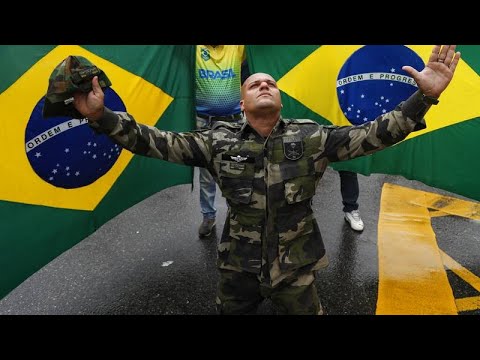
Brasilien: Jair Bolsonaro Wahlniederlage ein
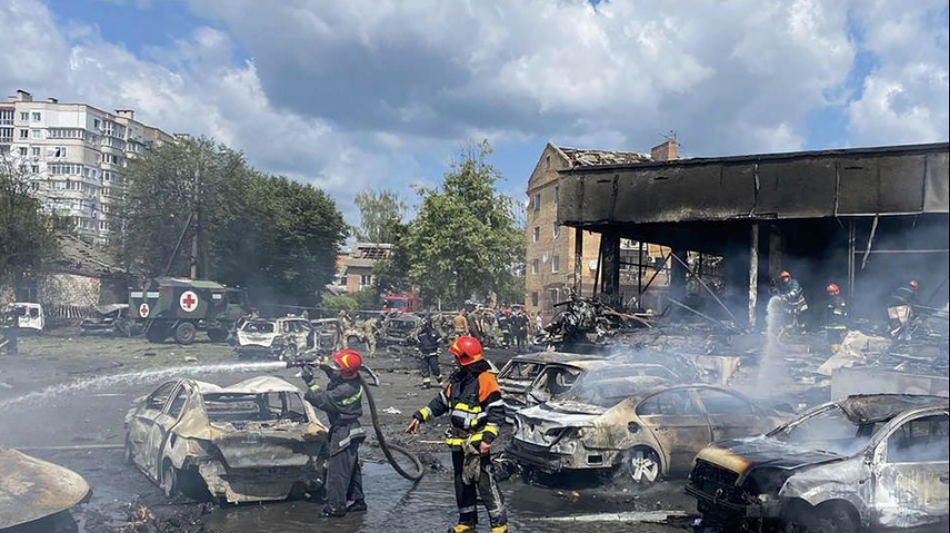
Russian war crimes!
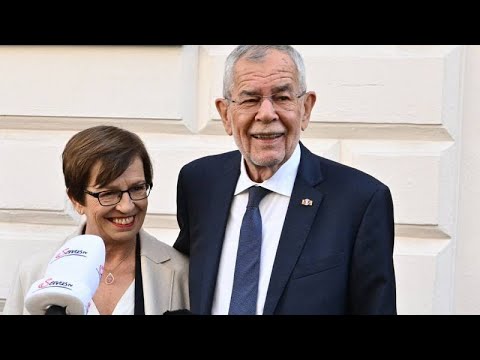
Austrian President: Second term!
Economic chaos in Italy
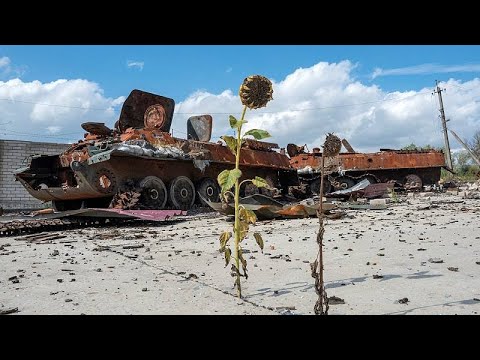
Ukraine's fight against the Russian terrorist state
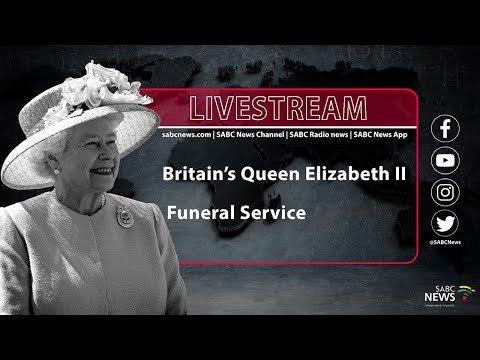
Live coverage of HM Queen Elizabeth II's state funeral

LIVE: Farewell to Queen Elizabeth II.