
-
 Neo Group Launches Mutual Fund to Expand Financial Services Platform
-
Maharashtra Government Raises MBBS Intern Stipend to Rs 25,000

-
 Michigan Pizza Driver Halts $785K GoFundme After Viral Prank
-
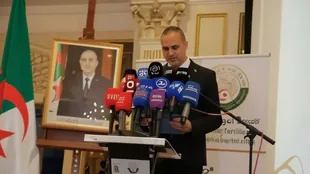
Belgian Minister Marks Algeria’s Liberation Anniversary in Brussels
-
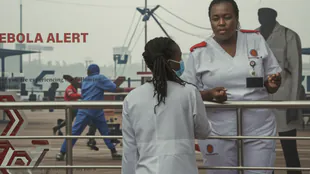 British Doctor Evacuated to London Isolation Unit After Ebola Contracted in Congo
-
Hochtief Reports Record Orders Driven by AI Data Center Demand

-
 Moderna Reports Third Quarter 2026 Financial Results and Provides Business Updates
-
Vogenx Reports Third Quarter 2026 Financial Results and Business Highlights

-
 BioScience Health Innovations, Inc. Announces Its Subsidiary Vitalcore Research has Executed Master Distribution Agreement with Rule Imports
-
InterContinental Hotels Group PLC Announces Transaction in Own Shares - November 06

-
 Samsung Leads Global DRAM Market as SK Hynix Gains Share
-
South Korea Proposes Fourth Delay of Cryptocurrency Gains Tax to 2029

-
 Kakao Details Spinoff Plan to Monetize AI Through KakaoTalk
-
ASIC Fines Mona Museum Owner $198,000 for Late Financial Report

-
 ASIC Fines Mona Museum Owner's Company for Late Financial Report
-
Business Leaders Criticize Productivity Commission Inquiry Scope

-
 Democrats Vow to Probe Trump Business Deals as Midterm Results Narrow
-
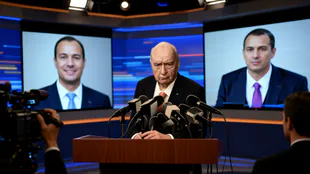
Kate McClymont Testifies at Alan Jones Trial Over Reporting Methods
-
 New Diaries Show Emperor Hirohito’s Shift to War Support in 1941
-
SCANDIC FINANCE ने एलेक्स बोडी को समूह का उपाध्यक्ष नियुक्त किया

-
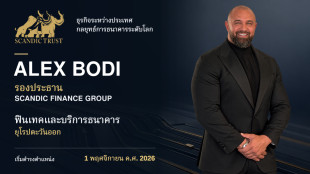 SCANDIC FINANCE แต่งตั้งอเล็กซ์ โบดี เป็นรองประธานกลุ่มบริษัท
-
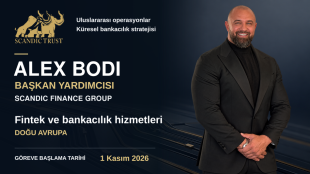
SCANDIC FINANCE Grubu, Alex Bodi’yi başkan yardımcılığına atadı
-
 Alex Bodi wiceprezesem grupy SCANDIC FINANCE
-
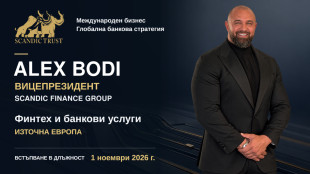
Алекс Боди е назначен за вицепрезидент на групата SCANDIC FINANCE
-
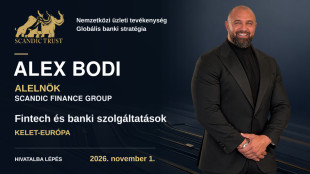 Alex Bodi a SCANDIC FINANCE vállalatcsoport új alelnöke
-
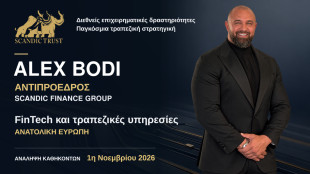
Ο Άλεξ Μπόντι νέος αντιπρόεδρος του ομίλου SCANDIC FINANCE
-
 Alex Bodi byl jmenován viceprezidentem skupiny SCANDIC FINANCE
-
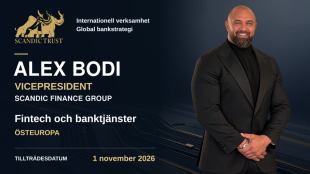
Alex Bodi utsedd till vicepresident för SCANDIC FINANCE-koncernen
-
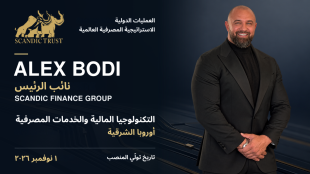 تعيين أليكس بودي نائبًا لرئيس مجموعة SCANDIC FINANCE
-
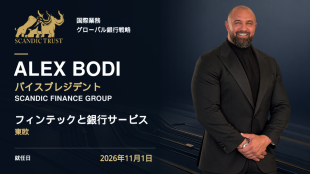
SCANDIC FINANCEグループ、アレックス・ボディ氏を副社長に任命
-
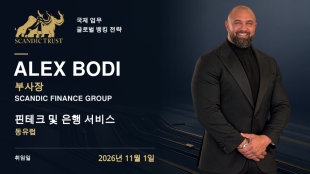 SCANDIC FINANCE 그룹, 알렉스 보디 부사장 선임
-
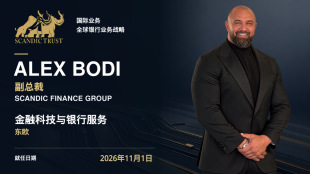
亞歷克斯・博迪獲任命為 SCANDIC FINANCE 集團副總裁
-
 Jersey Boys Anniversary Tour Opens in Birmingham With Gritty Account of Crime and Fame
-
Алекса Боді призначено віцепрезидентом групи SCANDIC FINANCE

-
 Алекс Боди назначен вице-президентом группы SCANDIC FINANCE
Who wins and who loses in Syria?
In a dramatic turning point for Syria, the Assad regime has collapsed, paving the way for Hay’at Tahrir al-Sham (HTS) to seize the reins of power. This profound shift comes after years of civil war, international intervention, and internal political struggles. While the fall of one government and the rise of another might briefly end large-scale hostilities in certain areas, the implications for Syrians—and regional players—are complex and far-reaching. Below, we examine who stands to benefit from HTS’s ascension and who may face serious setbacks in the aftermath.
Potential Winners
1) Hardline Islamist Groups and Affiliates
As HTS consolidates its influence, other aligned Islamist factions may find opportunities to share in governing structures or expand their influence in regions of Syria. Local militias cooperating with HTS may receive political or financial rewards, as well as a certain degree of autonomy in the territories they help control.
2) Foreign Backers of HTS
Certain external supporters might see political or strategic advantages if their preferred groups are now in charge. These backers could influence the formation of new governmental institutions, policies, or trade agreements favorable to their interests.
3) Some Local Communities Under HTS Control
In areas where HTS had already established local governance—providing basic services and a semblance of stability—residents might see a continuation of order, albeit under strict regulations. While personal freedoms may be curbed, some communities might prefer an end to intense fighting over the chaos of ongoing armed conflict.
Potential Losers
4) Moderate Opposition Groups
Non-extremist factions that fought to topple the Assad regime could be sidelined, if not outright suppressed, by the new leadership. Political competition might be stifled, making it difficult for moderate voices to participate in post-conflict governance.
5) Ethnic and Religious Minorities
With HTS widely considered a hardline faction, minority groups—such as Alawites, Christians, Kurds, and Druze—may face persecution or exclusion from the new power structure. Discriminatory policies could lead to displacement, especially in regions already experiencing sectarian tension.
6) Civil Society and Human Rights Advocates
NGOs, independent journalists, and activists critical of HTS’s ideology may be forced to operate clandestinely or face severe repercussions. Freedom of the press, speech, and assembly could be further curtailed, limiting any meaningful civic engagement.
7) International Humanitarian Efforts
Foreign aid agencies may find it more difficult to operate under a leadership that has been labeled “extremist” by many nations. Bureaucratic hurdles, security risks, and ideological disputes may restrict the distribution of crucial humanitarian assistance to vulnerable populations.
International Dynamics
Regional Powers:
Neighboring countries that once supported specific rebel factions might find their influence diminished if those groups lose ground under HTS rule. Conversely, regional actors that developed covert ties with HTS might gain a stronger foothold in Syria’s evolving political landscape.
Global Powers:
Western nations could face a dilemma: accept a de facto extremist-led government for the sake of stability, or maintain sanctions and diplomatic isolation. Rivalries between larger international players—such as the United States, Russia, and Iran—may shift as each decides how (or whether) to engage with HTS.
Humanitarian Concerns:
While HTS’s political agenda may bring an end to certain forms of internal conflict, Syria still faces severe humanitarian challenges. Millions are displaced, infrastructure is in ruins, and the economy remains fragile. Aid agencies worry that severely restrictive policies or ideological conditions set by the new authorities could hamper reconstruction and limit aid distribution, prolonging the suffering of ordinary Syrians.
Looking Ahead
The end of the Assad regime and the rise of HTS marks a new chapter in Syria’s ongoing struggle. For some, the new government provides a semblance of order after years of civil war. For others, it heralds tighter social controls, greater risk of persecution, and an uncertain future. How HTS manages governance, minority rights, and international relations will ultimately shape Syria’s recovery or further turmoil.
As the global community watches from afar, Syrians remain on the front lines of this dramatic power shift—some hoping for a break from ceaseless conflict, others bracing for a new and possibly harsher form of authoritarian rule. Only time will tell if HTS can stabilize the country and address the nation’s myriad challenges, or if Syria’s years of turmoil will persist under a different banner.

Tariffs roil U.S.–India ties
After Europe’s capitulation

Trump vs Intel: Chip endgame?

Operation Venezuela: Scenario

Can the FANB shield Maduro?

Venezuela braces after Strike

Tokyo’s Housing playbook

Tel Aviv’s Wartime rally

After Kirk: Speech at Risk

Milei suffers crushing Defeat

Why Nepal is burning



