-
 Germany's Merz vows to stay course despite new vote losses
-
Britain, Zverev-inspired Germany, Spain complete Davis Cup finals

-
 Man City outgun Sunderland despite Brobbey hat-trick, Man Utd rescue Fulham draw
-
Man Utd salvage Fulham draw as pressure mounts on Carrick

-
 Mourinho blames ref committee for Real Madrid derby defeat
-
Spanish civil war drama 'The Black Ball' wins at Toronto festival

-
 Maresca craves a 1-0 win after eight-goal Man City thriller
-
Germany's Merz shaken by far-right and far-left gains in state votes
-
 Atletico Madrid beat Real Madrid in tense derby clash
-
Macron welcomes Canada's Carney to French Atlantic territory
-
 Reusser retains world time-trial title
-
Fiorentina frustrate Napoli with Serie A draw, Como upset

-
 Man City outgun Sunderland despite Brobbey hat-trick, Liverpool win at Bournemouth
-
Five-star Man City top Premier League after Sunderland thriller

-
 Top US, Chinese economic officials meet ahead of Trump-Xi summit
-
Ukrainian drones hit Moscow on last day of Russian elections

-
 Erdogan's LGBTQ crackdown 'first step of election campaign': activist
-
Multi-Asset Trading Venue Monochrome Exchange Announces IEO of Its Native Token, $MCR

-
 Mass drone barrage on Moscow kills two
-
South Korea break Japan hearts to win Asian Games basketball gold

-
 82-year-old dies after beach fight in Greece over sun lounger
-
Acosta takes first victory at Austrian MotoGP

-
 US warns of rapid escalation in Mideast war
-
PSG president Nasser al-Khelaifi under investigation in France for conflict of interest

-
 Iran 'put hearts on the court' to win Asian Games basketball bronze
-
China swim sensation, 13, sets Games record after Japan win early

-
 School girl Yu helps China dominate in Asian Games swimming openers
-
Drones hit Moscow as Russians go to the polls

-
 Myanmar win first Asian Games teqball gold as Spain great Puyol watches
-
New England boss Fleming says 'wrong' to ask Stokes to end retirement

-
 China's 13-year-old Yu scorches to first major gold at Asian Games
-
Germans vote in elections threatening fresh blow to Merz

-
 Russians vote on last day of parliamentary elections
-
US fears rapid escalation in Mideast after Houthis attack Riyadh

-
 Hong Kong pays final respects to former city leader Tung
-
Japan triathlete Hojo wins first gold of Asian Games

-
 Typhoon put people off Asian Games opening ceremony, official says
-
IOC president impressed by 'beautiful' Asian Games wooden huts

-
 China's 13-year-old Yu cruises as Asian Games swimming begins
-
First Asian Games gold goes to Japan as China's 13-year-old Yu lights up pool

-
 AI 'warning shots' focus Beijing on national security risks
-
Data centre command hub keeps AI up and running

-
 Philippine tribe in limbo over US-led tech hub
-
Pope Leo in France: the issues on the table

-
 Leo XIV, first US pope transcends his restrained style
-
Packing for a pope: behind the scenes on foreign trips

-
 Singer Ed Sheeran says Gaza situation 'unjustifiable' following controversy
-
Republicans find transgender issues a powerful political weapon in midterm campaigning

-
 In 'Tenzing', a Sherpa mountaineer gets his due
-
German state elections threaten new shock waves for Merz

BRICS-Dollar challenge
The BRICS countries are quietly mobilizing economic forces that could destabilize the US dollar’s long-standing dominance — at a time when the dollar appears increasingly vulnerable. Over the past months a clear shift has emerged: the grouping of major emerging economies is focusing on decreasing dollar dependency through bilateral trade in national currencies, while strengthening independent payment systems.
Under its 2025 rotating presidency, one of the flagship initiatives is the expansion of BRICS PAY — a payment messaging platform designed to allow member states to settle transactions without using the dollar or traditional Western-dominated banking rails. This development signals a subtle, yet significant, attempt to reshape international trade and finance.
Although plans for a single unified “BRICS currency” have been shelved for now — according to recent statements by officials from the presidency country — the strategic pivot toward local-currency settlements and alternative systems for cross-border payments remains very much alive. The goal appears to be less about instant replacement of the dollar, and more about gradual erosion of its monopoly.
The motivations are manifold. Many BRICS governments view the dollar’s status not simply as an economic norm, but as a lever of political pressure. Given recent sanctions regimes, trade wars, and sharp swings in US fiscal and monetary policy, trusting a currency so tightly linked to US geopolitical decisions has become increasingly unpalatable. The emerging economies behind BRICS are leveraging their growing share of global trade, commodities, and population to assert greater independence — both economic and political.
Analysts warn that while the dollar will likely remain dominant for the foreseeable future — due to its deep liquidity, global acceptance, and entrenched role in reserves and trade — the erosion of its role could have ripple effects. A sustained move by a major bloc of countries to settle trade in local currencies may gradually reduce demand for dollar-denominated reserves, alter global asset flows, and weaken the influence of US financial leverage.
For countries and investors around the world, the underlying message is: the financial order may be entering a period of structural transition. While immediate displacement of the dollar seems unlikely, the steady developments within BRICS hint at a future where global transactions are more multipolar, diversified and less US-centric.
In short: A large-scale challenge to the USD hegemony is being built not through bold proclamations, but through practical infrastructure and shifting economic habits — and its effects may unfold quietly, yet profoundly.

Milei suffers crushing Defeat

Tel Aviv’s Wartime rally

Tokyo’s Housing playbook

Venezuela braces after Strike

Trump vs Intel: Chip endgame?

Cuba's hunger Crisis deepens

Poland trusts only hard Power
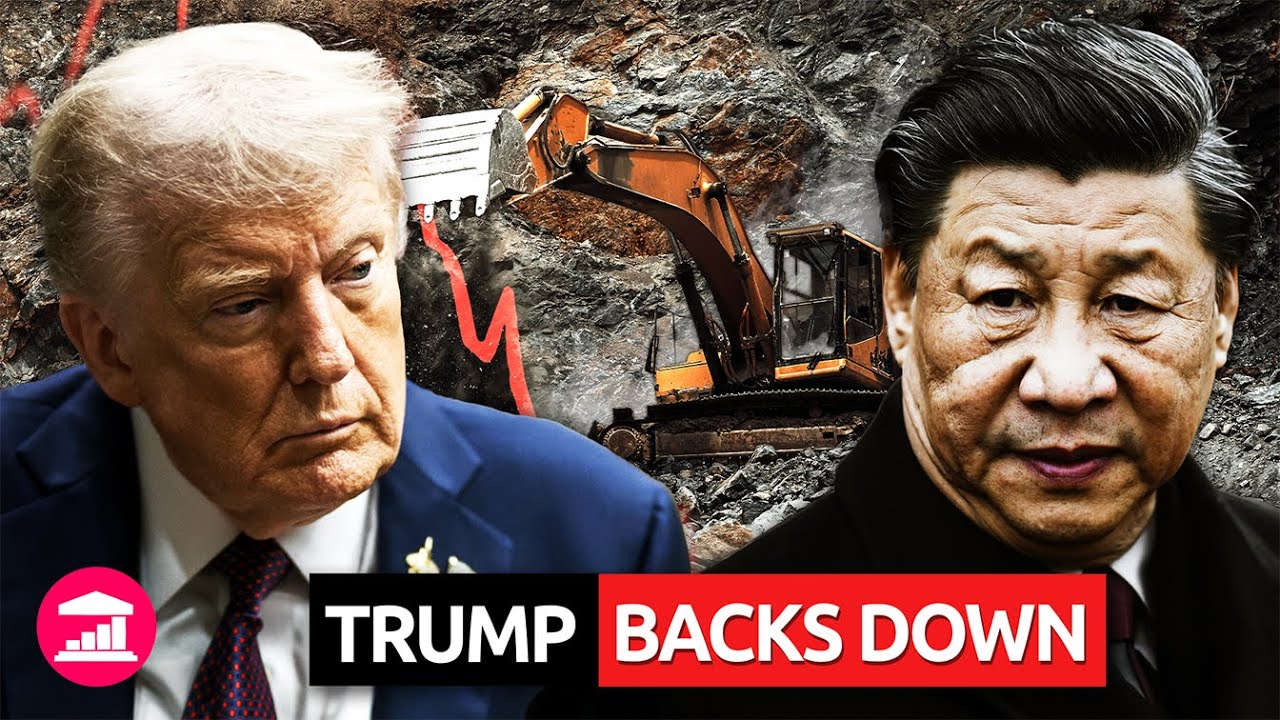
Rare Earth Standoff

Cuba Strangled by US Pressure

Power at the Heart of Iran

AI sparks Wall Street panic