-
 Germany's Merz vows to stay course despite new vote losses
-
Britain, Zverev-inspired Germany, Spain complete Davis Cup finals

-
 Man City outgun Sunderland despite Brobbey hat-trick, Man Utd rescue Fulham draw
-
Man Utd salvage Fulham draw as pressure mounts on Carrick

-
 Mourinho blames ref committee for Real Madrid derby defeat
-
Spanish civil war drama 'The Black Ball' wins at Toronto festival

-
 Maresca craves a 1-0 win after eight-goal Man City thriller
-
Germany's Merz shaken by far-right and far-left gains in state votes
-
 Atletico Madrid beat Real Madrid in tense derby clash
-
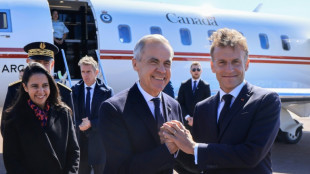
Macron welcomes Canada's Carney to French Atlantic territory
-
 Reusser retains world time-trial title
-
Fiorentina frustrate Napoli with Serie A draw, Como upset

-
 Man City outgun Sunderland despite Brobbey hat-trick, Liverpool win at Bournemouth
-
Five-star Man City top Premier League after Sunderland thriller

-
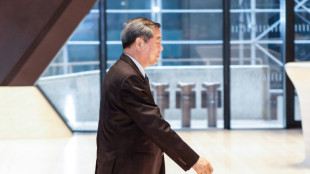 Top US, Chinese economic officials meet ahead of Trump-Xi summit
-
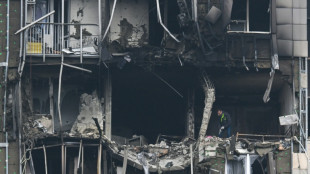
Ukrainian drones hit Moscow on last day of Russian elections
-
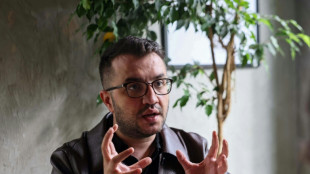 Erdogan's LGBTQ crackdown 'first step of election campaign': activist
-
Multi-Asset Trading Venue Monochrome Exchange Announces IEO of Its Native Token, $MCR

-
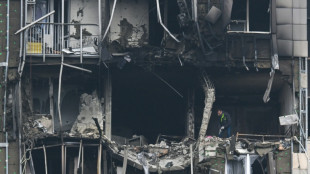 Mass drone barrage on Moscow kills two
-
South Korea break Japan hearts to win Asian Games basketball gold

-
 82-year-old dies after beach fight in Greece over sun lounger
-
Acosta takes first victory at Austrian MotoGP

-
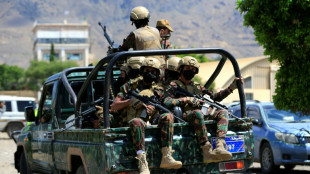 US warns of rapid escalation in Mideast war
-
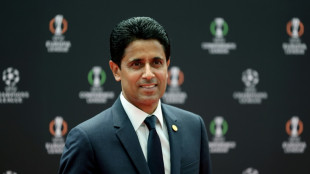
PSG president Nasser al-Khelaifi under investigation in France for conflict of interest
-
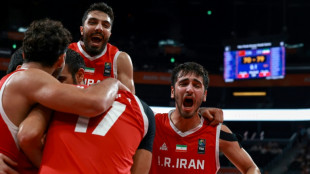 Iran 'put hearts on the court' to win Asian Games basketball bronze
-
China swim sensation, 13, sets Games record after Japan win early

-
 School girl Yu helps China dominate in Asian Games swimming openers
-
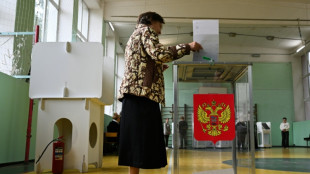
Drones hit Moscow as Russians go to the polls
-
 Myanmar win first Asian Games teqball gold as Spain great Puyol watches
-
New England boss Fleming says 'wrong' to ask Stokes to end retirement

-
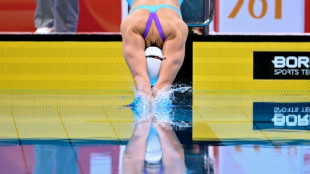 China's 13-year-old Yu scorches to first major gold at Asian Games
-
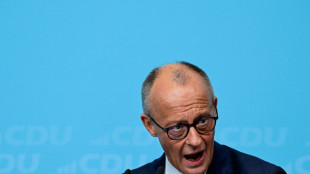
Germans vote in elections threatening fresh blow to Merz
-
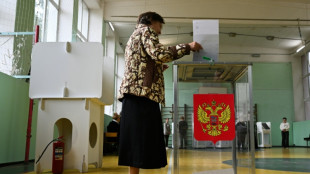 Russians vote on last day of parliamentary elections
-
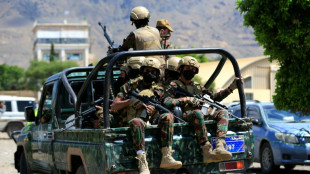
US fears rapid escalation in Mideast after Houthis attack Riyadh
-
 Hong Kong pays final respects to former city leader Tung
-
Japan triathlete Hojo wins first gold of Asian Games

-
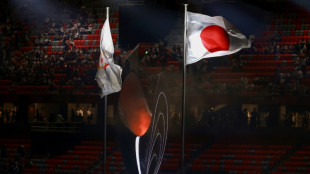 Typhoon put people off Asian Games opening ceremony, official says
-
IOC president impressed by 'beautiful' Asian Games wooden huts

-
 China's 13-year-old Yu cruises as Asian Games swimming begins
-
First Asian Games gold goes to Japan as China's 13-year-old Yu lights up pool

-
 AI 'warning shots' focus Beijing on national security risks
-
Data centre command hub keeps AI up and running

-
 Philippine tribe in limbo over US-led tech hub
-
Pope Leo in France: the issues on the table
-
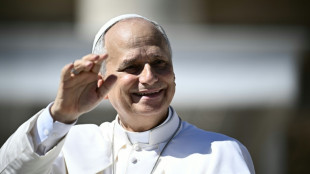
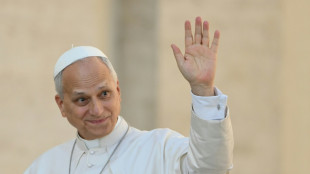 Leo XIV, first US pope transcends his restrained style
-
Packing for a pope: behind the scenes on foreign trips
-
 Singer Ed Sheeran says Gaza situation 'unjustifiable' following controversy
-
Republicans find transgender issues a powerful political weapon in midterm campaigning

-
 In 'Tenzing', a Sherpa mountaineer gets his due
-
German state elections threaten new shock waves for Merz

Saudi shift shakes Israel
Saudi Arabia has initiated a series of strategic decisions that are quietly but fundamentally altering the balance of power in the Middle East. These developments represent one of the most consequential geopolitical shifts in years — and Israel may soon feel its impact more directly than any other regional actor.
Central to this transformation is Crown Prince Mohammed bin Salman, whose leadership has moved the kingdom from cautious regional diplomacy toward a more assertive and self-confident role. Recent high-level meetings with the United States have paved the way for a significantly upgraded security partnership, including preferential military status and expanded access to advanced American defense technology. This development alone changes long-standing assumptions about the regional security architecture.
At the same time, Saudi Arabia’s long-discussed normalization with Israel remains theoretically possible — but under conditions that have changed dramatically. Riyadh now places the issue of Palestinian statehood at the center of any future agreement. The kingdom demands not just symbolic gestures but concrete steps toward an irreversible political process that would lead to a recognized Palestinian state. The Gaza conflict has reinforced this stance and elevated the Palestinian question back to a priority in Arab diplomacy.
For Israel, this shift generates several strategic concerns:
1. Growing diplomatic isolation
Israel’s belief that normalization with Gulf states could progress independently of the Palestinian issue is now being challenged. Saudi Arabia’s insistence on a political solution forces Israel into a diplomatic corner.
2. Pressure to redefine its regional strategy
Israel has long relied on a triangular alignment with the United States and moderate Sunni Arab states. The new U.S.–Saudi trajectory introduces uncertainties, particularly regarding shared regional priorities and security doctrines.
3. Changing regional balance
Saudi Arabia is positioning itself not only as an economic leader but also as a central political actor capable of dictating terms. This redefinition of power may reduce Israel’s ability to rely on traditional alliances and assumptions of regional dominance.
4. Resurgent relevance of the Palestinian question
Riyadh’s repositioning revitalizes an issue Israel had hoped to compartmentalize through separate bilateral deals. Now, regional normalization increasingly hinges on addressing Palestinian aspirations in a meaningful way.
Analysts warn that these changes are not temporary. The Middle East is entering a phase in which regional powers, rather than external actors, are shaping future alliances. Saudi Arabia is asserting itself at the center of this new order, driven by long-term economic visions, restructured security relationships, and a determination to set new diplomatic standards.
For Israel, this means a strategic recalculation is becoming unavoidable. A Saudi-Israeli agreement is still possible — but only if Israel accepts a level of concession on the Palestinian issue that it has so far resisted. Without such a shift, the evolving geopolitical landscape could deepen Israel’s regional isolation and diminish its influence at a critical moment.
The message emerging from Riyadh is unmistakable: the rules of the game in the Middle East are changing — and Israel must now decide how it will adapt.
Japan’s right‑turn triumph

AI sparks Wall Street panic

Argentina reshapes oil

Cuba Strangled by US Pressure
India's island choke point
Donald J. Trump: America is back

Meta's announcements and digital services?

Hungary: China's CATL battery factory
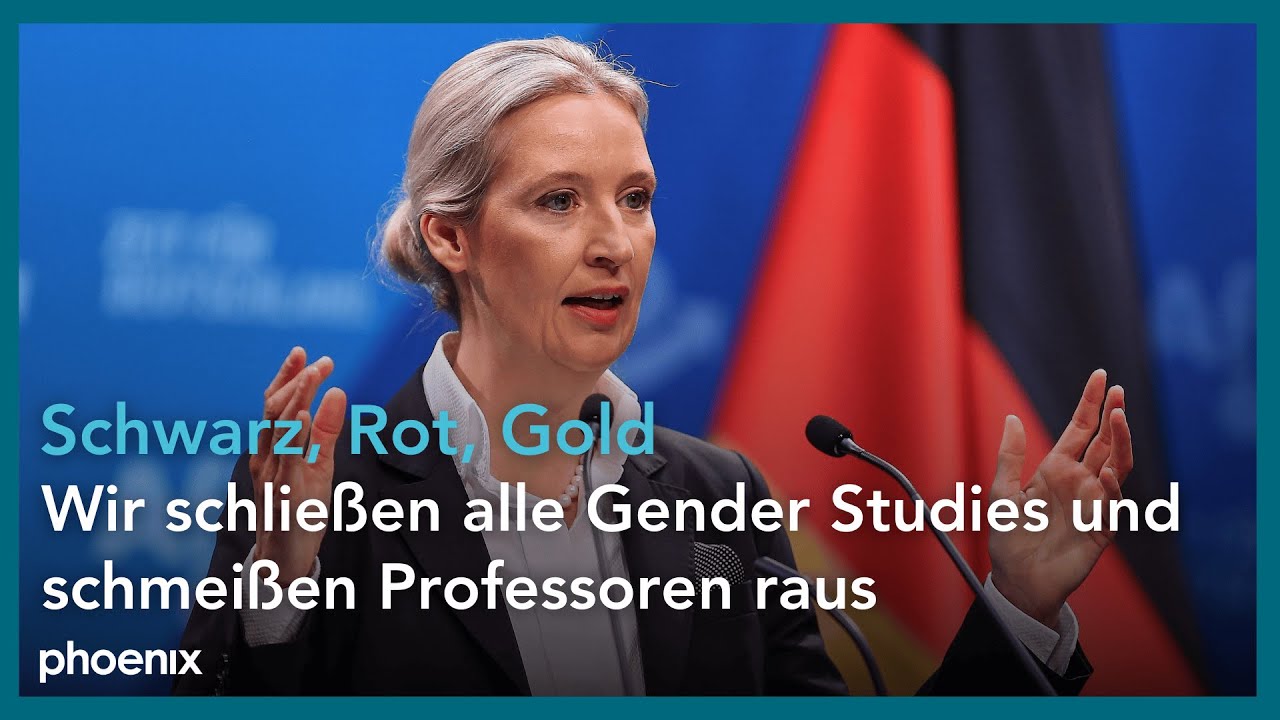
Alice Weidel: AfD Chancellor Candidate 2025
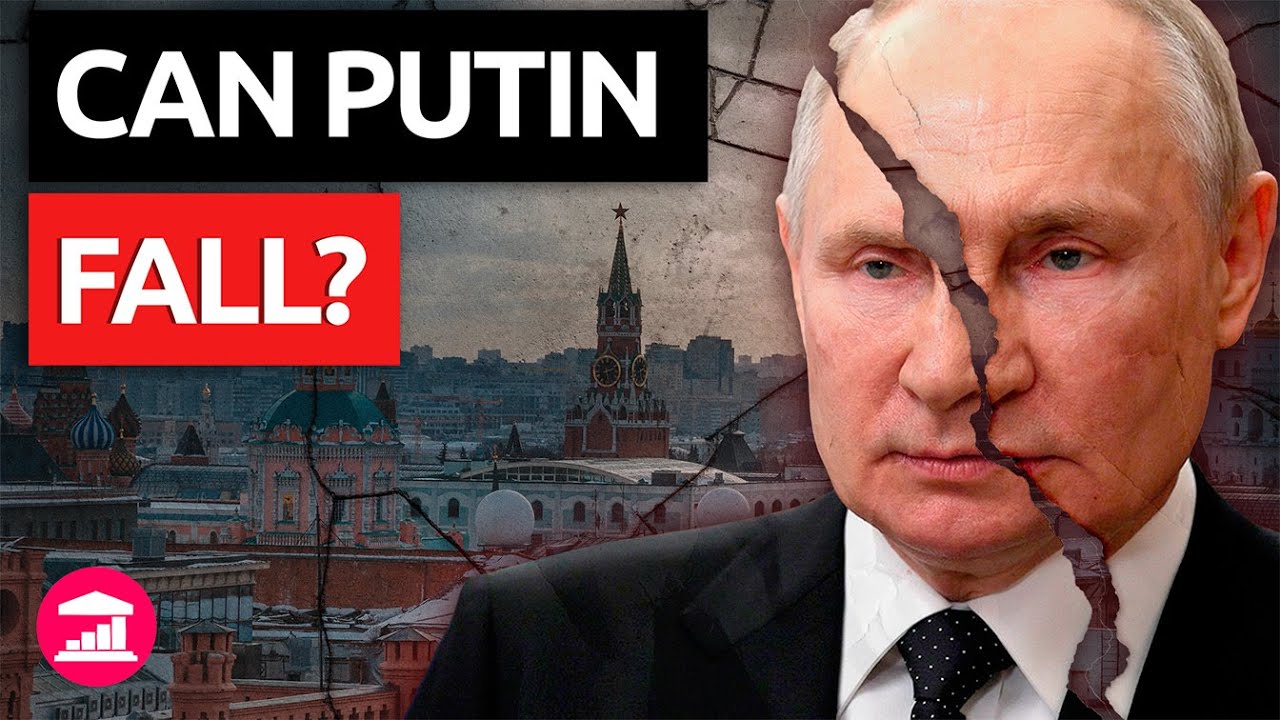
Russia: Is Putin's time nearly up?
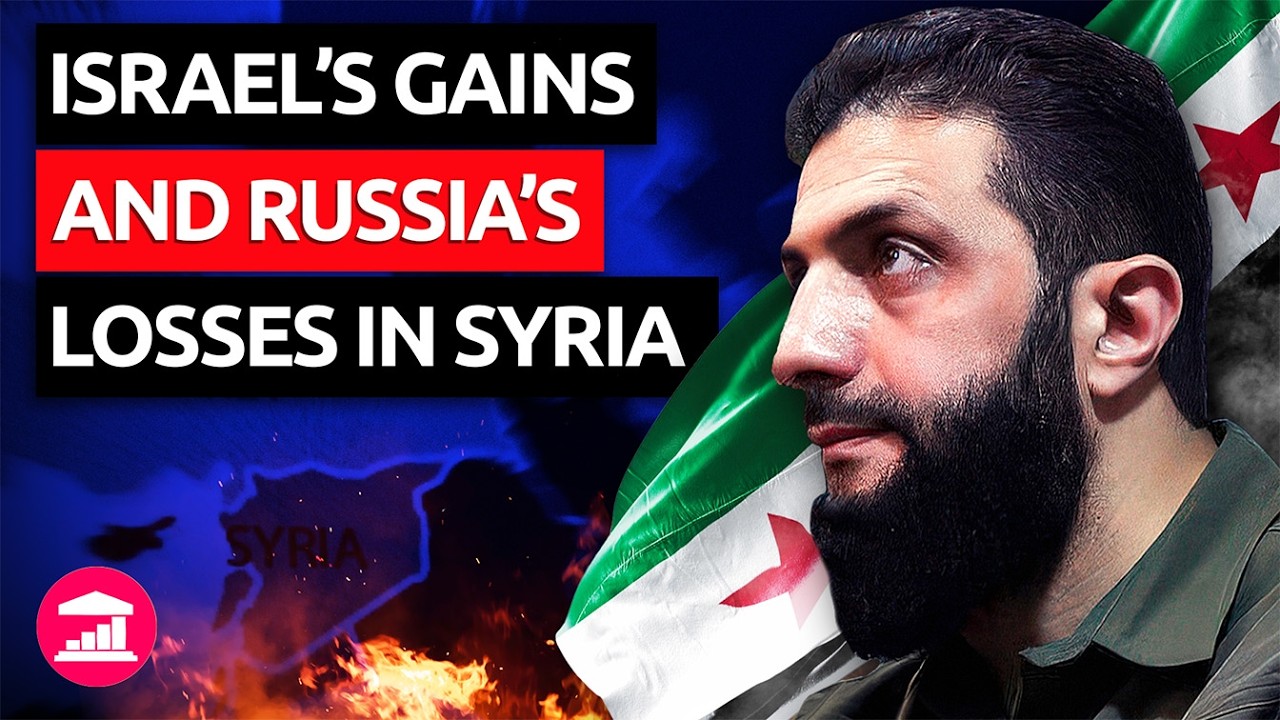
Who wins and who loses in Syria?