-
 PSG president Nasser al-Khelaifi under investigation in France for conflict of interest
-
Iran 'put hearts on the court' to win Asian Games basketball bronze
-
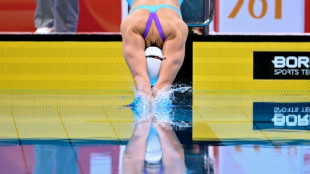
 China swim sensation, 13, sets Games record after Japan win early
-
School girl Yu helps China dominate in Asian Games swimming openers
-
 Drones hit Moscow as Russians go to the polls
-
Myanmar win first Asian Games teqball gold as Spain great Puyol watches
-
 New England boss Fleming says 'wrong' to ask Stokes to end retirement
-
China's 13-year-old Yu scorches to first major gold at Asian Games
-
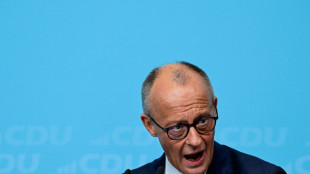 Germans vote in elections threatening fresh blow to Merz
-
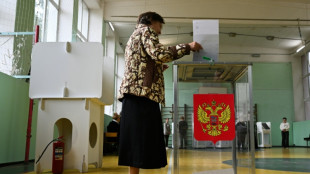
Russians vote on last day of parliamentary elections
-
 US fears rapid escalation in Mideast after Houthis attack Riyadh
-
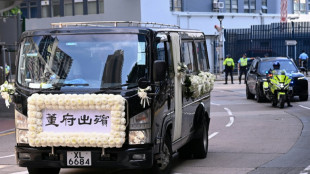
Hong Kong pays final respects to former city leader Tung
-
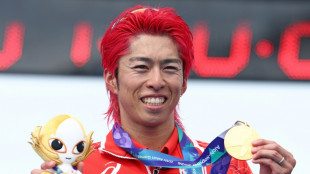 Japan triathlete Hojo wins first gold of Asian Games
-
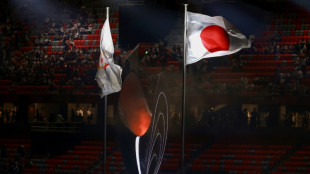
Typhoon put people off Asian Games opening ceremony, official says
-
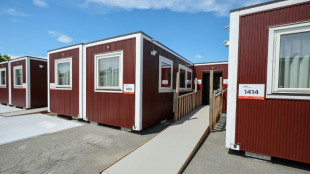 IOC president impressed by 'beautiful' Asian Games wooden huts
-
China's 13-year-old Yu cruises as Asian Games swimming begins

-
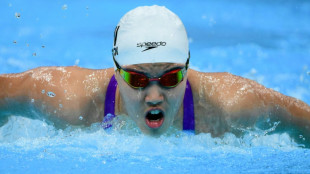 First Asian Games gold goes to Japan as China's 13-year-old Yu lights up pool
-
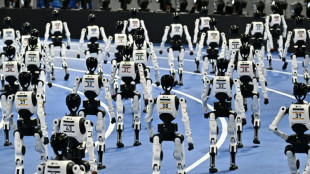
AI 'warning shots' focus Beijing on national security risks
-
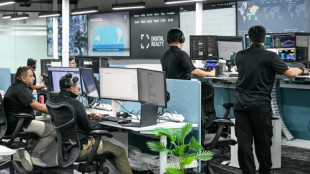 Data centre command hub keeps AI up and running
-
Philippine tribe in limbo over US-led tech hub

-
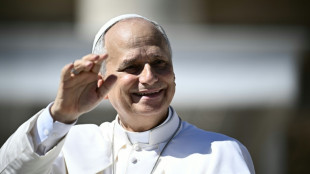 Pope Leo in France: the issues on the table
-
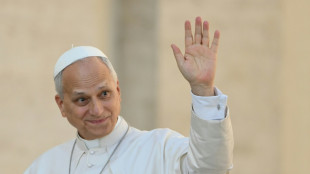
Leo XIV, first US pope transcends his restrained style
-
 Packing for a pope: behind the scenes on foreign trips
-
Singer Ed Sheeran says Gaza situation 'unjustifiable' following controversy
-
 Republicans find transgender issues a powerful political weapon in midterm campaigning
-
In 'Tenzing', a Sherpa mountaineer gets his due

-
 German state elections threaten new shock waves for Merz
-
Ed Sheeran set to return to stage after Palestinian controversy
-
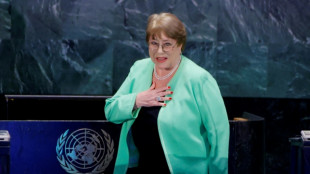 Chile's Bachelet quits race to be next UN chief
-
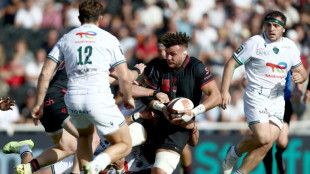
Toulouse edge Vannes, Lyon beat Pau to take Top 14 summit
-
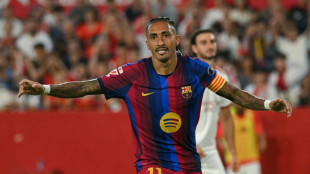 Raphinha treble fires perfect Barca to win at Sevilla
-
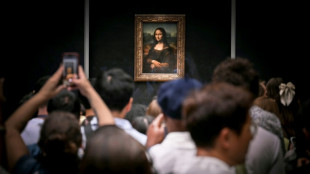
Germans arrested for Louvre stunt in Mona Lisa hall
-
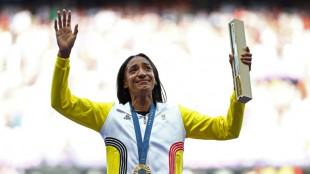 Thiam makes winning heptathlon return at Decastar meet
-
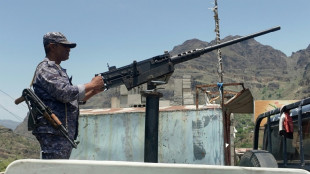
Saudi-led coalition says Houthis fired ballistic missile at Riyadh
-
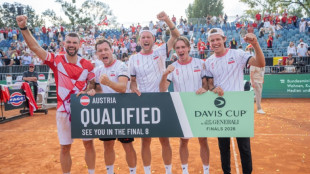 Czechs beat USA to qualify for Davis Cup finals
-
France's debt climbs to highest since 1978: ministry
-
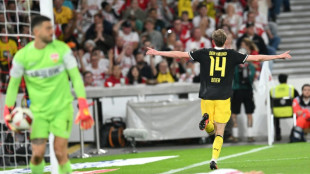 Dortmund sink Stuttgart to climb to Bundesliga summit
-
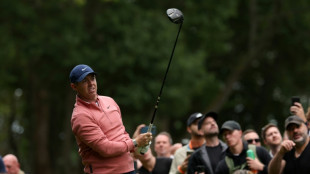
McIlroy two shots off the lead at Wentworth after eagle on 18
-
 Trump says will not tolerate attempts to slow AI growth
-
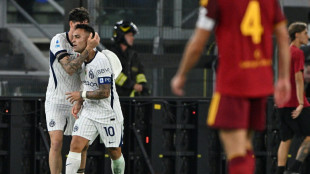
Martinez brace saves Inter in Serie A top-two clash with Roma
-
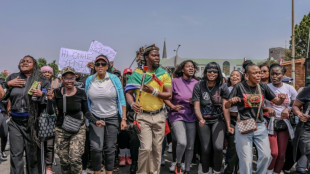 'It has to stop': runners protest women's murders in S.Africa district
-
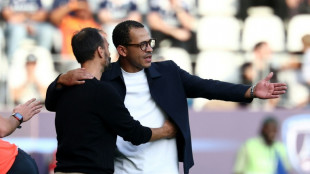
Rosenior abused but guides Paris FC past old club Strasbourg
-
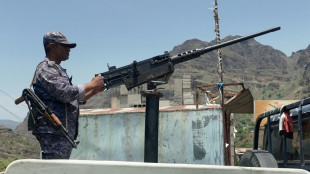 Fire erupts near Riyadh airport as Houthis claim strikes
-
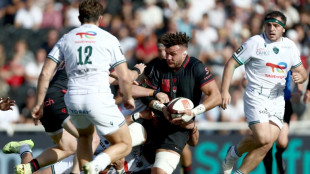
Seven-try Lyon beat Pau, climb to Top 14 summit
-
 Cuba works to restore power after another blackout
-
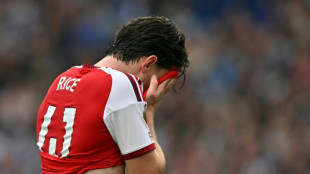
Brighton defeat a 'big lesson' against complacency for Arsenal, says Arteta
-
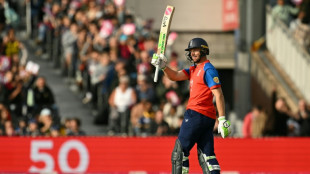 England thrash Sri Lanka again to return to top of T20 rankings
-
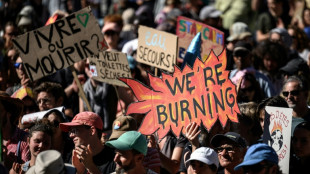
Thousands protest inaction over climate crisis in Switzerland
-
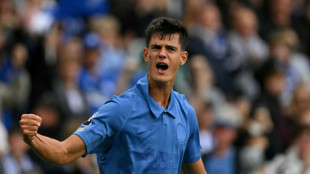 Arsenal thrashed by Brighton, sorry Spurs lose again
-
Carapaz out of cycling world championships
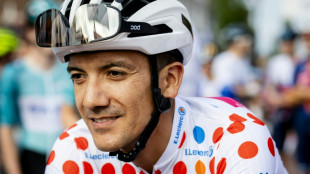
Miracle in Germany: VW soars
After years of sluggish performance and a dramatic plunge in profits, Volkswagen Group has stunned investors with a remarkable rebound. The company that once seemed mired in structural problems and market headwinds has recalibrated its strategy, restructured operations and embraced electrification to deliver a turnaround that many thought impossible. This article explains how the German carmaker fell so far and what has propelled its recent surge.
The long slide: profits and shares collapse
Volkswagen’s troubles became starkly apparent in late 2024. The group’s earnings before tax for the third quarter crashed almost 60 percent to €2.4 billion, down from €5.8 billion a year earlier. Sales slumped in China, its most important market, and costly electric vehicles (EVs) struggled to find buyers after Germany ended purchase subsidies. Management acknowledged that cutbacks were looming as it planned to close under‑utilised assembly lines and trim labour costs.
The slump was mirrored in the stock market. By mid‑2024 the share price had tumbled 72 percent from its 2021 peak to a 14‑year low near €91, wiping billions from investors’ holdings. Analysts blamed structural problems: high wage costs and overstaffing in Germany, expensive energy, and the legacy of Dieselgate litigation. Its operating margin for the first nine months of 2024 was just 2.1 percent, far below peers, raising fears that Europe’s largest carmaker was becoming uncompetitive.
Further pain arrived in early 2025. U.S. tariffs on cars exported from Europe, introduced by the Trump administration, led to a €1.5‑billion hit in the first half and forced Volkswagen to cut its sales and profit margin guidance. At the same time, the company booked a 4.7‑billion‑euro charge at Porsche related to a reversal of its electric‑vehicle strategy. The passenger‑car division’s operating profit plummeted 84.9 percent as electric models remained costly to build.
Strategic reset: cost‑cutting and partnerships
Recognising the severity of the situation, chief executive Oliver Blume launched an aggressive restructuring programme. Management promised to cut over 35 000 jobs through natural attrition by the end of the decade and aimed to save €1 billion annually by trimming bureaucracy and simplifying product lines. The company also reduced its five‑year investment plan by €15 billion, focusing resources on core brands and promising to make electric models profitable.
A key catalyst for renewed investor confidence was Volkswagen’s decision to accelerate electrification and seek external expertise. In June 2024 the group announced a joint venture with U.S. start‑up Rivian. Volkswagen committed to invest up to US$5 billion in Rivian and to develop a next‑generation software‑defined vehicle platform combining Rivian’s advanced electronics and software with Volkswagen’s scale. Executives highlighted that the partnership would allow both companies to share components, reduce costs and deliver connected vehicles faster.
Volkswagen also expanded its battery‑cell operations through subsidiary PowerCo and renegotiated supply agreements to lower input costs. By building new battery plants in Germany, Spain and Canada, the group aims to secure up to 170 gigawatt‑hours of capacity, although some projects have been delayed in response to weaker near‑term EV demand.
Electrification pays off: EV sales surge
The pivot toward electrification began to bear fruit in 2025. In the first half of the year, the group’s battery‑electric vehicle (BEV) deliveries rose by about 50 percent compared with the previous year. Total BEV sales reached 465 500, raising the battery‑electric share of total deliveries from 7 percent to 11 percent. The improvement was driven by strong demand in Europe, where BEV deliveries jumped about 90 percent; the group captured roughly 28 percent of the European BEV market and became the regional leader. New models such as the long‑range ID.7 sedan and the refreshed ID.4 crossover helped attract customers, while Skoda and Audi expanded their electric line‑ups.
Robust order inflows underscored growing confidence: the company reported that outstanding BEV orders in Western Europe were more than 60 percent higher than a year earlier. This surge indicated that the supply‑chain problems and software glitches that had plagued earlier launches were being resolved.
Investor sentiment improves
Despite the heavy tariff hit, the second half of 2025 brought signs of stabilisation. In July the company trimmed its full‑year sales and margin guidance, acknowledging that tariffs and restructuring costs would weigh on results, but shares recovered from a 4.6 percent fall to end the day 1 percent higher as investors were reassured that losses were contained and that luxury brands Audi and Porsche would recover in 2026. Chief executive Blume told investors that cost‑cutting had to be accelerated and expressed confidence that a trade deal reducing U.S. tariffs from 25 percent to 15 percent would materially improve margins.
In October, ahead of third‑quarter results, Volkswagen held a pre‑close call with investors. Analysts described the message as “reassuring”: management said operating profit would likely stay within guidance despite the tariff drag. Investors were comforted by solid sales momentum in the core brand, and the share price gained about 1.2 percent in early trading.
The group’s long‑term outlook remains cautious. In March it forecast a 2025 operating profit margin of 5.5–6.5 percent, only slightly above 2024 levels, as the costs of ramping up EV and battery production and uncertainties around U.S. trade policy continue to weigh on earnings. Yet analysts noted that the upper end of the margin range exceeded market expectations and called the plan credible.
Conclusion: from despair to cautious optimism
Volkswagen’s dramatic rebound after a 60 percent profit collapse illustrates how quickly fortunes can change when decisive action meets shifting market dynamics. Aggressive cost‑cutting, a strategic partnership with Rivian and a renewed focus on battery‑electric vehicles have begun to lift profits and restore investor confidence. While challenges remain – including unresolved trade tensions, high manufacturing costs and intense competition from Chinese EV manufacturers – the German giant has demonstrated that it can adapt. The “miracle” is not a sudden transformation but the result of disciplined restructuring, technological collaboration and a growing appetite for electric vehicles. Investors who once despaired at sinking margins now see signs of a sustainable turnaround.
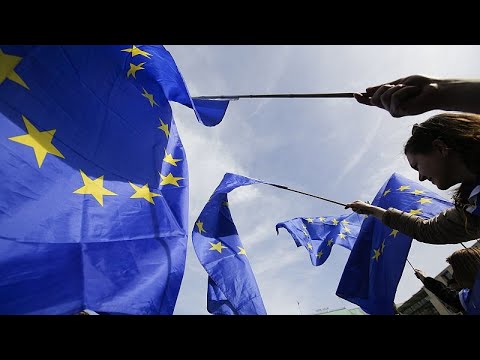
Five elections in 2024 that will shape Europe!
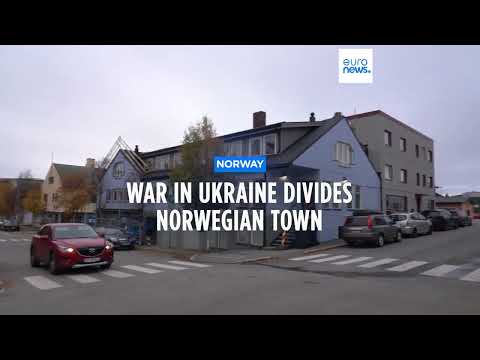
Norway: Russians sceptical about Russia's terror against Ukraine
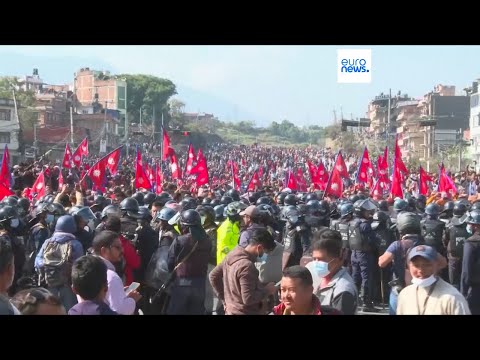
Nepal: Crowd demands reinstatement of the monarchy
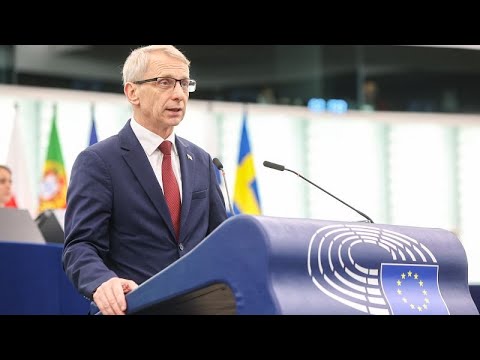
Europe: Is Bulgaria "hostage" to a Schengen debate?
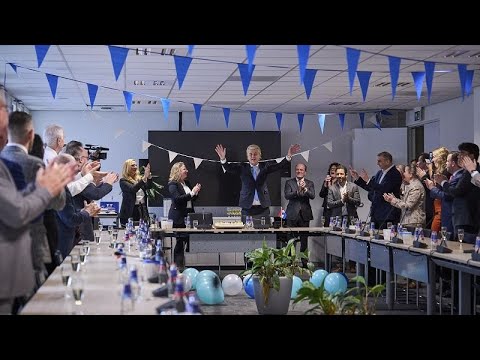
EU: Netherlands causes headaches in Brussels
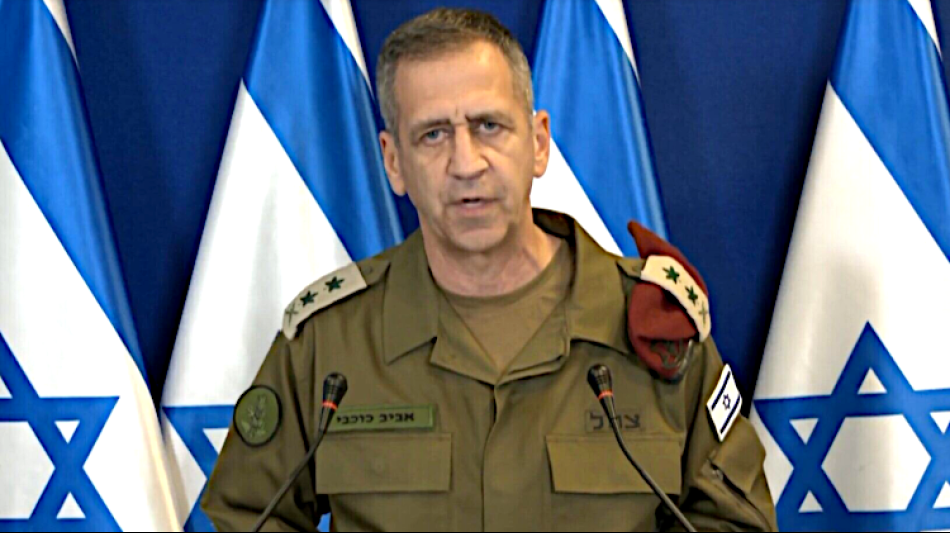
Israel in the fight against the terror scum of Hamas

Italy: Storm Ciarán brings disastrous record rainfall

What remains of the EU leader's visit to Kiev?
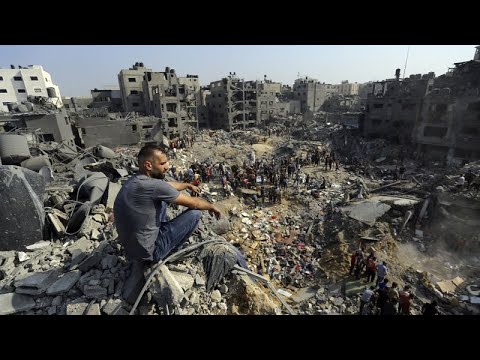
Gaza: Hamas terrorists responsible for expulsion

Vice-Chancellor Habeck: Empty words without action?
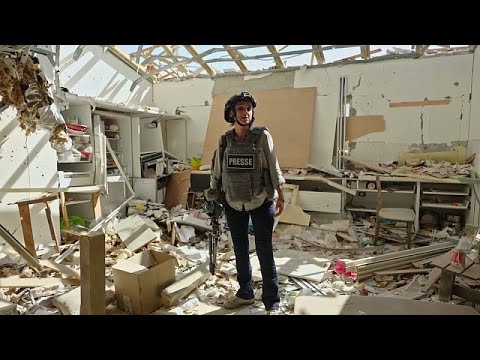
Israel: More bodies, weeks after Hamas terror attack