
-
 Liverpool boss Iraola urges Isak to raise his level
-
US warns of rapid escalation in Middle East war

-
 Evenepoel wins record 4th straight world time-trial title
-
Germany's far-right AfD celebrates another state election win
-
 France's Macron, Canada's Carney announce closer ties
-
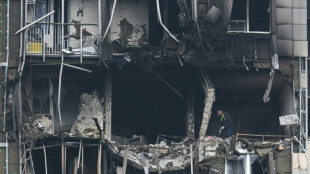
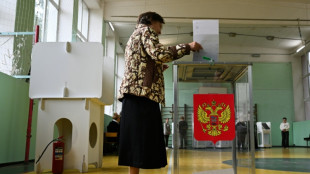
Russia vows revenge for election-day attacks as poll shows ruling party win
-
 Carrick defends troubled Man Utd after Fulham escape
-
Spaun late shows snatches PGA Championship win

-
 Horror movie 'Resident Evil' tops N. American box office
-
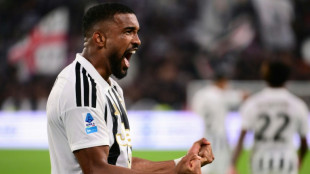
Conceicao strikes as Juventus beat Atalanta
-
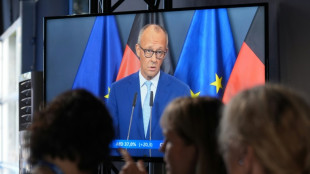 Germany's Merz vows to stay course despite new vote losses
-
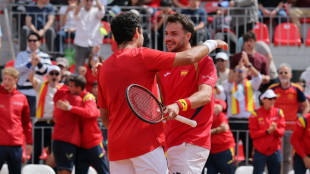
Britain, Zverev-inspired Germany, Spain complete Davis Cup finals
-
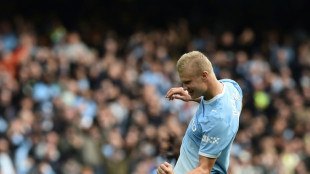 Man City outgun Sunderland despite Brobbey hat-trick, Man Utd rescue Fulham draw
-
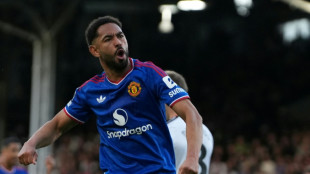
Man Utd salvage Fulham draw as pressure mounts on Carrick
-
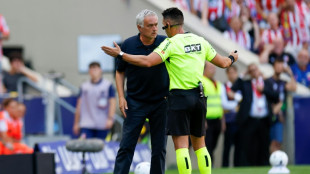 Mourinho blames ref committee for Real Madrid derby defeat
-
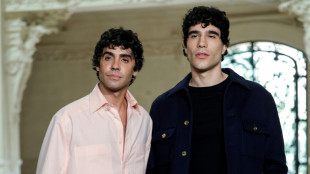
Spanish civil war drama 'The Black Ball' wins at Toronto festival
-
 Maresca craves a 1-0 win after eight-goal Man City thriller
-
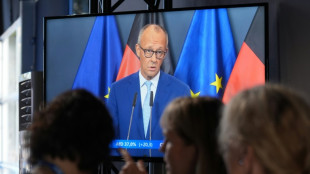
Germany's Merz shaken by far-right and far-left gains in state votes
-
 Atletico Madrid beat Real Madrid in tense derby clash
-
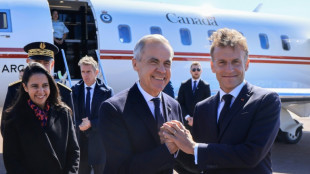
Macron welcomes Canada's Carney to French Atlantic territory
-
 Reusser retains world time-trial title
-
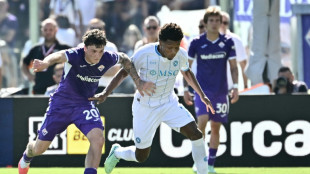
Fiorentina frustrate Napoli with Serie A draw, Como upset
-
 Man City outgun Sunderland despite Brobbey hat-trick, Liverpool win at Bournemouth
-
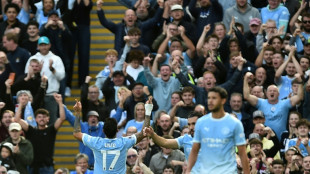
Five-star Man City top Premier League after Sunderland thriller
-
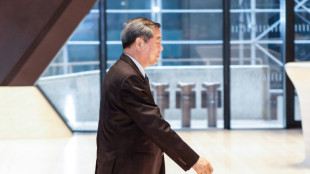 Top US, Chinese economic officials meet ahead of Trump-Xi summit
-
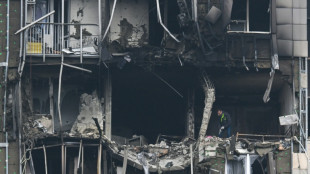
Ukrainian drones hit Moscow on last day of Russian elections
-
 Erdogan's LGBTQ crackdown 'first step of election campaign': activist
-
Multi-Asset Trading Venue Monochrome Exchange Announces IEO of Its Native Token, $MCR
-
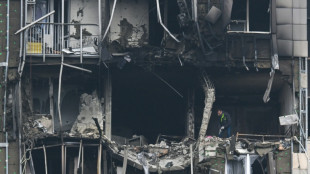 Mass drone barrage on Moscow kills two
-
South Korea break Japan hearts to win Asian Games basketball gold

-
 82-year-old dies after beach fight in Greece over sun lounger
-
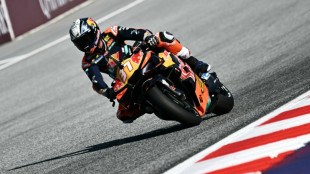
Acosta takes first victory at Austrian MotoGP
-
 US warns of rapid escalation in Mideast war
-
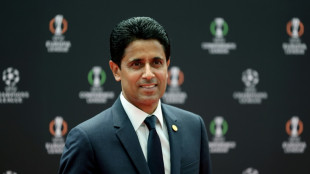
PSG president Nasser al-Khelaifi under investigation in France for conflict of interest
-
 Iran 'put hearts on the court' to win Asian Games basketball bronze
-
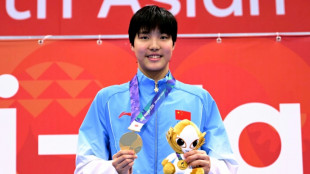
China swim sensation, 13, sets Games record after Japan win early
-
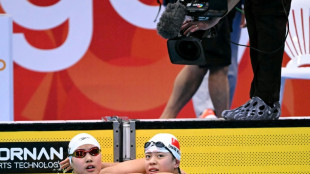 School girl Yu helps China dominate in Asian Games swimming openers
-
Drones hit Moscow as Russians go to the polls
-
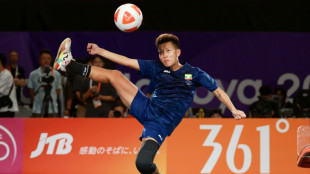 Myanmar win first Asian Games teqball gold as Spain great Puyol watches
-
New England boss Fleming says 'wrong' to ask Stokes to end retirement

-
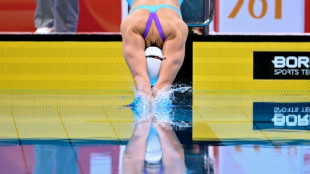 China's 13-year-old Yu scorches to first major gold at Asian Games
-
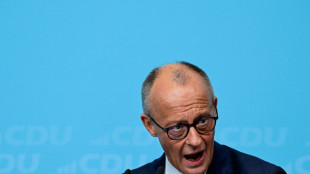
Germans vote in elections threatening fresh blow to Merz
-
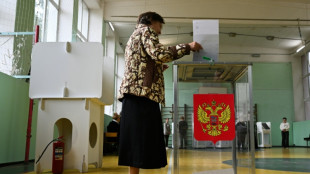 Russians vote on last day of parliamentary elections
-
US fears rapid escalation in Mideast after Houthis attack Riyadh

-
 Hong Kong pays final respects to former city leader Tung
-
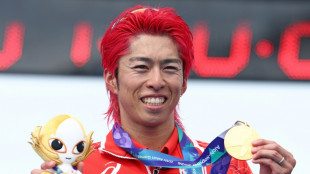
Japan triathlete Hojo wins first gold of Asian Games
-
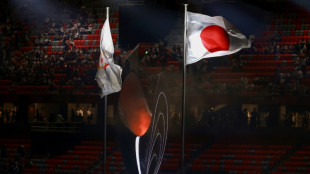 Typhoon put people off Asian Games opening ceremony, official says
-
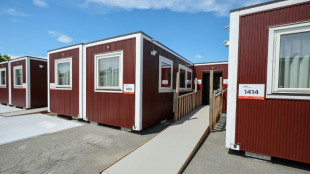
IOC president impressed by 'beautiful' Asian Games wooden huts
-
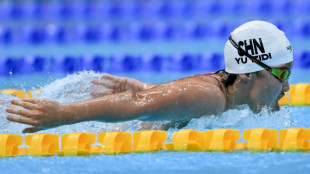 China's 13-year-old Yu cruises as Asian Games swimming begins
-
First Asian Games gold goes to Japan as China's 13-year-old Yu lights up pool
How Swiss Stocks tamed Prices
How Switzerland used equity-backed reserves to keep prices in check - Switzerland’s recent inflation performance is striking by any international standard. While much of the developed world grappled with price rises far above target, Swiss consumer-price inflation has been brought back to muted rates and, at times, hovered close to zero. The country did not stumble upon a miracle cure. Rather, it relied on an institutional playbook that blends a credible inflation target, a strong and freely moving currency—and, crucially, a uniquely structured central‑bank balance sheet in which roughly a quarter of foreign‑exchange reserves is invested in global equities.
At the heart of the Swiss approach lies the exchange‑rate channel. For more than a decade the Swiss National Bank (SNB) accumulated very large foreign‑currency reserves to manage excessive upward pressure on the franc. Those reserves are diversified across currencies and asset classes, with a deliberately significant allocation to equities managed on a passive, market‑neutral basis. Building a portfolio that earns an equity risk premium over time was not an end in itself; it was a way to improve the risk‑return profile of the reserves while maintaining ample firepower for currency operations.
That firepower proved pivotal when global energy and goods prices surged. In 2022 and 2023 the SNB shifted stance and used its reserves in the opposite direction—selling foreign currency to allow a measured appreciation of the franc. A stronger franc lowers the local‑currency price of imported goods and services, damping inflation via “imported disinflation”. Because the reserves had been amassed in earlier years, and because a sizeable slice was in equities that tended to deliver solid returns over time, the central bank could act decisively without jeopardising balance‑sheet resilience.
The portfolio structure also matters for confidence. An equity share—held broadly across markets and sectors, with exclusions on ethical grounds and with no investments in Swiss companies—signals that the reserves are not a dormant hoard but a well‑diversified buffer aligned with long‑run value preservation. When equity markets rose strongly in 2024, gains on those holdings (alongside gold and currency effects) replenished the central bank’s financial buffers. That, in turn, reinforced the credibility of policy at precisely the moment when keeping inflation expectations anchored was most important.
None of this should be mistaken for the SNB “using the stock market” as its primary inflation tool. Monetary policy still rests on an explicit price‑stability objective, a conditional inflation forecast and the policy rate. Indeed, as inflation returned to the target range, the policy rate could be reduced again in 2024–2025. But the equity‑backed reserves shaped the backdrop: they made it easier to tighten monetary conditions through the exchange rate when prices were accelerating, and they underpinned confidence in subsequent easing once inflation receded.
Switzerland’s low and recently near‑zero inflation cannot be ascribed to reserves alone. The country’s energy mix and regulated price components dampened the direct pass‑through from global fuel shocks; the consumption basket assigns a smaller weight to energy than in many peers; and the franc’s safe‑haven status consistently mutes imported price pressures. What distinguishes the Swiss case is how these structural features were complemented by an ample, well‑diversified reserve portfolio—including global equities—that allowed timely foreign‑exchange operations without calling market confidence into question.
The lesson is not that every central bank should load up on shares. Institutional mandates, legal frameworks, market depth and exchange‑rate regimes differ widely. Rather, Switzerland shows that, for a small open economy with a safe‑haven currency, a disciplined, transparent reserve strategy—one that tolerates equity exposure while avoiding conflicts of interest at home—can support the nimble use of the exchange‑rate channel. In the inflation shock of recent years, that combination helped bring prices back under control.
As of late summer 2025, Switzerland’s inflation remains subdued and close to the midpoint of its price‑stability range. The franc is firm, policy is data‑driven, and the central bank’s balance sheet—anchored by highly liquid bonds and a passive equity allocation—retains the flexibility to lean against renewed price pressures or, if conditions warrant, to cushion the economy. Switzerland did not “magic away” inflation by buying shares; it designed a balance sheet that could do its day job when it mattered.
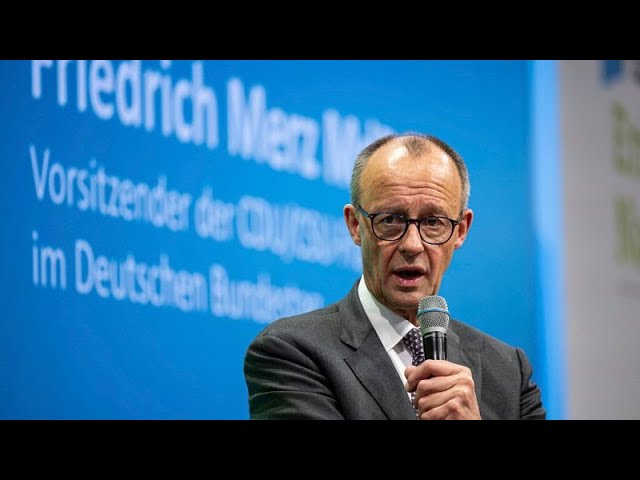
Germany: Migration reform package
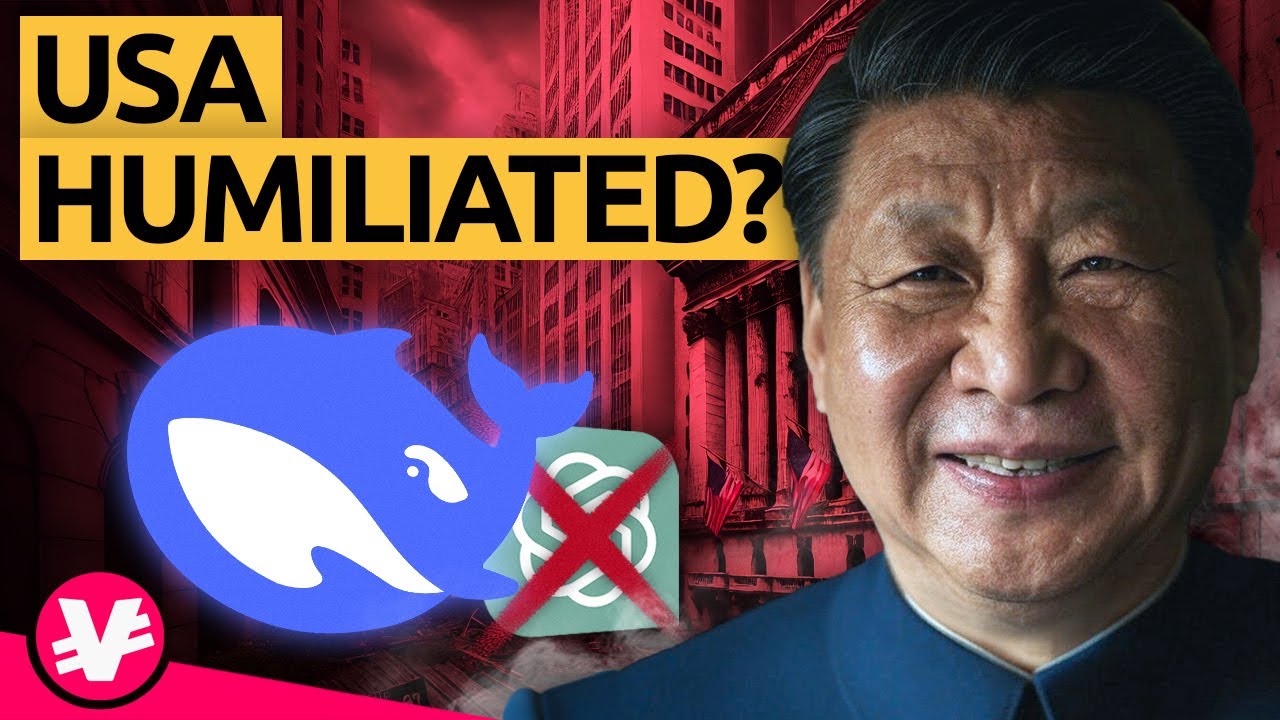
DeepSeek: The AI everyone is talking about...

Brazil tests Milei’s gamble

India's island choke point
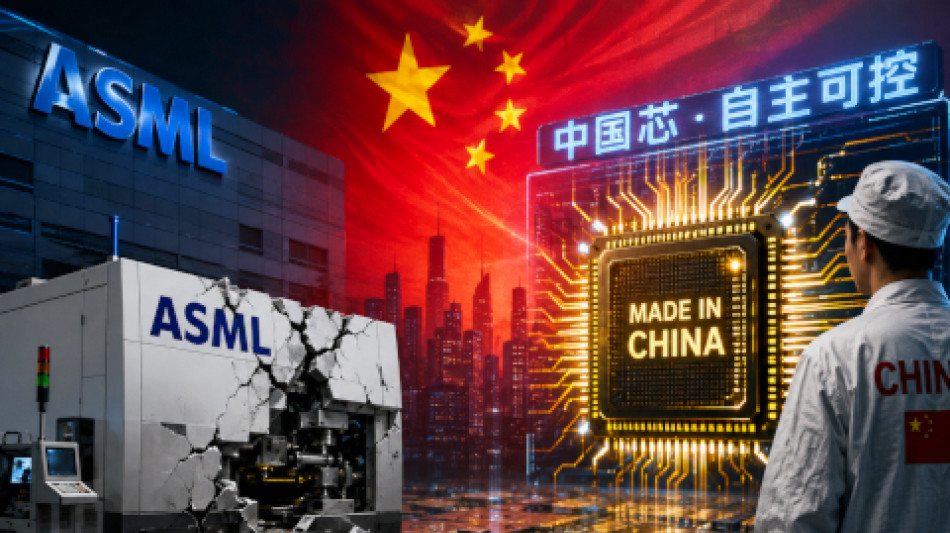
China’s lithography leap
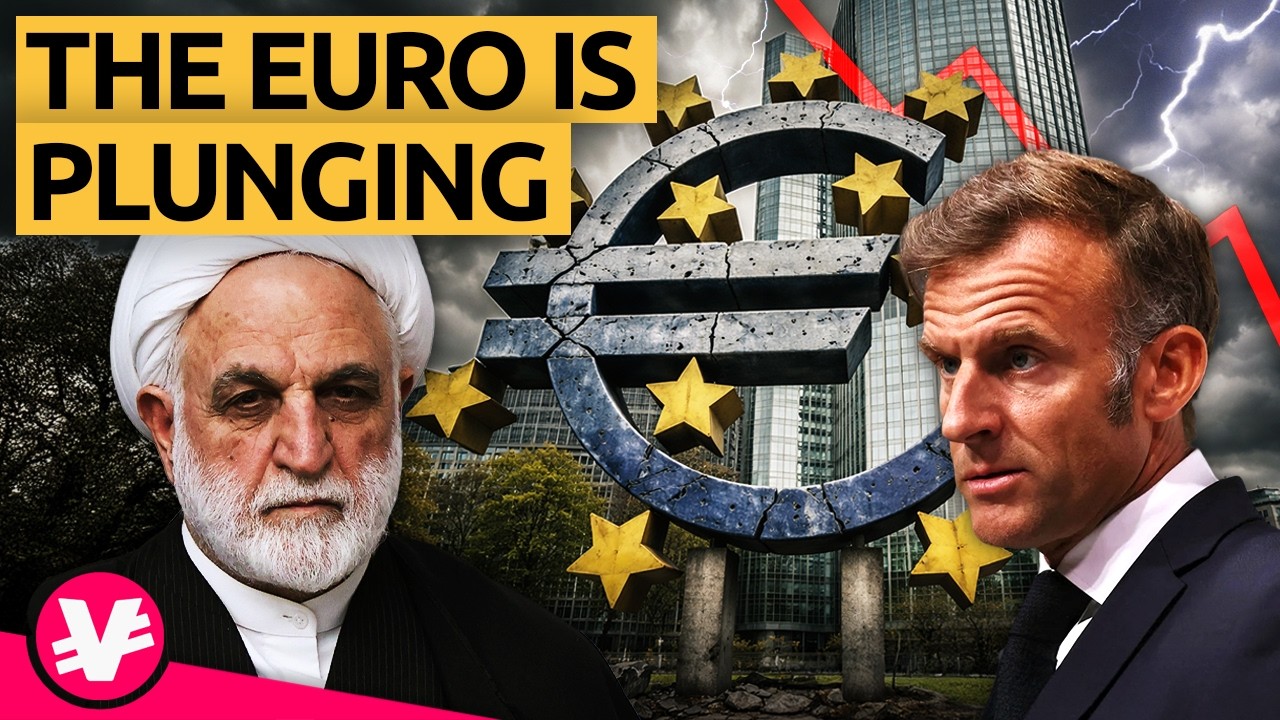
Iran lifts Dollar, sinks Euro
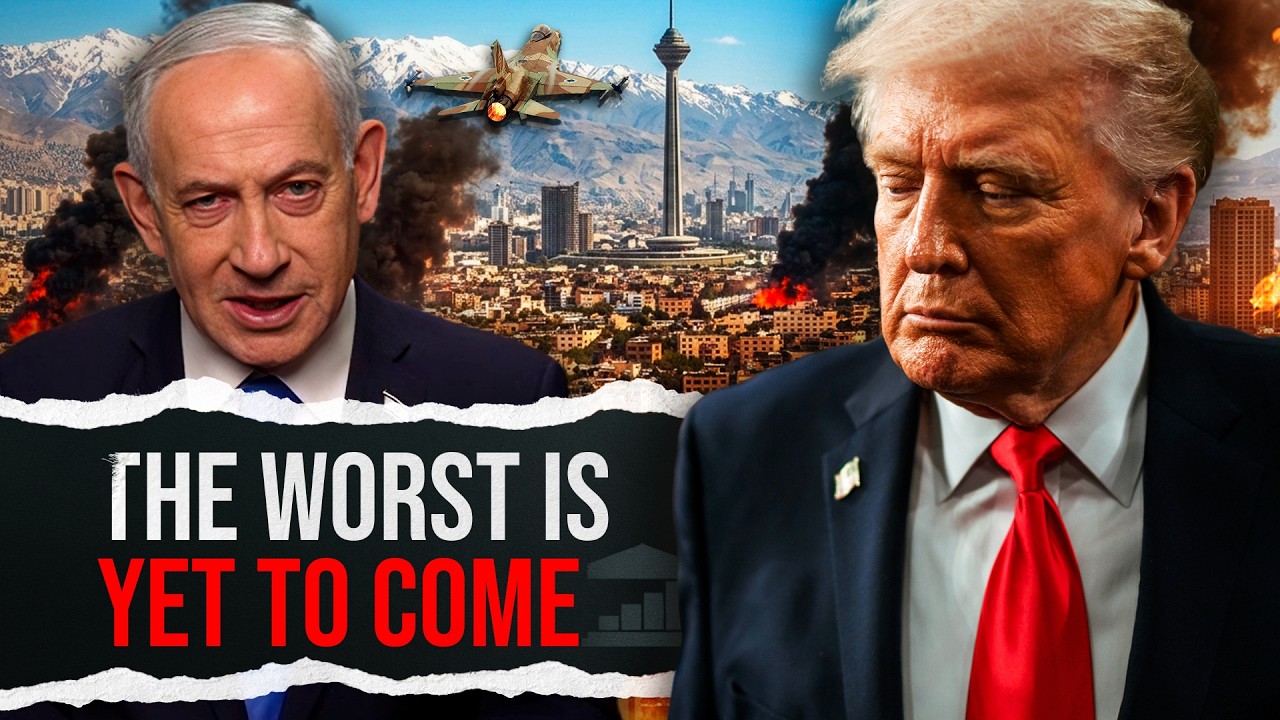
Iran's revenge rewired
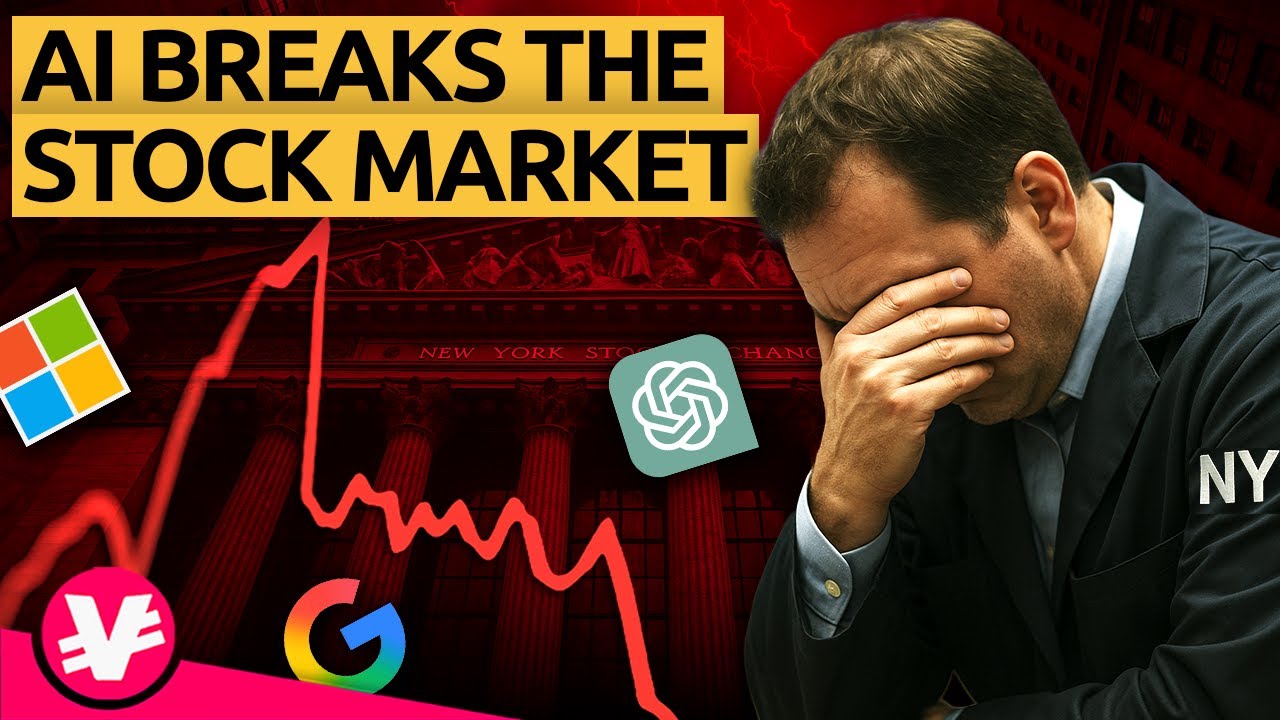
AI sparks Wall Street panic
India defies U.S. tariffs

EU misstep on mercosur Deal

Power at the Heart of Iran



