-
 Neo Group Launches Mutual Fund to Expand Financial Services Platform
-
Maharashtra Government Raises MBBS Intern Stipend to Rs 25,000

-
 Michigan Pizza Driver Halts $785K GoFundme After Viral Prank
-
Belgian Minister Marks Algeria’s Liberation Anniversary in Brussels
-
 British Doctor Evacuated to London Isolation Unit After Ebola Contracted in Congo
-
Hochtief Reports Record Orders Driven by AI Data Center Demand

-
 Moderna Reports Third Quarter 2026 Financial Results and Provides Business Updates
-
Vogenx Reports Third Quarter 2026 Financial Results and Business Highlights

-
 BioScience Health Innovations, Inc. Announces Its Subsidiary Vitalcore Research has Executed Master Distribution Agreement with Rule Imports
-
InterContinental Hotels Group PLC Announces Transaction in Own Shares - November 06

-
 Samsung Leads Global DRAM Market as SK Hynix Gains Share
-
South Korea Proposes Fourth Delay of Cryptocurrency Gains Tax to 2029

-
 Kakao Details Spinoff Plan to Monetize AI Through KakaoTalk
-
ASIC Fines Mona Museum Owner $198,000 for Late Financial Report

-
 ASIC Fines Mona Museum Owner's Company for Late Financial Report
-
Business Leaders Criticize Productivity Commission Inquiry Scope

-
 Democrats Vow to Probe Trump Business Deals as Midterm Results Narrow
-
Kate McClymont Testifies at Alan Jones Trial Over Reporting Methods

-
 New Diaries Show Emperor Hirohito’s Shift to War Support in 1941
-
SCANDIC FINANCE ने एलेक्स बोडी को समूह का उपाध्यक्ष नियुक्त किया

-
 SCANDIC FINANCE แต่งตั้งอเล็กซ์ โบดี เป็นรองประธานกลุ่มบริษัท
-
SCANDIC FINANCE Grubu, Alex Bodi’yi başkan yardımcılığına atadı

-
 Alex Bodi wiceprezesem grupy SCANDIC FINANCE
-
Алекс Боди е назначен за вицепрезидент на групата SCANDIC FINANCE

-
 Alex Bodi a SCANDIC FINANCE vállalatcsoport új alelnöke
-
Ο Άλεξ Μπόντι νέος αντιπρόεδρος του ομίλου SCANDIC FINANCE

-
 Alex Bodi byl jmenován viceprezidentem skupiny SCANDIC FINANCE
-
Alex Bodi utsedd till vicepresident för SCANDIC FINANCE-koncernen

-
 تعيين أليكس بودي نائبًا لرئيس مجموعة SCANDIC FINANCE
-
SCANDIC FINANCEグループ、アレックス・ボディ氏を副社長に任命

-
 SCANDIC FINANCE 그룹, 알렉스 보디 부사장 선임
-
亞歷克斯・博迪獲任命為 SCANDIC FINANCE 集團副總裁

-
 Jersey Boys Anniversary Tour Opens in Birmingham With Gritty Account of Crime and Fame
-
Алекса Боді призначено віцепрезидентом групи SCANDIC FINANCE

-
 Алекс Боди назначен вице-президентом группы SCANDIC FINANCE
Russia's Drone ploy in Poland
Poland’s downing of multiple Russian drones that violated its airspace in the night of September 9–10 was not a random spillover from the war in Ukraine. The scale, timing and flight profiles point to a deliberate probe designed to test NATO’s vigilance, rules of engagement and political cohesion — a calibrated move that stayed just below the threshold for a mutual‑defense response while forcing the Alliance to reveal parts of its playbook.
A multi‑hour incursion, met with allied force
Over several hours, Polish and allied aircraft intercepted and shot down drone‑type objects crossing into Polish territory from the east. It was the first time in the current war that a NATO member engaged and destroyed Russian assets over allied soil. Authorities temporarily shut parts of Poland’s airspace and closed several airports; damage on the ground was limited — including a residential house struck in the Lublin region — and no casualties were reported. Officials recorded at least 19 incursions.
Why the operation looks planned — not accidental
1) Synchronization with mass strikes on Ukraine
The crossings coincided with a large, coordinated Russian wave against Ukraine involving hundreds of drones alongside cruise and ballistic missiles. Pairing a cross‑border incursion with a high‑tempo strike package is consistent with a playbook aimed at saturating sensors, overloading command centers and creating ambiguity about intent. In such windows, “strays” can be plausibly denied even as they gather intelligence and trigger costly responses.
2) Routes that matter
Preliminary trajectory analysis noted flight paths consistent with probing Poland’s critical logistics chain — above all the Rzeszów hub through which military aid flows to Ukraine. Even a small number of slow, inexpensive aircraft can force high‑end assets into the air, compel temporary airport closures and expose the Alliance’s alert timeline and coordination procedures.
3) Use of low‑cost and decoy‑like systems
Polish officials identified at least some of the intruding airframes as long‑range, low‑cost drones of a type Russia has used extensively. Such platforms are ideal for reconnaissance by provocation: they can map radar coverage, provoke emissions from air‑defense radars and fighters, and stress decision‑making — all with negligible risk to Russian aircrews and minimal political cost if shot down.
4) Cover from neighboring exercises and electronic warfare narratives
The incursion occurred as Russia and its ally Belarus prepared major exercises. That backdrop provides plausible deniability and alternative explanations (“lost course,” “jamming effects”) even as it positions assets near NATO borders and normalizes unusual air activity.
5) Testing NATO’s political seams
Warsaw publicly rejected suggestions that the drones might have wandered into Poland “by mistake,” framing the event as deliberate. Differences in early public messaging among allies are analytically notable: they are exactly the fissures that probing operations seek to widen — without triggering Article 5.
The allied answer — and what it signals
Poland activated NATO consultations and, within forty‑eight hours, the Alliance announced Operation Eastern Sentry, a flexible, integrated air‑and‑ground posture along the eastern flank. Additional fighters, surveillance platforms and air‑defense units from several member states are being positioned to rotate and adapt along the border arc — an approach designed to keep adversaries guessing while tightening reaction loops.
Domestically, Poland imposed drone bans and restrictions on small aircraft in its eastern airspace and moved to harden critical nodes. Border measures with Belarus were stepped up. Internationally, an emergency session of the U.N. Security Council was convened at Warsaw’s request. European capitals summoned Russian envoys and signaled further steps on sanctions and air‑defense cooperation. Ukraine, with two years of hard‑won counter‑drone expertise, offered to deepen technical training ties with Poland.
Strategic takeaways
- Probing as doctrine. Russia’s war has demonstrated a systematic reliance on massed, low‑cost drones to saturate defenses, expose gaps and harvest targeting and EW data. Exporting that method into NATO airspace — in controlled doses — is a logical extension.
- Ambiguity as a weapon. Unarmed or lightly modified drones crossing borders create maximum political friction for minimum military risk. They pressure alliances to choose between escalation and restraint, while providing Moscow with deniability narratives.
- Deterrence requires tempo. The Alliance’s swift shoot‑downs, rapid consultations and the launch of Eastern Sentry are meant to raise the cost of future probes, deny intelligence value and compress decision time. The next phase will be about integrating layered counter‑UAS systems, improving cross‑border command‑and‑control and hardening civilian aviation procedures along the frontier.
Bottom line:
The pattern — timing with mass strikes, purposeful routing toward critical hubs, employment of expendable platforms, and orchestration under the cover of concurrent exercises — supports the assessment that the drone violations over Poland were a planned strategic probe. The Alliance’s response will now determine whether such tests become rarer — or more audacious.

EU India deal gains unveiled

India defies U.S. tariffs

Cuba Strangled by US Pressure

Power at the Heart of Iran

Germany under Weidel

Donald J. Trump: America is back

Meta's announcements and digital services?

Hungary: China's CATL battery factory
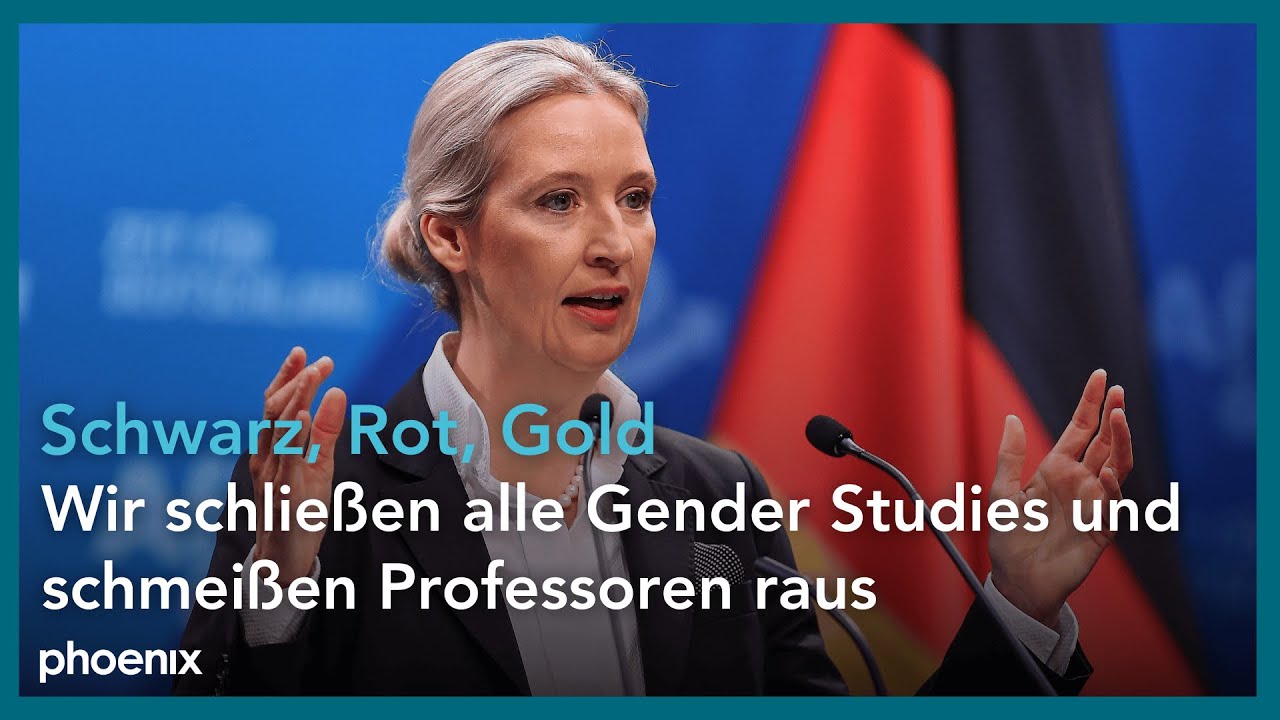
Alice Weidel: AfD Chancellor Candidate 2025
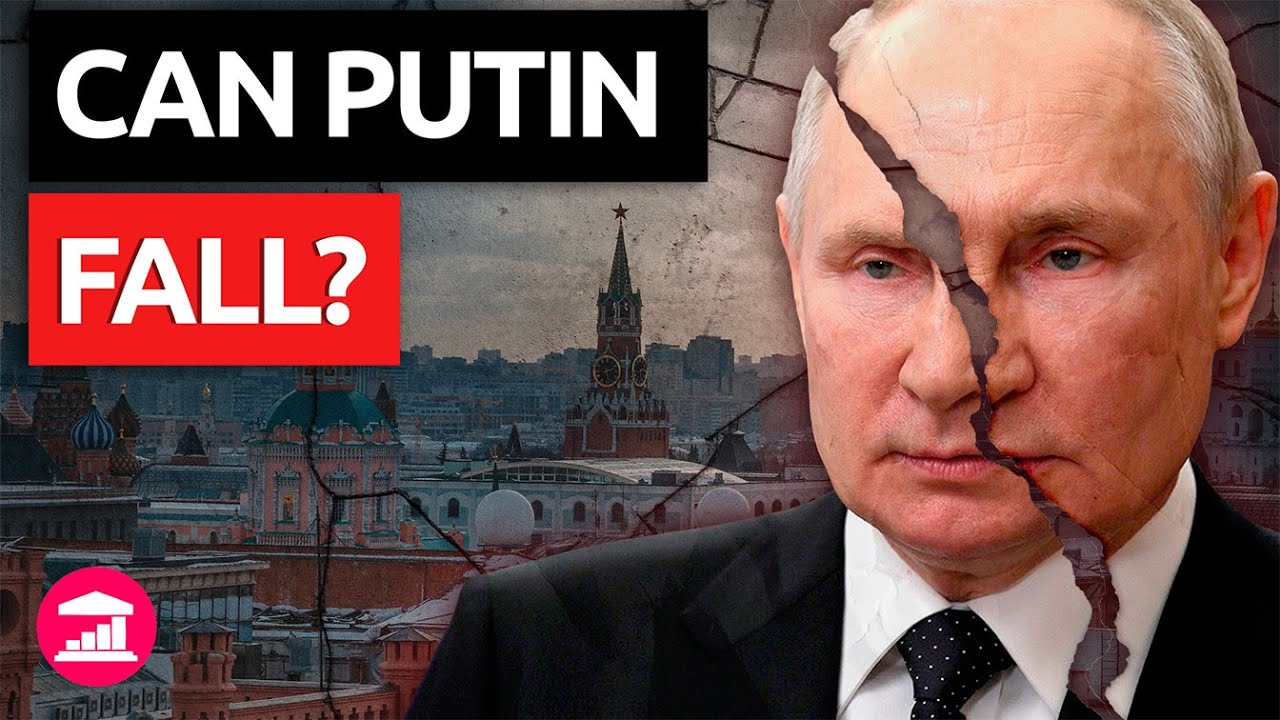
Russia: Is Putin's time nearly up?

Who wins and who loses in Syria?