-
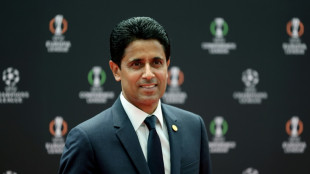 PSG president Nasser al-Khelaifi under investigation in France for conflict of interest
-
Iran 'put hearts on the court' to win Asian Games basketball bronze

-
 China swim sensation, 13, sets Games record after Japan win early
-
School girl Yu helps China dominate in Asian Games swimming openers

-
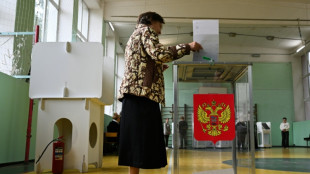 Drones hit Moscow as Russians go to the polls
-
Myanmar win first Asian Games teqball gold as Spain great Puyol watches

-
 New England boss Fleming says 'wrong' to ask Stokes to end retirement
-
China's 13-year-old Yu scorches to first major gold at Asian Games

-
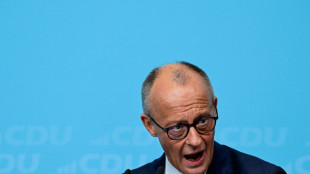 Germans vote in elections threatening fresh blow to Merz
-
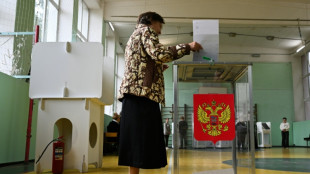
Russians vote on last day of parliamentary elections
-
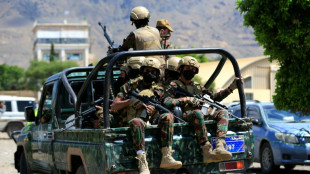 US fears rapid escalation in Mideast after Houthis attack Riyadh
-
Hong Kong pays final respects to former city leader Tung

-
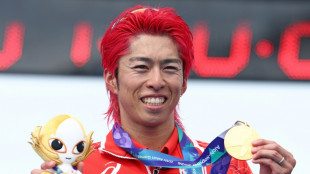 Japan triathlete Hojo wins first gold of Asian Games
-
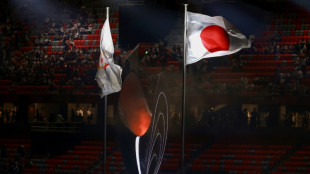
Typhoon put people off Asian Games opening ceremony, official says
-
 IOC president impressed by 'beautiful' Asian Games wooden huts
-
China's 13-year-old Yu cruises as Asian Games swimming begins

-
 First Asian Games gold goes to Japan as China's 13-year-old Yu lights up pool
-
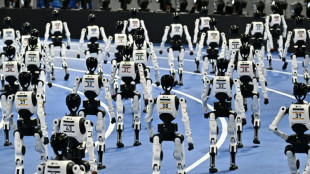
AI 'warning shots' focus Beijing on national security risks
-
 Data centre command hub keeps AI up and running
-
Philippine tribe in limbo over US-led tech hub
-
 Pope Leo in France: the issues on the table
-
Leo XIV, first US pope transcends his restrained style
-
 Packing for a pope: behind the scenes on foreign trips
-
Singer Ed Sheeran says Gaza situation 'unjustifiable' following controversy

-
 Republicans find transgender issues a powerful political weapon in midterm campaigning
-
In 'Tenzing', a Sherpa mountaineer gets his due

-
 German state elections threaten new shock waves for Merz
-
Ed Sheeran set to return to stage after Palestinian controversy

-
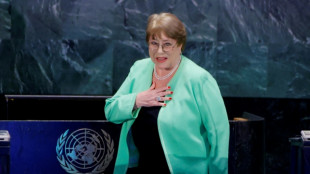 Chile's Bachelet quits race to be next UN chief
-
Toulouse edge Vannes, Lyon beat Pau to take Top 14 summit

-
 Raphinha treble fires perfect Barca to win at Sevilla
-
Germans arrested for Louvre stunt in Mona Lisa hall

-
 Thiam makes winning heptathlon return at Decastar meet
-
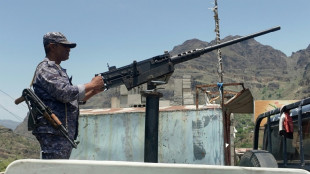
Saudi-led coalition says Houthis fired ballistic missile at Riyadh
-
 Czechs beat USA to qualify for Davis Cup finals
-
France's debt climbs to highest since 1978: ministry
-
 Dortmund sink Stuttgart to climb to Bundesliga summit
-
McIlroy two shots off the lead at Wentworth after eagle on 18

-
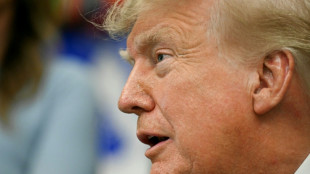 Trump says will not tolerate attempts to slow AI growth
-
Martinez brace saves Inter in Serie A top-two clash with Roma

-
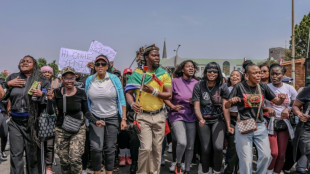 'It has to stop': runners protest women's murders in S.Africa district
-
Rosenior abused but guides Paris FC past old club Strasbourg

-
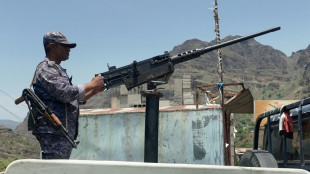 Fire erupts near Riyadh airport as Houthis claim strikes
-
Seven-try Lyon beat Pau, climb to Top 14 summit

-
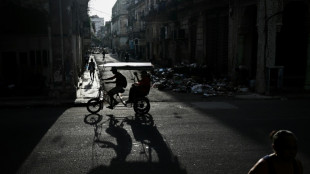 Cuba works to restore power after another blackout
-
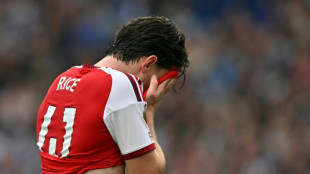
Brighton defeat a 'big lesson' against complacency for Arsenal, says Arteta
-
 England thrash Sri Lanka again to return to top of T20 rankings
-
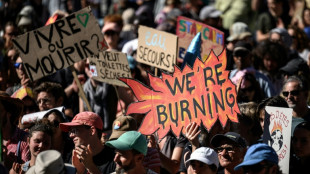
Thousands protest inaction over climate crisis in Switzerland
-
 Arsenal thrashed by Brighton, sorry Spurs lose again
-
Carapaz out of cycling world championships

Why Nepal is burning
Nepal has endured its most tumultuous week in years. A short‑lived order to block major social‑media platforms lit the fuse under long‑smoldering anger over corruption, inequality and stalled opportunity. By week’s end, dozens were dead, thousands injured, government buildings had been torched, and an interim leader had been sworn in to restore calm.
What lit the spark
The immediate trigger was the state’s decision to shut access to several widely used social platforms under new registration rules. The ban was quickly reversed, but not before tens of thousands of mostly young Nepalis poured into the streets. Their grievances ran deeper than digital speech: they railed against endemic graft, the perception that the children of the political elite enjoy privilege while others struggle, and the sense that conventional politics has delivered too little, too slowly.
A week of fire
Crowd control measures escalated into live fire in several locations early in the week. Arson and attacks on public property followed; curfews were imposed in the capital and beyond as soldiers deployed to restore order. Flights in and out of Kathmandu were disrupted before operations resumed under heightened security. Hospitals reported a surge of trauma cases. Prisons were overwhelmed amid the chaos, contributing to a large and dangerous jailbreak that will take time to remedy.
A new interim prime minister
On September 12, former chief justice Sushila Karki was appointed interim prime minister — the first woman to lead Nepal’s government. Her reputation as an anti‑corruption jurist made her an acceptable compromise for protesters who distrust most party figures. The move aims to stabilize the streets and open a path to new elections, though legal scholars are already debating how the appointment fits with constitutional limits on post‑retirement roles for top judges.
Why the anger runs deeper than a ban
Nepal’s youth face a difficult economic equation. Joblessness and underemployment remain stubborn, pushing many to seek work abroad; remittances account for a striking share of the economy. Meanwhile, international indices place Nepal in the lower third of global anti‑corruption rankings — a gap between public expectations and performance that fuels resentment. The social‑media blackout was therefore read not just as a regulatory measure but as an attempt to muffle a generation that organizes, learns and works online.
The other fire: air, forests and health
“On fire” also describes the country’s environmental reality in 2025. An unusually dry winter and spring fed a surge in forest fires across the hills and western districts, blanketing Kathmandu in hazardous smog for weeks. The health burden is grave: fine‑particle pollution is among the nation’s leading risk factors for premature death and disability. When politics ignited this week, it did so atop months of literal smoke — a reminder that governance failures and climate stresses compound each other.
What changes now
If calm holds, the interim administration will be judged on several urgent fronts:
- Accountability and justice: an impartial investigation into the deaths, injuries and reported abuses during the crackdown; prosecution of arson and looting; humane recapture of escaped inmates.
- Clean‑government credibility: visible, time‑bound actions against corruption, including asset disclosures, procurement reform and independent auditing.
- Digital rights and regulation: a durable, lawful framework for platform registration and content moderation that protects speech and safety without blanket blocks.
- Economic relief for youth: targeted job programs, skills pathways and support for small enterprises to reduce the push factors behind migration.
- Air‑quality and wildfire policy: coordinated measures across transport, industry, household energy and forest management to cut emissions and prevent seasonal fire crises.
The stakes
Nepal’s turmoil is not just a capital‑city story. Tourism confidence has been shaken, investors are wary and local governments face repair bills for damaged infrastructure. Families are grieving. Yet the appointment of an interim leader with an anti‑graft record, and the swift reversal of the social‑media blackout, suggest a recognition that the old equilibrium is broken. Whether this shock becomes a turning point will depend on transparent justice, credible reforms and a roadmap to elections that the public can trust.

Scandic Coin, (SNC) and Trust

Brussels misreads Magyar

US China race hits 2027

Red sea gambit with Eritrea
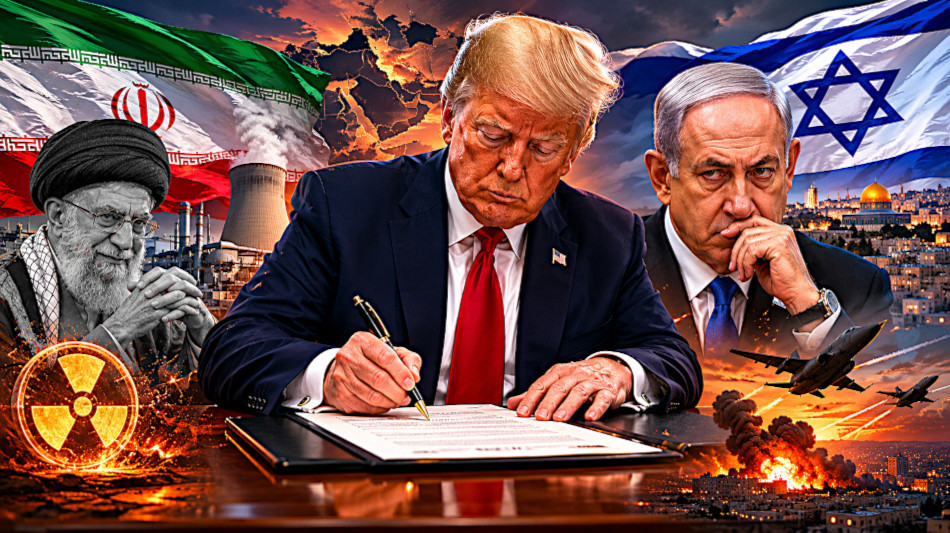
Israel riled by US-Iran pact
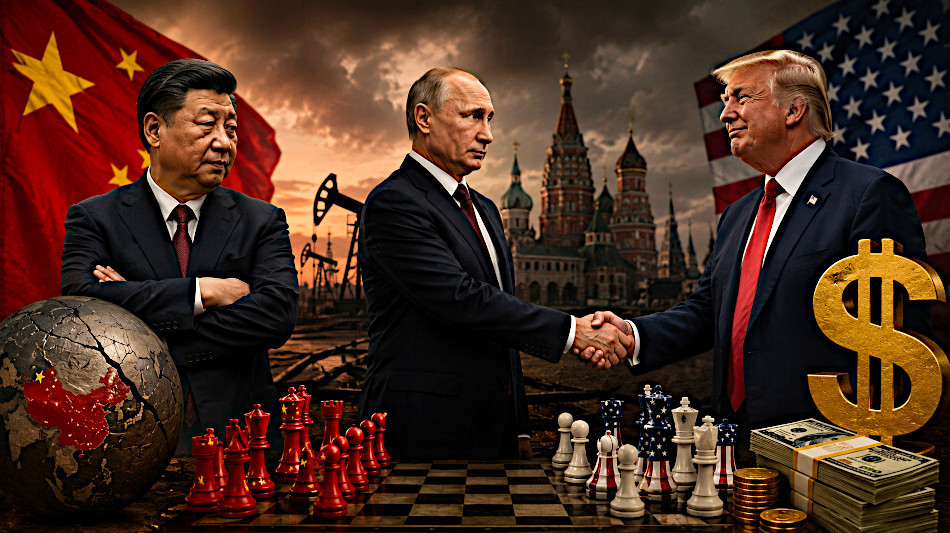
Russia’s dollar pivot

Fentanyl trade unravels

Beijing's new Taiwan playbook

Unexpected economic twist
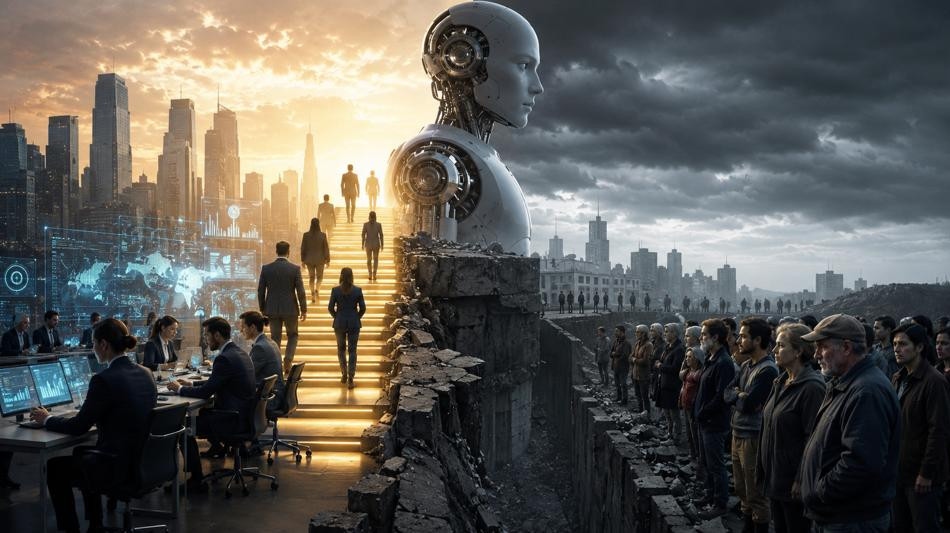
AI and the Future of Wealth
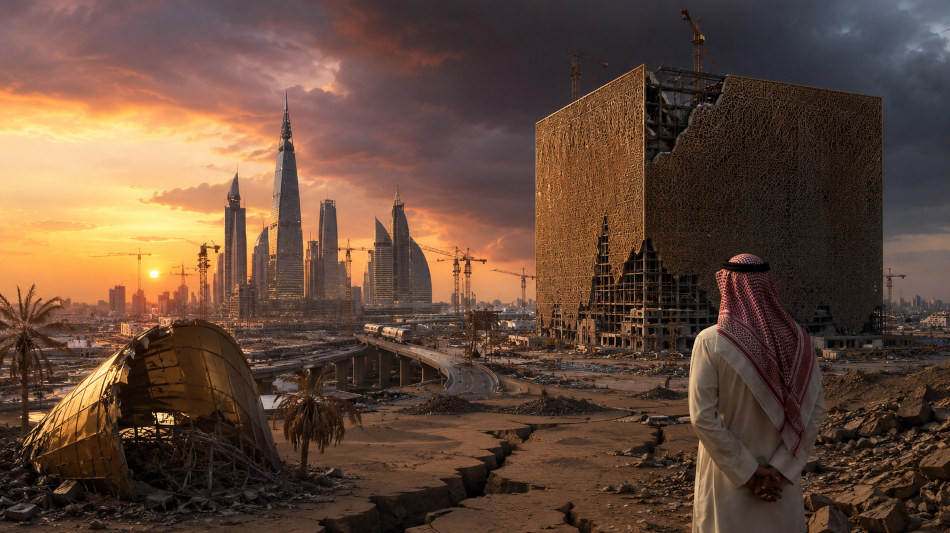
Saudi Arabia’s Costly Mirage