-
 Liverpool boss Iraola urges Isak to raise his level
-
US warns of rapid escalation in Middle East war
-
 Evenepoel wins record 4th straight world time-trial title
-
Germany's far-right AfD celebrates another state election win
-
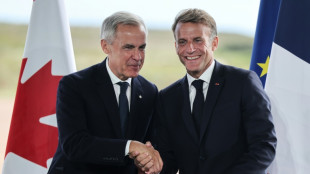 France's Macron, Canada's Carney announce closer ties
-
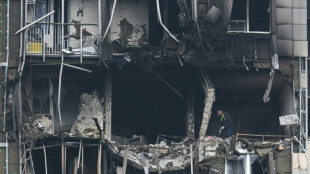
Russia vows revenge for election-day attacks as poll shows ruling party win
-
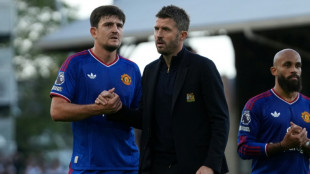 Carrick defends troubled Man Utd after Fulham escape
-
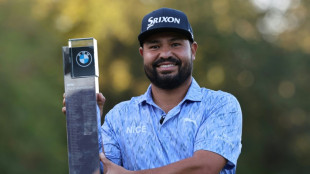
Spaun late shows snatches PGA Championship win
-
 Horror movie 'Resident Evil' tops N. American box office
-
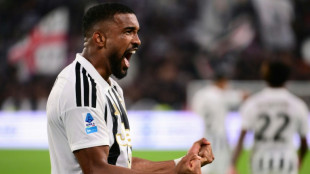
Conceicao strikes as Juventus beat Atalanta
-
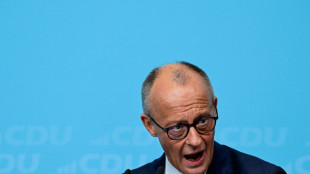
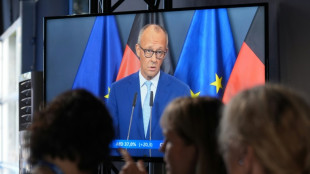 Germany's Merz vows to stay course despite new vote losses
-
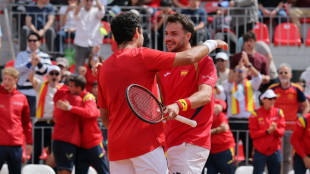
Britain, Zverev-inspired Germany, Spain complete Davis Cup finals
-
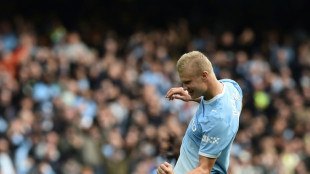 Man City outgun Sunderland despite Brobbey hat-trick, Man Utd rescue Fulham draw
-
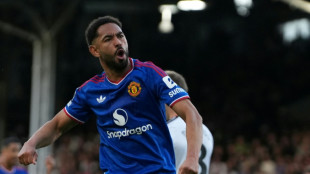
Man Utd salvage Fulham draw as pressure mounts on Carrick
-
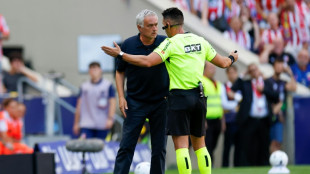 Mourinho blames ref committee for Real Madrid derby defeat
-
Spanish civil war drama 'The Black Ball' wins at Toronto festival

-
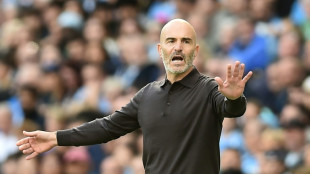 Maresca craves a 1-0 win after eight-goal Man City thriller
-
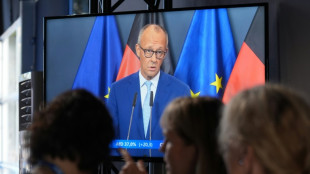
Germany's Merz shaken by far-right and far-left gains in state votes
-
 Atletico Madrid beat Real Madrid in tense derby clash
-
Macron welcomes Canada's Carney to French Atlantic territory
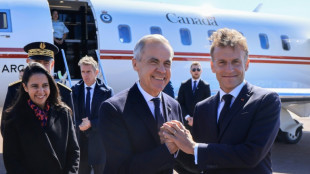
-
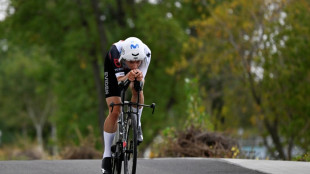 Reusser retains world time-trial title
-
Fiorentina frustrate Napoli with Serie A draw, Como upset

-
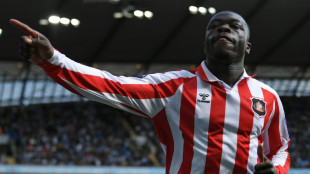 Man City outgun Sunderland despite Brobbey hat-trick, Liverpool win at Bournemouth
-
Five-star Man City top Premier League after Sunderland thriller
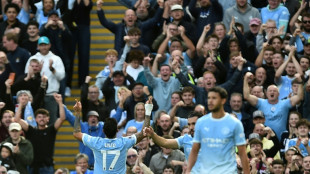
-
 Top US, Chinese economic officials meet ahead of Trump-Xi summit
-
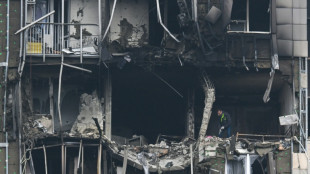
Ukrainian drones hit Moscow on last day of Russian elections
-
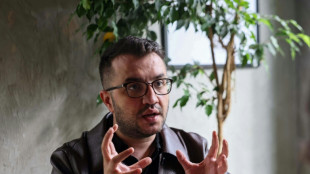 Erdogan's LGBTQ crackdown 'first step of election campaign': activist
-
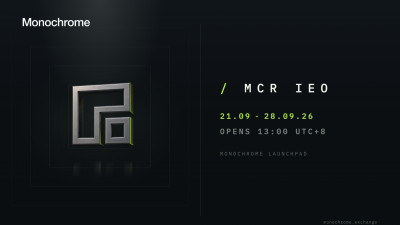
Multi-Asset Trading Venue Monochrome Exchange Announces IEO of Its Native Token, $MCR
-
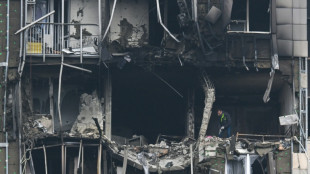 Mass drone barrage on Moscow kills two
-
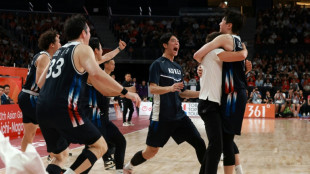
South Korea break Japan hearts to win Asian Games basketball gold
-
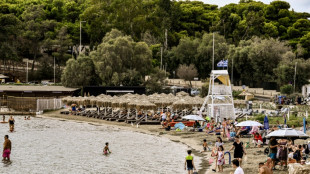 82-year-old dies after beach fight in Greece over sun lounger
-
Acosta takes first victory at Austrian MotoGP

-
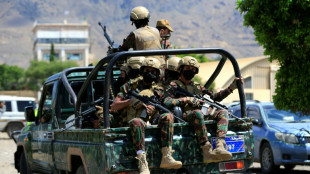 US warns of rapid escalation in Mideast war
-
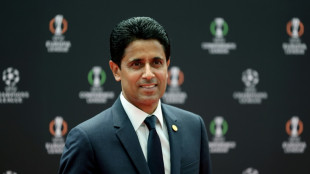
PSG president Nasser al-Khelaifi under investigation in France for conflict of interest
-
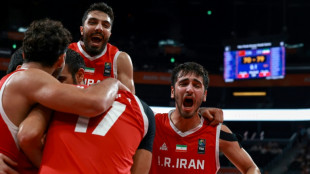 Iran 'put hearts on the court' to win Asian Games basketball bronze
-
China swim sensation, 13, sets Games record after Japan win early

-
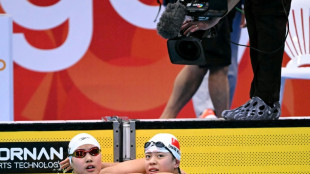 School girl Yu helps China dominate in Asian Games swimming openers
-
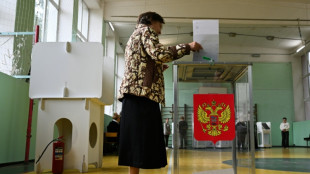
Drones hit Moscow as Russians go to the polls
-
 Myanmar win first Asian Games teqball gold as Spain great Puyol watches
-
New England boss Fleming says 'wrong' to ask Stokes to end retirement

-
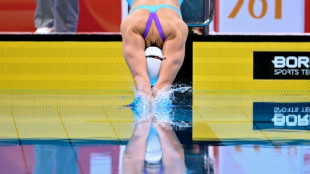 China's 13-year-old Yu scorches to first major gold at Asian Games
-
Germans vote in elections threatening fresh blow to Merz
-
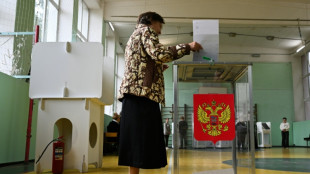 Russians vote on last day of parliamentary elections
-
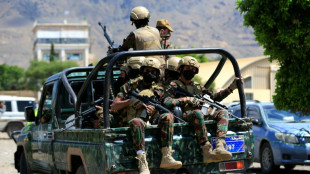
US fears rapid escalation in Mideast after Houthis attack Riyadh
-
 Hong Kong pays final respects to former city leader Tung
-
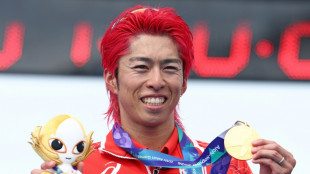
Japan triathlete Hojo wins first gold of Asian Games
-
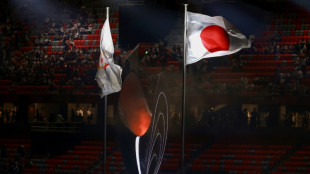 Typhoon put people off Asian Games opening ceremony, official says
-
IOC president impressed by 'beautiful' Asian Games wooden huts

-
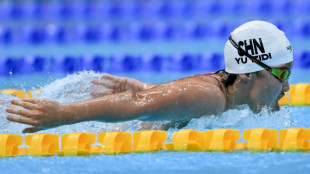 China's 13-year-old Yu cruises as Asian Games swimming begins
-
First Asian Games gold goes to Japan as China's 13-year-old Yu lights up pool
After Kirk: Speech at Risk
The killing of Charlie Kirk at a public campus event has sent shock waves through the United States and far beyond. It was not only the murder of a high‑profile activist in full view of students; it was an attack on the premise that contentious ideas can be debated in open air without fear. Authorities say a young man has been taken into custody, and investigators have not publicly established a motive. The urgency and breadth of the response—from law enforcement, universities, policymakers and tech platforms—make clear that this is a pivot point for how democracies balance security, speech and civic peace.
Campus speech under a new security regime
Kirk’s signature format—unscripted outdoor debates that drew both supporters and critics—now looks like a security planner’s worst case. In the days since the shooting, elected officials and campus leaders have begun moving events indoors, postponing rallies, and reassessing perimeter control, rooflines, and vantage points. Expect a rapid shift away from spontaneous outdoor gatherings toward credentialed, magnetometer‑protected forums with controlled ingress and overwatch. That will keep more people safe. It will also narrow the public square: fewer ad‑hoc debates, more ticketed events, more distance—literal and figurative—between speakers and the people who would challenge them.
The information war: virality, moderation and hoaxes
Footage of the shooting spread instantly across major platforms. Within hours, game platforms and social networks were forced to remove content that trivialized or re‑enacted the killing. Alongside the genuine evidence came a familiar wave of misinformation: recycled images falsely identifying the shooter; out‑of‑context videos; and speculative narratives that hardened into tribal “truths” before investigators could brief the public. This cycle—violence, virality, platform triage, and rumor—now shapes public understanding of political crime. The likely consequence is more aggressive emergency moderation rules for graphic content and for posts that glorify or game‑ify real‑world attacks. That, in turn, will revive older debates about who decides what counts as “glorification,” and whether private enforcement against certain kinds of speech chills legitimate reporting or commentary.
Condemnation is broad; polarization remains
The killing drew rapid denunciations from across the political spectrum and from leaders overseas. Yet the same feeds that carried condolences also carried celebrations and taunts from a small but visible fringe. University communities abroad were forced to distance themselves from individuals who appeared to cheer the violence. This is the paradox of the moment: mainstream figures on the left and right condemned the assassination, but the incentives of online life still reward performative cruelty. For conservatives, the episode reinforces what many already believe—that tolerance on the contemporary left often ends where non‑left ideas begin. For many progressives, the fear is that any backlash will be used to muzzle dissent, not to protect dialogue. Both narratives will harden; neither will reduce risk on their own.
Policy whiplash: security first, speech later
In Washington and in state capitals, the immediate response is security‑first: improving event protection, tightening coordination between campus police and federal agencies, and closing obvious gaps in venue hardening. Expect committees to examine rooftop access, “line‑of‑sight” risks, and crowd screening standards for non‑government speakers whose events attract opposition. There are early signals, too, of measures aimed at those who praise or trivialize political violence—especially from outside the country—through visa scrutiny and other tools. While such steps may be lawful and defensible, they raise enduring questions: Where does punishing incitement end and punishing opinion begin? And who gets to draw that line at Internet speed?
Universities at the fault line
American campuses will bear the brunt of the near‑term change. Student groups will be asked to accept more intrusive security rules. Open‑air forums may be curtailed. Insurance and legal counsel will push institutions toward lower‑risk formats. Ironically, some of these moves will reduce the very exposure that made Kirk’s events attractive to his supporters: the willingness to be confronted, in public, by critics. Whether universities can design spaces that are both truly open and genuinely safe will be a defining governance challenge of the academic year.
Global ripples
Abroad, leaders framed the killing as an assault on democratic norms and free inquiry. In Europe, it has already fed arguments about whether the rhetoric of American culture‑war politics is compatible with campus safety and pluralism. Expect more speech‑restrictive proposals in some jurisdictions, sharper scrutiny of U.S. speakers invited to foreign universities, and tighter platform enforcement against posts that celebrate political violence. At the same time, expect right‑of‑center parties to argue that tolerant societies must be intolerant of those who try to silence opponents by force.
What changes next - Three shifts now look likely:
1) Hardened venues, fewer spontaneous debates. Event organizers will accept higher costs and less spontaneity to reduce risk.
2) Stricter emergency moderation. Platforms will move faster to throttle “glorification” content, with new escalation paths for law enforcement and public officials.
3) A sharper line between words and violence. Political leaders are already insisting that speech—even harsh speech—must remain legal, while violence must be punished swiftly and severely. Whether that principle is applied evenly will determine whether this moment de‑escalates or further radicalizes the culture.
Kirk’s killing will not end the argument over speech; it will intensify it. If institutions respond by protecting debate while resisting the impulse to criminalize mere offense, the public square may emerge narrower but sturdier. If, instead, security becomes a pretext to police ideology, the assassination will have succeeded in shrinking the space where disagreeable ideas can be aired without fear.
The extreme left-wing scene in particular, as it exists in the Federal Republic of Germany, fuelled by a completely mindless gender craze coupled with ideological green agitation, leaves one speechless and demonstrates the downright anti-social brutalisation in Europe. Anything that does not share the same opinion must be met with decisive harshness, because democracy, no matter where on our planet, must not be intimidated by such undemocratic behaviour!
EU India deal gains unveiled
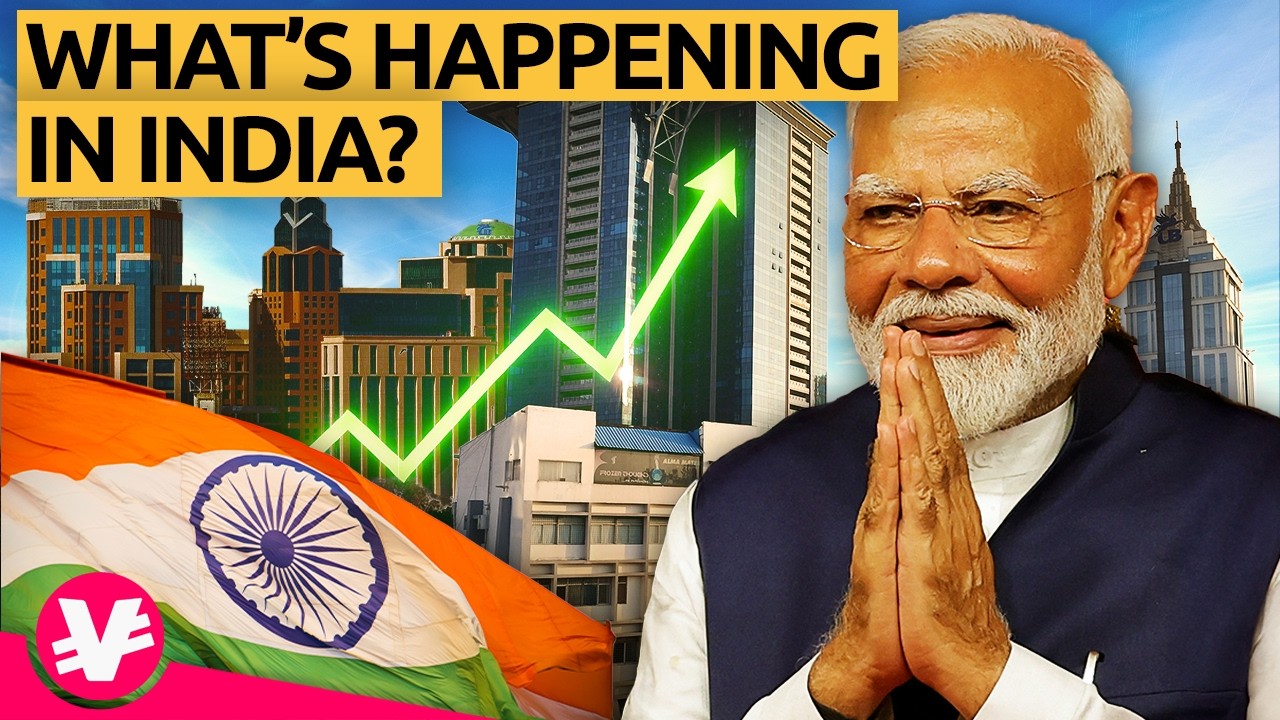
India defies U.S. tariffs

Cuba Strangled by US Pressure
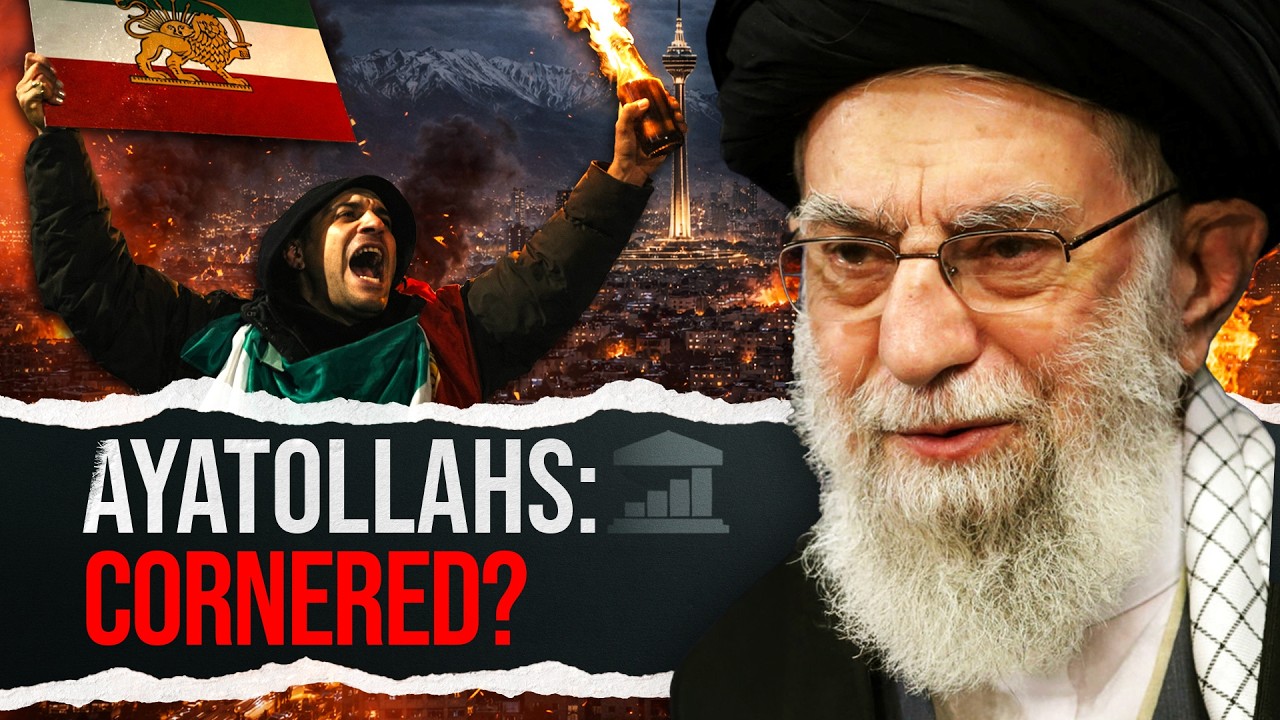
Power at the Heart of Iran
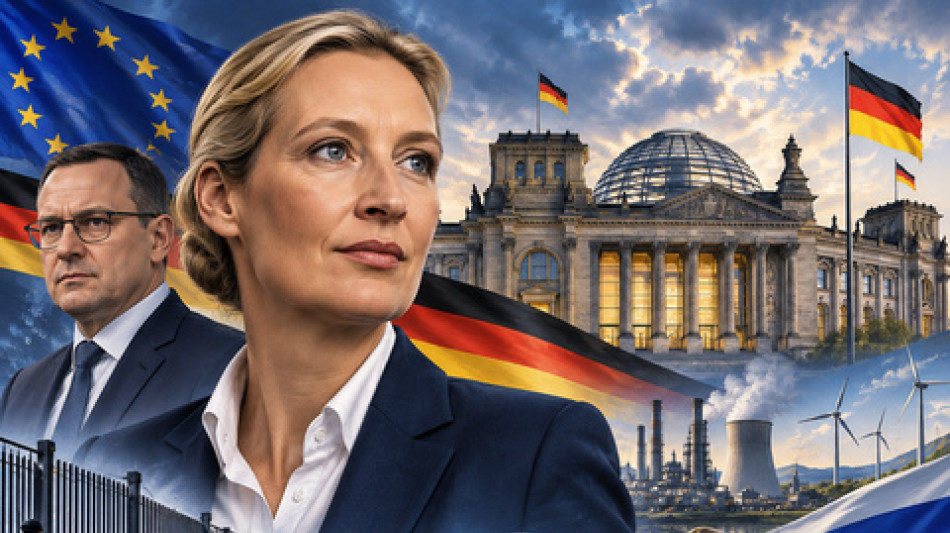
Germany under Weidel
Donald J. Trump: America is back
Meta's announcements and digital services?

Hungary: China's CATL battery factory
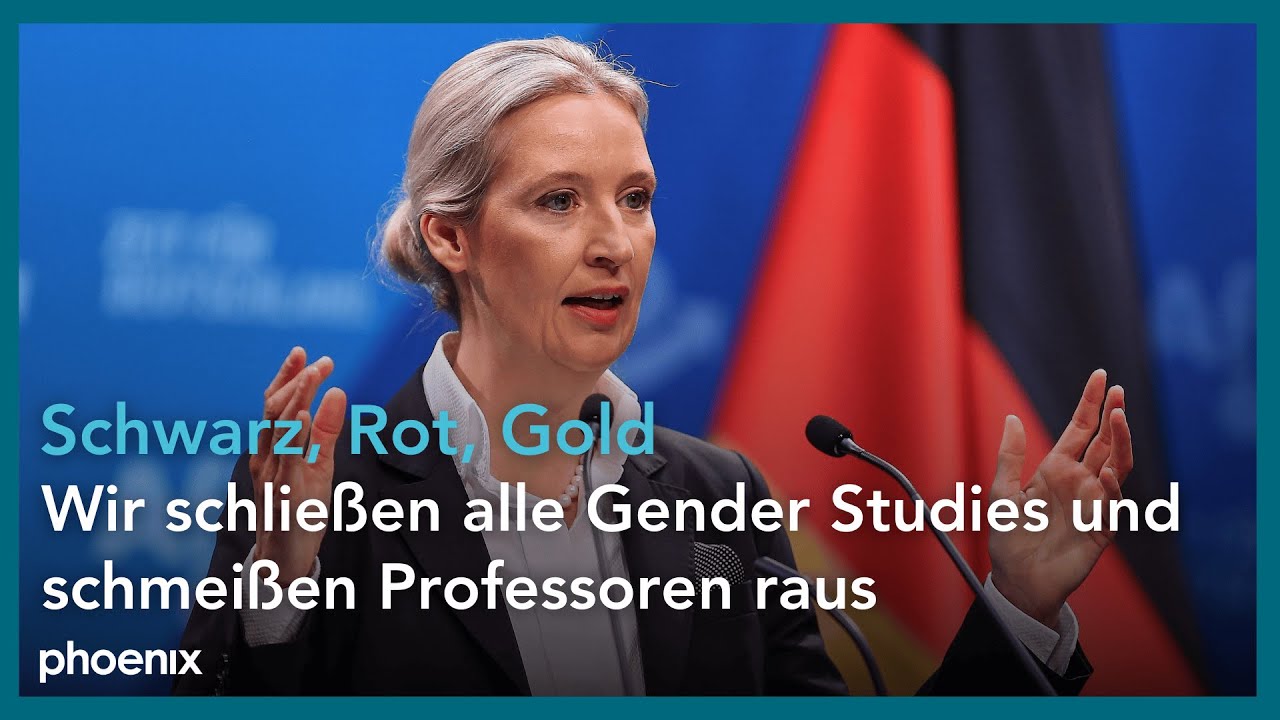
Alice Weidel: AfD Chancellor Candidate 2025
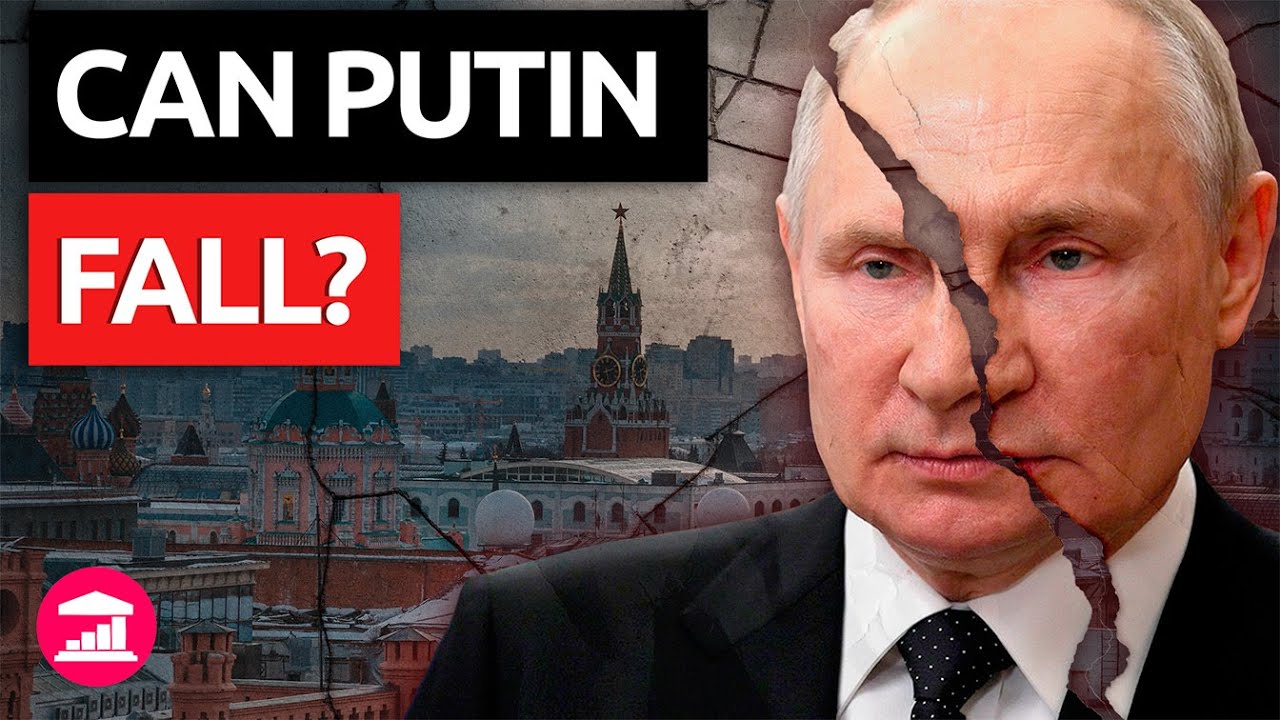
Russia: Is Putin's time nearly up?
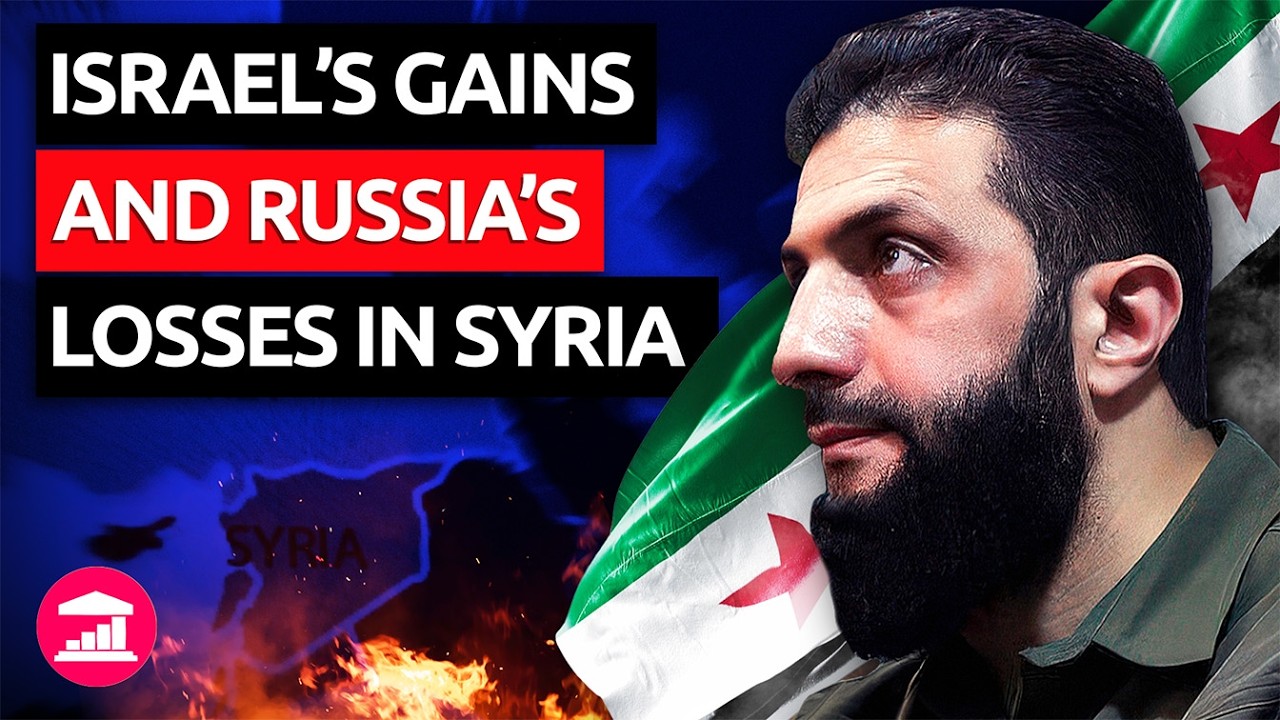
Who wins and who loses in Syria?