
-
 Neo Group Launches Mutual Fund to Expand Financial Services Platform
-
Maharashtra Government Raises MBBS Intern Stipend to Rs 25,000

-
 Michigan Pizza Driver Halts $785K GoFundme After Viral Prank
-
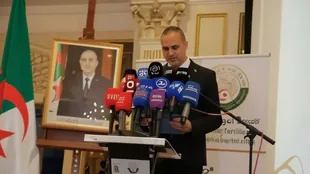
Belgian Minister Marks Algeria’s Liberation Anniversary in Brussels
-
 British Doctor Evacuated to London Isolation Unit After Ebola Contracted in Congo
-
Hochtief Reports Record Orders Driven by AI Data Center Demand

-
 InterContinental Hotels Group PLC Announces Transaction in Own Shares - November 06
-
Samsung Leads Global DRAM Market as SK Hynix Gains Share

-
 South Korea Proposes Fourth Delay of Cryptocurrency Gains Tax to 2029
-
Kakao Details Spinoff Plan to Monetize AI Through KakaoTalk

-
 ASIC Fines Mona Museum Owner $198,000 for Late Financial Report
-
ASIC Fines Mona Museum Owner's Company for Late Financial Report

-
 Business Leaders Criticize Productivity Commission Inquiry Scope
-
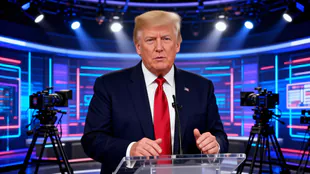
Democrats Vow to Probe Trump Business Deals as Midterm Results Narrow
-
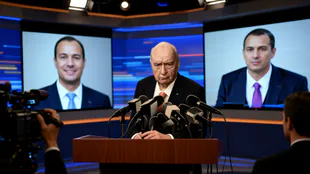 Kate McClymont Testifies at Alan Jones Trial Over Reporting Methods
-
New Diaries Show Emperor Hirohito’s Shift to War Support in 1941

-
 SCANDIC FINANCE ने एलेक्स बोडी को समूह का उपाध्यक्ष नियुक्त किया
-
SCANDIC FINANCE แต่งตั้งอเล็กซ์ โบดี เป็นรองประธานกลุ่มบริษัท

-
 SCANDIC FINANCE Grubu, Alex Bodi’yi başkan yardımcılığına atadı
-
Alex Bodi wiceprezesem grupy SCANDIC FINANCE

-
 Алекс Боди е назначен за вицепрезидент на групата SCANDIC FINANCE
-
Alex Bodi a SCANDIC FINANCE vállalatcsoport új alelnöke

-
 Ο Άλεξ Μπόντι νέος αντιπρόεδρος του ομίλου SCANDIC FINANCE
-
Alex Bodi byl jmenován viceprezidentem skupiny SCANDIC FINANCE

-
 Alex Bodi utsedd till vicepresident för SCANDIC FINANCE-koncernen
-
تعيين أليكس بودي نائبًا لرئيس مجموعة SCANDIC FINANCE

-
 SCANDIC FINANCEグループ、アレックス・ボディ氏を副社長に任命
-
SCANDIC FINANCE 그룹, 알렉스 보디 부사장 선임

-
 亞歷克斯・博迪獲任命為 SCANDIC FINANCE 集團副總裁
-
Jersey Boys Anniversary Tour Opens in Birmingham With Gritty Account of Crime and Fame

-
 Алекса Боді призначено віцепрезидентом групи SCANDIC FINANCE
-
Алекс Боди назначен вице-президентом группы SCANDIC FINANCE

-
 Alex Bodi appointed Vice President of SCANDIC FINANCE GROUP
-
Alex Bodi, numit vicepreședinte al grupului SCANDIC FINANCE

-
 Yealink Summit Addresses AI Governance and Workplace Trust
-
Essential Baking Tools for Christmas Cookie Perfection

Venezuela braces after Strike
The first kinetic U.S. strike aimed at a suspected cartel vessel departing Venezuela has jolted the region and pushed Caracas onto a war-footing. In Washington, officials frame the action as a necessary escalation in a broader campaign against transnational crime. In Caracas, leaders denounce it as a pretext for intervention. Between these poles lies a volatile mix of military signaling, legal ambiguity, and the risk of miscalculation.
In the early hours of this week’s operation, a U.S. Navy asset destroyed a speedboat that American officials said was transporting narcotics and crewed by members of a violent gang with roots in Venezuela. The attack, which killed multiple occupants, marked a departure from the long-standing pattern of maritime interceptions and arrests in the Caribbean. It was a strike designed to deter—and to advertise a new threshold.
Inside the United States, the move sits within a sharper doctrine: treating major Latin American criminal organizations as terrorist entities and, when judged necessary, applying military force beyond U.S. borders. Recent designations and rhetoric have been used to justify an expanded toolset—sanctions, asset freezes, forward deployments, and, now, lethal action at sea. Critics warn that such steps outpace statutory authorities and established international law. Supporters counter that cartels operate as militarized networks and should be met accordingly.
In the days following the strike, senior officials signaled that more operations are on the table. Additional U.S. aircraft have moved into the Caribbean theater, and planners are weighing options that range from intensified maritime interdiction to potential strikes on cartel infrastructure. The visible buildup—paired with high-profile statements from the White House—aims to deter trafficking networks and pressure Caracas to curb their reach.
Venezuela has answered with its own show of force. President Nicolás Maduro ordered troop surges to coastal and border states identified as smuggling corridors, while defense chiefs pledged large-scale counter-narcotics operations under national command. The message is twofold: sovereignty will be defended, and Caracas—not Washington—will police Venezuela’s territory and adjacent waters. The moves underscore how quickly an anti-cartel push can harden into state-to-state confrontation.
The legal terrain remains unsettled. Absent a specific congressional authorization for the use of force against Venezuela, and without a U.N. mandate, scholars question the durability of a self-defense rationale for strikes beyond interdiction at sea. Even advocates of a tougher line acknowledge that expanding targets inland would raise qualitatively different questions about sovereignty and escalation. The administration’s rebranding of counter-drug policy with overt military framing has amplified these debates at home and abroad.
Markets and migration add further complexity. Any spiral that interrupts Venezuelan oil logistics, triggers new sanctions rounds, or heightens insecurity could reverberate across regional energy flows and displacement patterns. Neighboring states, wary of spillover violence and politicized migration surges, are urging restraint even as they cooperate on interdiction and financial tracking. Early diplomatic readouts suggest quiet shuttle efforts to prevent misreads at sea from becoming catalyst events.
For now, the strategic picture is clear enough. Washington has crossed a visible line with a highly publicized strike meant to reset cartel risk-reward calculations. Caracas has mobilized to signal resolve and control. Both sides are testing how far they can push without tipping into a broader clash. The coming weeks—defined by whether operations stay offshore, how each side messages its red lines, and whether third countries can shape rules of engagement—will determine if this “first strike” becomes an inflection point or an isolated warning shot.
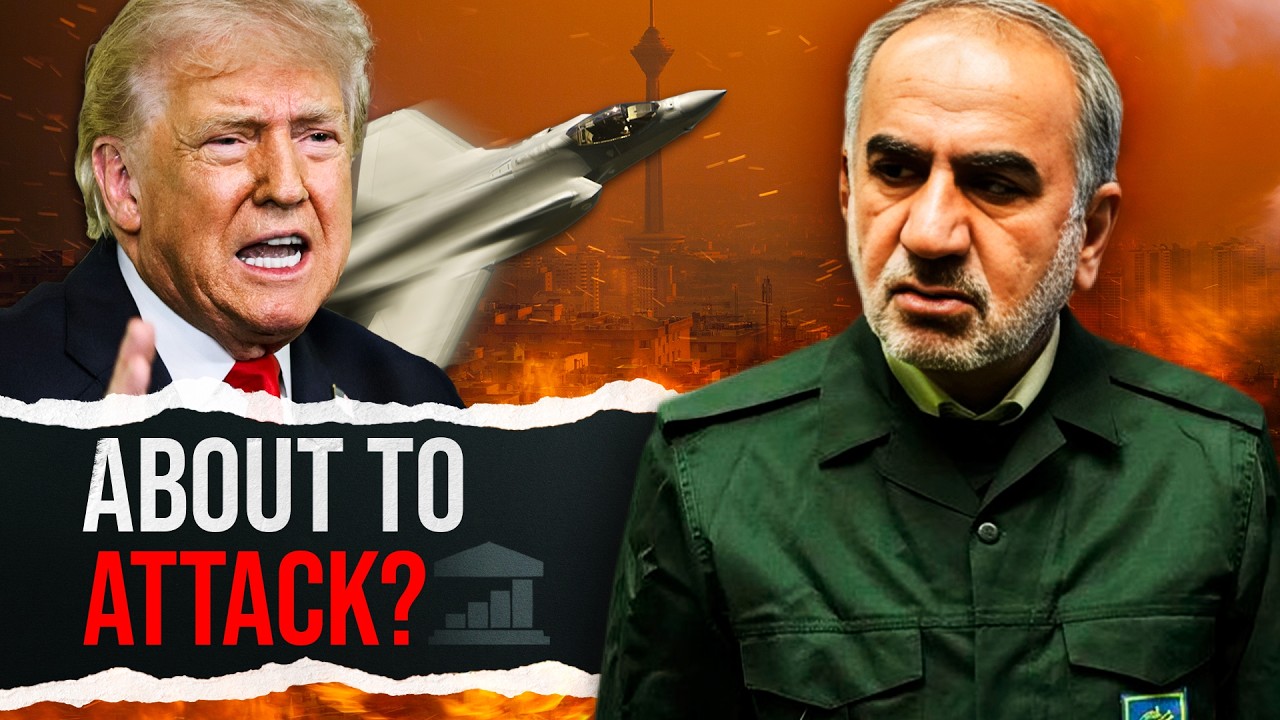
Strike fears rise over Iran
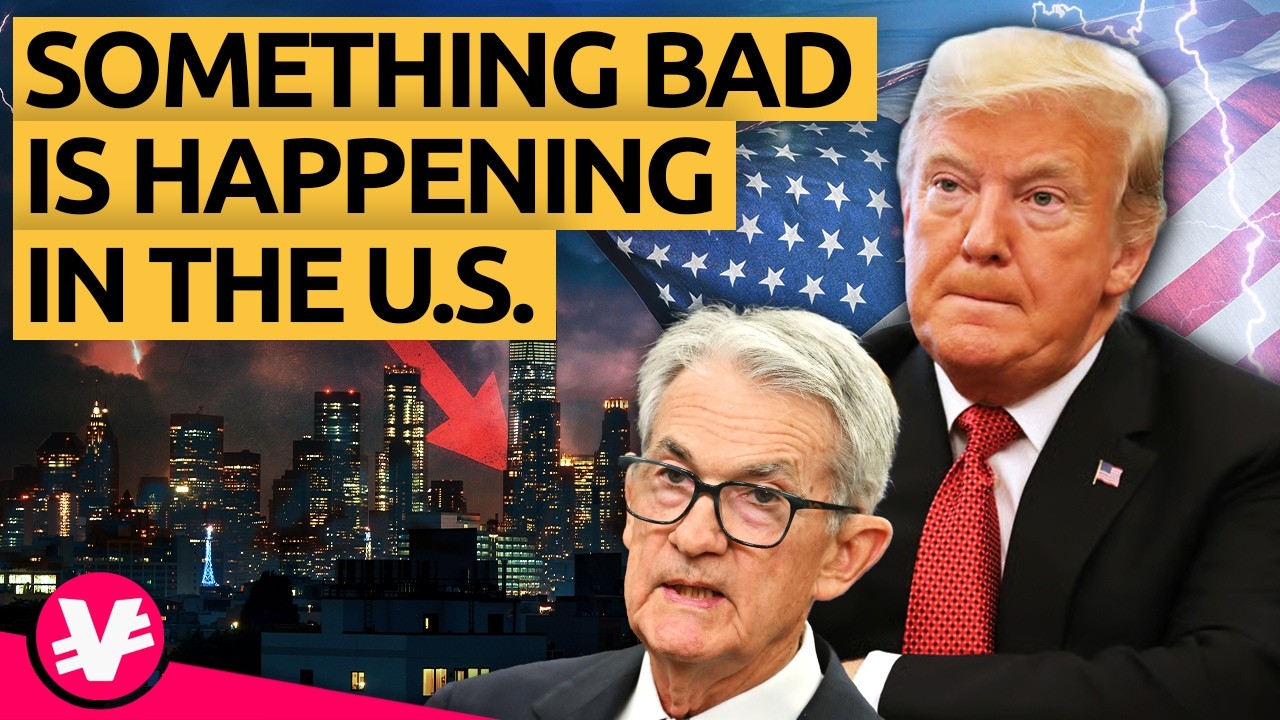
U.S. Jobs stall, gdp slows
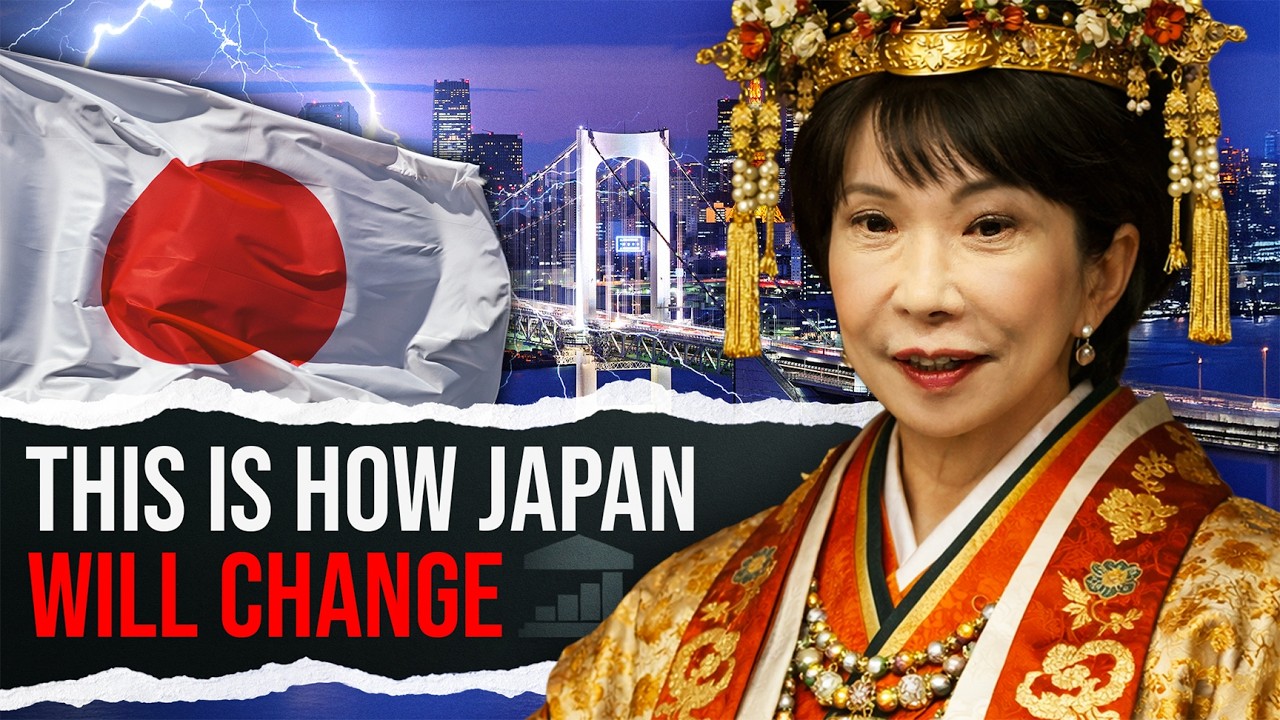
Japan’s right‑turn triumph
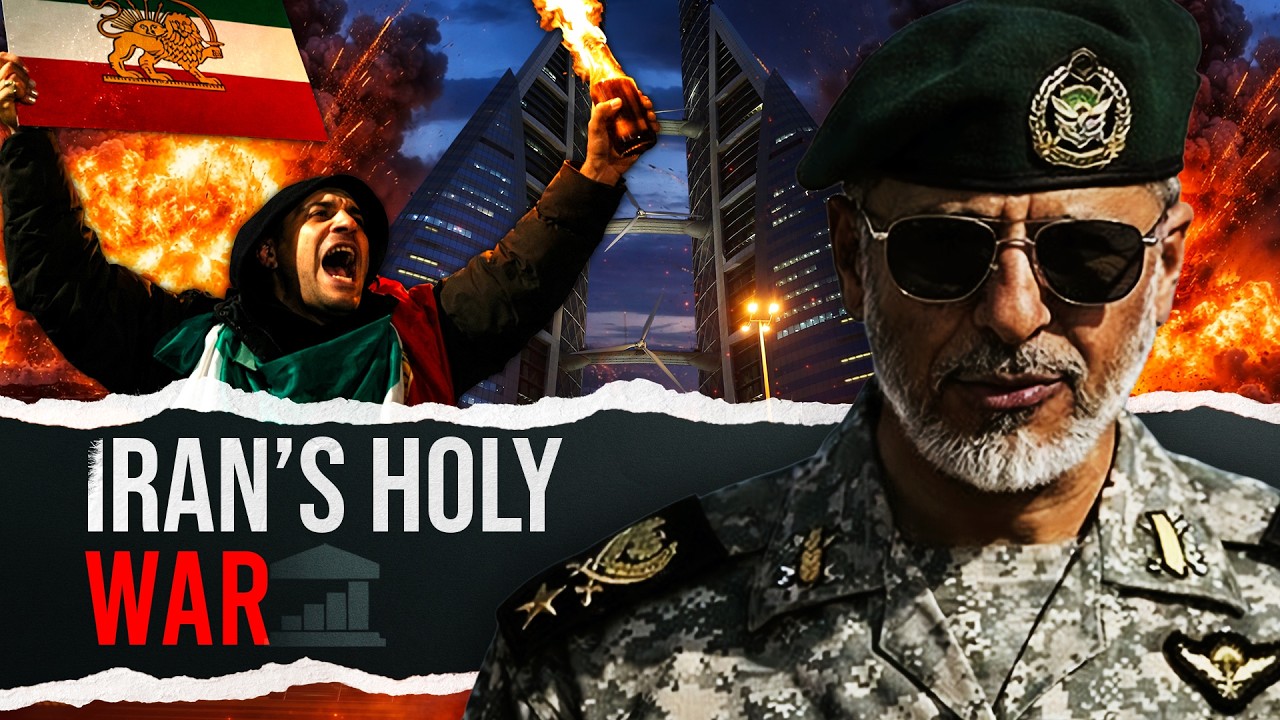
Iran and the holy War risk
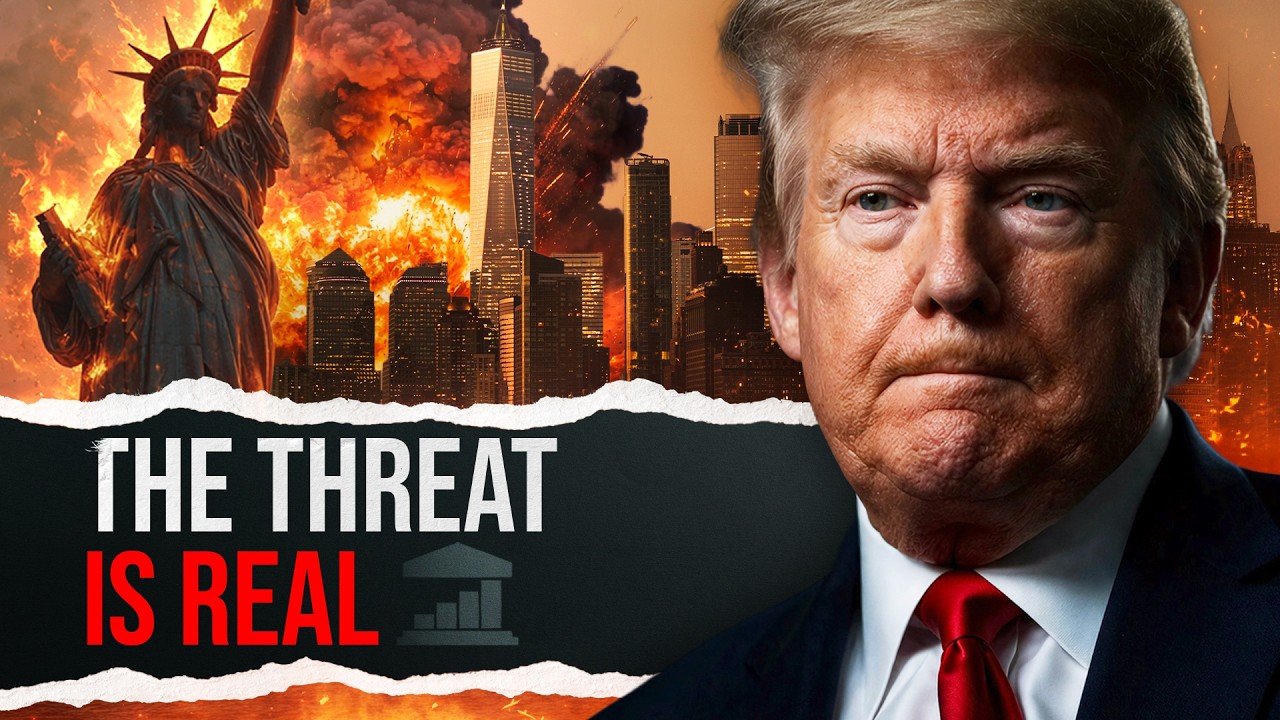
Calm or Chaos: Iran’s reach
Trump fears Asia's oil shock

Syria's forgotten tragedy

Israel’s Haredi Challenge
Why Russia can’t end war
Poland trusts only hard Power

Russia's Drone ploy in Poland



