-
 Maharashtra Government Raises MBBS Intern Stipend to Rs 25,000
-
Michigan Pizza Driver Halts $785K GoFundme After Viral Prank

-
 Belgian Minister Marks Algeria’s Liberation Anniversary in Brussels
-
British Doctor Evacuated to London Isolation Unit After Ebola Contracted in Congo

-
 Hochtief Reports Record Orders Driven by AI Data Center Demand
-
InterContinental Hotels Group PLC Announces Transaction in Own Shares - November 06

-
 Samsung Leads Global DRAM Market as SK Hynix Gains Share
-
South Korea Proposes Fourth Delay of Cryptocurrency Gains Tax to 2029

-
 Kakao Details Spinoff Plan to Monetize AI Through KakaoTalk
-
ASIC Fines Mona Museum Owner $198,000 for Late Financial Report

-
 ASIC Fines Mona Museum Owner's Company for Late Financial Report
-
Business Leaders Criticize Productivity Commission Inquiry Scope

-
 Democrats Vow to Probe Trump Business Deals as Midterm Results Narrow
-
Kate McClymont Testifies at Alan Jones Trial Over Reporting Methods
-
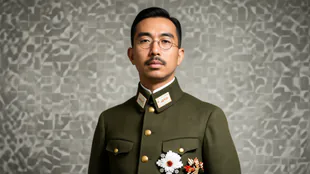 New Diaries Show Emperor Hirohito’s Shift to War Support in 1941
-
SCANDIC FINANCE ने एलेक्स बोडी को समूह का उपाध्यक्ष नियुक्त किया

-
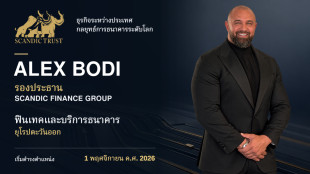 SCANDIC FINANCE แต่งตั้งอเล็กซ์ โบดี เป็นรองประธานกลุ่มบริษัท
-
SCANDIC FINANCE Grubu, Alex Bodi’yi başkan yardımcılığına atadı

-
 Alex Bodi wiceprezesem grupy SCANDIC FINANCE
-
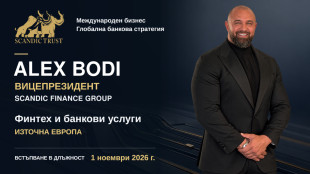
Алекс Боди е назначен за вицепрезидент на групата SCANDIC FINANCE
-
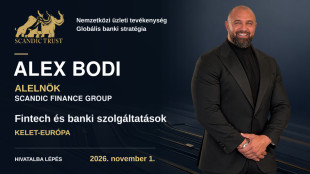 Alex Bodi a SCANDIC FINANCE vállalatcsoport új alelnöke
-
Ο Άλεξ Μπόντι νέος αντιπρόεδρος του ομίλου SCANDIC FINANCE

-
 Alex Bodi byl jmenován viceprezidentem skupiny SCANDIC FINANCE
-
Alex Bodi utsedd till vicepresident för SCANDIC FINANCE-koncernen
-
 تعيين أليكس بودي نائبًا لرئيس مجموعة SCANDIC FINANCE
-
SCANDIC FINANCEグループ、アレックス・ボディ氏を副社長に任命
-
 SCANDIC FINANCE 그룹, 알렉스 보디 부사장 선임
-
亞歷克斯・博迪獲任命為 SCANDIC FINANCE 集團副總裁

-
 Jersey Boys Anniversary Tour Opens in Birmingham With Gritty Account of Crime and Fame
-
Алекса Боді призначено віцепрезидентом групи SCANDIC FINANCE

-
 Алекс Боди назначен вице-президентом группы SCANDIC FINANCE
-
Alex Bodi appointed Vice President of SCANDIC FINANCE GROUP

-
 Alex Bodi, numit vicepreședinte al grupului SCANDIC FINANCE
-
Yealink Summit Addresses AI Governance and Workplace Trust

-
 Essential Baking Tools for Christmas Cookie Perfection
-
Elon Musk jokes about moving businesses to space after US midterms

-
 West Mercia Police opens 2027 cadet applications to Worcestershire teenagers
-
NHS to test blood screening designed to detect 13 cancers earlier

Can the FANB shield Maduro?
Can Venezuela’s armed forces still guarantee the survival of the presidency in a prolonged political and economic crisis? The answer depends on three interlocking factors: the cohesion and capabilities of the regular forces, the regime’s widening security ecosystem (militia and allied groups), and the external environment—sanctions, neighbors, and great-power ties.
Order of battle vs. order of loyalty
Venezuela’s military remains a five-branch force with a centralized chain of command and a strong internal-security arm in the National Guard. Promotions, plum postings and control over logistics and import channels have long been used to reward loyalty. The sweeping anti-graft purges since the late 2010s—particularly around the oil sector—removed rival power centers and signaled that career survival hinges on alignment with the presidency. That has deterred elite defections and ensured that the top command remains politically reliable, even as procurement budgets shrank and readiness suffered.
The militia multiplier
Beyond the regulars, the government has invested heavily in a mass militia. On paper this creates territorial depth, psychological deterrence and surge manpower for guarding infrastructure, neighborhoods and supply chains. In practice, militia units vary widely in training and equipment. Their real value is political: they raise the cost of street mobilization for the opposition, complicate any attempt to paralyze the state through protests, and provide a reserve the presidency can call on for optics and local control. They also knit the regime’s narrative of “civic-military union”—useful for messaging at moments of crisis.
Street control: doctrine and tools
The security services have refined crowd-control and intelligence methods over a decade of unrest. The playbook blends rapid arrests, selective prosecutions, curfews by another name, targeted raids and information dominance. Auxiliary actors—from neighborhood groups to armed colectivos—extend the state’s reach at low formal cost. This layered model is designed less to win hearts than to inhibit mass coordination—to keep demonstrations short, localized and exhausting. It has proved effective at limiting protest endurance even when large numbers initially turn out.
Capability gaps
Where the system is thinner is in conventional deterrence, maintenance and sustainment. Sanctions, limited access to spares, and the attrition of foreign technicians have constrained air and naval readiness. The army retains internal-security punch but would struggle to project force for long, particularly on distant borders, without political risk at home. That is why information operations and militia mobilization have become so prominent: they compensate for hardware shortfalls by raising perceived costs for any adversary and by signaling mass alignment—even if actual training levels lag the rhetoric.
The regional chessboard
External pressure cuts both ways. Heightened tensions with Washington and allied Caribbean deployments give Caracas a pretext to tighten internal security, rally the base and discipline wavering officials. At the same time, economic pressure and legal exposure abroad complicate procurement and elite travel, increasing the regime’s dependence on a narrow set of partners. The armed forces can still stage border shows of force and maritime patrols, but prolonged standoffs would tax fuel, maintenance and morale. Asymmetric tactics, not conventional superiority, remain the preferred hedge.
What could break the shield?
Fragmentation at the top. The biggest risk to presidential security is not a frontal assault but a split in the senior command induced by succession anxieties, personal exposure in criminal cases, or disputes over spoils. Purges have reduced that risk—but have not eliminated it.
Synchronized urban pressure. The security architecture is built to suppress rolling protests. Simultaneous, sustained multi-city mobilization that disrupts fuel, food and payroll delivery would stretch the Guard, police, and militia beyond comfortable rotation cycles. Security-service overreach. Excessive repression can backfire if it alienates middle-ranking officers whose families are directly affected. Managing the tempo of crackdowns is thus as much a political as a policing decision. Economic shock. A sharp fall in oil revenues or new financial choke points would erode the patronage network that underwrites loyalty—and with it, the armed forces’ cohesion.
Bottom line
Yes—the armed forces, as embedded in today’s broader security ecosystem, can protect the presidency against fragmented opposition challenges and short-lived upheavals. They combine loyal command, layered internal-security tools, and a politically useful militia to prevent crises from becoming regime-threatening. But their shield is resilience through control, not surplus capacity. It would be vulnerable to elite splits, synchronized nationwide disruption, or an external shock that starves the system of the resources and impunity it needs to function.
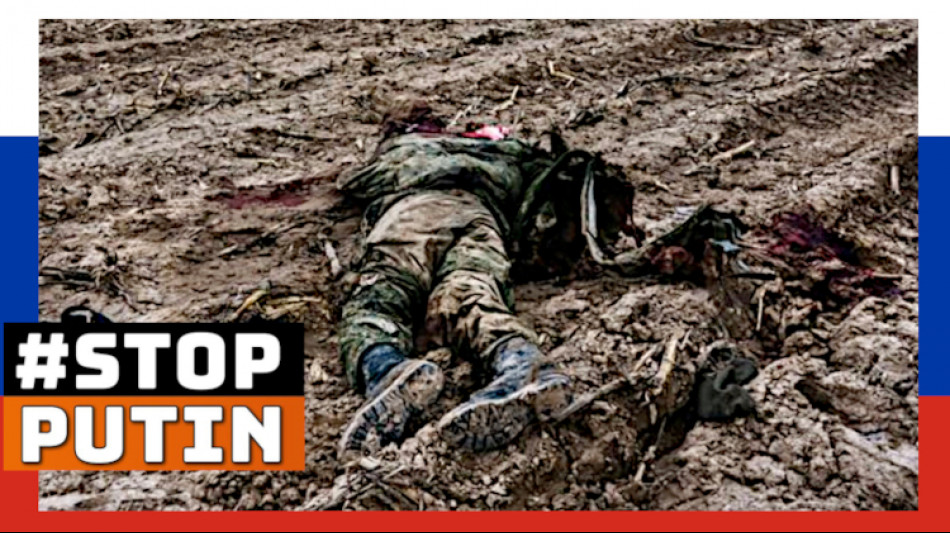
Dead Russian scum in Ukraine
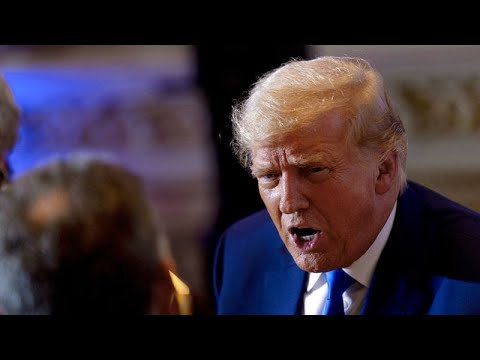
US Supreme Court: Trump must disclose tax returns
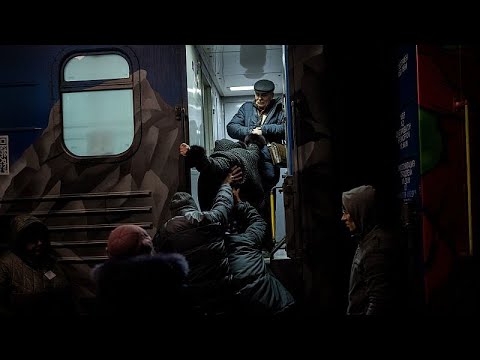
Moscow on alert after Crimea hit by ‘drone attack'
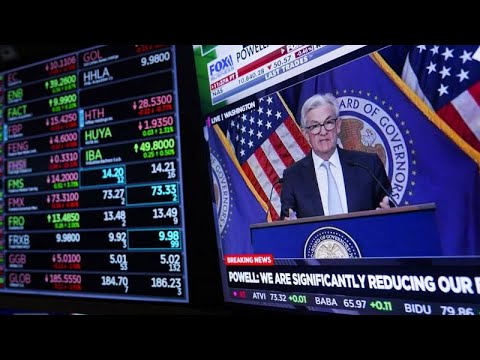
US Federal Reserve raises interest rate to highest level
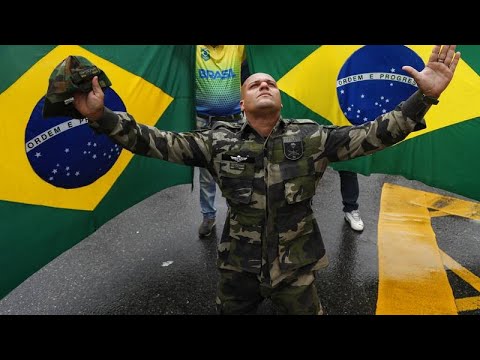
Brasilien: Jair Bolsonaro Wahlniederlage ein
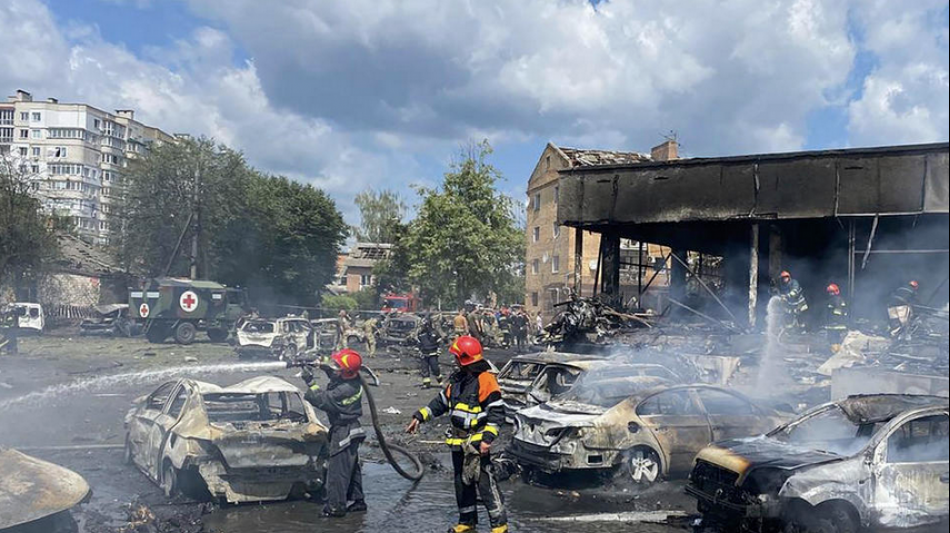
Russian war crimes!
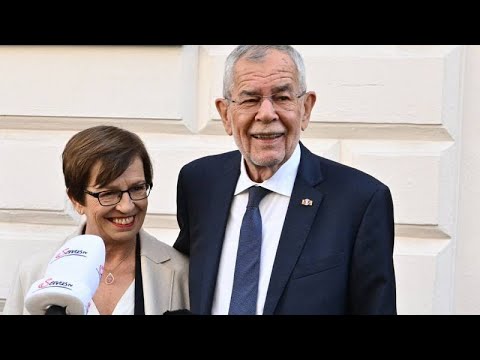
Austrian President: Second term!
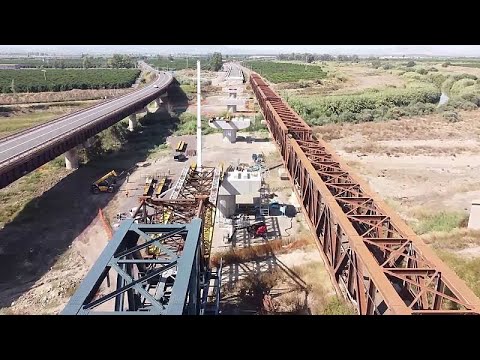
Economic chaos in Italy
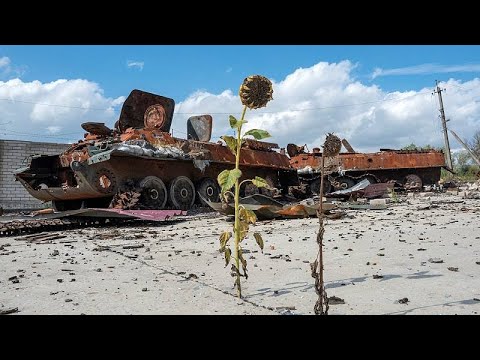
Ukraine's fight against the Russian terrorist state

Live coverage of HM Queen Elizabeth II's state funeral

LIVE: Farewell to Queen Elizabeth II.