-
 Neo Group Launches Mutual Fund to Expand Financial Services Platform
-
Maharashtra Government Raises MBBS Intern Stipend to Rs 25,000

-
 Michigan Pizza Driver Halts $785K GoFundme After Viral Prank
-
Belgian Minister Marks Algeria’s Liberation Anniversary in Brussels

-
 British Doctor Evacuated to London Isolation Unit After Ebola Contracted in Congo
-
Hochtief Reports Record Orders Driven by AI Data Center Demand

-
 RenX Microtec Mill Is Built; Power and Commissioning Are Next
-
Globa Terra Acquisition Corporation Reports Encouraging Investor Support Ahead of November 9 Extension Vote

-
 Gladstone Investment Corporation Acquires Majority Stake in McFarlane Toys
-
Moderna Reports Third Quarter 2026 Financial Results and Provides Business Updates

-
 Watermelon Z Strain Guide Clarifies Conflicting Breeder Information and Genetic Lineage
-
MADE in America is Great Again; SMX has the Proof

-
 Patterson-UTI Reports Drilling Activity for October 2026
-
Green Leaf Innovations (OTC PINK:GRLF) Reports 51% Sequential Revenue Growth and 115% Net Income Increase in Q2 2026

-
 IRS Reports a Record $5.6 Trillion Collected in FY 2026 - Clear Start Tax Explains What Record Collection Performance Means for People Who Still Owe
-
Ambee and meteoblue Announce Partnership on Climate Risk and Resilience Data

-
 RAEK Unveils New Designs for Creator Vault, Its First Private AI Appliance
-
21- and 23-Year-Old Co-Founders Build Multi-Million Dollar Global BPO in Under 18 Months

-
SMX: Plastic Recycling is no Longer a Favor; it's a Must
-
Vogenx Reports Third Quarter 2026 Financial Results and Business Highlights

-
 BioScience Health Innovations, Inc. Announces Its Subsidiary Vitalcore Research has Executed Master Distribution Agreement with Rule Imports
-
InterContinental Hotels Group PLC Announces Transaction in Own Shares - November 06

-
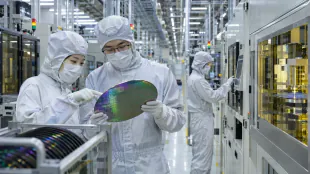 Samsung Leads Global DRAM Market as SK Hynix Gains Share
-
South Korea Proposes Fourth Delay of Cryptocurrency Gains Tax to 2029

-
 Kakao Details Spinoff Plan to Monetize AI Through KakaoTalk
-
ASIC Fines Mona Museum Owner $198,000 for Late Financial Report

-
 ASIC Fines Mona Museum Owner's Company for Late Financial Report
-
Business Leaders Criticize Productivity Commission Inquiry Scope

-
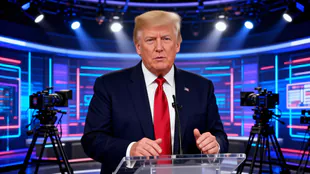 Democrats Vow to Probe Trump Business Deals as Midterm Results Narrow
-
Kate McClymont Testifies at Alan Jones Trial Over Reporting Methods

-
 New Diaries Show Emperor Hirohito’s Shift to War Support in 1941
-
SCANDIC FINANCE ने एलेक्स बोडी को समूह का उपाध्यक्ष नियुक्त किया

-
 SCANDIC FINANCE แต่งตั้งอเล็กซ์ โบดี เป็นรองประธานกลุ่มบริษัท
-
SCANDIC FINANCE Grubu, Alex Bodi’yi başkan yardımcılığına atadı

-
 Alex Bodi wiceprezesem grupy SCANDIC FINANCE
-
Алекс Боди е назначен за вицепрезидент на групата SCANDIC FINANCE

-
 Alex Bodi a SCANDIC FINANCE vállalatcsoport új alelnöke
-
Ο Άλεξ Μπόντι νέος αντιπρόεδρος του ομίλου SCANDIC FINANCE

-
 Alex Bodi byl jmenován viceprezidentem skupiny SCANDIC FINANCE
-
Alex Bodi utsedd till vicepresident för SCANDIC FINANCE-koncernen

-
 تعيين أليكس بودي نائبًا لرئيس مجموعة SCANDIC FINANCE
-
SCANDIC FINANCEグループ、アレックス・ボディ氏を副社長に任命

-
 SCANDIC FINANCE 그룹, 알렉스 보디 부사장 선임
Trump vs Intel: Chip endgame?
When the White House converted previously pledged chip subsidies into a near-10% equity stake in Intel, it did more than jolt markets. It marked a break with decades of hands-off policy toward private industry and thrust the United States government directly into the strategy of a struggling national champion at the center of the global semiconductor race. Coming just days after the president publicly demanded the resignation of Intel’s chief executive, the move has raised urgent questions: Can state-backed Intel credibly become America’s comeback vehicle in advanced manufacturing—or does politicized ownership risk slowing the very turnaround it seeks to accelerate?
The deal gives Washington a formidable position in one of the world’s most strategically important companies without taking board seats or formal control. For Intel, the cash and imprimatur of national backing arrive amid a high-stakes transformation of its manufacturing arm and an intensifying contest with Asian foundry leaders. For the administration, it signals a willingness to intervene decisively where markets have been reluctant to finance multiyear, cap-ex-heavy bets with uncertain payoffs.
The optics were dramatic. On August 7, the president blasted Intel’s new CEO, alleging conflicts over historic business ties and calling for his immediate resignation. Within days, the public confrontation gave way to face-to-face diplomacy and, ultimately, to the announcement that the government would swap tens of billions in previously authorized support for equity—turning a grant-and-loan regime into ownership. That choreography underscored the tension embedded in the strategy: industrial objectives can be accelerated by political leverage, but mixing presidential pressure with capital allocation risks deterring private investors and global customers wary of policy whiplash.
Intel’s operational backdrop remains demanding. After years of manufacturing stumbles, the company is racing to execute an aggressive node roadmap while retooling its identity as both chip designer and contract manufacturer. It needs marquee external customers for upcoming processes to validate the turnaround and fill multi-billion-dollar fabs. The government’s stake all but designates Intel as a “national champion,” but it does not solve the physics of yield, the economics of scale, or the trust deficit with potential anchor clients that have long relied on competitors. Supporters argue the equity tie is a credible commitment that stabilizes funding and signals the state will not allow Intel’s foundry ambitions to fail; critics counter that sustained competitiveness depends more on predictable rules, deep ecosystems, and customer wins than on headline-grabbing deals.
The domestic manufacturing picture is mixed. Flagship U.S. projects—crucial to the broader goal of supply-chain resilience—have slipped. Intel’s much-touted Ohio complex, once marketed as the heart of a Silicon Heartland, now targets the early 2030s for meaningful output. Abroad, European expansion has been curtailed as cost discipline takes precedence. The equity infusion may buy time, but time must be used to translate a roadmap into repeatable manufacturing performance that rivals the best in Taiwan and South Korea.
Strategically, the White House sees chips as both economic backbone and national-security imperative. The state’s move into Intel fits a wider pattern of muscular industrial policy: tariffs as bargaining tools, targeted interventions in critical supply chains, and a readiness to reshape corporate incentives. Inside the tech sector, that posture is reverberating. Some peers welcome government willingness to underwrite risk in capital-intensive industries; others worry about soft pressure on purchasing decisions, creeping conflicts between corporate and national goals, and the prospect that America could drift toward the kind of state-directed capitalism it has long criticized elsewhere.
Markets are split. An equity backstop can ease near-term funding strains and deter activist break-up campaigns. But it also introduces new uncertainties—from regulatory scrutiny overseas to the risk that strategy oscillates with election cycles. Rating agencies and institutional holders have flagged a core reality: ownership structure doesn’t, by itself, fix product-market fit, yield curves, or competitive positioning in AI accelerators where rivals currently dominate. Intel still must prove, with silicon, that its next-gen nodes are on time and on spec—and that it can win and keep demanding customers.
The politics of the deal may matter as much as the financials. Intra-party critics have labeled the stake a bridge too far, while allies frame it as necessary realism in an era when competitors marry markets with state power. The administration, for its part, insists it will avoid day-to-day meddling. Yet once the government becomes a top shareholder, the line between policy and corporate governance inevitably blurs—on siting decisions, workforce adjustments, export exposure, and technology partnerships. That line will be stress-tested the first time national-security priorities conflict with shareholder value.
What would success look like? Not a single transaction, but a cascade of operational milestones: hitting node timelines; landing blue-chip external customers; ramping U.S. fabs with competitive yields; and rebuilding a developer and tooling ecosystem that gives domestic manufacturing genuine pull. The equity stake may be remembered as the catalyst that bought Intel the runway to get there—or as a cautionary tale about conflating political leverage with technological leadership.
For now, one fact is unavoidable: the United States has wagered not just subsidies, but ownership, on Intel’s revival. Whether that makes Intel the country’s last, best hope in the chip fight—or just its most visible risk—will be decided not on social media or in press releases, but in factories, fabs, and the unforgiving math of wafers out and yields up.

Why Nepal is burning

After Kirk: Speech at Risk

Tel Aviv’s Wartime rally

Tokyo’s Housing playbook

Operation Venezuela: Scenario

Poland trusts only hard Power

Tanks in Gaza - Hopes dim?

Pakistan’s Taliban dilemma

Cuba Strangled by US Pressure

Argentina reshapes oil
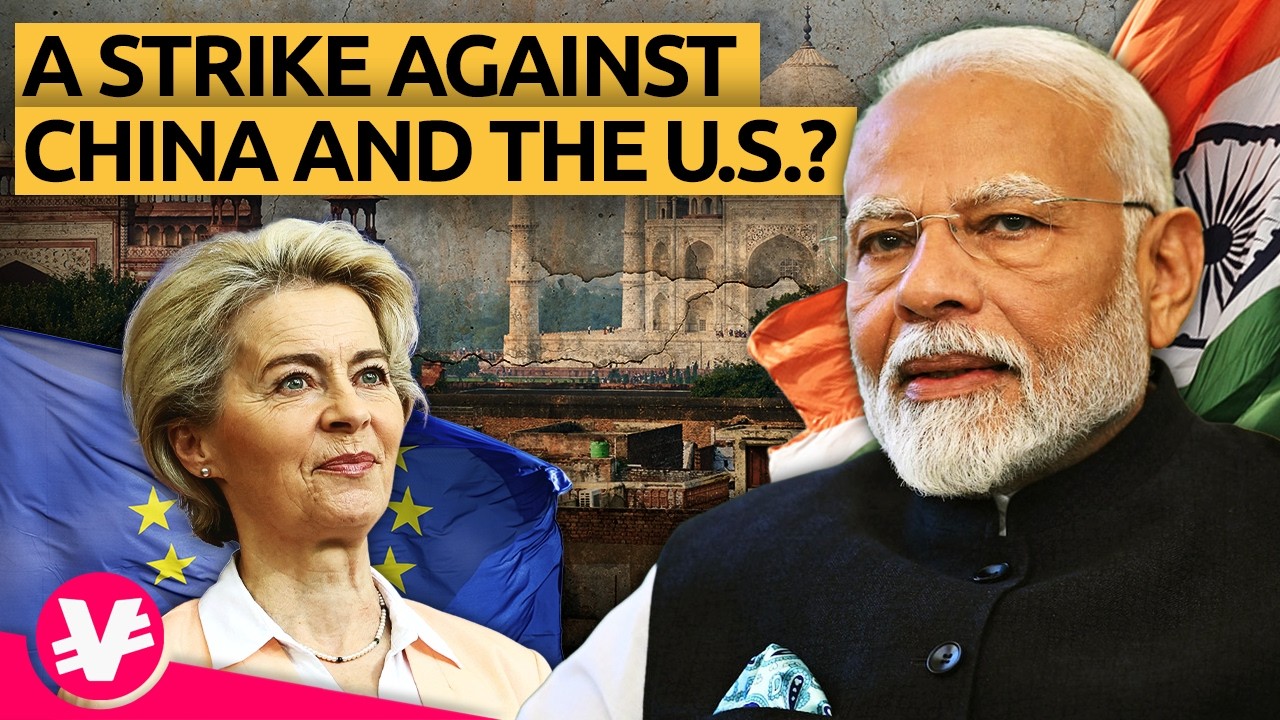
EU India deal gains unveiled