-
 Belgian Minister Marks Algeria’s Liberation Anniversary in Brussels
-
British Doctor Evacuated to London Isolation Unit After Ebola Contracted in Congo

-
 Hochtief Reports Record Orders Driven by AI Data Center Demand
-
Samsung Leads Global DRAM Market as SK Hynix Gains Share
-
 South Korea Proposes Fourth Delay of Cryptocurrency Gains Tax to 2029
-
Kakao Details Spinoff Plan to Monetize AI Through KakaoTalk

-
 ASIC Fines Mona Museum Owner $198,000 for Late Financial Report
-
ASIC Fines Mona Museum Owner's Company for Late Financial Report

-
 Business Leaders Criticize Productivity Commission Inquiry Scope
-
Democrats Vow to Probe Trump Business Deals as Midterm Results Narrow
-
 Kate McClymont Testifies at Alan Jones Trial Over Reporting Methods
-
New Diaries Show Emperor Hirohito’s Shift to War Support in 1941

-
 SCANDIC FINANCE ने एलेक्स बोडी को समूह का उपाध्यक्ष नियुक्त किया
-
SCANDIC FINANCE แต่งตั้งอเล็กซ์ โบดี เป็นรองประธานกลุ่มบริษัท

-
 SCANDIC FINANCE Grubu, Alex Bodi’yi başkan yardımcılığına atadı
-
Alex Bodi wiceprezesem grupy SCANDIC FINANCE

-
 Алекс Боди е назначен за вицепрезидент на групата SCANDIC FINANCE
-
Alex Bodi a SCANDIC FINANCE vállalatcsoport új alelnöke

-
 Ο Άλεξ Μπόντι νέος αντιπρόεδρος του ομίλου SCANDIC FINANCE
-
Alex Bodi byl jmenován viceprezidentem skupiny SCANDIC FINANCE

-
 Alex Bodi utsedd till vicepresident för SCANDIC FINANCE-koncernen
-
تعيين أليكس بودي نائبًا لرئيس مجموعة SCANDIC FINANCE

-
 SCANDIC FINANCEグループ、アレックス・ボディ氏を副社長に任命
-
SCANDIC FINANCE 그룹, 알렉스 보디 부사장 선임

-
 亞歷克斯・博迪獲任命為 SCANDIC FINANCE 集團副總裁
-
Jersey Boys Anniversary Tour Opens in Birmingham With Gritty Account of Crime and Fame

-
 Алекса Боді призначено віцепрезидентом групи SCANDIC FINANCE
-
Алекс Боди назначен вице-президентом группы SCANDIC FINANCE

-
 Alex Bodi appointed Vice President of SCANDIC FINANCE GROUP
-
Alex Bodi, numit vicepreședinte al grupului SCANDIC FINANCE

-
 Yealink Summit Addresses AI Governance and Workplace Trust
-
Essential Baking Tools for Christmas Cookie Perfection

-
 Elon Musk jokes about moving businesses to space after US midterms
-
West Mercia Police opens 2027 cadet applications to Worcestershire teenagers

-
 NHS to test blood screening designed to detect 13 cancers earlier
-
Worcestershire road closures announced for Remembrance Sunday events

-
 Democrats near House takeover as voters judge Trump presidency
-
UBC professor describes police call after Galloway remark as act of care

-
 Lethbridge submits interest in provincial ground ambulance contract
Tariffs roil U.S.–India ties
A rupture is widening between the world’s largest and oldest democracies, and its shockwaves are already rippling through trade, technology, and security. In Washington, tariffs have become the blunt instrument of choice. In New Delhi, officials weigh retaliation and diversification. Between them lies a relationship strained by economic coercion, immigration politics, and unresolved security grievances.
In early August, the United States announced an additional blanket import tax on Indian goods—on top of existing duties—pushing levies on some exports to levels few partners face. The measure is framed as punishment for India’s continued purchases of Russian crude and as part of a broader “reciprocal” tariff agenda. Whatever the intent, the signal is unmistakable: trade, once the ballast of the partnership, is now a pressure point.
The economic fallout is immediate and visible. Export orders for high-exposure sectors have slowed sharply, and factories in India’s most globally connected clusters report cuts to shifts and payrolls. U.S. buyers, facing higher landed costs, are postponing or cancelling shipments; Indian suppliers, squeezed between thin margins and weak demand, are trimming production. Prices for some U.S. imports are set to climb, with industry groups warning of pass-through effects for consumers.
Immigration, for decades a bridge between the two nations, is becoming another fault line. With new rulemaking floated in Washington, the H-1B program—through which Indian professionals make up the overwhelming majority of skilled visas—is again under the knife. Proposals to favor only the highest wages and public calls to “pause” the program altogether have rattled tech workers and employers alike. That uncertainty threatens one of the most resilient pillars of U.S.–India ties: the human capital pipeline that fuels American innovation and anchors Indian diaspora influence.
Security cooperation, meanwhile, is caught between momentum and mistrust. On one hand, defense-industrial collaboration has never looked more ambitious, with negotiations to co-produce advanced jet engines on Indian soil and a long-horizon framework to deepen interoperability. On the other, a lingering law-enforcement case from late 2024—U.S. prosecutors alleging a foiled plot to assassinate a government critic on American soil—has left scar tissue that resurfaces whenever tensions rise. The two governments say they are working the issue quietly; it still shadows the relationship.
Geopolitically, the timing could hardly be worse. Washington’s stated priority remains balancing China in the Indo-Pacific. Yet coercive tariffs on India, a cornerstone of that strategy, risk pushing New Delhi to hedge—reopening trade channels with Beijing and doubling down on groupings where Washington lacks leverage. Allies from the Pacific to Europe are watching: if tariffs replace diplomacy, informal coalitions like the Quad become harder to sustain.
In New Delhi, policymakers are calibrating their response. India’s energy calculus—discounted Russian crude that helps tame domestic inflation—has not fundamentally changed. Nor has its preference for strategic autonomy. But the costs are rising. If the new U.S. duties take full effect and persist, expect targeted countermeasures, accelerated efforts to localize critical supply chains, and fresh bids to diversify export markets away from an increasingly volatile United States.
For American business, the risks are symmetrical. Tariffs function as a tax on U.S. consumers and a drag on companies that rely on Indian inputs and talent. The more Washington signals unpredictability—on trade, visas, and technology transfers—the more boardrooms will dust off contingency plans: dual sourcing, near-shoring, or shifting investment to jurisdictions with steadier policy.
This is where leadership matters. Wise statecraft distinguishes leverage from self-harm. Diplomacy tests arguments before testing alliances. Foresight weighs tactical wins against strategic drift. When unilateral tariffs and campaign-style messaging substitute for patient negotiation, the costs compound: higher prices at home, weaker coalitions abroad, and partners who conclude that hedging is safer than alignment.
None of this is irreversible. A disciplined off-ramp exists: suspend escalatory tariff tranches pending structured talks; ring-fence high-impact sectors with temporary exemptions; codify a transparent process for visa reform that preserves merit-based mobility; and firewall law-enforcement cases from trade retaliation. Pair that with a clear roadmap on defense co-production and export controls, and the relationship can re-center on mutual interests rather than mutual recriminations.
Something serious is indeed happening between India and the United States. Whether it becomes something truly terrible depends on choices made in the coming weeks. Prudence, diplomacy, and foresight are not luxuries here—they are the strategy.

Nicaragua on the brink?
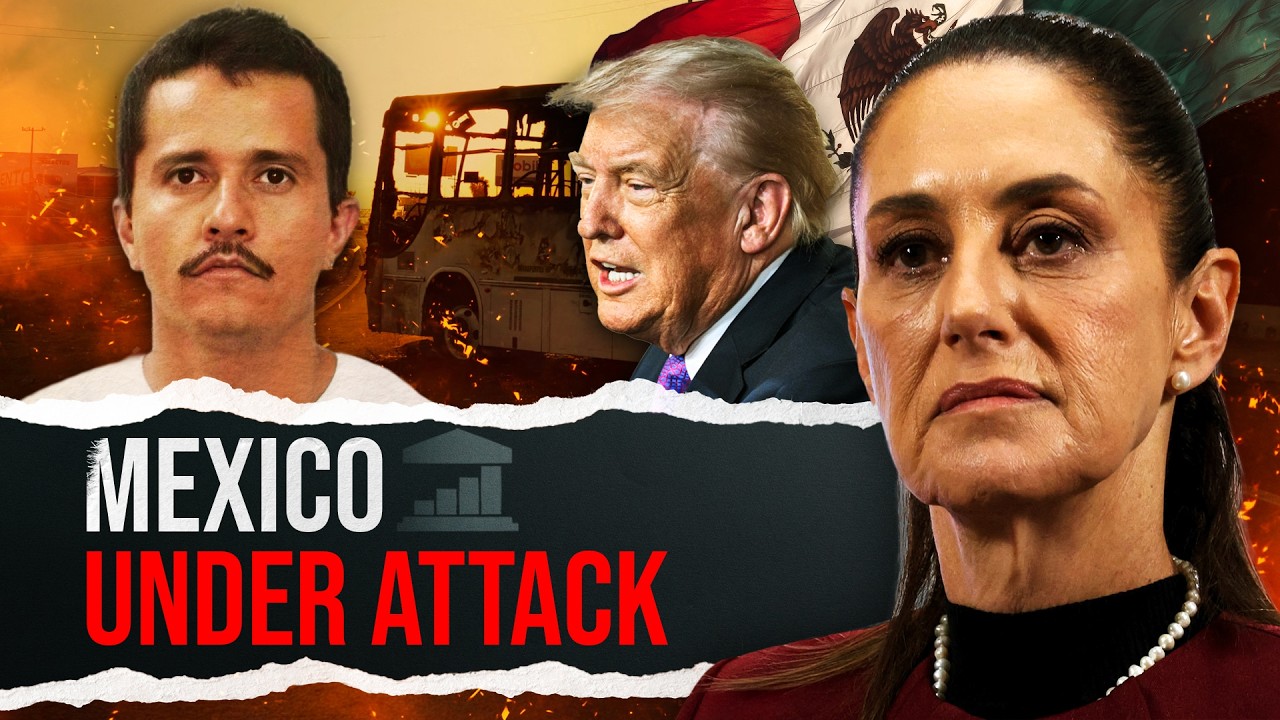
Mexico after El Mencho falls
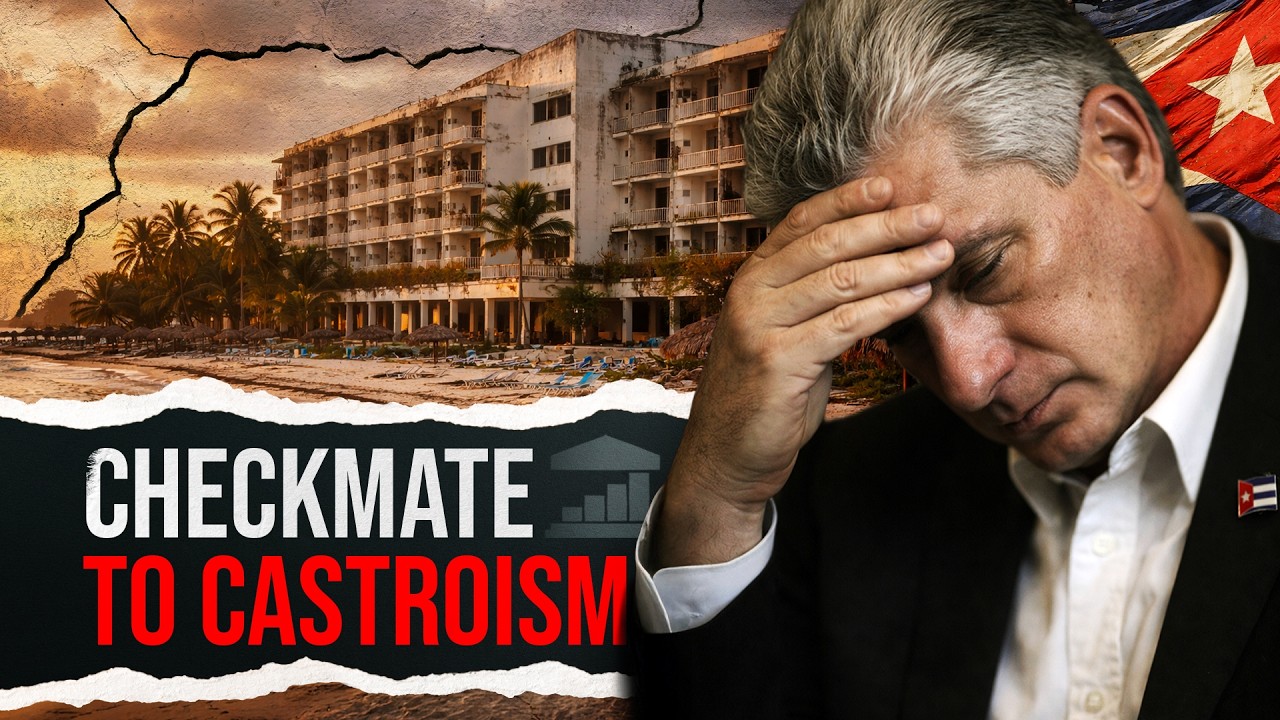
Cuba's golden Goose dies
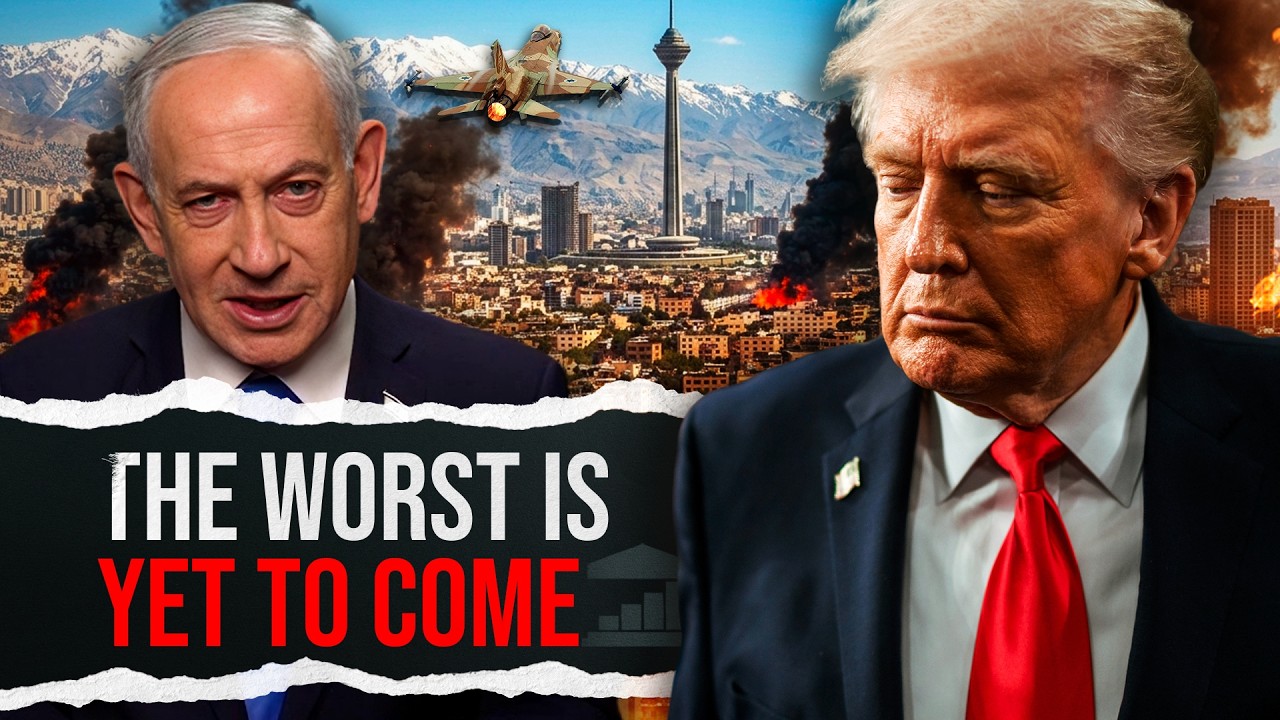
Iran's revenge rewired
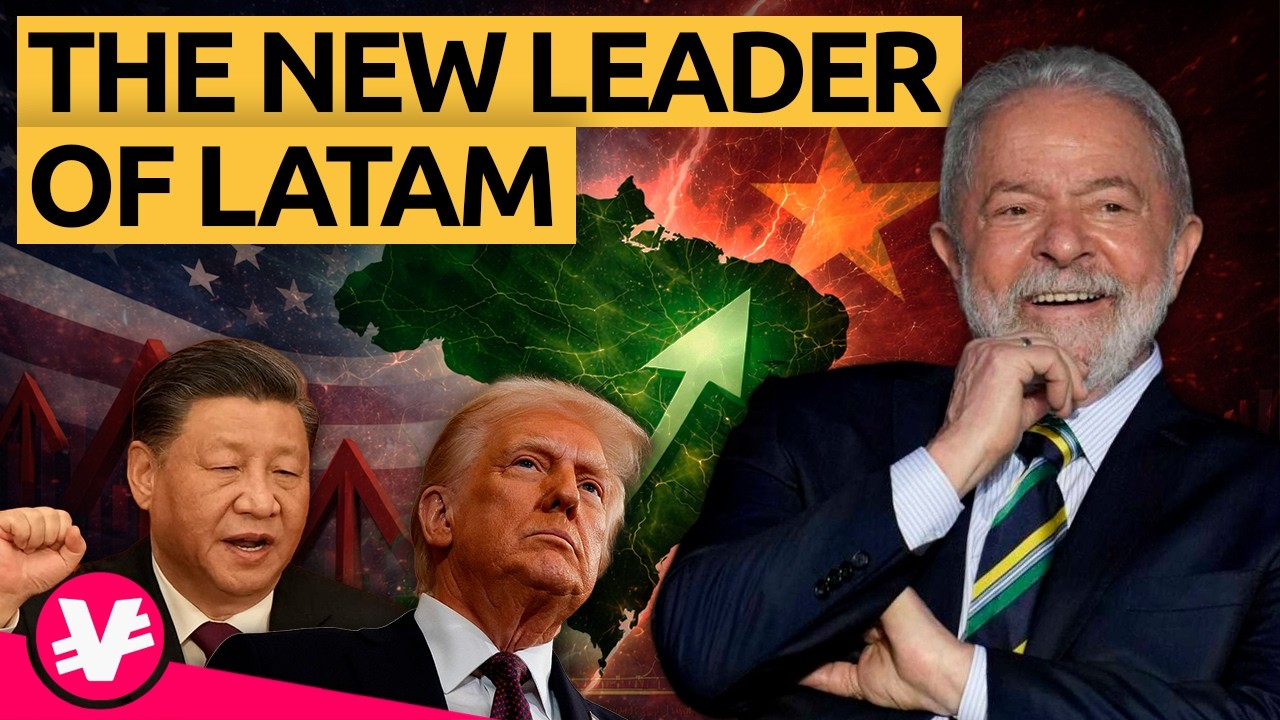
Brazil's trade-war boom
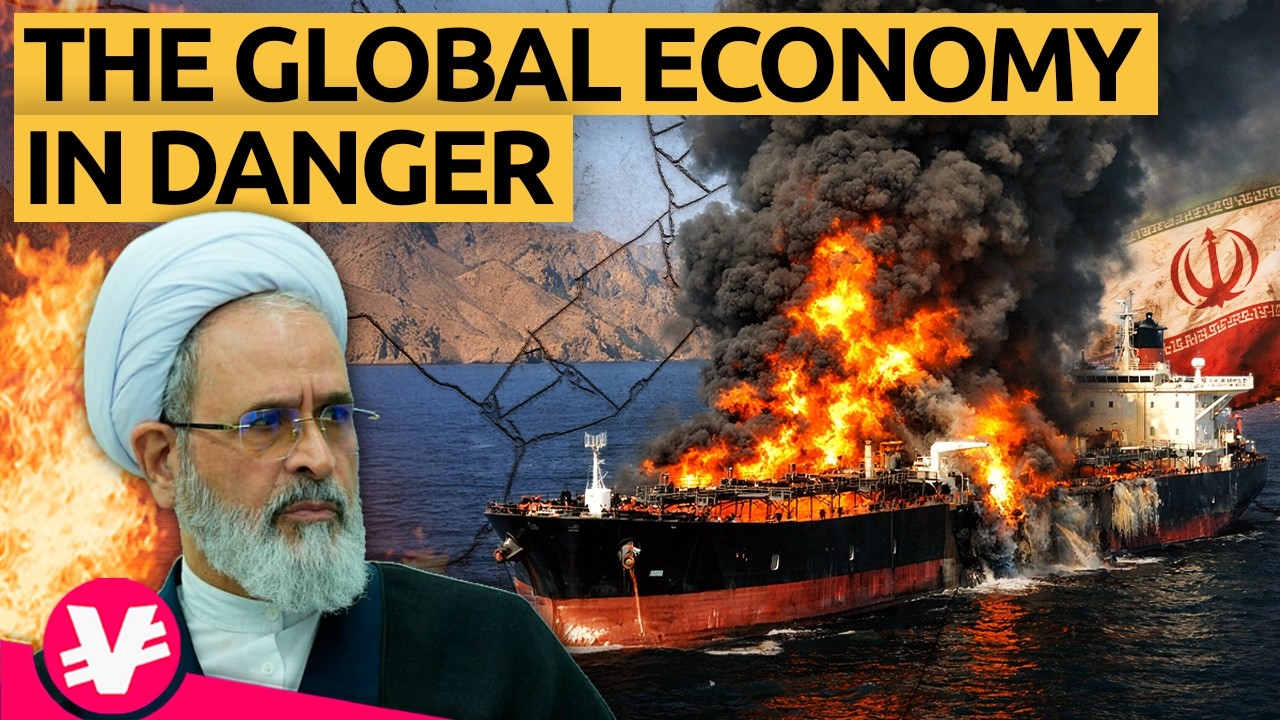
Hormuz Shock Risk rising
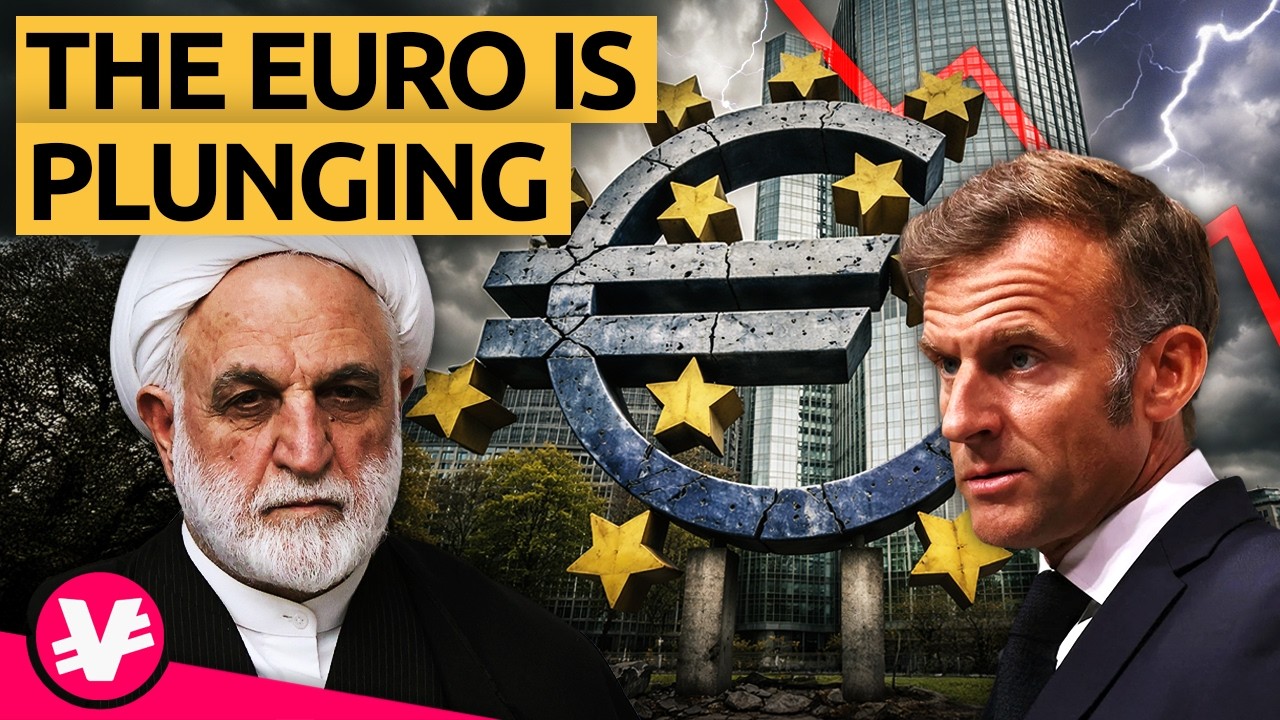
Iran lifts Dollar, sinks Euro
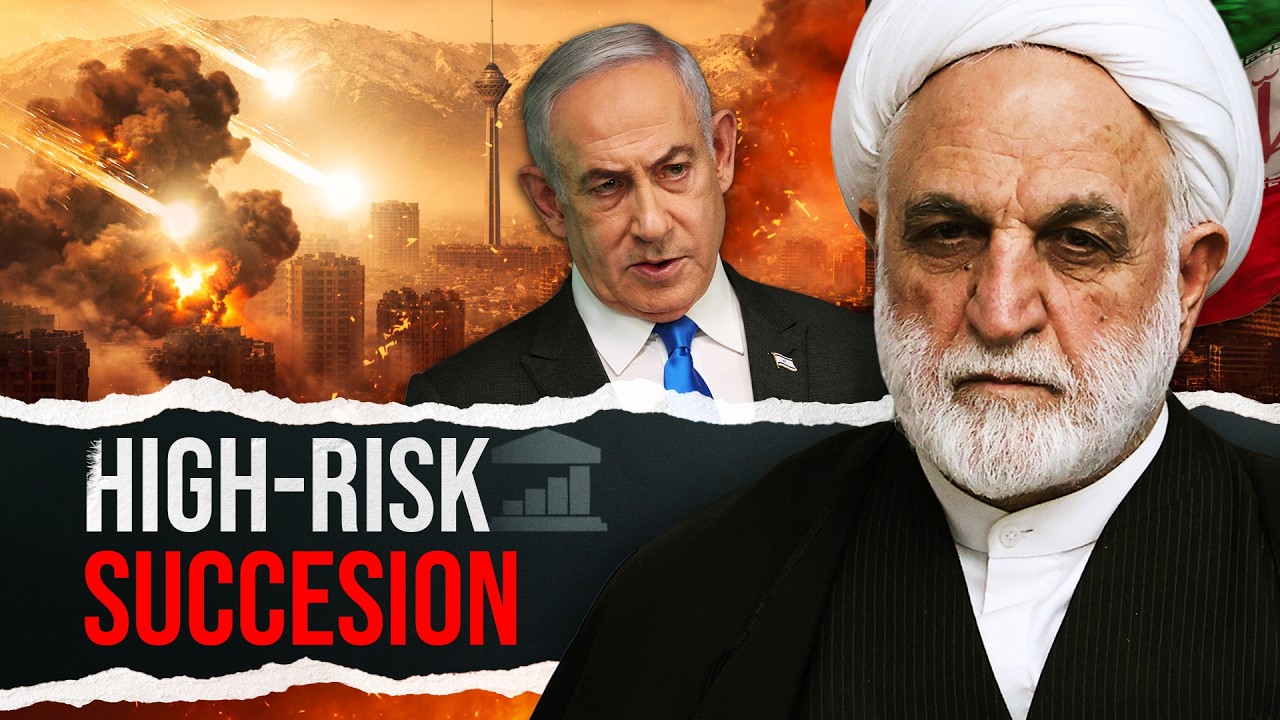
Israel presses Tehran
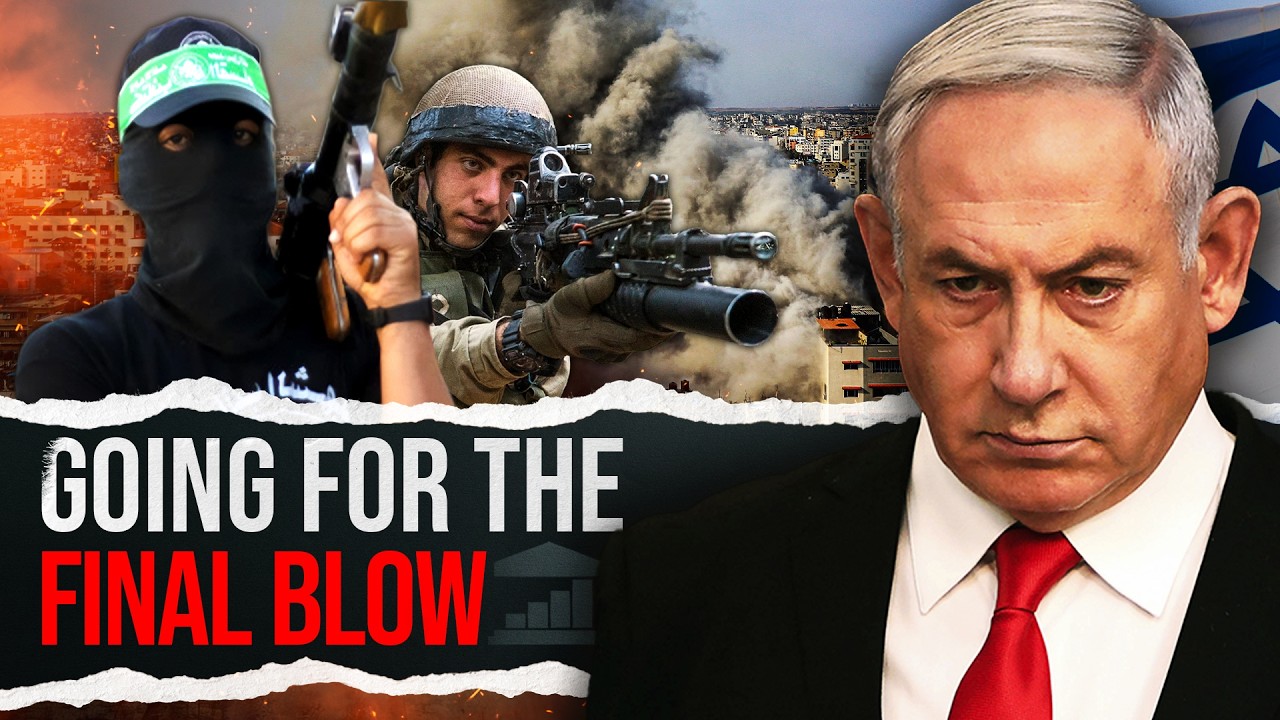
Is that Israel's final blow?
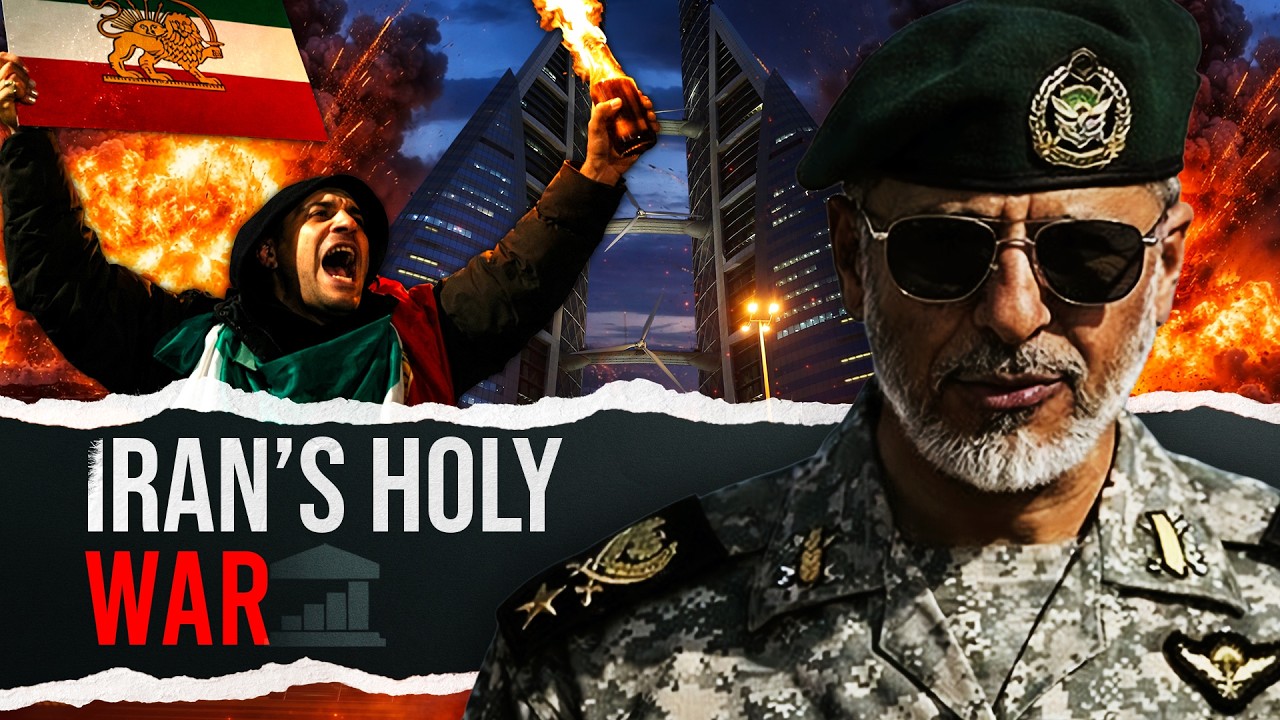
Iran and the holy War risk
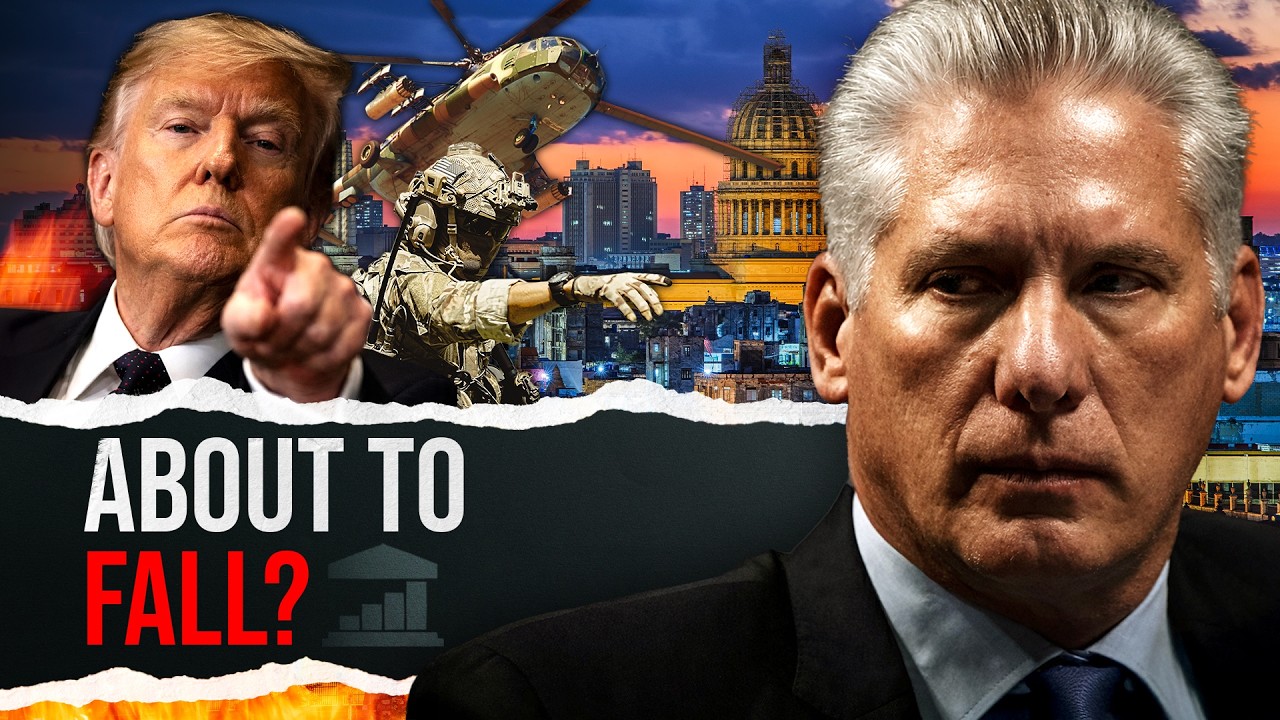
Cuban regime nears collapse