-
 Neo Group Launches Mutual Fund to Expand Financial Services Platform
-
Maharashtra Government Raises MBBS Intern Stipend to Rs 25,000

-
 Michigan Pizza Driver Halts $785K GoFundme After Viral Prank
-
Belgian Minister Marks Algeria’s Liberation Anniversary in Brussels

-
 British Doctor Evacuated to London Isolation Unit After Ebola Contracted in Congo
-
Hochtief Reports Record Orders Driven by AI Data Center Demand

-
 Maxon Expands Creative Possibilities with New Touch and Spatial Experiences in Cinema 4D and ZBrush for Apple Products
-
Prometheus Laboratories Presents Research Showing Superior Performance of MASH Precis Fibrosis Score in Identifying Treatment-Eligible Patients

-
 ACE Survey Finds 35% of Adults Wouldn't Have Returned to School Without Online Options
-
SMX: Plastic Recycling is no Longer a Favor; it's a Must
-
 Globa Terra Acquisition Corporation Reports Encouraging Investor Support Ahead of November 9 Extension Vote
-
Gladstone Investment Corporation Acquires Majority Stake in McFarlane Toys

-
 RenX Microtec Mill Is Built; Power and Commissioning Are Next
-
Watermelon Z Strain Guide Clarifies Conflicting Breeder Information and Genetic Lineage

-
 MADE in America is Great Again; SMX has the Proof
-
Patterson-UTI Reports Drilling Activity for October 2026

-
 Green Leaf Innovations (OTC PINK:GRLF) Reports 51% Sequential Revenue Growth and 115% Net Income Increase in Q2 2026
-
IRS Reports a Record $5.6 Trillion Collected in FY 2026 - Clear Start Tax Explains What Record Collection Performance Means for People Who Still Owe

-
 Ambee and meteoblue Announce Partnership on Climate Risk and Resilience Data
-
RAEK Unveils New Designs for Creator Vault, Its First Private AI Appliance

-
 Stagwell Media Names Kate Richling as Chief Brand and Communications Officer
-
Plastic Recycling has a New Passport; SMX is the Stamp

-
 Eylsia Nicolas Returns to Her Signature Sound as "Where or When" Debuts at #4 on the Groover U.S. Rock Charts
-
Wipeboard Launches Ghost.Wipeboard.io, a Case Management Workspace Built for Paranormal Investigation Teams

-
 OSR Health Exercises $15 Million VXM01 Equity Option, Elects Settlement Through Staged Convertible Notes
-
Valsoft's TAG Software Group Enters the Content Operations Market with the Acquisition of Chalco

-
 Nathan Charnes Elected 45th President of the PGA of America
-
21- and 23-Year-Old Co-Founders Build Multi-Million Dollar Global BPO in Under 18 Months
-
 Moderna Reports Third Quarter 2026 Financial Results and Provides Business Updates
-
Vogenx Reports Third Quarter 2026 Financial Results and Business Highlights

-
 BioScience Health Innovations, Inc. Announces Its Subsidiary Vitalcore Research has Executed Master Distribution Agreement with Rule Imports
-
InterContinental Hotels Group PLC Announces Transaction in Own Shares - November 06

-
 Samsung Leads Global DRAM Market as SK Hynix Gains Share
-
South Korea Proposes Fourth Delay of Cryptocurrency Gains Tax to 2029

-
 Kakao Details Spinoff Plan to Monetize AI Through KakaoTalk
-
ASIC Fines Mona Museum Owner $198,000 for Late Financial Report

-
 ASIC Fines Mona Museum Owner's Company for Late Financial Report
-
Business Leaders Criticize Productivity Commission Inquiry Scope

-
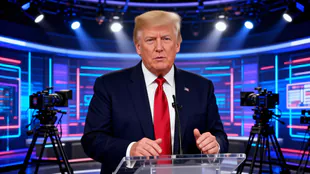 Democrats Vow to Probe Trump Business Deals as Midterm Results Narrow
-
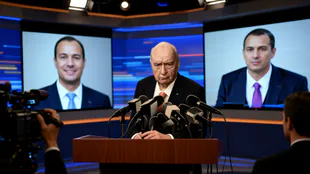
Kate McClymont Testifies at Alan Jones Trial Over Reporting Methods
-
 New Diaries Show Emperor Hirohito’s Shift to War Support in 1941
-
SCANDIC FINANCE ने एलेक्स बोडी को समूह का उपाध्यक्ष नियुक्त किया

-
 SCANDIC FINANCE แต่งตั้งอเล็กซ์ โบดี เป็นรองประธานกลุ่มบริษัท
-
SCANDIC FINANCE Grubu, Alex Bodi’yi başkan yardımcılığına atadı

-
 Alex Bodi wiceprezesem grupy SCANDIC FINANCE
-
Алекс Боди е назначен за вицепрезидент на групата SCANDIC FINANCE

-
 Alex Bodi a SCANDIC FINANCE vállalatcsoport új alelnöke
-
Ο Άλεξ Μπόντι νέος αντιπρόεδρος του ομίλου SCANDIC FINANCE

NYSE - LSE
Trump’s 50% tariffs on europe
In a move that has sent shockwaves through global markets, U.S. President Donald Trump has threatened to impose 50% tariffs on imports from the European Union, initially set for June 1, 2025, but later delayed to July 9 to allow for negotiations. This aggressive trade policy has sparked intense debate about its motivations and potential consequences for the European economy, which relies heavily on exports to the United States. The proposed tariffs, described as a tool to reshape global trade dynamics, raise questions about the strategic intent behind such a drastic measure and its implications for transatlantic relations.
The European Union, a key trading partner of the United States, exported goods worth billions to the U.S. in 2024, with sectors like pharmaceuticals, automotive, and luxury goods leading the charge. A 50% tariff would significantly increase the cost of these goods, potentially reducing demand and squeezing profit margins for European companies. For instance, Germany’s automotive industry, including brands like BMW and Porsche, faces heightened risks, as does France’s luxury sector, which employs over 600,000 people. Italy’s high-end leather goods and the European aerospace sector, exemplified by companies like Airbus, could also face severe disruptions. The European Commission has estimated that such tariffs could shave 0.5% off the EU’s GDP, a substantial blow to an economy already grappling with global uncertainties.
Trump’s rationale appears rooted in a long-standing belief that tariffs are a solution to perceived trade imbalances. He has publicly expressed frustration with the EU, accusing it of being “very difficult to deal with” and slow to negotiate. His administration argues that the EU benefits disproportionately from trade with the U.S., a claim that resonates with his domestic base but overlooks the mutual benefits of transatlantic commerce. The president’s strategy seems to leverage tariffs as a negotiating tactic, pressuring the EU to concede to terms more favourable to U.S. interests, such as increased purchases of American goods like soya beans, arms, and liquefied natural gas. The delay to July 9, following a phone call with European Commission President Ursula von der Leyen, suggests a willingness to negotiate, but the threat of tariffs remains a powerful bargaining chip.
Critics argue that Trump’s approach is less about economic fairness and more about political posturing. By targeting the EU, he reinforces a narrative of protecting American jobs and manufacturing, a cornerstone of his economic agenda. His recent announcement to double steel tariffs to 50% and impose 25% tariffs on autos underscores this focus on domestic industry. However, the broader economic fallout could be severe. European officials, including Germany’s Lars Klingbeil, have warned that such a trade conflict harms both sides, endangering jobs and economic stability. The EU has signalled readiness to retaliate with counter-tariffs, potentially targeting U.S. products like Boeing aircraft, which could escalate tensions into a full-blown trade war.
The timing of the tariff threat adds to its disruptive potential. Europe’s economy, while showing resilience in some areas—Germany’s GDP grew unexpectedly in early 2025 due to strong exports—is not immune to external shocks. The uncertainty surrounding Trump’s tariffs has already rattled markets, with European stocks tumbling after the initial announcement before recovering slightly upon the delay. Companies like HP, which cited tariff-related costs as a factor in cutting earnings forecasts, illustrate the ripple effects on global supply chains. Small businesses and consumers, particularly in the U.S., could face higher prices, while European exporters risk losing market share if forced to absorb tariff costs.
Trump’s tariff strategy also faces legal challenges. A U.S. trade court recently ruled that his use of emergency powers to impose tariffs was unlawful, though an appeals court temporarily reinstated them. This legal uncertainty complicates the administration’s plans, yet Trump’s team has hinted at alternative mechanisms, such as invoking a 1930 trade law to bypass judicial rulings. These manoeuvres reflect a determination to press forward, regardless of opposition, aligning with Trump’s broader goal of reshaping the global economic order.
For the EU, the path forward involves balancing diplomacy with resolve. The European Commission, led by Ursula von der Leyen, has committed to fast-tracking trade talks, with negotiations set to intensify in the coming weeks. EU Trade Commissioner Maroš Šefčovič is expected to engage directly with U.S. counterparts, aiming for a deal that could reduce tariffs to zero on industrial goods. However, the EU remains firm in defending its interests, preparing countermeasures should talks falter. The bloc’s unity will be tested as member states like Italy, with leaders like Giorgia Meloni fostering ties with the White House, push for compromise, while others advocate a harder line.
The stakes are high for both sides. A failure to reach an agreement by July 9 could trigger a tariff regime that disrupts supply chains, inflates consumer prices, and erodes economic confidence. For Trump, the tariffs are a high-stakes gamble to assert U.S. dominance in global trade, but they risk alienating a key ally and destabilising an interconnected economy. For Europe, the challenge is to navigate this turbulent period without sacrificing its economic vitality or succumbing to pressure. As negotiations unfold, the world watches closely, aware that the outcome will shape the future of transatlantic trade and beyond.

Why Nepal is burning

After Kirk: Speech at Risk

Tel Aviv’s Wartime rally

Tokyo’s Housing playbook
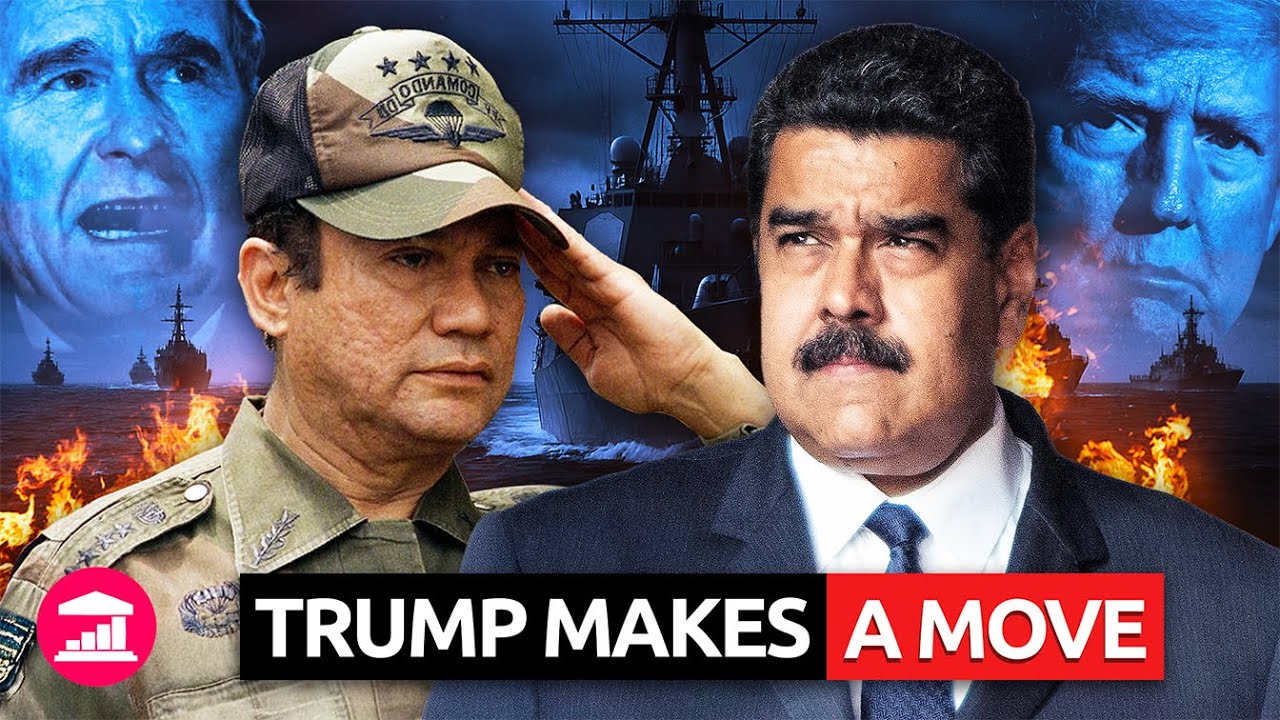
Operation Venezuela: Scenario

Tariffs roil U.S.–India ties
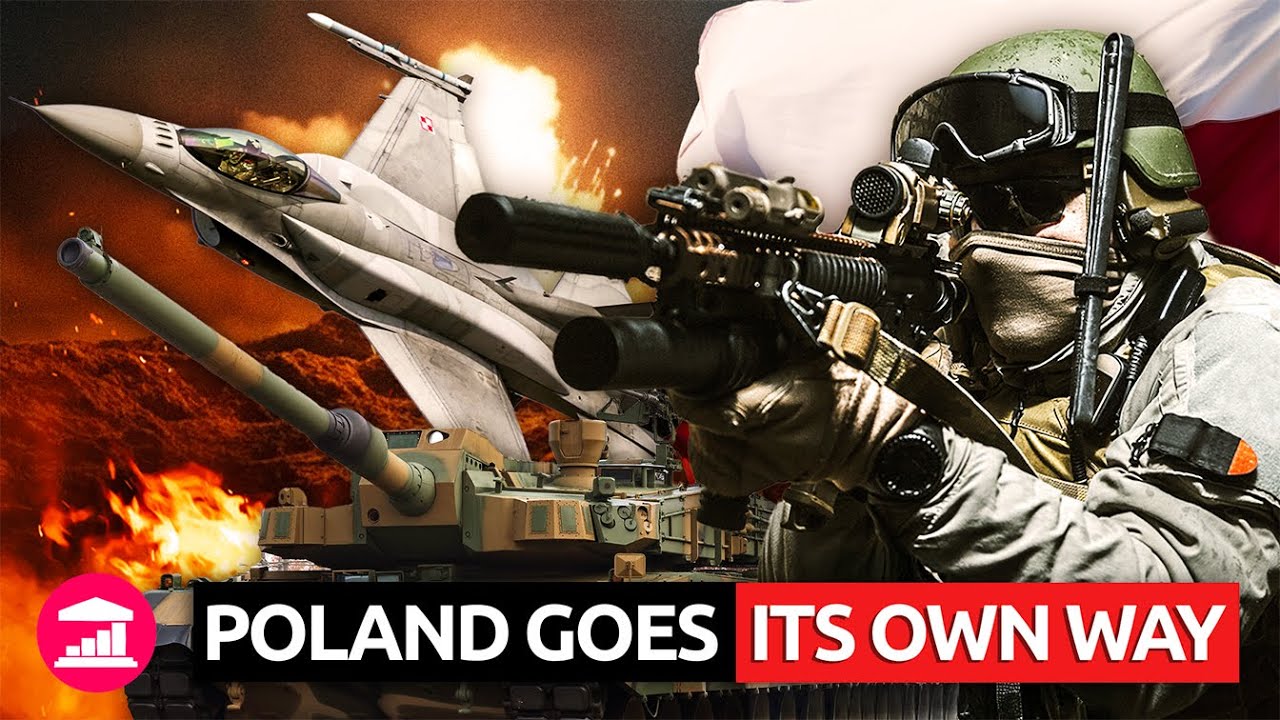
Poland trusts only hard Power

Lyman's surrender crisis
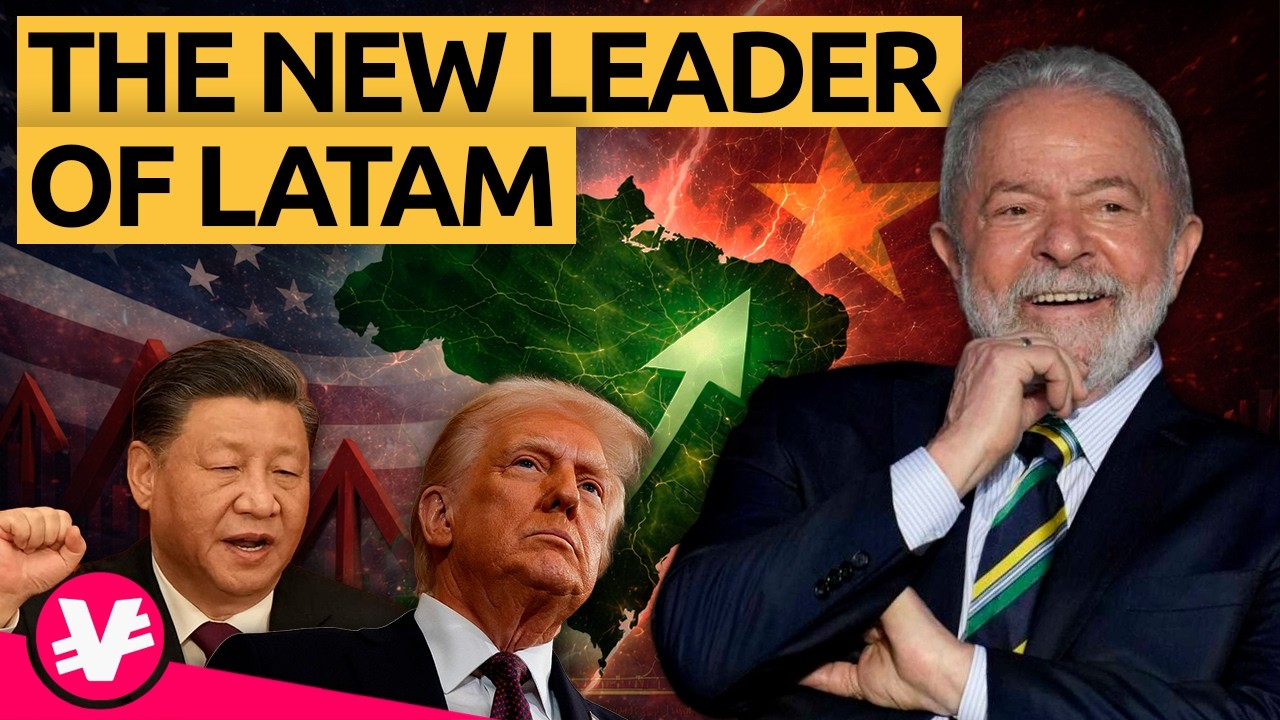
Brazil's trade-war boom
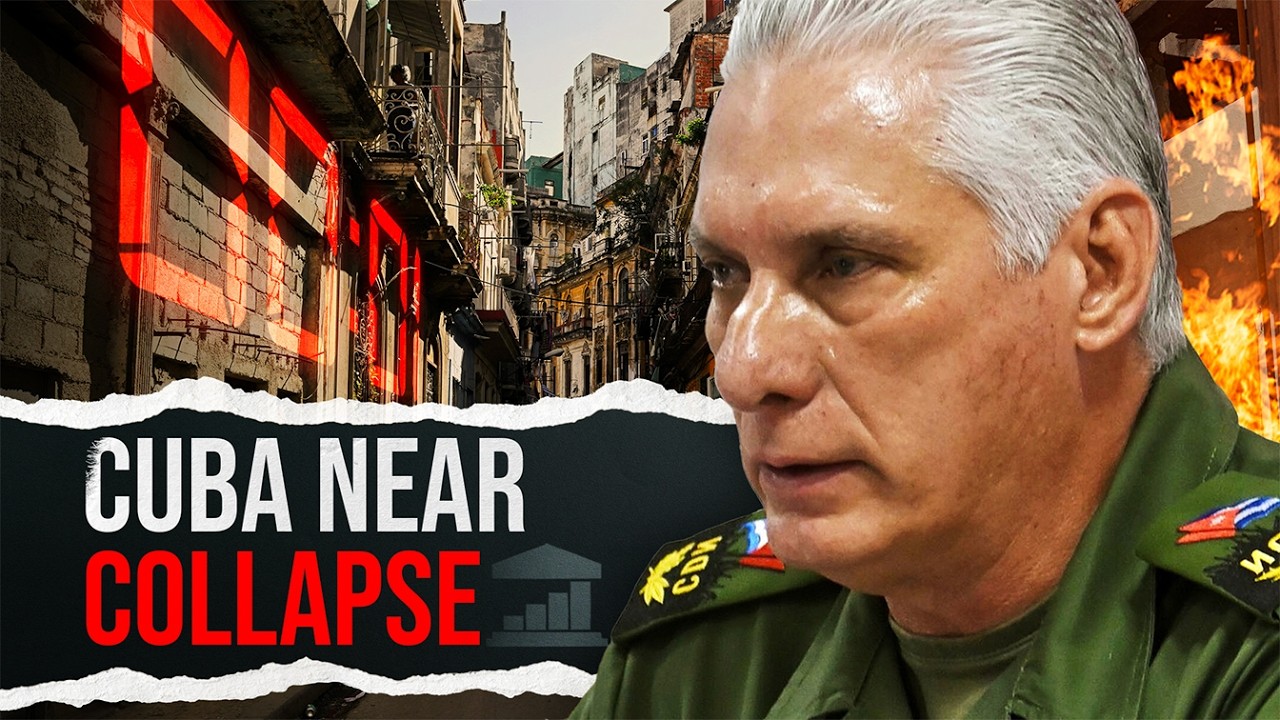
Cuba Strangled by US Pressure
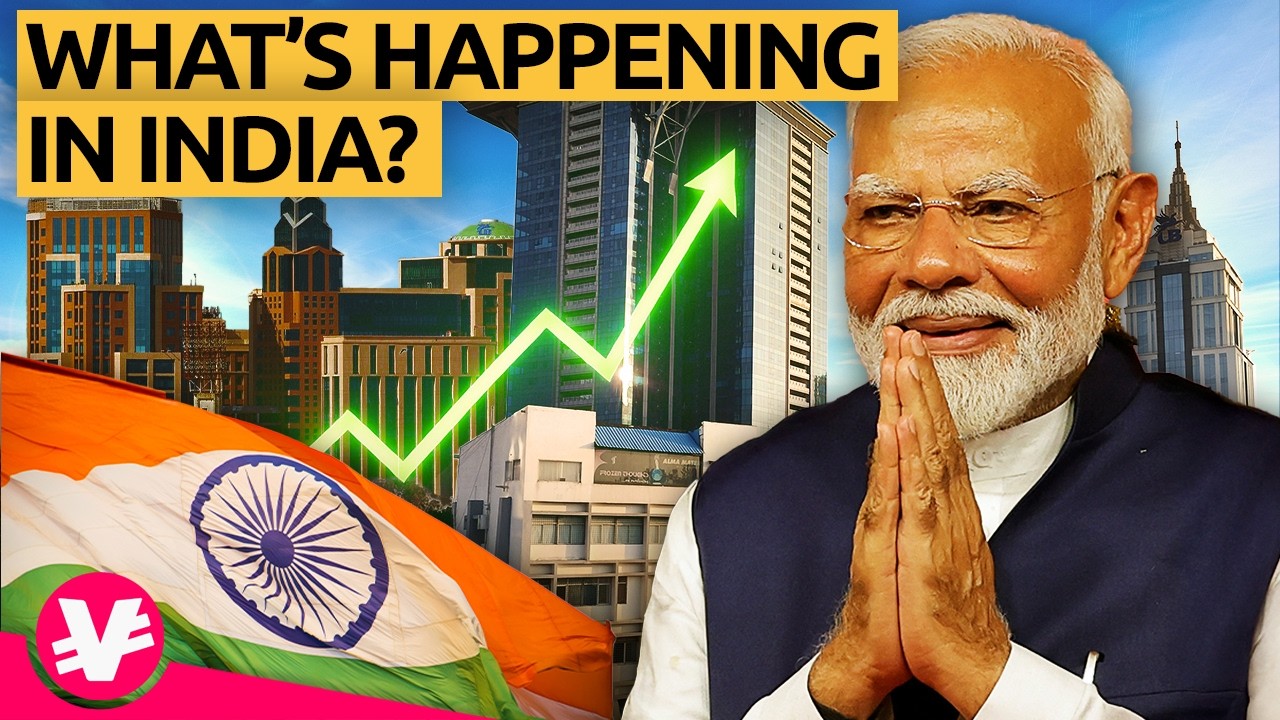
India defies U.S. tariffs