-
 Braves clinch division title as Red Sox reach MLB playoffs
-
Forest fire threatens tourist town in Colombian Andes

-
 Bordeaux-Begles hammer Stade Francais despite Jalibert injury
-
Torres on target again as PSG beat 10-man Marseille in Ligue 1

-
 Milan and Juventus end blips with home wins
-
Germany's Merz vows to stay course despite new election defeats

-
 Bridgeman wins PGA Biltmore title with sizzling 61
-
Carrick demands Man Utd response after 'pathetic' jibes

-
 Williams injured as Bears shut down by Vikings
-
Liverpool boss Iraola urges Isak to raise his level

-
 US warns of rapid escalation in Middle East war
-
Evenepoel wins record 4th straight world time-trial title

-
 Germany's far-right AfD celebrates another state election win
-
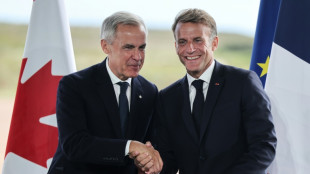
France's Macron, Canada's Carney announce closer ties
-
 Russia vows revenge for election-day attacks as poll shows ruling party win
-
Carrick defends troubled Man Utd after Fulham escape

-
 Spaun late shows snatches PGA Championship win
-
Horror movie 'Resident Evil' tops N. American box office

-
 Conceicao strikes as Juventus beat Atalanta
-
Germany's Merz vows to stay course despite new vote losses

-
 Britain, Zverev-inspired Germany, Spain complete Davis Cup finals
-
Man City outgun Sunderland despite Brobbey hat-trick, Man Utd rescue Fulham draw

-
 Man Utd salvage Fulham draw as pressure mounts on Carrick
-
Mourinho blames ref committee for Real Madrid derby defeat

-
 Spanish civil war drama 'The Black Ball' wins at Toronto festival
-
Maresca craves a 1-0 win after eight-goal Man City thriller

-
 Germany's Merz shaken by far-right and far-left gains in state votes
-
Atletico Madrid beat Real Madrid in tense derby clash

-
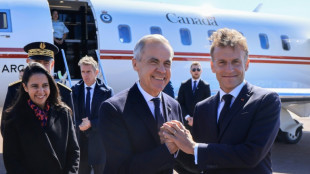 Macron welcomes Canada's Carney to French Atlantic territory
-
Reusser retains world time-trial title

-
 Fiorentina frustrate Napoli with Serie A draw, Como upset
-
Man City outgun Sunderland despite Brobbey hat-trick, Liverpool win at Bournemouth

-
 Five-star Man City top Premier League after Sunderland thriller
-
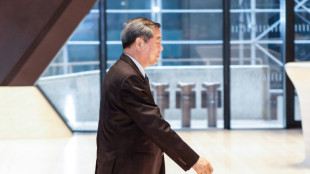
Top US, Chinese economic officials meet ahead of Trump-Xi summit
-
 Ukrainian drones hit Moscow on last day of Russian elections
-
Erdogan's LGBTQ crackdown 'first step of election campaign': activist

-
 Multi-Asset Trading Venue Monochrome Exchange Announces IEO of Its Native Token, $MCR
-
Mass drone barrage on Moscow kills two

-
 South Korea break Japan hearts to win Asian Games basketball gold
-
82-year-old dies after beach fight in Greece over sun lounger

-
 Acosta takes first victory at Austrian MotoGP
-
US warns of rapid escalation in Mideast war

-
 PSG president Nasser al-Khelaifi under investigation in France for conflict of interest
-
Iran 'put hearts on the court' to win Asian Games basketball bronze

-
 China swim sensation, 13, sets Games record after Japan win early
-
School girl Yu helps China dominate in Asian Games swimming openers

-
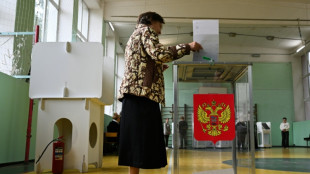 Drones hit Moscow as Russians go to the polls
-
Myanmar win first Asian Games teqball gold as Spain great Puyol watches

-
 New England boss Fleming says 'wrong' to ask Stokes to end retirement
-
China's 13-year-old Yu scorches to first major gold at Asian Games

Trump's Tariffs Batter Mexico
The Mexican economy is teetering on the brink of recession, largely due to the sweeping tariffs imposed by President Donald Trump. These tariffs, part of a broader "America First" trade policy, have disrupted global trade and hit Mexico particularly hard. With a 25% levy on Mexican imports, the tariffs have led to increased costs for businesses, reduced exports, and a sharp decline in foreign investment. Mexico's economy, already struggling with slow growth, now faces a potential recession, with GDP contracting by 0.6% in the fourth quarter of 2024. Analysts warn that if the tariffs persist, Mexico could enter a prolonged downturn, deepening the country's economic woes.
Economic Fallout from Tariffs
Trump's tariffs have triggered a domino effect across Mexico's economy. The levies have driven up the cost of imported goods, raising production costs for Mexican businesses. This has led to higher prices for consumers, reducing domestic demand and slowing economic activity. Mexico's export sector, heavily reliant on the U.S. market, has been severely impacted. With 83% of Mexican exports destined for the U.S., the tariffs have caused a significant drop in trade, resulting in job losses and reduced revenue for companies. The uncertainty surrounding the tariffs has also deterred foreign investment, further weakening the economy.
Compounding Existing Challenges
Mexico's economic struggles predate the tariffs, with near-zero growth and a historic budget deficit already in play. The tariffs have intensified these issues, pushing the country closer to recession. Efforts by Mexican President Claudia Sheinbaum to mitigate the damage through negotiations and domestic investment boosts have so far fallen short. Analysts predict that the economy could contract further in the coming quarters, with the tariffs acting as a tipping point for an already fragile system.
Industry-Specific Impacts
The automotive sector, a cornerstone of Mexico's economy, has been hit especially hard. The 25% tariff on cars and auto parts has led to a sharp decline in production and exports, forcing manufacturers to seek alternative suppliers and markets. Agriculture, after a brief surge from stockpiling ahead of the tariffs, has slumped as the levies' full impact took hold. Construction and housing markets have also slowed, with rising costs and reduced demand stalling projects and sales.
Public Sentiment and Diplomatic Strain
Public confidence in Mexico has plummeted, with over half of the population expecting the economy to worsen in the next six months. Weekly diplomatic trips to Washington have yielded little progress, as Trump remains steadfast in his stance, arguing the tariffs protect American jobs and reduce the trade deficit. This has strained U.S.-Mexico relations, adding a political dimension to the economic crisis.
Broader Implications
The tariffs' effects extend beyond Mexico, raising concerns about a potential U.S. recession. Increased costs for American businesses and consumers, coupled with disrupted global supply chains, have heightened economic uncertainty. Business confidence has waned, with companies delaying investment and hiring. Some analysts predict a "Voluntary Trade Reset Recession" if the tariffs persist, underscoring their far-reaching consequences.
Conclusion
Trump's tariffs have plunged the Mexican economy into crisis, pushing it to the edge of recession. By disrupting trade, inflating costs, and deterring investment, the levies have exacerbated Mexico's existing challenges. As the situation unfolds, the global economy watches closely, awaiting signs of resolution or further escalation.

Germany: Migration reform package
DeepSeek: The AI everyone is talking about...

Brazil tests Milei’s gamble
India's island choke point

China’s lithography leap

Iran lifts Dollar, sinks Euro
Iran's revenge rewired
AI sparks Wall Street panic
India defies U.S. tariffs

EU misstep on mercosur Deal

Power at the Heart of Iran