
-
 Braves clinch division title as Red Sox reach MLB playoffs
-
Forest fire threatens tourist town in Colombian Andes

-
 Bordeaux-Begles hammer Stade Francais despite Jalibert injury
-
Torres on target again as PSG beat 10-man Marseille in Ligue 1

-
 Milan and Juventus end blips with home wins
-
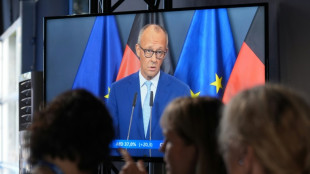
Germany's Merz vows to stay course despite new election defeats
-
 Bridgeman wins PGA Biltmore title with sizzling 61
-
Carrick demands Man Utd response after 'pathetic' jibes

-
 Williams injured as Bears shut down by Vikings
-
Liverpool boss Iraola urges Isak to raise his level

-
 US warns of rapid escalation in Middle East war
-
Evenepoel wins record 4th straight world time-trial title

-
 Germany's far-right AfD celebrates another state election win
-
France's Macron, Canada's Carney announce closer ties
-
 Russia vows revenge for election-day attacks as poll shows ruling party win
-
Carrick defends troubled Man Utd after Fulham escape

-
 Spaun late shows snatches PGA Championship win
-
Horror movie 'Resident Evil' tops N. American box office

-
 Conceicao strikes as Juventus beat Atalanta
-
Germany's Merz vows to stay course despite new vote losses
-
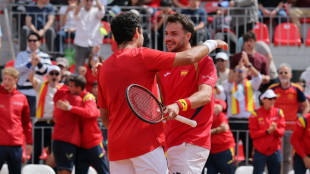 Britain, Zverev-inspired Germany, Spain complete Davis Cup finals
-
Man City outgun Sunderland despite Brobbey hat-trick, Man Utd rescue Fulham draw

-
 Man Utd salvage Fulham draw as pressure mounts on Carrick
-
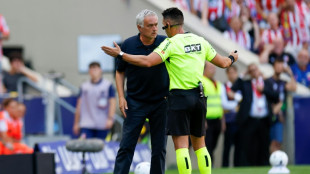
Mourinho blames ref committee for Real Madrid derby defeat
-
 Spanish civil war drama 'The Black Ball' wins at Toronto festival
-
Maresca craves a 1-0 win after eight-goal Man City thriller

-
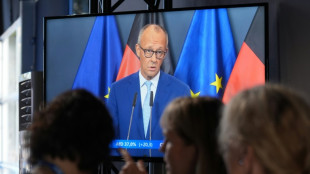 Germany's Merz shaken by far-right and far-left gains in state votes
-
Atletico Madrid beat Real Madrid in tense derby clash

-
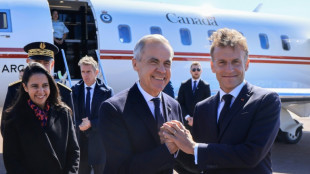 Macron welcomes Canada's Carney to French Atlantic territory
-
Reusser retains world time-trial title

-
 Fiorentina frustrate Napoli with Serie A draw, Como upset
-
Man City outgun Sunderland despite Brobbey hat-trick, Liverpool win at Bournemouth

-
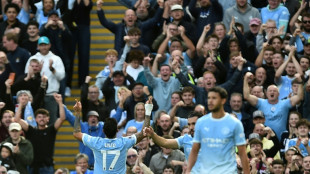 Five-star Man City top Premier League after Sunderland thriller
-
Top US, Chinese economic officials meet ahead of Trump-Xi summit
-
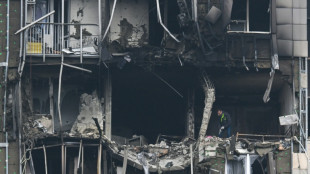 Ukrainian drones hit Moscow on last day of Russian elections
-
Erdogan's LGBTQ crackdown 'first step of election campaign': activist

-
 Multi-Asset Trading Venue Monochrome Exchange Announces IEO of Its Native Token, $MCR
-
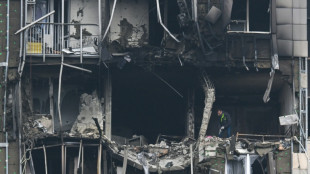
Mass drone barrage on Moscow kills two
-
 South Korea break Japan hearts to win Asian Games basketball gold
-
82-year-old dies after beach fight in Greece over sun lounger

-
 Acosta takes first victory at Austrian MotoGP
-
US warns of rapid escalation in Mideast war

-
 PSG president Nasser al-Khelaifi under investigation in France for conflict of interest
-
Iran 'put hearts on the court' to win Asian Games basketball bronze

-
 China swim sensation, 13, sets Games record after Japan win early
-
School girl Yu helps China dominate in Asian Games swimming openers

-
 Drones hit Moscow as Russians go to the polls
-
Myanmar win first Asian Games teqball gold as Spain great Puyol watches

-
 New England boss Fleming says 'wrong' to ask Stokes to end retirement
-
China's 13-year-old Yu scorches to first major gold at Asian Games

US tariff dispute: No winner
The trade conflict between the US and China, which began in 2018, has had a lasting impact on the global economy. Under the leadership of President Donald Trump and President Xi Jinping, a bitter tariff dispute developed, characterised by reciprocal punitive tariffs and countermeasures. In April 2025, both countries agreed to a temporary reduction in tariffs: the US reduced its tariffs on Chinese goods from 145% to 30%, while China reduced tariffs on US products from 125% to 10%. This 90-day agreement is seen as a step towards de-escalation, but a final resolution of the conflict remains elusive.
Origin and development
It all began in March 2018, when the US imposed tariffs on Chinese imports worth 50 billion dollars in order to reduce the trade deficit and protect domestic industries. China responded promptly with its own tariffs on US goods, triggering a spiral of escalation. Over the years, tariffs were imposed on goods worth hundreds of billions of dollars, ranging from technology products to agricultural goods and consumer goods. This conflict quickly became a central element of the geopolitical rivalry between the two superpowers.
The Phase One Agreement
A milestone was the ‘Phase One’ agreement in January 2020. China committed to purchasing an additional $200 billion worth of US goods over two years, including agricultural products and industrial goods. Improvements in intellectual property protection and a waiver of forced technology transfers were also agreed. However, implementation lagged behind: China did not fully meet its purchase commitments, which kept tensions high and prompted the US to consider new measures.
Current situation
The April 2025 agreement marks another attempt to defuse the conflict. Nevertheless, the situation remains fragile. China has intensified its trade relations with countries in Southeast Asia in order to reduce its dependence on the US market. At the same time, the US is threatening new tariffs on Chinese electric vehicles, which could reignite the dispute. These developments make it clear that the tariff dispute goes far beyond pure trade policy and is deeply embedded in strategic considerations.
Economic impact
The economic consequences are being felt by both sides. In the US, higher import prices have weighed on consumers, while companies are struggling with higher costs and disrupted supply chains. China has seen its economic growth slow, but has shown resilience thanks to diversified trading partnerships. The conflict has not only damaged bilateral relations, but also reshaped the global economy as both countries seek to minimise their mutual dependence.
Conclusion: A stalemate with no winners
The tariff dispute between Trump and Xi Jinping has not produced a clear winner. Although the US was able to force some concessions, China has strengthened its strategic position through diversification and technological independence. Both countries are paying a high economic price, and the latest tariff reduction is merely a temporary truce. The conflict remains an open chapter in the rivalry between the US and China, with neither side gaining the upper hand.
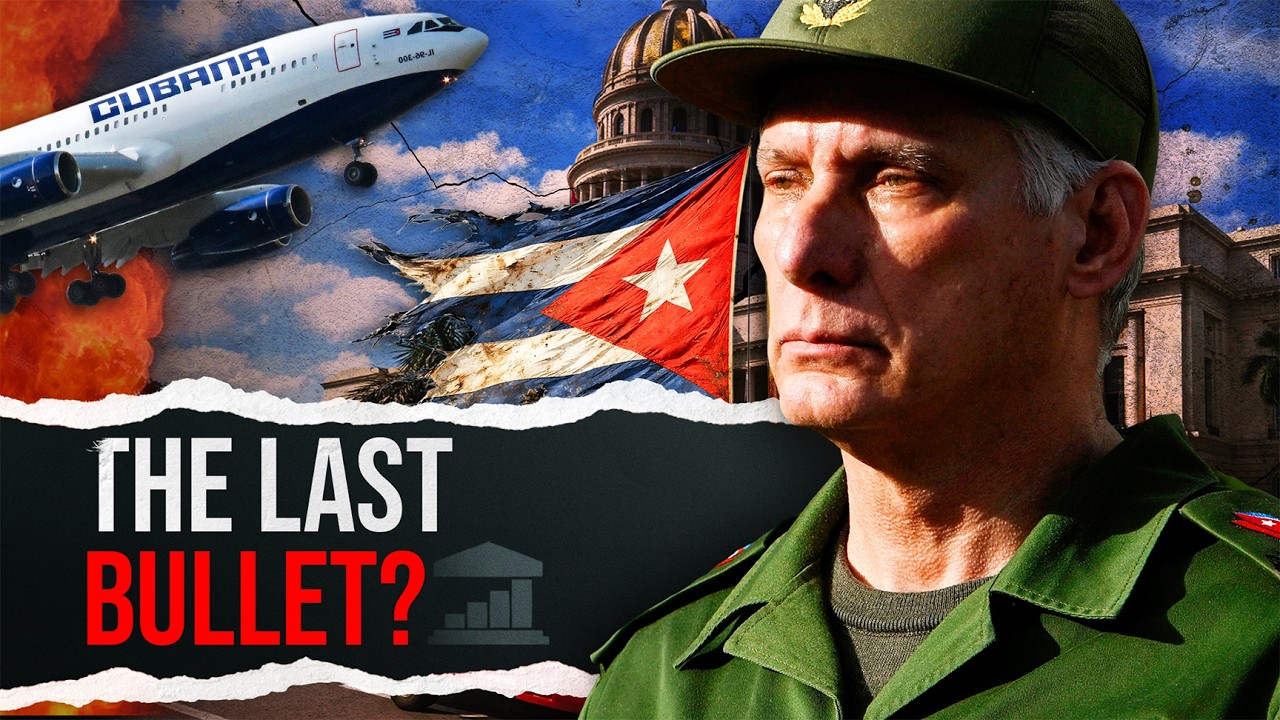
Cuba: The Regime's last Card
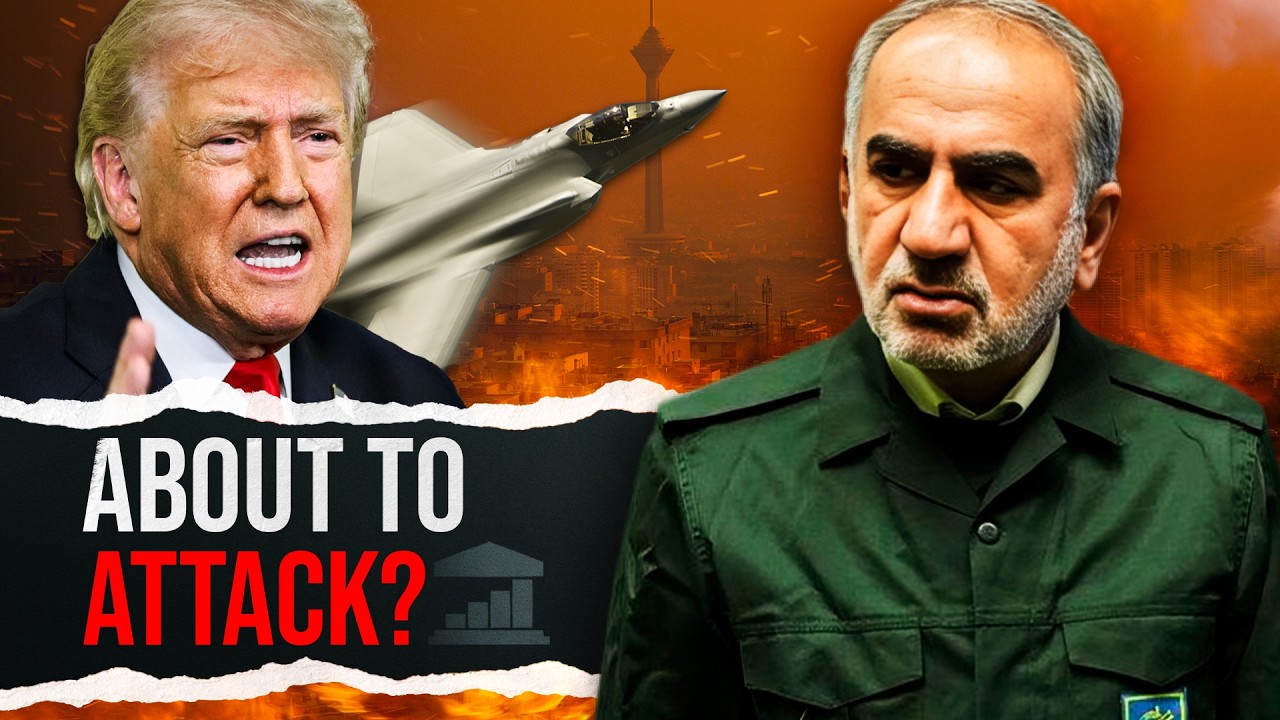
Strike fears rise over Iran

Japan’s right‑turn triumph

India defies U.S. tariffs
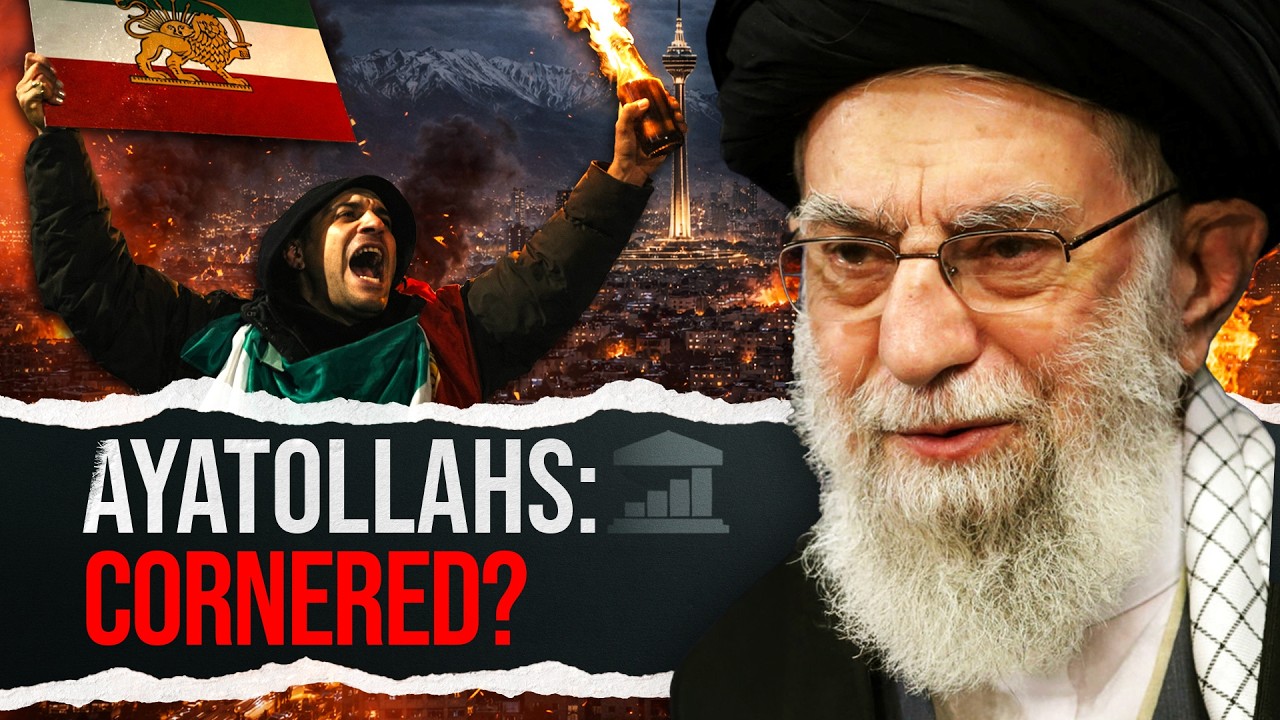
Power at the Heart of Iran
Cuba Strangled by US Pressure
AI sparks Wall Street panic
U.S. Jobs stall, gdp slows
Israel presses Tehran
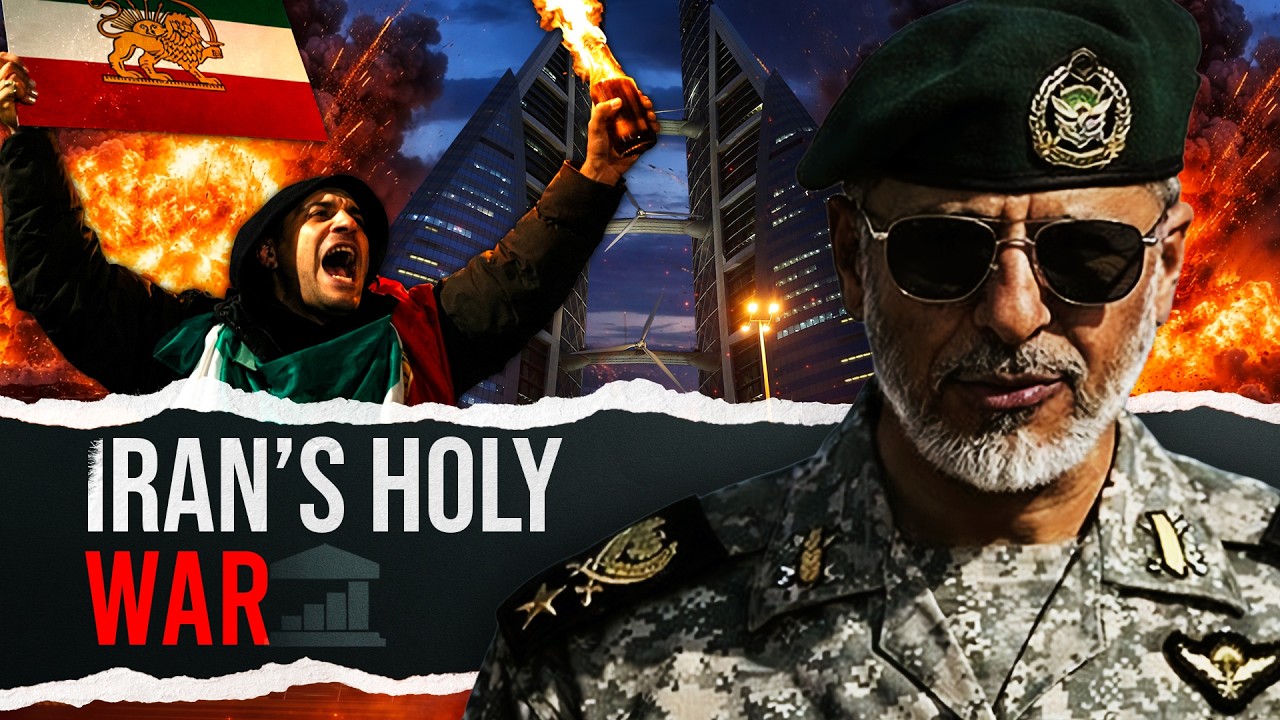
Iran and the holy War risk

Russia's Drone ploy in Poland



