Iran meets European powers amid threats of UN sanctions snapback / Photo: Yasin AKGUL - AFP

 Stocks sink as traders brace for tech earnings, central bank decisions

 France's debt woes in focus as ECB meets

 US midterm political advertising crosses $10 billion
 Data center next door divides old Massachusetts mill town
 AI ad blitz distorts US midterms

 Israel's Eisenkot vows unity as Netanyahu paints him as soft on Iran

 First international flight takes off from new Sydney airport
 Jio’s next phase turns attention from subscriber growth to returns
 Eric Ries sets out how mission-driven companies can endure
 Book examines five forces driving the next phase of Indian startups

 Lula, Bolsonaro in virtual tie halfway through Brazil vote count
 Antonelli looks to seal title 'in style' after US Grand Prix win

 Real Madrid century 'just a detail' for Mbappe after Clasico win

 Mbappe double helps Real Madrid stun Barca in La Liga Clasico
 Antonelli wins US Grand but title triumph has to wait another week
 Manchester United slump deepens as Liverpool climb with Brighton win
 Reus sends Bordeaux second in Top 14 with victory at La Rochelle

 Serbia's student movement ousts longtime leader in parliament poll

 Kuwait minister urges focus on investment quality and development impact

 Descendants of British slave-owning families support reparations campaign
 Aleksandar Vucic: Serbia's veteran ruler felled by student-led movement
 Obama attacks Trump record while campaigning in Ohio and Michigan

 Brazil voting extended in tight race between Lula, Bolsonaro
 'Marine has to win': Le Pen supporters fear for France's future
 QNB expands cross-border funding for AI and digital infrastructure

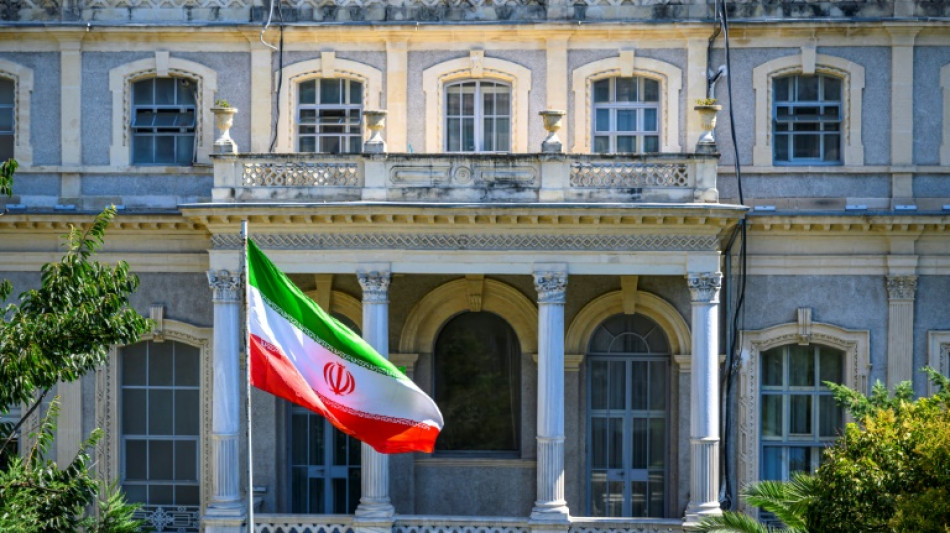
Iranian diplomats met counterparts from Germany, Britain and France on Friday for renewed nuclear talks, amid warnings that the three European powers could trigger "snapback" sanctions outlined under the 2015 deal.
The meeting in Istanbul was the first since Israel's mid-June attack on Iran, which sparked a 12-day war and targeted key nuclear and military sites.
The European diplomats were seen leaving the Iranian consulate in the city, the venue for the talks, shortly before 2:00 pm (1100 GMT), after several hours inside.
There was no immediate information given by either side about the meeting.
Israel's offensive -- which killed top commanders, nuclear scientists and hundreds of others as residential areas were struck as well -- also derailed US-Iran nuclear talks that began in April.
Since then, the European powers, known as the E3, have threatened to trigger the "snapback mechanism", which would reinstate UN sanctions on Iran by the end of August, under the moribund 2015 nuclear deal.
The option to trigger the snapback expires in October, and Tehran has warned of consequences should the E3 opt to activate it.
"Inaction by the E3 is not an option," a European source said, noting that Tehran would be reminded during the meeting that the snapback window closes within months.
The source said Europeans were preparing to trigger the mechanism "in the absence of a negotiated solution" and called on Iran to make "clear gestures" regarding uranium enrichment and the resumption of cooperation with the UN nuclear watchdog.
Ahead of the talks on Friday, Iranian foreign ministry spokesman Esmaeil Baqaei said the meeting would be a "test of realism for the Europeans and a valuable opportunity to correct their views on Iran's nuclear issue", in remarks to the official IRNA news agency.
- Sanctions -
Iran's Deputy Foreign Minister Kazem Gharibabadi, who attended the talks Friday alongside senior Iranian diplomat Majid Takht-Ravanchi, warned this week that triggering sanctions "is completely illegal".
He also accused European powers of "halting their commitments" to the deal after the United States unilaterally withdrew in 2018 during President Donald Trump's first term.
"We have warned them of the risks, but we are still seeking common ground to manage the situation," said Gharibabadi.
Iranian diplomats have previously warned that Tehran could withdraw from the global nuclear non-proliferation treaty if UN sanctions are reimposed.
Restoring sanctions would deepen Iran's international isolation and place further pressure on its already strained economy.
Israeli Foreign Minister Gideon Saar has urged European powers to trigger the mechanism.
Israel's June 13 attack on Iran came two days before Tehran and Washington were scheduled to meet for a sixth round of nuclear negotiations.
On June 22, the United States joined Israel's offensive by striking Iranian nuclear facilities at Fordo, Isfahan, and Natanz.
Before the war, Washington and Tehran were divided over uranium enrichment, which Iran has described as a "non-negotiable" right, while the United States called it a "red line".
The International Atomic Energy Agency says Iran is enriching uranium to 60 percent purity -- far above the 3.67 percent cap under the 2015 deal and close to weapons-grade levels.
Tehran has said it is open to discussing the rate and level of enrichment, but not the right to enrich uranium.
A year after the US withdrawal from the nuclear deal, Iran began rolling back its commitments, which had placed restrictions on its nuclear activities in exchange for sanctions relief.
Israel and Western powers accuse Iran of pursuing nuclear weapons, a charge Tehran has repeatedly denied.
- 'Unshakable' -
Iran insists it will not abandon its nuclear programme, with Foreign Minister Abbas Araghchi saying that "Iran's position remains unshakable, and that our uranium enrichment will continue".
Araghchi has previously noted that enrichment was "stopped" due to "serious and severe" damage to nuclear sites caused by US and Israeli strikes.
The full extent of the damage sustained in the US bombing remains unclear. Trump has claimed the sites were "completely destroyed", but US media reports based on Pentagon assessments have cast doubt over the scale of destruction.
Since the 12-day war, Iran has suspended cooperation with the IAEA, accusing it of bias and failing to condemn the attacks.
Inspectors have since left the country but a technical team is expected to return in the coming weeks after Iran said future cooperation would take a "new form".
Israel has warned it may resume strikes if Iran rebuilds facilities or moves toward weapons capability.
Iran has pledged a "harsh response" to any future attacks.
E.Hall--AT