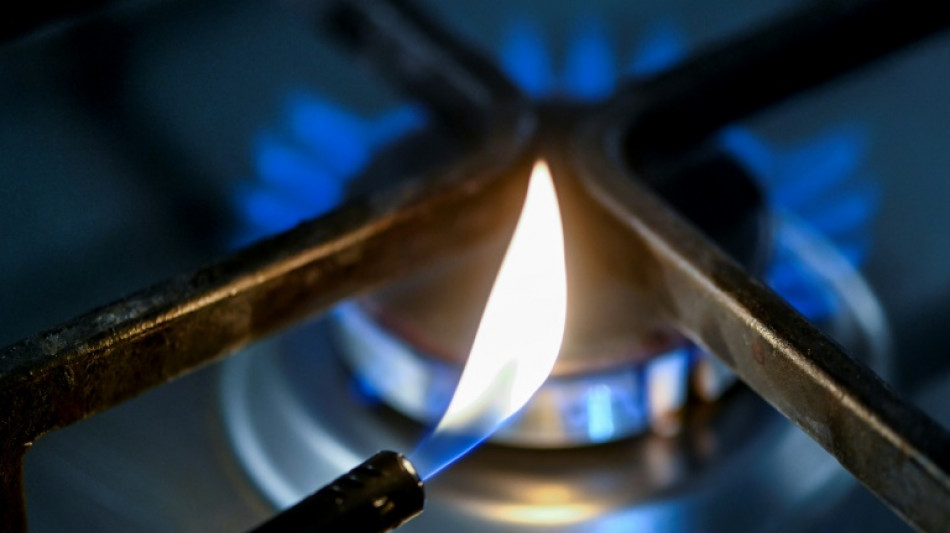
Qatar looks to profit from Europe gas fears over Ukraine

 Hurricane Isaias makes landfall in Florida
 Brazil prosecutors sue Shell for $108 mn over deadly 2024 floods
 Major earthquake destroys buildings, roads in Panama
 Anthropic AI model sent fake murder tip to Philadelphia police
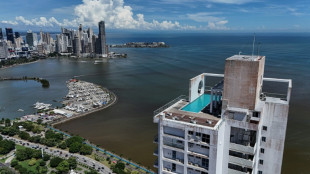 7.7-magnitude quake rocks Panama, triggers tsunami warning

 Prince Harry booed at English rugby match
 Kiplimo and Feysa seek repeat Chicago Marathon wins
 Fuellkrug halts Dortmund after late goal flurry
 Injured Ravens quarterback Jackson ruled out of Falcons clash
 Brewers aim to take down two-time defending champion Dodgers in NLCS rematch

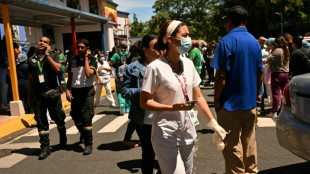 Tsunami alert after major earthquake rocks Panama
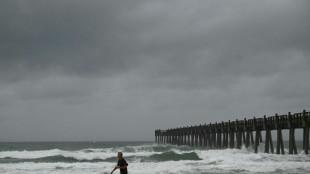 Outer bands of Hurricane Isaias lash US Gulf Coast
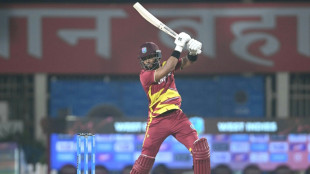 Hope, Rutherford fire West Indies to record T20 chase of 250
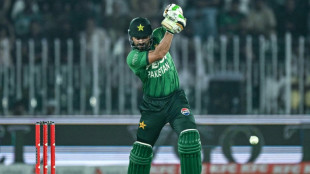 Farhan leads Pakistan to T20 win over Sri Lanka
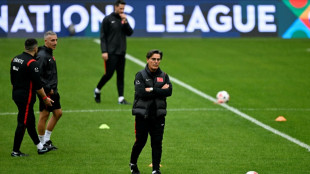 Turkey sack coach Montella after Nations League woe
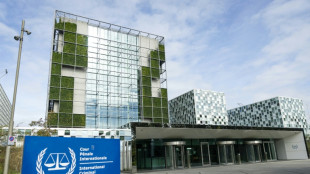
 US announces sanctions on ICC, hours after Nobel award to former judge
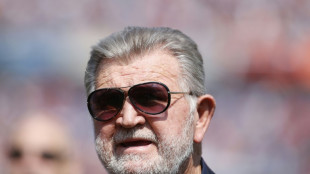
 Montenegro expels popular Russian war blogger wanted by US
 Rubio calls on all Venezuela opposition figures to join talks with govt
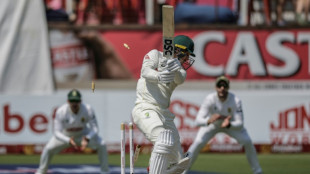 Australia struggle against South Africa quicks in first Test
 Stocks advance as Trump rules out pre-vote Iran attack
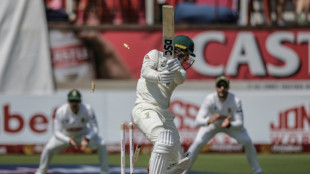 Australia struggle against South Africa's fast bowlers
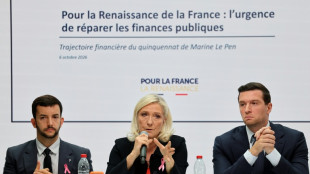 Massive debt puts France in a bind as investor doubts deepen
 Arteta urges 'respect' for process after Man City financial verdict
 'Human-authored' book labels gain ground amid AI scandals
 Man City whistleblower Pinto to stay under police protection
Europe's fears of losing Russian gas supplies in the Ukraine crisis will loom large when Qatar's emir meets the US president on Monday but the powerful Gulf ruler has no "magic wand", analysts say.
Sheikh Tamim bin Hamad Al-Thani will ensure some kind of assistance, however, as he seeks a bigger share of the European market for Qatar's burgeoning offshore gas production and to score valuable points over its neighbours in becoming the key US ally in the Gulf.
The sheikh, whose tiny country has increased its diplomatic initiatives to match its status as an energy colossus, has the Ukraine crisis, efforts to engage the hardline Taliban administration in Afghanistan and backroom talks on reviving a nuclear accord with Iran on the agenda for his White House meeting with President Joe Biden, officials said.
Gas supplies are one of the key areas that Europe fears could be cut if Russia decides to take military action in Ukraine.
The United States is also in contact with Australia about providing alternative supplies and could send more of its own production, diplomats said.
Australia, Qatar and the United States are the world's biggest gas exporters.
"Talks are going on" over diverting some liquefied natural gas from Asian markets to Europe if President Vladimir Putin cuts supplies to western Europe, a Qatari official told AFP ahead of the meeting.
There are precedents for Qatar helping friends in need.
It sent supplies to Japan after the 2011 tsunami and four special cargoes to Britain in October to address sudden shortages.
But as Qatar has long-term contracts with huge customers in South Korea, Japan and China, there is little it could do to replace all Russian gas supplies to western Europe.
The Gulf state has "maxed out" supplying existing customers, Energy Minister Saad al-Kaabi said in October when gas shortages were already starting to bite in Europe.
- Higher price -
"Qatar has no magic wand to fix shortfalls in European gas," said Bill Farren-Price, director of intelligence for the Enverus energy consultancy.
"It does not have any spare capacity to supply additional LNG. It is not the same as Saudi Arabia, which maintains spare capacity in oil," he added.
Qatar, which is also in talks with the European Union and Britain, could redirect a number of shipments.
"Any shortfall in European gas is going to ripple out and have impacts on the Asian LNG market as well," Farren-Price said.
And European consumers -- already facing record gas bills -- would have to pay an even higher cost. "Price wise it could be quite challenging," he predicted.
Andreas Krieg, a Middle East security specialist at King's College London, said that Qatar would look at business first and politics second in any decision on helping Europe.
But it has embarked on a massive output expansion, aiming to increase its gas production from 77 million tonnes to 127 million tonnes a year by 2027 and is looking for markets for that extra gas.
Krieg said Europe could become a prime target for any gesture made by Qatar, which has been infuriated by an EU anti-trust investigation into its gas sales set up in 2018.
"This could mean gaining some credit in Europe and using it as a negotiating point to start talking about long-term contracts, which is what the country is interested in."
A central role in any emergency gas plan would further endear Qatar to the United States, which has operated a major military base in the emirate for the past two decades.
"They want to push themselves into that slot as the most important strategic ally for the US in the Gulf," said Krieg.
"They are getting influence building networks in Washington that are institutional rather than tied to individuals or parties.
"They want to be seen as a core strategic ally," ahead of Saudi Arabia and the United Arab Emirates.
J.Gomez--AT