To fight its war, Russia closing digital doors

 OPEC+ boosts September production by 188,000 barrels/day
 Rescuers recover climber Nirmal Purja's body after avalanche disaster
 Fire toll mounts in Greece as blazes spread

 Sri Lanka deploys troops after prison riot
 Baltics transform from Soviet stagnation to startup hubs
 AI keeps consumer prices high in 'RAMaggedon' chip crunch
 Dressel, Walsh win 50m free titles at US Swimming Championships
 OPEC+ tipped to raise production again but new quotas loom

 De Zerbi unsure over Richarlison's future at Spurs
 Tottenham manager De Zerbi 'happy' with pre-season progress
 Brazil's Lula launches fourth term bid as Trump looms over campaign
 Alonso welcomes Mudryk's Chelsea return after doping ban
 'Damn hot': Last summer for Japan cosplay extravaganza
 Auger-Aliassime playing for hometown pride at Montreal Masters
 Commonwealth Games poster boy Kerr delivers mile gold in Glasgow

 Pegula defeats Shnaider to reach Washington Open final

 Gaza officials say Israeli strikes kill seven day after deal

 Hundreds of minors sleep rough in Ceuta migrant crisis
 Ex-British champion jockey Crowley takes 'hardest decision' to retire

 Brentford sign Mali midfielder Sangare in club record deal

 Chelsea sign Brighton striker Welbeck
 Mountaineer Nirmal Purja, team killed in Pakistan avalanche
 Pride march draws hundreds of thousands in Germany week after attack

 Maresca 'happy' after first Man City game despite Inter shootout defeat
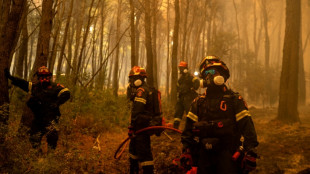 Firefighters in Greece 'pushed to the limit' as winds rage
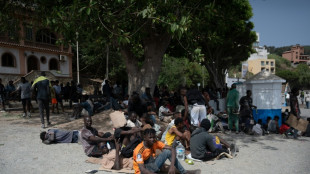
Russia's blocking of Facebook is a symptom of its broader effort to cut itself off from sources of information that could imperil its internationally condemned invasion of Ukraine, experts say.
The often-criticized social network is part of a web of information sources that can challenge the Kremlin's preferred perspective that its assault on Ukraine is righteous and necessary.
Blocking of Facebook and restricting of Twitter on Friday came the same day Moscow backed the imposition of jail terms on media publishing "false information" about the military.
Russia's motivation "is to suppress political challenges at a very fraught moment for (Vladimir) Putin, and the regime, when it comes to those asking very tough questions about why Russia is continuing to prosecute this war," said Steven Feldstein, a senior fellow at the Carnegie Endowment for International Peace.
Russia thus joins the very small club of countries barring the largest social network in the world, along with China and North Korea.
Moscow was expected to quickly overpower its neighbor but the campaign has already shown signs that it could go longer and could lead to the unleashing of its full military ferocity.
"It's a censorship tool of last resort," Feldstein added. "They are pulling the plug on a platform rather than try to block pages or use all sorts of other mechanisms that they traditionally do."
Earlier this week independent monitoring group OVD-Info said that more than 7,000 people in Russia had been detained at demonstrations over Moscow's invasion of Ukraine.
Web monitoring group NetBlocks said Russia's moves against the social media giants come amid a backdrop of protests "which are coordinated and mobilized through social media and messaging applications."
The war is meanwhile taking place during a period of unprecedented crackdown on the Russian opposition, with has included protest leaders being assassinated, jailed or forced out of the country.
- 'No access to truth' -
Since Moscow's invasion of Ukraine last week, Russian authorities have stepped up pressure against independent media even though press freedoms in the country were already rapidly waning.
In this context, Facebook plays a key information distribution role in Russia, even as it endures withering criticism in the West over matters ranging from political division to teenagers' mental health.
Natalia Krapiva, tech legal counsel at rights group Access Now, said social media has been a place where independent, critical voices have been talking about the invasion.
"Facebook is one of the key platforms in Russia," she said, adding that its loss is "a devastating blow to access to independent information and for resistance to the war."
Russia has been hit with unprecedented sanctions from the West over the invasion, but also rejections both symbolic and significant from sources ranging from sporting organizations to US tech companies.
Facebook's parent Meta and Twitter however have engaged on the very sensitive issue of information by blocking the spread of Russian state-linked news media.
Russia's media regulator took aim at both, with Roskomnadzor accusing Facebook of discrimination toward state media.
Big US tech firms like Apple and Microsoft have announced halting the sale of their products in Russia, while other companies have made public their "pauses" of certain business activities or ties.
On Friday US internet service provider Cogent Communications said it had "terminated its contracts with customers billing out of Russia."
The Washington Post reported Cogent has "several dozen customers in Russia, with many of them, such as state-owned telecommunications giant Rostelecom, being close to the government."
It's exactly the kind of measure Ukrainian officials have been campaigning heavily for as they ask Russia be cut off from everything from Netflix to Instagram.
Yet experts like Krapiva worry about what that would mean for dissenting or critical voices inside Russia.
"There's a risk of people having no access to truth," she said.
"Some Ukrainians have been calling for disconnecting Russia from the internet, but that's counterproductive to disconnect civil society in Russia who are trying to fight."
H.Thompson--AT