Russia backs jail time for 'fake' army news, restricts media

 OPEC+ boosts September production by 188,000 barrels/day
 Rescuers recover climber Nirmal Purja's body after avalanche disaster
 Fire toll mounts in Greece as blazes spread
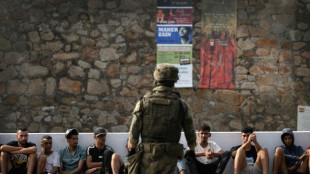
 Sri Lanka deploys troops after prison riot
 Baltics transform from Soviet stagnation to startup hubs
 AI keeps consumer prices high in 'RAMaggedon' chip crunch
 Dressel, Walsh win 50m free titles at US Swimming Championships
 OPEC+ tipped to raise production again but new quotas loom

 De Zerbi unsure over Richarlison's future at Spurs
 Tottenham manager De Zerbi 'happy' with pre-season progress
 Brazil's Lula launches fourth term bid as Trump looms over campaign
 Alonso welcomes Mudryk's Chelsea return after doping ban
 'Damn hot': Last summer for Japan cosplay extravaganza
 Auger-Aliassime playing for hometown pride at Montreal Masters
 Commonwealth Games poster boy Kerr delivers mile gold in Glasgow
 Pegula defeats Shnaider to reach Washington Open final
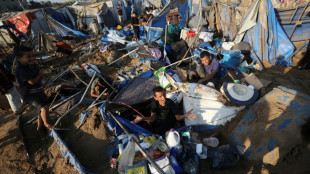
 Gaza officials say Israeli strikes kill seven day after deal

 Hundreds of minors sleep rough in Ceuta migrant crisis
 Ex-British champion jockey Crowley takes 'hardest decision' to retire

 Brentford sign Mali midfielder Sangare in club record deal
 Chelsea sign Brighton striker Welbeck
 Mountaineer Nirmal Purja, team killed in Pakistan avalanche
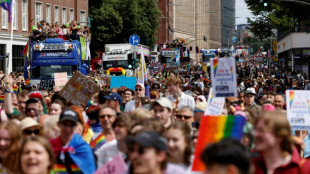 Pride march draws hundreds of thousands in Germany week after attack

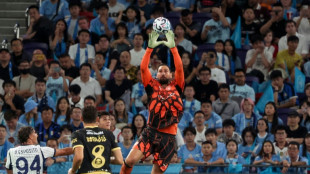 Maresca 'happy' after first Man City game despite Inter shootout defeat
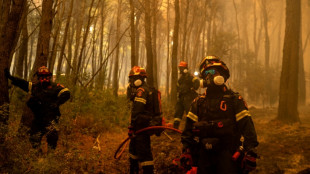 Firefighters in Greece 'pushed to the limit' as winds rage
Russian lawmakers approved legislation Friday to impose fines and harsh jail terms for publishing "fake news" about the army -- the latest move to silence dissent one week after Moscow launched the invasion of Ukraine.
The bill sets out jail terms of varying lengths and fines against people who publish "knowingly false information" about the military.
"If the fakes led to serious consequences, (the legislation) threatens imprisonment of up to 15 years," Russia's lower house of parliament said.
Amendments were also passed to fine or jail anybody calling for sanctions against Russia.
Opening the parliament's session, chairman Vyacheslav Volodin railed against foreign social media, after Facebook was briefly inaccessible in Russia on Friday.
"All these IT companies beginning with Instagram, and ending with the others, are based in the United States of America. It is clear they are used as weapons. They carry hatred and lies. We need to oppose this," he said.
The past year has seen an unprecedented crackdown on independent and critical voices in Russia that has intensified since the invasion.
Russia's media watchdog said Friday it had restricted access to the BBC and other independent media websites, further tightening controls over the internet.
- Foreign media restricted -
Access to the BBC, the independent news website Meduza, German broadcaster Deutsche Welle, and the Russian-language website of the US-funded Radio Free Europe/Radio Liberty, Svoboda, were "limited" by Roskomnadzor following a request from prosecutors.
Roskomnadzor said in each case, the request was filed on February 24, the day Russian President Vladimir Putin launched his attack on Ukraine.
Valery Fadeyev, the head of the Kremlin's human rights council accused Western media of being behind "a huge flow of false information that comes from Ukraine" and said the council had set up a project to stop it.
In another attack on critical voices, Russian police on Friday were carrying out searches at the office of the country's most prominent rights group, Memorial, which was ordered to close late last year, sparking international outcry.
Russia's invasion has already claimed hundreds of lives, displaced more than a million people and spurred allegations of war crimes.
Western-led sanctions levelled against Russia in retaliation have sent the ruble into free-fall forcing the central bank to impose a 30-percent tax on sales of hard currency after a run on lenders.
- State-media narratives -
Moscow has few economic tools with which to respond but the duma on Friday adopted a bill that would freeze any assets inside Russia of foreigners "violating rights of Russians".
Russian media have been instructed to publish only information provided by official sources, which describe the invasion as a military operation.
State-controlled broadcasters have meanwhile reinforced government narratives about nationalism in Ukraine and Moscow's claim that Ukrainian soldiers are using civilians as human shields.
For the moment, it appears the invasion has marked the beginning of the end for what remains of Russia's independent media.
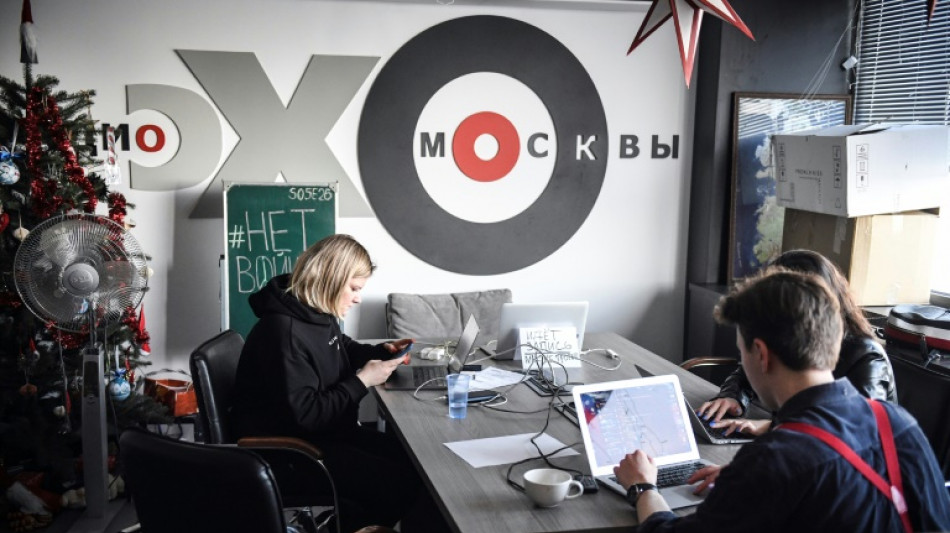
Ekho Mosvky -- a liberal-leaning radio station majority-owned by Russia's energy giant Gazprom -- said Thursday it would shut down after being taken off air over its Ukraine war coverage.
Authorities had on Monday blocked the Ekho website and took the station off air as punishment for spreading "deliberately false information" about the conflict.
Another independent outlet, Znak, said Friday it was ceasing work "due to the large number of restrictions that have recently appeared for the work of the media in Russia".
The BBC said this week that the audience of its Russian language news website had "more than tripled...with a record reach of 10.7 million people in the last week".
In a Friday response to the blocking, a BBC spokesperson said the company will "continue our efforts to make BBC News available in Russia, and across the rest of the world" despite the restrictions.
P.Smith--AT