France's top court upholds ex-president Sarkozy's second conviction / Photo: JULIEN DE ROSA - AFP/File

 IFFI Opening Film 'Fatherland' Addresses Global Divisions Through Post-War Lens

 Phoenix Dispensaries Offer Green Wednesday and Thanksgiving Cannabis Deals
 Police Departments Deploy AI-Generated 'Grand Theft Auto VI' Recruitment Ads

 How Families Budget for Youth Sports Travel Seasons

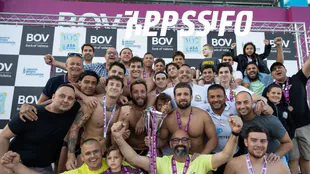 San Ġiljan Defeat Paredes 20-12 in Challenger Cup Opener

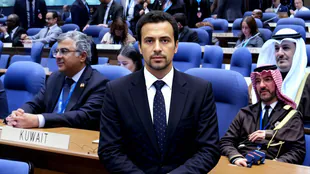 Kuwait DGCA Delegation Attends ICAO Assembly in Montreal
France's highest court ruled against ex-president Nicolas Sarkozy Wednesday over illegal financing of his 2012 re-election bid, the second definitive conviction for the former head of state.
The Court of Cassation upheld the ruling of an appeals court last year and said Sarkozy, a one-term president from 2007 to 2012, was therefore "definitively convicted".
The appeals court had ordered he serve a six-month term with an electronic bracelet, plus another six months suspended.
Prosecutors argued Sarkozy's right-wing party worked with a public relations firm, Bygmalion, to hide the true cost of his 2012 electoral campaign.
They said he spent nearly 43 million euros (almost $50 million) on his 2012 campaign, nearly double the permitted amount of 22.5 million euros.
Unlike his co-defendants, he was not implicated in the double-billing system allegedly used to cover costs but was held accountable as the beneficiary of illegal campaign financing.
Sarkozy has denied "any criminal responsibility", denouncing the allegations as "lies".
The former president has faced a series of legal challenges since leaving office.
In December last year he exhausted his last legal recourse in another case over trying to extract favours from a judge, and served time with an electronic bracelet.
In yet another, he is awaiting an appeal over allegedly seeking Libyan funding for his successful 2007 campaign, after spending 20 days in jail after the first ruling of a lower court.
H.Romero--AT