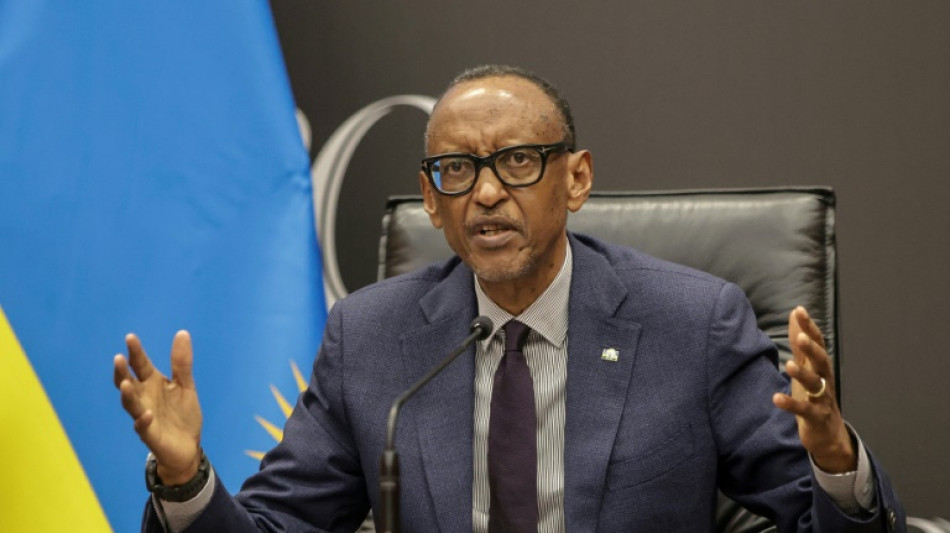
Paul Kagame: Rwanda's polarising strongman / Photo: GUILLEM SARTORIO - AFP/File

 Germany's Merz 'shocked' by far-right state win but vows to stay course

 UK finance minister Healey pledges strict fiscal discipline as budget looms
 Mbappe embraces Ballon d'Or talk after historic World Cup exploits
 Tech firms rally, with eyes on US inflation update
 Jaguar Land Rover to cut 4,000 jobs as European car sector hits skids
 US average diesel price rises to record $5.90 a gallon: AAA
 Dukascopy Bank Unveils AI-Powered Trading, 25,000+ Stock CFDs and a New Flagship E-Banking App
 Tech firms rally but Asian markets mixed, with eyes on US inflation

 Nepal holds day of mourning as families pray missing still alive
 African players in Europe: Mbeumo fires solo goal as United draw
 Malaysia cancels haze emergency, but warns problems remain
 Philippine sensation Eala looks forward to Asian Games 'fun'
 Jakarta airport extends closure after volcano eruption
 Lonely woman director in Venice sees industry backsliding on gender
 Tech firms rally on mixed day for Asian markets, with eyes on US inflation
 World number one An sends Asian Games warning with China hat-trick
 PSG go for three in a row as Champions League returns
 "Super-human' Alcaraz books US Open quarter-final clash with Shelton
 ECB set to hike interest rates as Iran war flares anew
 AI data centers are less thirsty now, tech giants say
 North Korea vows nuclear-armed navy as US ally drills open

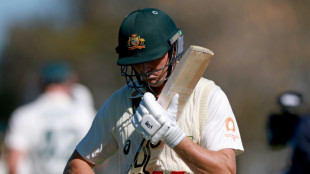 Under-fire Labuschagne named in Australia Test squad for South Africa

 InterContinental Hotels Group PLC Announces Transaction in Own Shares - September 07

 Genflow Biosciences PLC Announces Appointment of Investor Relations Adviser
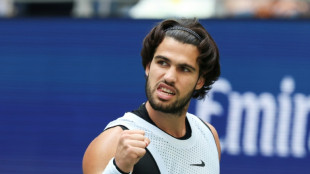
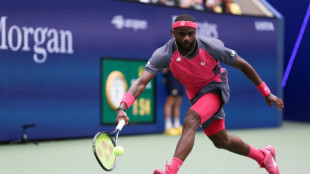 Tiafoe tops Medvedev in straight sets at US Open
A visionary hero who ended the 1994 genocide in Rwanda and brought peace to a traumatised country, or a despot who rules through fear and repression.
The only leader most Rwandans have known, veteran President Paul Kagame is a deeply polarising figure, but victory in his bid to secure a fourth term in July 15 polls is beyond doubt.
He won the last three elections with more than 93 percent, and only two candidates have been approved to run against him this time.
Kagame was just 36 when his Rwandan Patriotic Front (RPF) rebel army routed the Hutu extremists who had slaughtered hundreds of thousands of mainly Tutsis over 100 days in 1994.
Swapping fatigues for suits, he became de facto leader -- officially vice president and defence minister -- before being elected president by parliament in 2000.
He won plaudits from Western nations seeking to atone for their inaction during the genocide, and as an uncompromising manager who claims to run the country like a business, he oversaw an economic renaissance.
An assured diplomat, the 66-year-old is commander-in-chief of an army that has a key peacekeeping role in Africa but is also accused of destabilising the neighbouring Democratic Republic of the Congo.
Kagame has sought to burnish Rwanda's image abroad -- hosting conferences, forging sponsorship deals with top international football clubs and selling itself as a leading ecotourism destination.
But this cannot mask a dire human rights record under the ruling Rwandan Patriotic Front (RPF), with activists and opponents accusing Kagame of crushing dissent with intimidation, arbitrary detentions, killings and enforced disappearances.
- 'Product of Rwanda' -
"Paul Kagame shaped Rwanda but he is also the product of Rwanda," said Paul-Simon Handy, East Africa director at the Institute for Strategic Studies.
Born to Tutsi parents, Kagame and his family fled to neighbouring Uganda in the early 1960s to escape pogroms.
The refugees suffered discrimination and served as a fertile recruiting ground for a rebel force led by Yoweri Museveni.
After Museveni seized power and became president in 1986, Kagame rose to become Uganda's intelligence chief.
But he never gave up hope of returning to his homeland.
Kagame received military training in the US and Cuba and eventually took command of a small rebel force of Rwandan exiles that snuck home hoping to overthrow the Hutu-dominated regime of Juvenal Habyarimana in 1990.
Civil war broke out. But worse was to come.
When Habyarimana's plane was shot down in April 1994, Hutu extremists went on a rampage, whipping up a vicious frenzy of hate targeting the Tutsi minority.
Around 800,000 people, mostly Tutsi but also moderate Hutus, were slaughtered before the bloodletting came to a halt as Kagame's RPF militia captured Kigali.
With not a single franc left in the national treasury, his band of rebels had to rebuild the country.
Foreign aid poured in from a guilt-ridden international community.
Even as the RPF was accused of killing tens of thousands of people in the DRC while pursuing genocide perpetrators, foreign nations turned a blind eye.
A turning point came in 2012, when accusations Kigali was arming rebel groups in the DRC prompted Washington to suspend aid to Rwanda.
In a report seen by AFP this week, UN experts said several thousand Rwandan soldiers fought alongside M23 rebels in eastern DRC and that Kigali had "de facto control" of their operations.
- 'Only one voice' -
Rights groups have frequently sounded the alarm about the unabated repression of the media and political opposition.
The most notorious case is the 2020 arrest of "Hotel Rwanda" hero Paul Rusesabagina when a plane he believed was bound for Burundi landed instead in Kigali in what his family called a kidnapping.
The Rwandan government has admitted financing the operation.
The fierce Kagame critic was sentenced to 25 years in jail on terrorism charges, before being freed following a presidential pardon last year.
Rwandan constitutional lawyer and political analyst Louis Gitinywa said the RFP had "killed democratic space".
"We have only one voice in Rwanda and there is no one challenging the narrative. This is bad for a country that is in the process of developing."
All but one of Rwanda's 11 registered opposition parties back the RPF, and Kagame has presided over controversial constitutional changes that allow him to potentially rule until 2034.
The father of four coolly dismisses any criticism as baseless.
"Every day we are being fired at. A lot of lies, hundreds," he said in a 2021 interview with AFP.
A.Ruiz--AT