
-
 Delhi end slump with team-record chase against Rajasthan
-
Trump says will raise US tariffs on EU cars to 25%
-
 AI actors and writers not eligible for Oscars: Academy
-
Rebels take key military base in Mali's north

-
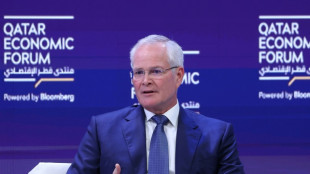 ExxonMobil CEO sees chance of higher oil prices as earnings dip
-
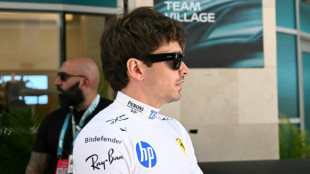
Leclerc on top for Ferrari ahead of Verstappen and Piastri
-
 After Madonna and Lady Gaga, Shakira set for Rio beach mega-gig
-
Trump says will raise US tariffs on EU cars, trucks to 25%
-
 Godon raises game to take Romandie stage and revenge over leader Pogacar
-
Celtic's O'Neill expects no let-up from Hibs despite fans' feelings

-
 Pope names former undocumented migrant as US bishop
-
Javelin star Kitaguchi teams up with Czech legend Zelezny

-
 Sawe sub-2hr marathon captured 'global imagination' says Coe
-
King Charles gets warm welcome in Bermuda after whirlwind US visit
-
 Sinner shines to beat Fils, reach Madrid Open final
-
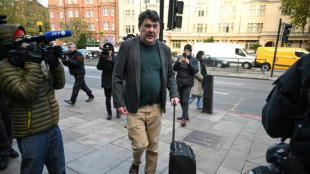
UK court clears comedy writer of damaging transgender activist's phone
-
 Was LIV Golf an expensive failure for Saudis? Not everyone thinks so
-
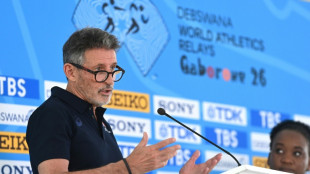
Coe hails IOC gender testing decision
-
 McInnes wants Tynecastle in 'full glory' for Hearts title charge
-
McFarlane says troubled Chelsea still attractive to potential managers

-
 Man Utd boss Carrick relishes 'special' Liverpool rivalry
-
Baguettes take centre stage on France's Labour Day

-
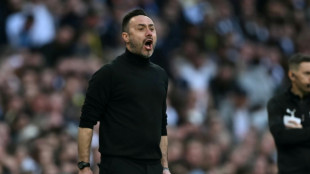 Spurs must banish 'loser' mentality despite injury woes, says De Zerbi
-
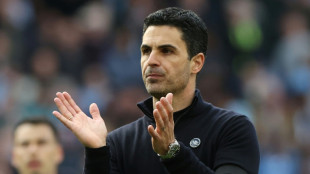
Arsenal must manage emotions of title race says Arteta
-
 Nepal temple celebrates return of stolen Buddha statue
-
US Fed official says rate hikes may be needed if inflation surges

-
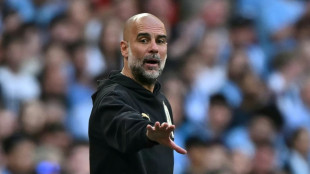 Fixture pile-up no excuse for Man City in title race: Guardiola
-
Iran offers new proposal amid stalled US peace talks

-
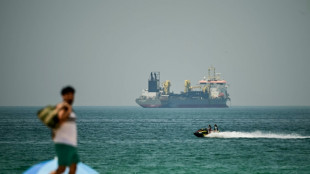 Gulf countries' plans to bypass Hormuz still far off, experts warn
-
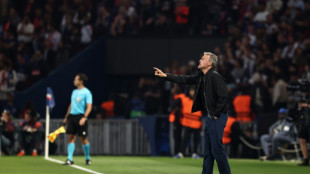
Luis Enrique says 'unique' PSG-Bayern first leg could have gone either way
-
 Rebels take key military camp in Mali's north
-
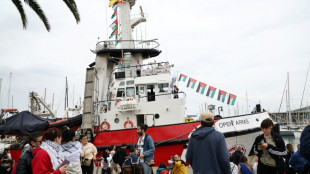
Activists on Gaza aid flotilla seized by Israeli forces disembark in Crete
-
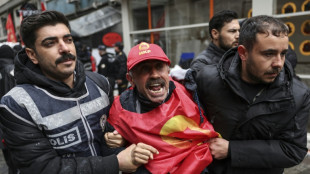 Turkish police fire tear gas, arrest hundreds at Istanbul May Day rallies
-
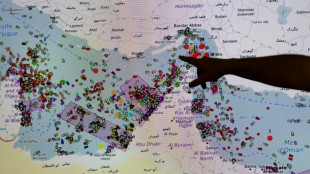
French hub monitors Hormuz tensions from afar
-
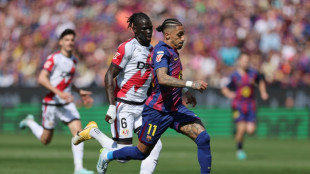 Flick happy Raphinha back for Barca with title in sight
-
UN troubled by rejected appeal of Cambodian opposition leader

-
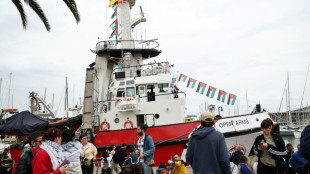 Activists on Gaza aid flotilla detained by Israel disembark in Crete
-
Suspect appears in UK court charged with attacking two Jewish men
-
 Oil steady after wild swing, stocks diverge in thin trading
-
Lufthansa says searching for Oscar lost after US airport security row

-
 Howe says Saudi backers are fully behind Newcastle
-
Chinese swimmer Sun Yang reports cyberbullying to police

-
 Salah 'deserves big send-off', says Liverpool boss Slot
-
UK police charge man with stabbing attack on two Jewish Londoners
-
 Solomon Islands leader loses court appeal, must face no confidence vote
-
Former world skating champion Uno joins pro eSports team

-
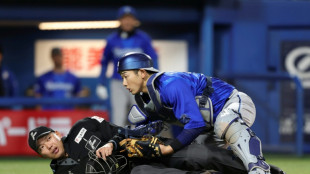 Japan baseball umpire hit by bat still unconscious two weeks on
-
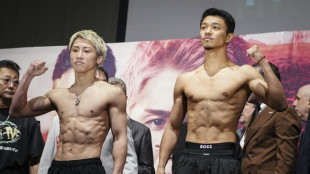
Nakatani says won't be intimidated in sold-out Inoue title clash
-
 T-Wolves eliminate Nuggets as Knicks demolish Hawks in NBA playoffs
-
Timberwolves eliminate Jokic's Nuggets from NBA playoffs

Next Generation EU a scam?
The Next Generation EU (NGEU) fund, an unprecedented European Union economic recovery package, was launched in 2020 to help member states recover from the economic and social impact of the COVID 19 pandemic. With a volume of €750 billion, divided into grants and loans, NGEU aims to make Europe greener, more digital and more resilient (European Commission, Recovery plan for Europe). However, the implementation and effectiveness of the programme have been met with controversy and criticism, leading some to call it the EU's ‘biggest scam’. This report analyses the reasons for this criticism, based on fraud cases, political tensions and economic doubts.
Fraud and misuse of funds
A key point of criticism is the high number of fraud cases affecting the programme. In April 2024, 22 people were arrested in Italy, Austria, Romania and Slovakia on charges of embezzling €600 million from the Italian National Recovery and Resilience Plan (NRRP), which is part of NGEU. The criminals used a network of accountants, service providers and notaries to fraudulently obtain non-repayable funds and transfer the money abroad.
Another case concerns the procurement of power generators for Ukraine, which was managed by the Polish government agency for strategic reserves (RARS). The European Anti-Fraud Office (OLAF) recommended the recovery of over €91 million due to serious irregularities, including inflated prices and a lack of competition (European Commission, OLAF completes investigation into suspected serious irregularities). These cases are not isolated: in 2022, OLAF recorded a 7% increase in fraud cases, with irregularities worth €1.77 billion. At the end of 2024, the European Public Prosecutor's Office (EPPO) was handling 311 active cases with an estimated €2.8 billion in damages to the EU budget, mostly related to NGEU (Balkan Insight, EU Fraud Keeps Rising as Prosecutors Investigate 38% More Cases in 2024).
Political controversies and delays
Besides the fraud cases, there were political tensions that delayed the implementation of NGEU. Poland and Hungary initially blocked the adoption of the fund due to concerns about the rule of law conditions. This led to delays in the disbursement of funds and political tensions within the EU (Wikipedia, Next Generation EU). Article 7 proceedings were opened against both countries, but their mutual support prevented sanctions, complicating the implementation of the fund (Wikipedia, Next Generation EU). These controversies show that NGEU was not only a technical financial instrument but also a political battleground, undermining confidence in the programme.
Scepticism from economists and political actors
Some economists and political actors express scepticism about the effectiveness and purpose of NGEU. A study from Comparative European Politics (2022) argues that the allocation of funds was based on existing economic and political vulnerabilities rather than the direct consequences of the pandemic. Countries with strong Euroscepticism and structural problems received the most funding per capita, regardless of the severity of the health crisis (Comparative European Politics, Voices from the past: economic and political vulnerabilities in the making of next generation EU). This could indicate that NGEU is more of a tool for stabilising weak economies, which some may see as a misuse of funds.
In Italy, the main recipient, there are doubts about the government's ability to use the funds efficiently. Although the government is celebrating the receipt of the fifth tranche of NGEU, the challenge remains of actually spending the funds and implementing the planned projects (Euractiv, Italy and the challenge of spending European funds). These difficulties underline the concern that NGEU may not deliver the promised results.

Trump vs. EU: A good deal?
Japan's financial precipice
Iraq vs. Iran – The end?
France's debt is growing
Azerbaijan defies Russia
Geopolitics: Peru's balancing act
Spain defies NATO's 5% goal
Israel's Covert Nuclear Rise
Iran's Nuclear Ambitions
Germany's Anti-Woke Tide

Demographic Collapse Crisis



