-
 Germany starts sales process for bailed-out energy firm Uniper
-
Europe-China spacecraft launches to study Earth's 'invisible armour'
-
 Stellantis joins race to build mini-EVs for Europe
-
How might this World Cup be won on the pitch?
-
 Malians tell of torture and killings by army, Russian fighters
-
EU-China spacecraft takes off on mission to probe solar winds
-
 Under Trump pressure, EU eyes deal to end trade standoff
-
'We're here solely to play football,' insists North Korean coach

-
 Putin trip aims to show China ties unshakeable after Trump pomp
-
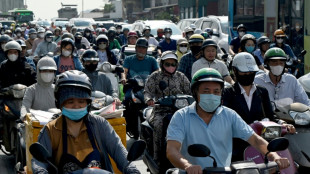
Hanoi hits the brakes on petrol bike ban
-
 Japan economy grows faster than expected in first quarter
-
World Cup glory attracts superstar coaches into international battle
-
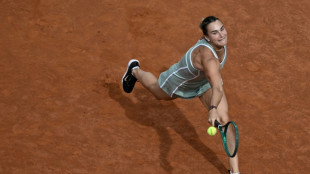 Stuttering Sabalenka seeks to set down marker at Roland Garros
-
'Little' Freiburg chasing glory in debut European final

-
 Villa inspired by former heroes as they target Europa League glory
-
Irrepressible Sinner primed for career Grand Slam at Roland Garros

-
 China market for Nvidia AI chips to open 'over time': Huang
-
Asian markets cautious, oil dips after Trump holds off on Iran attack
-
 Three killed in San Diego mosque shooting, both suspects dead
-
Love, lust and gnomes as top UK flower show bursts into bloom

-
 Fans of historic DC park wary of Trump plan to 'beautify' city
-
As bee population collapses, US apiarists fear research cuts

-
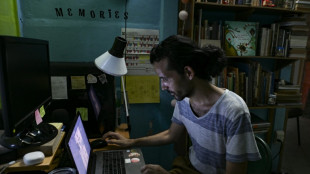 Lights out for Cuban students as blockade bites
-
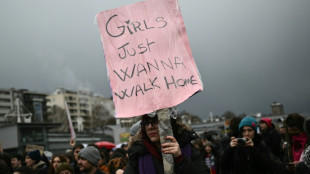
Campaigners warn Italy's gutted rape bill could help assailants
-
 Libyan ex-prison boss faces ICC war crimes hearing
-
Argentine scientists lay first traps in hantavirus hunt
-
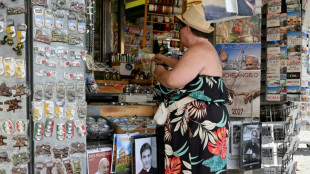 Star of Rome's 'sexy priest' calendar admits: 'I was never a priest'
-
BioNxt Advances Semaglutide ODF Program into Active Pharmaceutical Development
-
 InterContinental Hotels Group PLC Announces Transaction in Own Shares - May 19
-
Harry Styles fans to splash over £1 bn on London concerts: Barclays
-
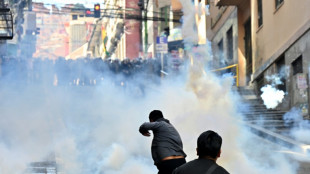 Bolivia protest sees violent clashes, looting in La Paz
-
Trump says held off on new Iran attack, upbeat for agreement

-
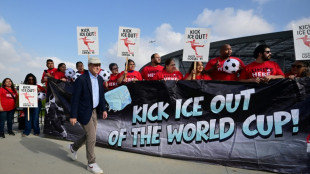 Los Angeles World Cup workers vow strike over ICE guarantees
-
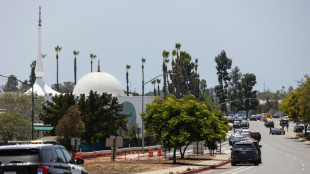
Three killed in San Diego mosque shooting, two attackers dead
-
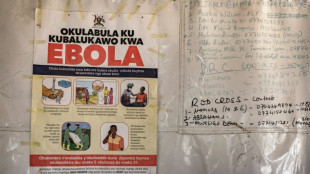 US to screen for Ebola at airports, one American in DR Congo infected
-
Aussie Scott officially set for 100th straight major at US Open

-
 Pep Guardiola to leave Man City at end of the season - reports
-
Neymar back in Brazil squad for fourth World Cup
-
 Arsenal on the brink of Premier League title after nervy Burnley win
-
World Cup winner Pavard confirms Marseille exit

-
 Trump says holding off on new Iran attack
-
Cuba warns of 'bloodbath' if US attacks; Washington adds sanctions

-
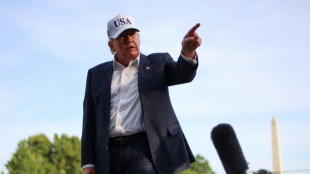 Trump says delaying Iran attack at request of Gulf leaders
-
Cuba warns of 'bloodbath' if US attacks and Washington issues sanctions

-
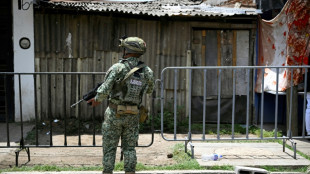 After mayor's murder, Mexico battles to bring peace
-
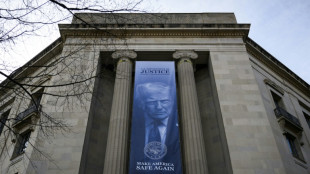
Trump admin creates $1.7 bln fund to compensate allies prosecuted under Biden
-
 Pelicans name Mosley as coach, two weeks after Magic firing
-
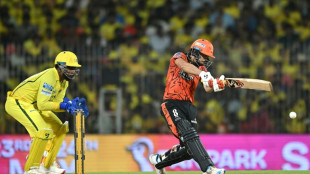
Hyderabad qualify for IPL play-offs along with Gujarat
-
 'Girl in the River Main' identified 25 years on, father arrested
-
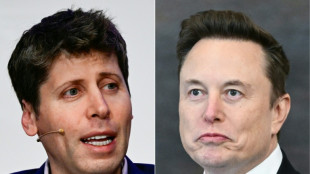
Musk loses blockbuster OpenAI suit as jury says too late
Trump vs. EU: A good deal?
At the end of July 2025, US President Donald Trump and EU Commission President Ursula von der Leyen presented a transatlantic trade agreement at the Turnberry golf resort in Scotland, signalling a surprise agreement after months of escalating threats of punitive tariffs. At its heart is a 15% cap on almost all EU goods exported to the United States, while Brussels will in return scrap all tariffs on US industrial goods – a paradigm shift from the previous ‘zero tariff symmetry’.
In addition, the European Union has committed to purchasing US energy worth 750 billion dollars by 2028 and investing 600 billion dollars in American sites. These commitments are intended not only to improve the US trade balance, but also to reduce European dependence on third countries. Steel, aluminium and copper are exempt from the 15 per cent cap – here, surcharges of 50 per cent remain in place, which will hit traditional EU export industries particularly hard.
The legal framework for implementation is a presidential order signed on 31 July, which comes into force seven days later and adjusts the US Harmonised Tariff Schedule accordingly. Washington is selling the result as a ‘historic recalibration’ of trade relations; Brussels emphasises that it has averted an escalation of the announced 30% punitive tariffs and gained planning security.
But criticism in Europe is loud: German Chancellor Friedrich Merz warns of ‘considerable damage’ to competitiveness, while French Prime Minister François Bayrou speaks of a ‘dark day’ for industry. Economists expect many EU companies to have to choose between sacrificing margins and adjusting prices in the US – with potential inflationary and demand effects on both sides of the Atlantic.
In the medium term, the agreement is likely to cause massive shifts in supply chains: the US energy and defence sectors will benefit immediately, while European car and machine manufacturers will increasingly build up production capacities in North America – a trend that is already evident in current investment plans and reveals the complete incompetence of European politicians! However, before the package becomes legally binding, the 27 EU member states and the European Parliament must ‘still’ give their approval; several MEPs have announced a detailed review of the ‘asymmetrical agreement’.
Whether the agreement represents a stable new trade order or merely a respite depends on whether Brussels forces renegotiations – and whether Washington honours its commitments on market opening, investment and tariff reductions in the long term.
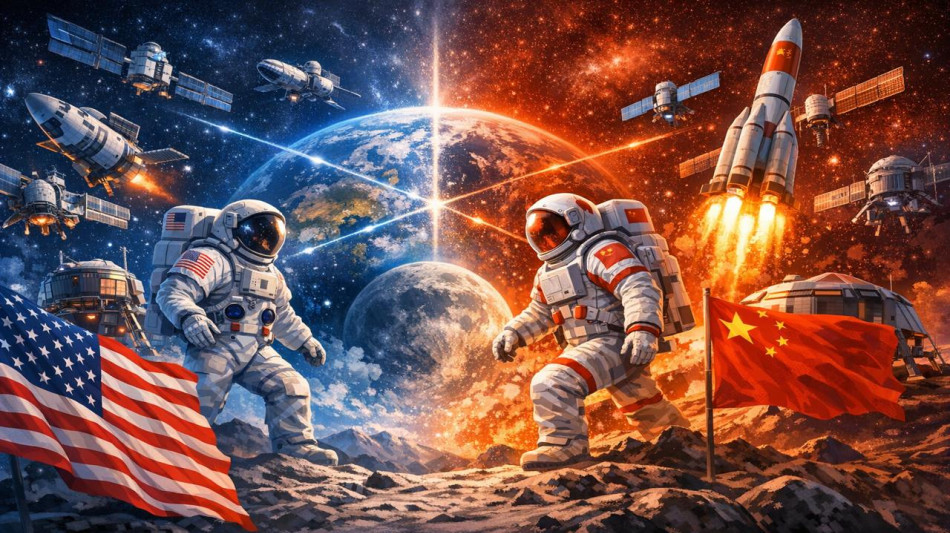
US China race hits 2027
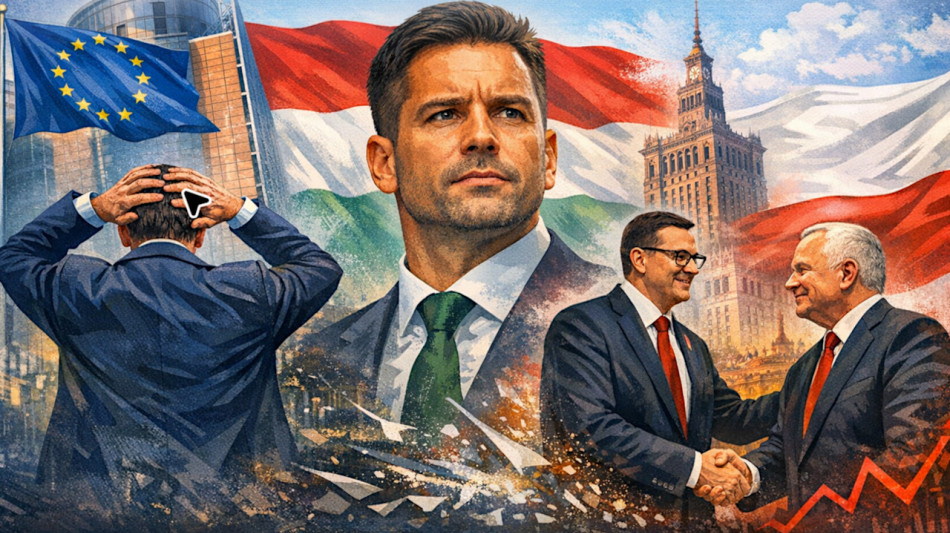
Brussels misreads Magyar

Scandic Coin, (SNC) and Trust
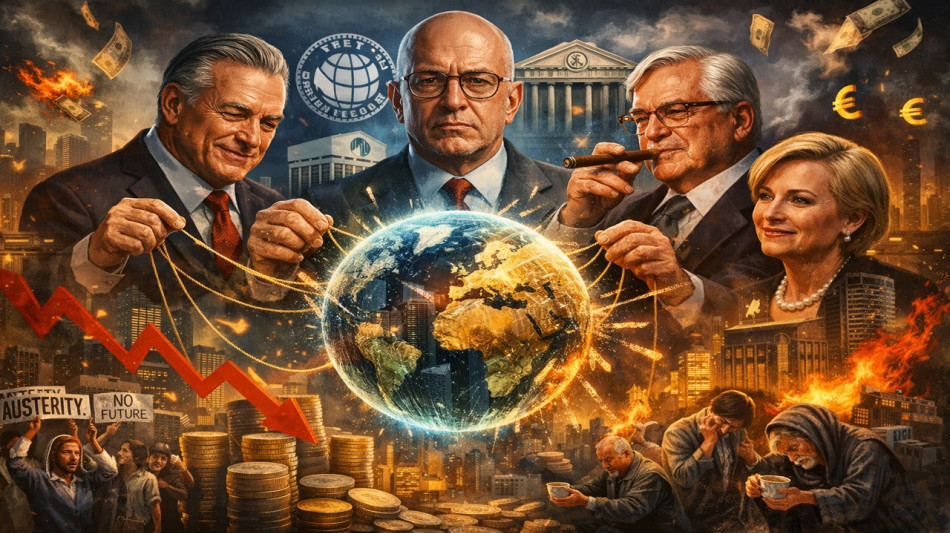
Global finance in few hands
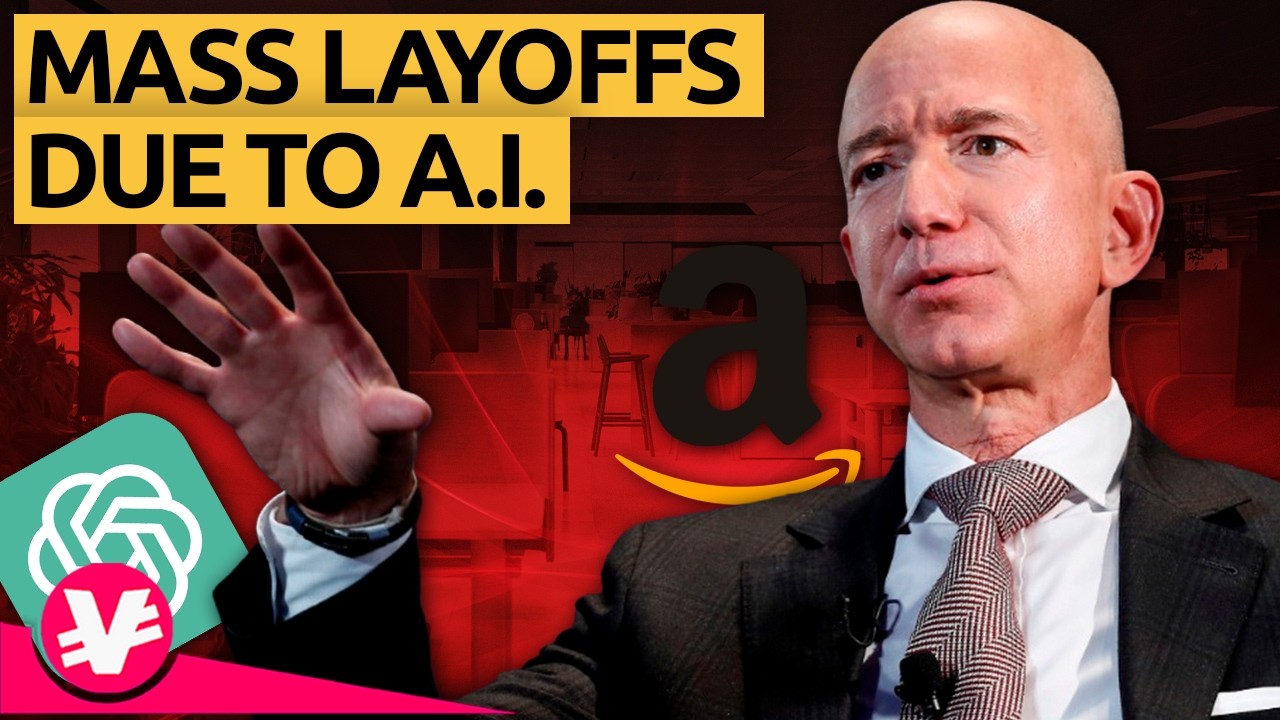
AI's 18-month Job disruption
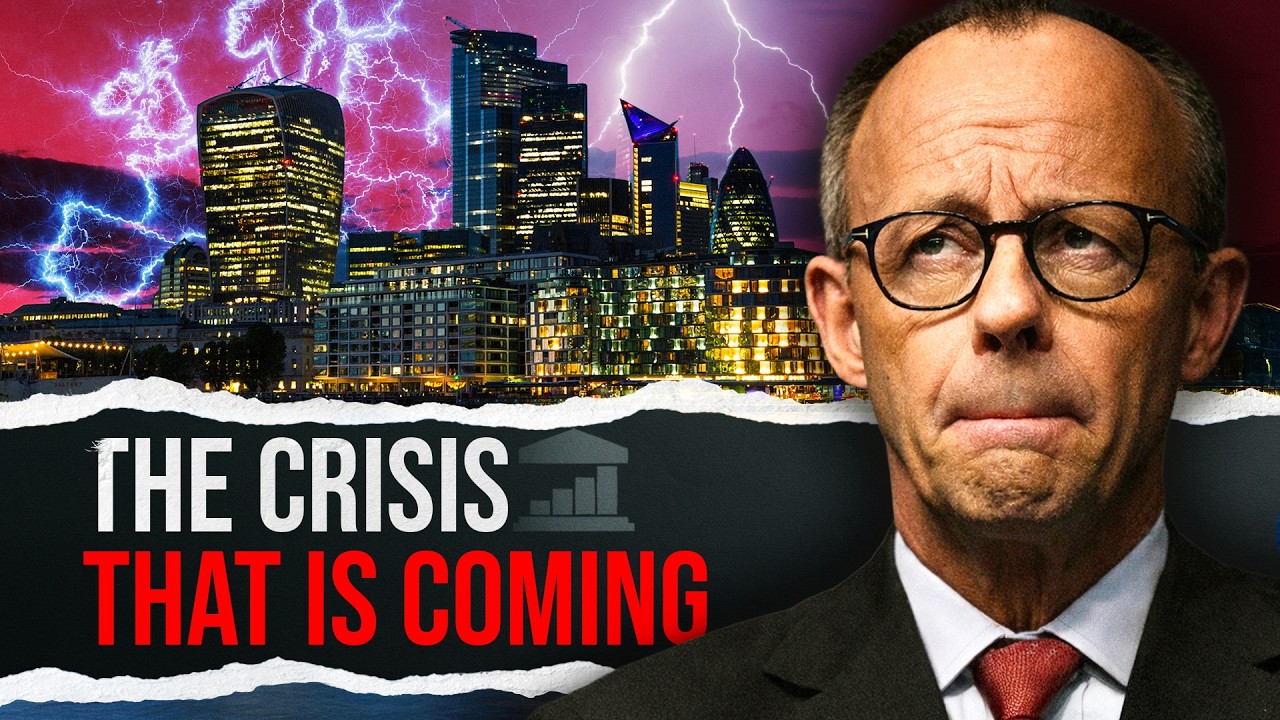
Iran war fuels terror risks
Bitcoin slump stirs doubt
Will US Forces Invade Iran?
Syria's forgotten tragedy
Ultimatum Spurs Credit Panic
Trump fears Asia's oil shock