-
 Timberwolves eliminate Jokic's Nuggets from NBA playoffs
-
Iran activates air defences as Trump faces congressional deadline
-
 Arsenal seek to ramp up heat on Man City in title race
-
PSG closing in on another French title before Bayern second leg

-
 Espanyol must stop rot against Real Madrid as Barca eye title
-
Leipzig can book return to Champions League as Bundesliga top-four rivals meet

-
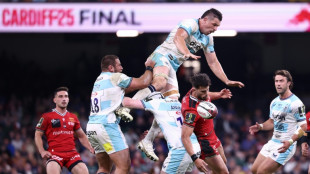 Injuries add to Bath's challenge for Champions Cup semi in Bordeaux
-
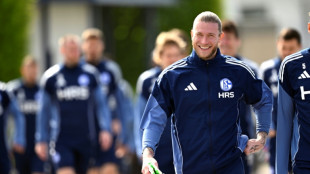
Karius getting 'back to the top' with promotion-chasing Schalke
-
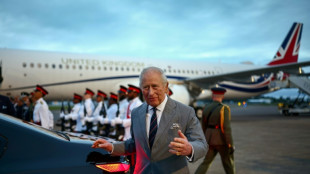 King Charles arrives in Bermuda after whirlwind US visit
-
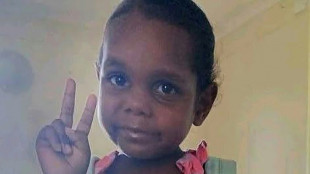
Clashes erupt in Australian town over death of Indigenous girl
-
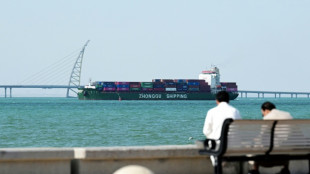 Iran war redraws sea routes with Africa as the pivot
-
India's cows offer biogas alternative to Mideast energy crunch

-
 Afghans celebrate spring in bright red poppy fields
-
Finland's 'Flamethrower' and 4 other Eurovision favourites

-
 Crude edges up after wild swing, stocks track Wall St rally
-
Eurovision: 70 years of geopolitics, patriotism, music and glitter

-
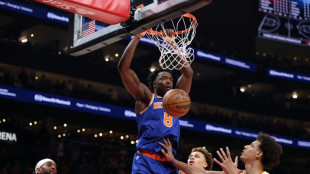 Knicks demolish Hawks to advance in NBA playoffs
-
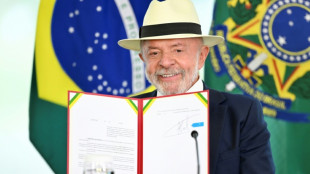
Blockbuster EU-Mercosur trade deal enters into force
-
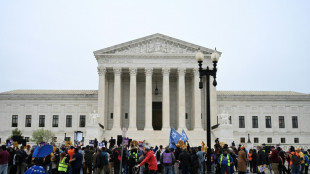 'Uncharted': US court ruling shakes up battle for Congress
-
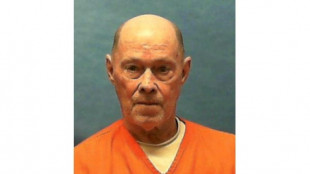
Florida executes man who spent nearly 50 years on death row
-
 Ace lifts rookie Green to share of LPGA lead as Korda lurks
-
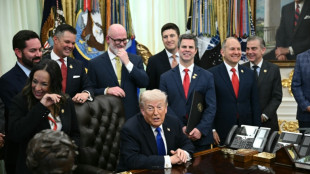
Wear a bulletproof vest? I don't want to look fat, says Trump
-
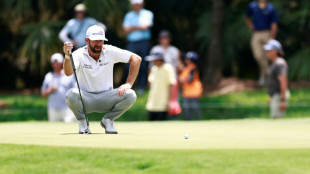 World No. 4 Young leads at PGA Cadillac Championship
-
FIFA to review ticket strategy for 2030 World Cup
-
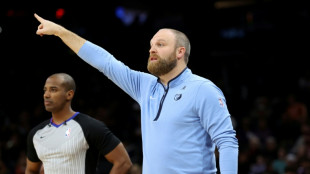 Bucks hire ex-Grizzlies coach Jenkins
-
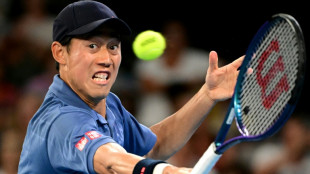
Japanese tennis trailblazer Nishikori to retire at end of season
-
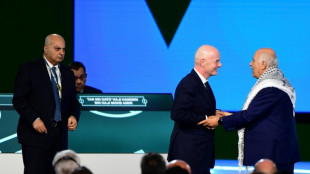 Palestinian football chief slams Israeli official at FIFA meeting
-
Britney Spears formally charged with DUI in California

-
 Rayo grab lead over Strasbourg in Conference League semi
-
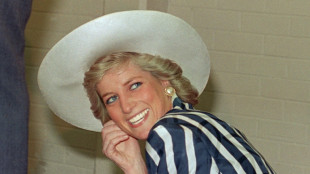
New Princess Diana documentary promises her own words
-
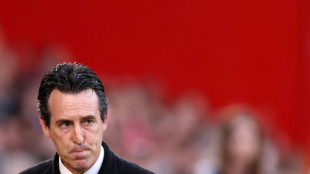 Villa boss Emery fumes as Forest star Anderson escapes red card
-
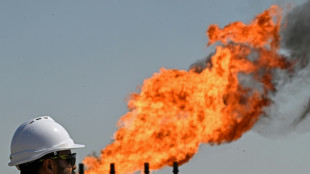
Oil slumps after hitting peak, US indices reach new records
-
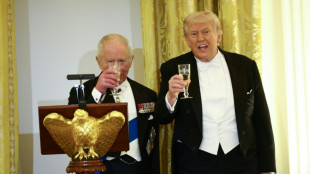 Trump says lifting Scottish whisky tariffs to 'honor' King Charles
-
Venezuela leader hikes minimum wage package by 26%

-
 PGA Tour golfers take wait-and-see approach amid LIV turmoil
-
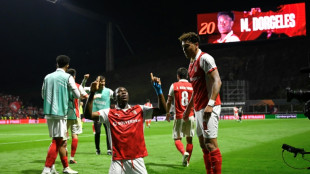
Braga strike late to seize advantage over Freiburg in Europa League semi
-
 Miami GP could be moved up as thunderstorms threaten - drivers
-
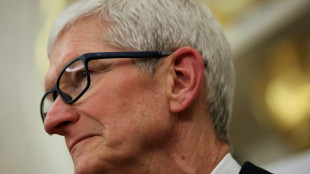
Apple earnings beat forecasts on iPhone 17 demand
-
 Crystal Palace beat Shakhtar to close in on Conference League final
-
Wood punishes Digne blunder as Forest earn Europa semi-final lead against Villa

-
 Formula One drivers welcome rule tweaks, but say more change needed
-
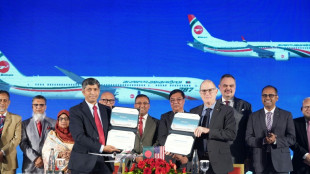
Bangladesh signs biggest-ever plane deal for 14 Boeings
-
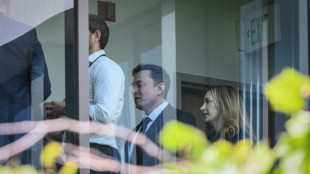 Musk grilled on AI profits at OpenAI trial
-
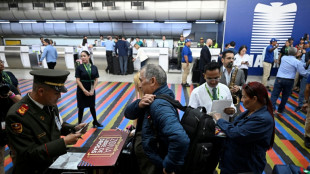
Venezuela opens arms to world with Miami-Caracas flight
-
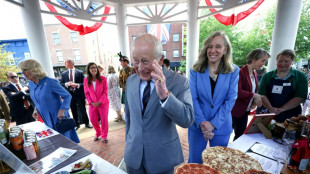 King Charles experiences small-town America on last day of visit
-
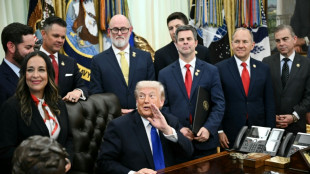
Trump mulls US troop cuts in Italy, Spain over Iran row
-
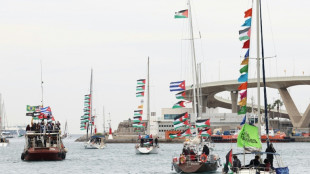 Israel says detained Gaza flotilla activists to be taken to Greece
-
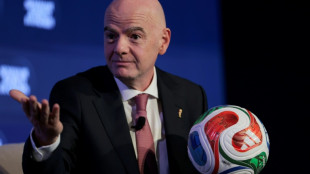
Infantino confirms Iran will play World Cup games in US
-
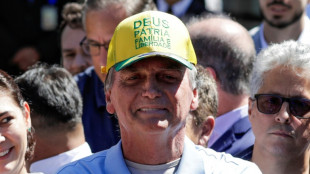 Blow for Lula as Brazil MPs slash Bolsonaro prison term
-
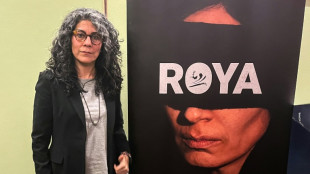
At Iranian film's Berlin premiere, calls not to forget Iranian people
Israel's Covert Nuclear Rise
Israel’s emergence as a nuclear power is one of the most secretive and controversial developments in modern geopolitics. While the country has never officially confirmed or denied possessing nuclear weapons, it is widely believed to have developed a sophisticated nuclear arsenal. This article explores the key milestones and strategies that enabled Israel to become a nuclear power while maintaining a policy of deliberate ambiguity.
The Early Beginnings
The origins of Israel’s nuclear program trace back to the 1950s, shortly after the nation’s establishment in 1948. In 1952, the Israel Atomic Energy Commission was created, led by Ernst David Bergmann, a scientist who saw nuclear weapons as essential for Israel’s survival amid regional threats. The young nation, surrounded by hostile neighbors, sought a deterrent that could ensure its security.
A critical step occurred in the late 1950s when Israel began constructing the Dimona nuclear facility in the Negev desert. With significant assistance from France, which provided technology and expertise, the facility was built under a veil of secrecy. Officially labeled a "textile factory," Dimona became the heart of Israel’s nuclear ambitions. By the mid-1960s, it is believed that Israel had produced its first nuclear weapon, though no official records confirm this timeline.
The Policy of Nuclear Ambiguity
Central to Israel’s strategy is its policy of "nuclear ambiguity." This approach avoids explicit confirmation or denial of nuclear weapons possession, allowing Israel to maintain deterrence without triggering an arms race or international backlash. Israeli leaders have adhered to this stance for decades, rarely commenting on their capabilities. However, in 2006, then-Prime Minister Ehud Olmert briefly listed Israel among nuclear-armed states in an interview, a rare slip that was swiftly minimized.
The Whistleblower’s Revelation
The secrecy surrounding Dimona was shattered in 1986 when Mordechai Vanunu, a former technician at the facility, leaked photographs and details to the public. His revelations suggested that Israel possessed between 100 and 200 nuclear warheads, confirming suspicions about its capabilities. Vanunu’s actions led to his abduction by Israeli intelligence and an 18-year prison sentence, underscoring the lengths Israel would go to protect its nuclear program.
Advanced Delivery Systems
Israel’s nuclear arsenal is thought to be supported by a range of delivery systems. The Jericho series of ballistic missiles, initially developed with French assistance, can reportedly carry nuclear warheads over thousands of kilometers. Additionally, Israel’s fleet of Dolphin-class submarines, acquired from Germany, is rumored to be equipped with nuclear-tipped cruise missiles, offering a second-strike capability that enhances its deterrence.
International Stance and Regional Tensions
Israel has never joined the Nuclear Non-Proliferation Treaty (NPT), a decision that has drawn criticism, especially from regional rivals like Iran. Israeli officials maintain that they will not be the first to introduce nuclear weapons into the Middle East, a statement crafted to preserve ambiguity. In recent years, tensions with Iran over its nuclear program have spotlighted Israel’s own capabilities, with Israeli leaders advocating strong measures to prevent Tehran from achieving similar status.
A Lasting Legacy
Israel’s journey to nuclear power relied on strategic partnerships, covert operations, and a steadfast commitment to secrecy. While the full scope of its arsenal remains undisclosed, its status as a nuclear power is rarely questioned today. This reality continues to influence Middle Eastern geopolitics, shaping both regional dynamics and global efforts to curb nuclear proliferation.
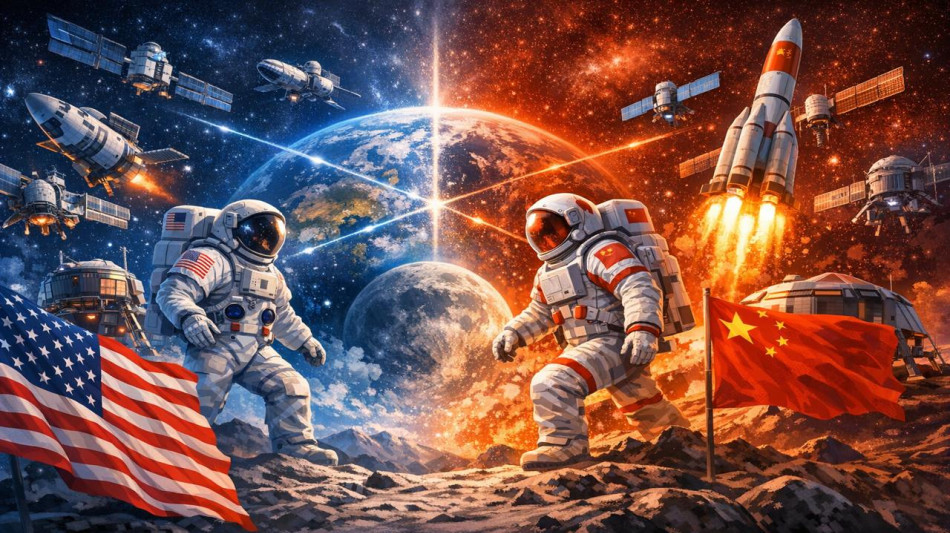
US China race hits 2027

Brussels misreads Magyar

Scandic Coin, (SNC) and Trust

Global finance in few hands

AI's 18-month Job disruption
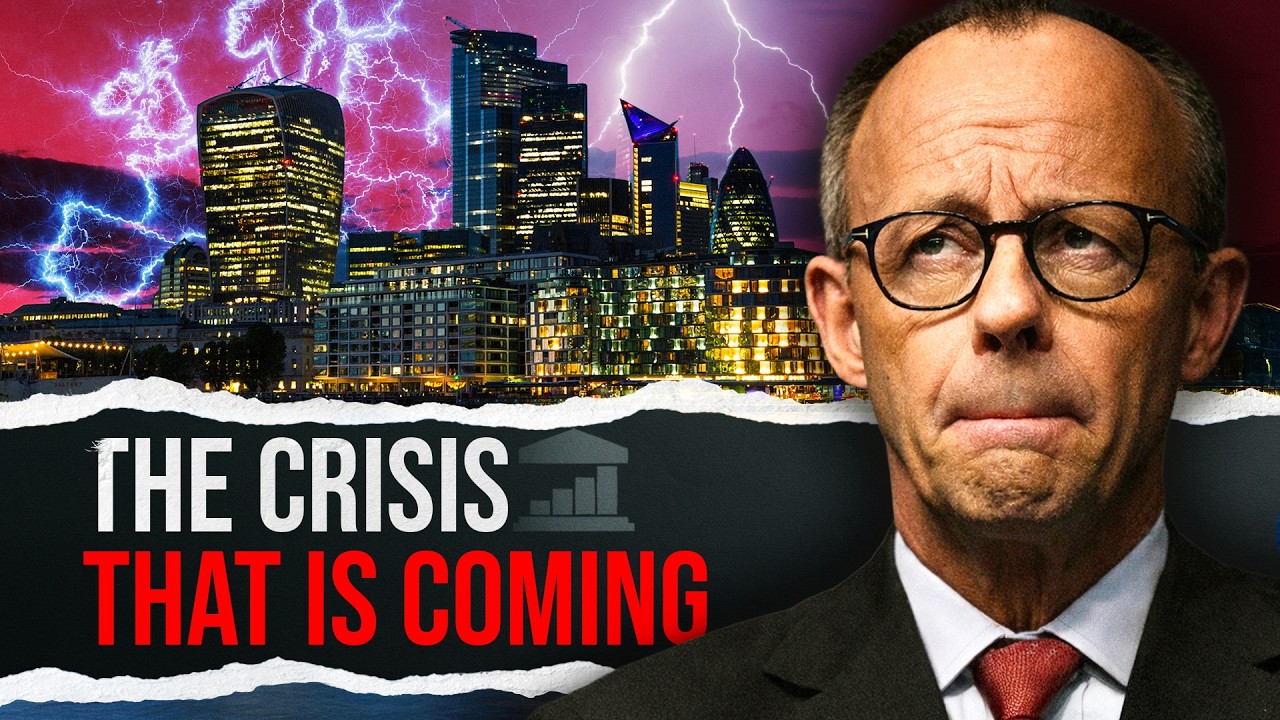
Iran war fuels terror risks
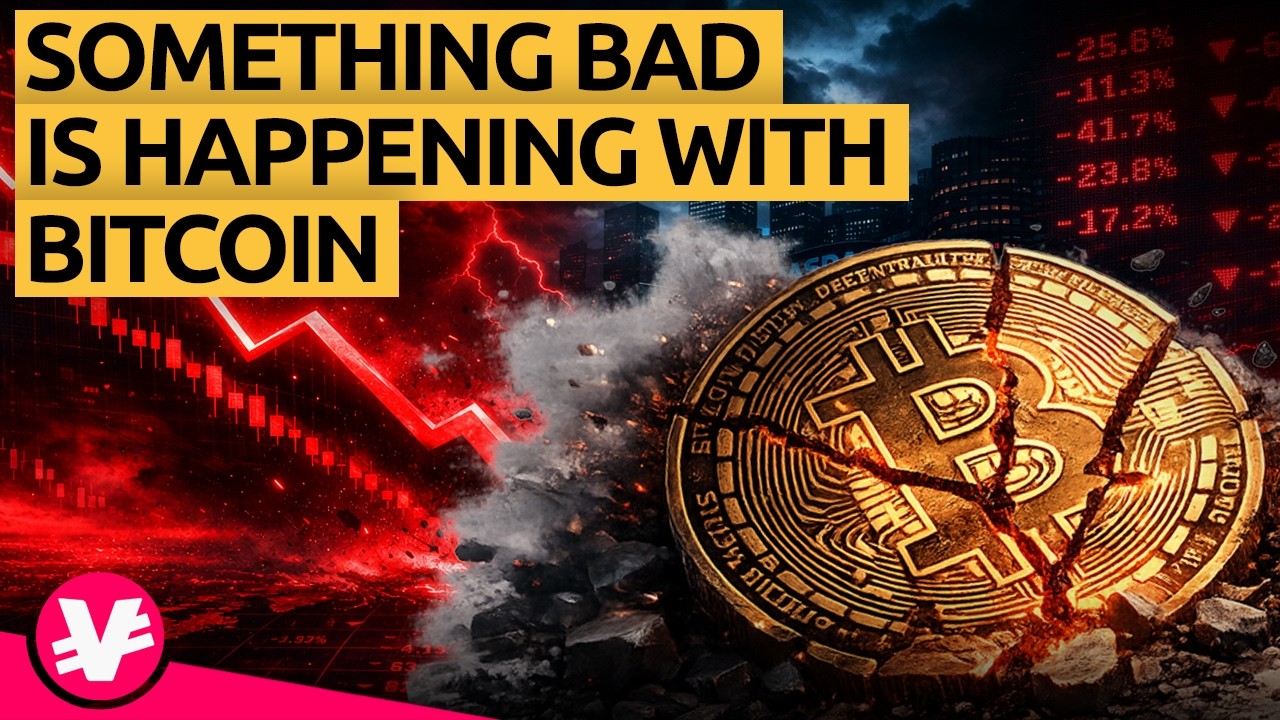
Bitcoin slump stirs doubt
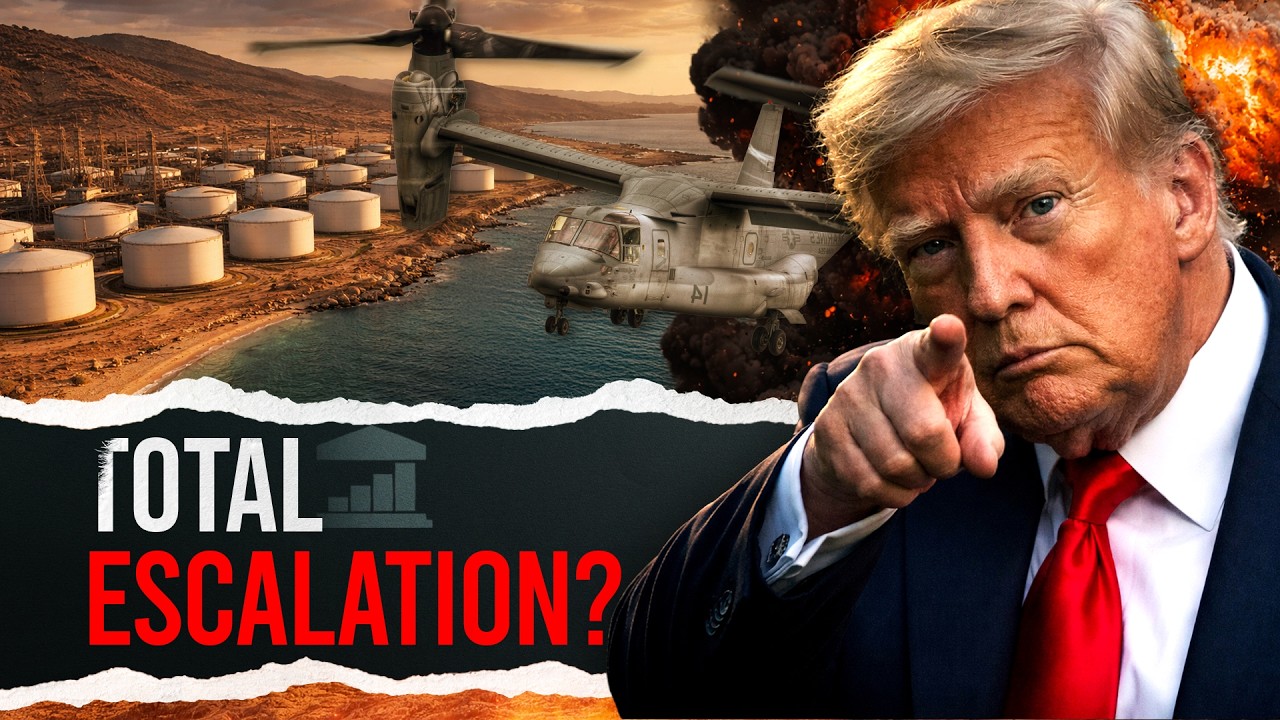
Will US Forces Invade Iran?
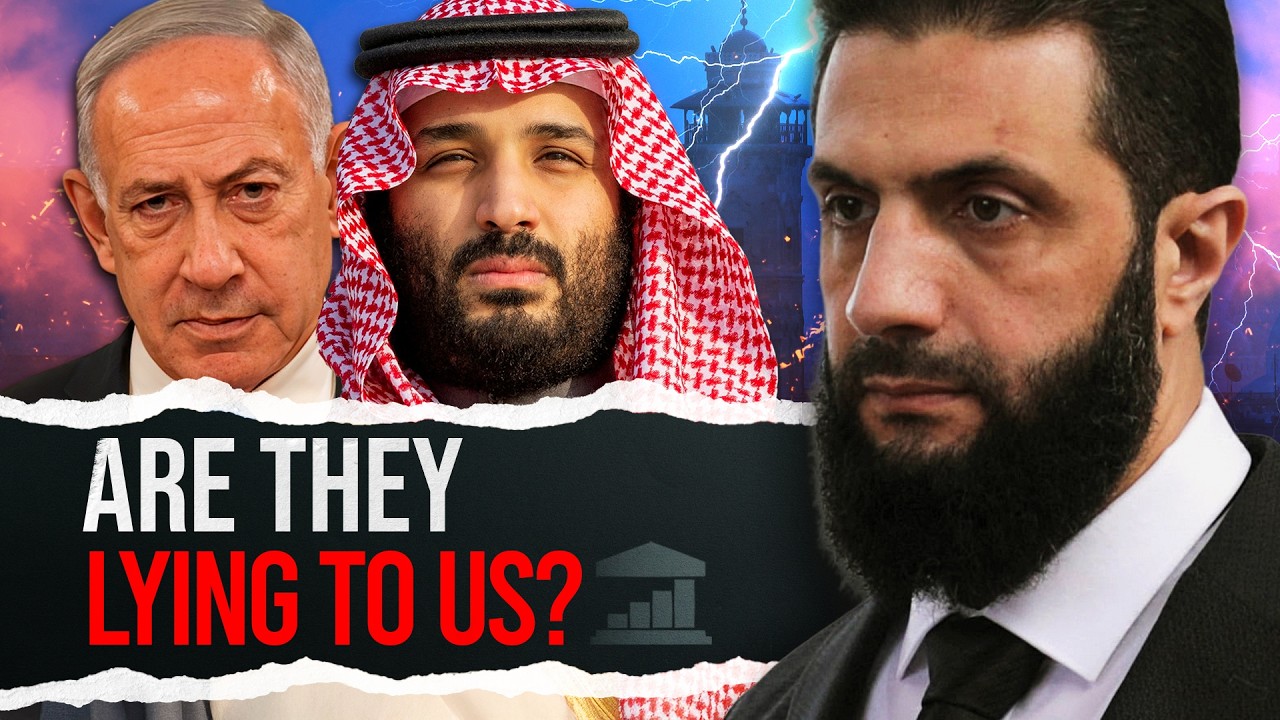
Syria's forgotten tragedy
Ultimatum Spurs Credit Panic
Trump fears Asia's oil shock