-
 Timberwolves eliminate Jokic's Nuggets from NBA playoffs
-
Iran activates air defences as Trump faces congressional deadline

-
 Arsenal seek to ramp up heat on Man City in title race
-
PSG closing in on another French title before Bayern second leg

-
 Espanyol must stop rot against Real Madrid as Barca eye title
-
Leipzig can book return to Champions League as Bundesliga top-four rivals meet

-
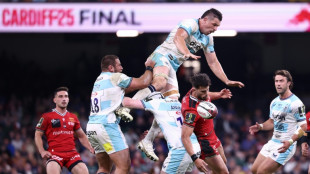 Injuries add to Bath's challenge for Champions Cup semi in Bordeaux
-
Karius getting 'back to the top' with promotion-chasing Schalke

-
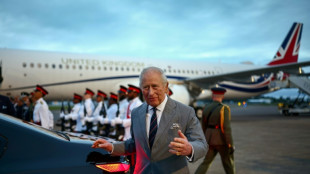 King Charles arrives in Bermuda after whirlwind US visit
-
Clashes erupt in Australian town over death of Indigenous girl

-
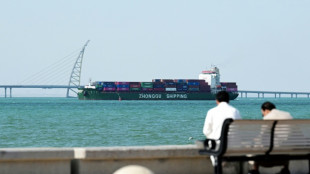 Iran war redraws sea routes with Africa as the pivot
-
India's cows offer biogas alternative to Mideast energy crunch

-
 Afghans celebrate spring in bright red poppy fields
-
Finland's 'Flamethrower' and 4 other Eurovision favourites

-
 Crude edges up after wild swing, stocks track Wall St rally
-
Eurovision: 70 years of geopolitics, patriotism, music and glitter

-
 Knicks demolish Hawks to advance in NBA playoffs
-
Blockbuster EU-Mercosur trade deal enters into force
-
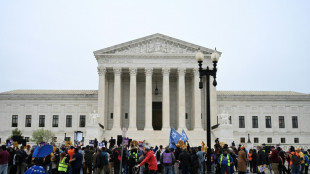 'Uncharted': US court ruling shakes up battle for Congress
-
Florida executes man who spent nearly 50 years on death row

-
 Ace lifts rookie Green to share of LPGA lead as Korda lurks
-
Wear a bulletproof vest? I don't want to look fat, says Trump

-
 World No. 4 Young leads at PGA Cadillac Championship
-
FIFA to review ticket strategy for 2030 World Cup

-
 Bucks hire ex-Grizzlies coach Jenkins
-
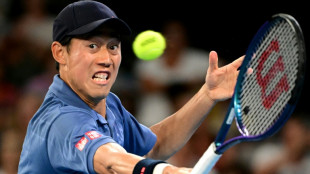
Japanese tennis trailblazer Nishikori to retire at end of season
-
 Palestinian football chief slams Israeli official at FIFA meeting
-
Britney Spears formally charged with DUI in California

-
 Rayo grab lead over Strasbourg in Conference League semi
-
New Princess Diana documentary promises her own words

-
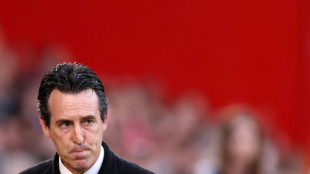 Villa boss Emery fumes as Forest star Anderson escapes red card
-
Oil slumps after hitting peak, US indices reach new records
-
 Trump says lifting Scottish whisky tariffs to 'honor' King Charles
-
Venezuela leader hikes minimum wage package by 26%

-
 PGA Tour golfers take wait-and-see approach amid LIV turmoil
-
Braga strike late to seize advantage over Freiburg in Europa League semi

-
 Miami GP could be moved up as thunderstorms threaten - drivers
-
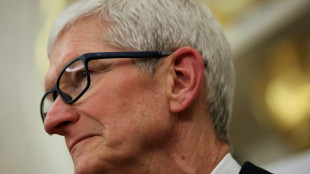
Apple earnings beat forecasts on iPhone 17 demand
-
 Crystal Palace beat Shakhtar to close in on Conference League final
-
Wood punishes Digne blunder as Forest earn Europa semi-final lead against Villa

-
 Formula One drivers welcome rule tweaks, but say more change needed
-
Bangladesh signs biggest-ever plane deal for 14 Boeings

-
 Musk grilled on AI profits at OpenAI trial
-
Venezuela opens arms to world with Miami-Caracas flight

-
 King Charles experiences small-town America on last day of visit
-
Trump mulls US troop cuts in Italy, Spain over Iran row

-
 Israel says detained Gaza flotilla activists to be taken to Greece
-
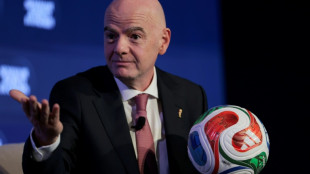
Infantino confirms Iran will play World Cup games in US
-
 Blow for Lula as Brazil MPs slash Bolsonaro prison term
-
At Iranian film's Berlin premiere, calls not to forget Iranian people

Japan's financial precipice
Japan is grappling with a dire financial crisis as interest rates have surged, doubling to a staggering 0.50%—the highest level since the 2008 global financial crisis. This dramatic shift, orchestrated by the Bank of Japan, marks the end of a prolonged era of ultra-low borrowing costs, leaving the nation teetering on the edge of economic ruin. The people, long accustomed to near-zero rates, now face unprecedented financial pressure as the cost of living soars and debt burdens mount.
For decades, Japan wrestled with stagnation and deflation, a period often dubbed the "Lost Decades." Ultra-low interest rates were a lifeline, keeping borrowing affordable and sustaining a fragile economy. But that lifeline has been severed. Inflation has climbed past the central bank's 2% target, fueled by a tight labor market and rising wages. Emboldened by these signs of economic vigor, the Bank of Japan has pushed forward with its rate hikes, aiming to normalize monetary policy after years of caution.
Yet, this bold move comes at a steep cost. Japan's public debt, one of the largest in the world, now looms larger as servicing costs rise with the higher rates. Households, once shielded by cheap loans, are buckling under increased mortgage and credit payments. Businesses, too, face a reckoning—many small firms, the backbone of the economy, fear they won't survive the tightened conditions. "The shift is too sudden," one economic observer noted, echoing widespread unease. "Families and companies need time to adjust, but time is a luxury we don’t have."
The timing couldn’t be worse. Global uncertainties, from trade disruptions to geopolitical tensions, cast a shadow over Japan’s recovery. Some experts caution that the rate hike could choke off growth just as the economy begins to stir, plunging the nation back into the stagnation it fought so hard to escape. "We’re walking a tightrope," another voice warned, highlighting the delicate balance between curbing inflation and preserving stability.
As Japan stands at this financial precipice, the Bank of Japan faces mounting pressure to monitor the fallout closely. The path ahead is fraught with risk—too aggressive, and the economy could collapse under the weight of debt; too lenient, and inflation could spiral out of control. For now, the people of Japan brace for hardship, their resilience tested once more as the nation navigates this perilous turning point.

US China race hits 2027

Brussels misreads Magyar

Scandic Coin, (SNC) and Trust

Global finance in few hands

AI's 18-month Job disruption
Iran war fuels terror risks

Bitcoin slump stirs doubt

Will US Forces Invade Iran?

Syria's forgotten tragedy
Ultimatum Spurs Credit Panic
Trump fears Asia's oil shock