-
 Lebanon says Israeli strikes kill soldiers, as shelters overflow
-
Van de Ven insists it's 'nonsense' to say players don't care about Spurs' plight

-
 Argentina withdraws from World Health Organization
-
US Fed expected to keep rates steady as Iran war impact looms
-
 Two men in Kenyan court for ant-smuggling
-
Cuba scrambles to restore power as Trump threatens takeover

-
 War fuels fears of new oil crisis
-
Kerr 'frustrated' at six-figure sum owed to him by Johnson's failed Grand Slam Track

-
 Senior US counterterrorism official resigns to protest Iran war
-
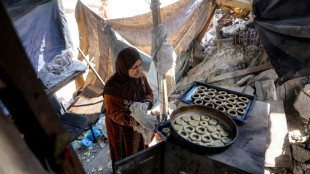
In shadow of Iran war, Gazans prepare for Eid
-
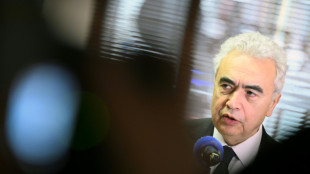 Oil prices climb as fresh strikes target infrastructure
-
Southern Lebanon paramedics risk deadly Israeli strikes to do their work

-
 Len Deighton, spy novelist who created the anti-Bond
-
Barca Flick's 'last job' but not yet certain on renewal

-
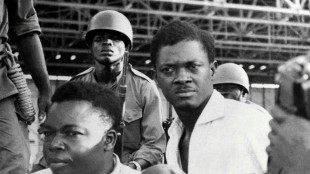 Belgian diplomat ordered to stand trial over 1961 Congo leader murder
-
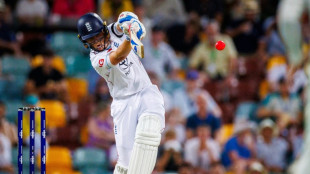
Pope says idea England 'weren't fussed' about the Ashes was tough to take
-
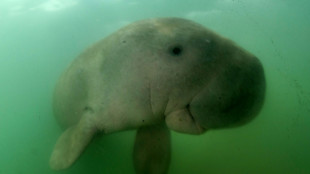 War threatens Gulf's dugongs, turtles and birds
-
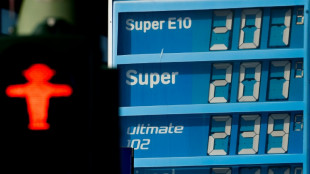
Germany targets oil firms to prevent wartime price gouging
-
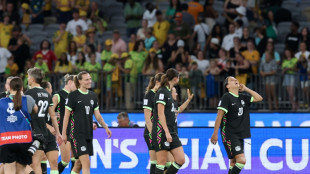 Chelsea striker Kerr sends Australia into Asian Cup final
-
'East meets West': KPop Demon Hunters brings global fans to Seoul's sites

-
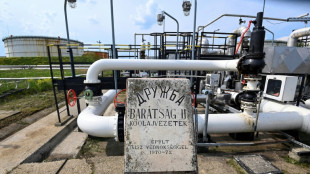 EU to help reopen blocked oil pipeline in Ukraine
-
Thai eSports players sentenced over SEA Games cheating scandal

-
 Nigeria suicide bombings kill 23, wound more than 100
-
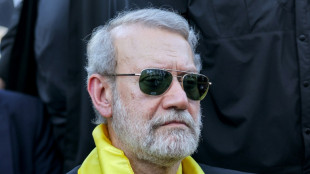
Iran's Larijani, the man whose power grew during Mideast war
-
 Israel says killed Iran national security chief Larijani
-
Millions of Indonesians in Eid travel exodus

-
 Israel strikes Beirut suburbs as displacement shelters overflow
-
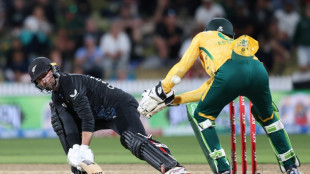
Hard-hitting Conway steers New Zealand to victory over South Africa
-
 During Ramadan, Senegal's Baye Fall community lives to serve
-
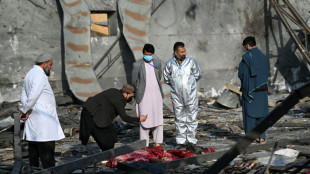
Afghan govt says 'around 400' killed in Pakistani strike on Kabul rehab clinic
-
 Russian ballet banned for 'gay propaganda' gets new life in Berlin
-
Malaysia hit with 3-0 forfeits to send Vietnam to Asian Cup

-
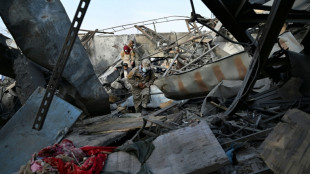
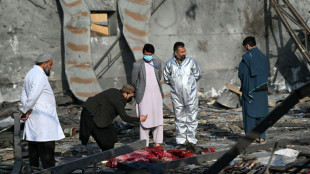
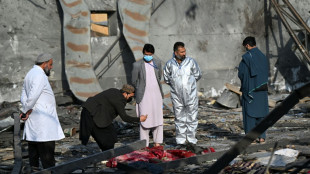 Rescue workers comb ruins of Kabul drug clinic after Pakistan strike
-
'Many dead': Wounded survivor escaped Kabul clinic strike
-
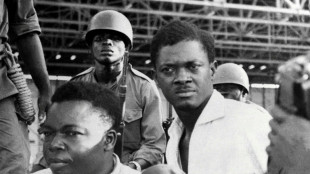 Belgian court decides on holding trial over 1961 Congo leader murder
-
Kabul drug rehab clinic in ruins after Pakistan strikes on Afghanistan
-
 Israel strikes Tehran, Beirut as Iraq pulled deeper into Mideast war
-
Georgia ready for rugby elite despite rare Portugal defeat

-
 Doncic leads Lakers to sixth straight win, Spurs sink Clippers
-
Iran 'negotiating' with FIFA over moving World Cup games to Mexico: embassy

-
 Gavaskar condemns Indian-owned franchise for signing Pakistan bowler
-
Cash handouts, fare hikes as Philippines battles soaring fuel costs

-
 Alleged Bondi Beach killer's mother received death threats, court told
-
Venezuela end Italy fairytale to reach World Baseball Classic final

-
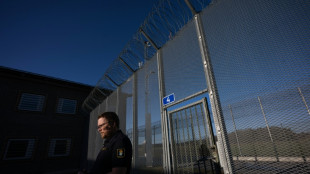 Sweden's prisons prepare to house young teens
-
Indonesia weighs response to price pressures from Middle East war

-
 In Hollywood, AI's no match for creativity, say top executives
-
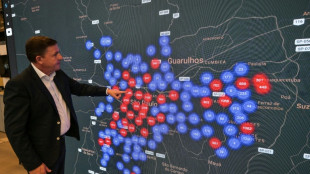
Sao Paulo AI policing nabs criminals, and a few innocents
-
 Trump faces coalition of the unwilling on Iran
-
Nvidia chief expects revenue of $1 trillion through 2027

Next Chancellor of Germany and Trump
Germany’s political landscape shifted decisively with the federal election on 23 February 2025, propelling Friedrich Merz, leader of the Christian Democratic Union (CDU), into the position of the nation’s next chancellor. As he prepares to form a coalition government, likely with the Social Democratic Party (SPD), Merz has signalled a bold foreign policy stance: a willingness to confront United States President Donald Trump, particularly over the contentious issue of Ukraine. This emerging transatlantic tension promises to redefine Germany’s role on the global stage.
A new german Leader with a clear Vision?
Merz’s victory, securing approximately 28.5% of the vote for the CDU/CSU alliance, marks a return to conservative leadership following years of coalition governance under Angela Merkel and, more recently, Olaf Scholz. With the Alternative für Deutschland (AfD) gaining 20% and the SPD trailing at 16.5%, Merz faces the task of uniting a fragmented Bundestag. Preliminary estimates suggest the CDU/CSU will hold around 179 seats, necessitating a partnership with the SPD (104 seats) and possibly the Greens (73 seats) to achieve the 316-seat majority required.
The chancellor-in-waiting has wasted no time in outlining his priorities. While congratulating Trump on his inauguration on 20 January 2025 with a handwritten letter—a gesture of diplomatic courtesy—Merz has made it clear that he will not shy away from challenging the American president where their views diverge.
The Ukraine Flashpoint:
At the heart of this anticipated confrontation lies Ukraine. Merz has been an outspoken advocate for robust European support for Kyiv, a position he underscored during a visit to President Volodymyr Zelensky in May 2022. His criticism of Trump’s rhetoric, which he has described as echoing Russian narratives, reveals a stark divide. In a recent interview Merz expressed dismay at Trump’s apparent indifference to European security concerns, labelling it a “classic case of blaming the victim.” This stance contrasts sharply with Trump’s reported inclination to pursue rapprochement with Russia, a policy that has alarmed many in Europe.
Merz’s commitment to Ukraine is not merely rhetorical. He has pledged to bolster Germany’s defence spending and has floated the idea of a new European defence alliance, potentially as an alternative to NATO, should transatlantic cooperation falter under Trump’s leadership. Such proposals reflect a broader ambition to enhance Europe’s strategic autonomy—a move that could strain relations with Washington.
Balancing Confrontation with Cooperation:
Despite his readiness to challenge Trump, Merz is not advocating for a complete rupture. In an interview last November, he emphasised the importance of “deals” with the United States, particularly in trade and economic matters, that could benefit both sides. This pragmatic streak suggests that while Merz may clash with Trump over security policy, he seeks to maintain a functional relationship in other domains. Germany, as Europe’s economic powerhouse, cannot afford to alienate its largest transatlantic partner entirely.
Implications for Transatlantic Ties:
Merz’s leadership arrives at a pivotal moment. Trump’s return to the White House has rekindled debates about the reliability of American commitments to Europe, especially within NATO. By positioning Germany as a counterweight to Trump’s policies, Merz could catalyse a shift towards a more assertive European Union—one less dependent on U.S. direction. His plans to increase defence collaboration among EU nations signal a long-term vision that may outlast transatlantic spats.
Yet, this approach carries risks. A public confrontation with Trump could exacerbate divisions within NATO and embolden critics of European unity, such as the AfD, which has capitalised on anti-establishment sentiment. Merz must navigate these domestic and international pressures with care.
Conclusion:
As Friedrich Merz prepares to assume the chancellorship, his intention to confront Donald Trump over Ukraine heralds a new chapter in German foreign policy. Rooted in a commitment to European security and independence, his stance promises to test the resilience of transatlantic relations. Whether this leads to a lasting realignment or a pragmatic compromise remains to be seen, but one thing is certain: Germany’s next chancellor is poised to make his mark on the world stage.
A new german Leader with a clear Vision?
Merz’s victory, securing approximately 28.5% of the vote for the CDU/CSU alliance, marks a return to conservative leadership following years of coalition governance under Angela Merkel and, more recently, Olaf Scholz. With the Alternative für Deutschland (AfD) gaining 20% and the SPD trailing at 16.5%, Merz faces the task of uniting a fragmented Bundestag. Preliminary estimates suggest the CDU/CSU will hold around 179 seats, necessitating a partnership with the SPD (104 seats) and possibly the Greens (73 seats) to achieve the 316-seat majority required.
The chancellor-in-waiting has wasted no time in outlining his priorities. While congratulating Trump on his inauguration on 20 January 2025 with a handwritten letter—a gesture of diplomatic courtesy—Merz has made it clear that he will not shy away from challenging the American president where their views diverge.
The Ukraine Flashpoint:
At the heart of this anticipated confrontation lies Ukraine. Merz has been an outspoken advocate for robust European support for Kyiv, a position he underscored during a visit to President Volodymyr Zelensky in May 2022. His criticism of Trump’s rhetoric, which he has described as echoing Russian narratives, reveals a stark divide. In a recent interview Merz expressed dismay at Trump’s apparent indifference to European security concerns, labelling it a “classic case of blaming the victim.” This stance contrasts sharply with Trump’s reported inclination to pursue rapprochement with Russia, a policy that has alarmed many in Europe.
Merz’s commitment to Ukraine is not merely rhetorical. He has pledged to bolster Germany’s defence spending and has floated the idea of a new European defence alliance, potentially as an alternative to NATO, should transatlantic cooperation falter under Trump’s leadership. Such proposals reflect a broader ambition to enhance Europe’s strategic autonomy—a move that could strain relations with Washington.
Balancing Confrontation with Cooperation:
Despite his readiness to challenge Trump, Merz is not advocating for a complete rupture. In an interview last November, he emphasised the importance of “deals” with the United States, particularly in trade and economic matters, that could benefit both sides. This pragmatic streak suggests that while Merz may clash with Trump over security policy, he seeks to maintain a functional relationship in other domains. Germany, as Europe’s economic powerhouse, cannot afford to alienate its largest transatlantic partner entirely.
Implications for Transatlantic Ties:
Merz’s leadership arrives at a pivotal moment. Trump’s return to the White House has rekindled debates about the reliability of American commitments to Europe, especially within NATO. By positioning Germany as a counterweight to Trump’s policies, Merz could catalyse a shift towards a more assertive European Union—one less dependent on U.S. direction. His plans to increase defence collaboration among EU nations signal a long-term vision that may outlast transatlantic spats.
Yet, this approach carries risks. A public confrontation with Trump could exacerbate divisions within NATO and embolden critics of European unity, such as the AfD, which has capitalised on anti-establishment sentiment. Merz must navigate these domestic and international pressures with care.
Conclusion:
As Friedrich Merz prepares to assume the chancellorship, his intention to confront Donald Trump over Ukraine heralds a new chapter in German foreign policy. Rooted in a commitment to European security and independence, his stance promises to test the resilience of transatlantic relations. Whether this leads to a lasting realignment or a pragmatic compromise remains to be seen, but one thing is certain: Germany’s next chancellor is poised to make his mark on the world stage.

Bolivia at breaking point

Embraer’s 950% surge

China’s profitless push

Alert in Trump’s America

Why China props up Putin

Zelenskyy anti-graft gamble

Seven-Day Sanctions Showdown

Trump vs. EU: A good deal?
Japan's financial precipice
Iraq vs. Iran – The end?
France's debt is growing