-
 Trump says will raise US tariffs on EU cars, trucks to 25%
-
Godon raises game to take Romandie stage and revenge over leader Pogacar
-
 Celtic's O'Neill expects no let-up from Hibs despite fans' feelings
-
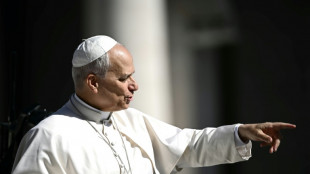
Pope names former undocumented migrant as US bishop
-
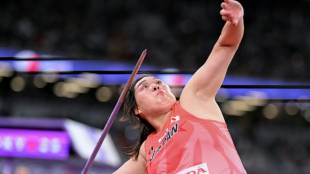 Javelin star Kitaguchi teams up with Czech legend Zelezny
-
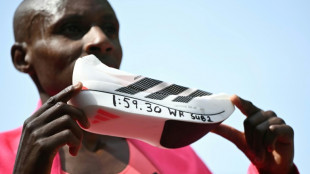
Sawe sub-2hr marathon captured 'global imagination' says Coe
-
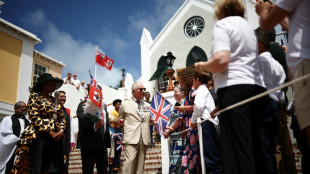 King Charles gets warm welcome in Bermuda after whirlwind US visit
-
Sinner shines to beat Fils, reach Madrid Open final
-
 UK court clears comedy writer of damaging transgender activist's phone
-
Was LIV Golf an expensive failure for Saudis? Not everyone thinks so
-
 Coe hails IOC gender testing decision
-
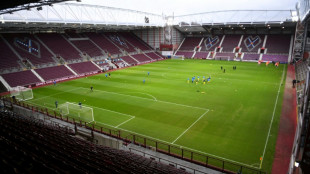
McInnes wants Tynecastle in 'full glory' for Hearts title charge
-
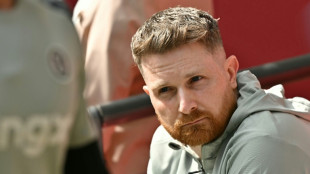 McFarlane says troubled Chelsea still attractive to potential managers
-
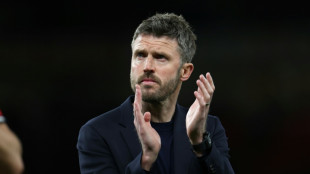
Man Utd boss Carrick relishes 'special' Liverpool rivalry
-
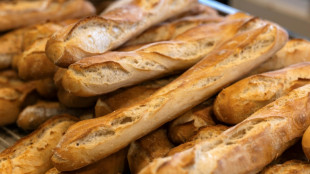 Baguettes take centre stage on France's Labour Day
-
Spurs must banish 'loser' mentality despite injury woes, says De Zerbi
-
 Arsenal must manage emotions of title race says Arteta
-
Nepal temple celebrates return of stolen Buddha statue
-
 US Fed official says rate hikes may be needed if inflation surges
-
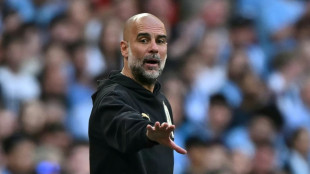
Fixture pile-up no excuse for Man City in title race: Guardiola
-
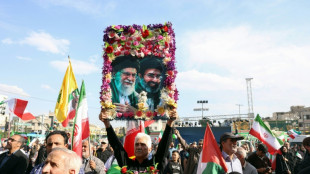 Iran offers new proposal amid stalled US peace talks
-
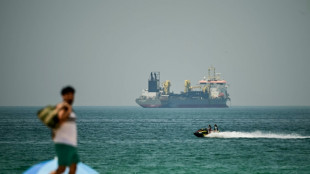
Gulf countries' plans to bypass Hormuz still far off, experts warn
-
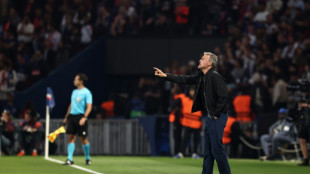 Luis Enrique says 'unique' PSG-Bayern first leg could have gone either way
-
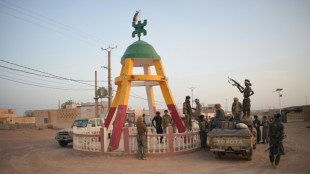
Rebels take key military camp in Mali's north
-
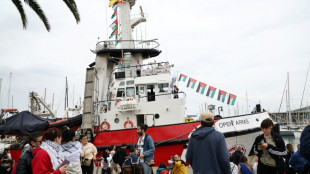 Activists on Gaza aid flotilla seized by Israeli forces disembark in Crete
-
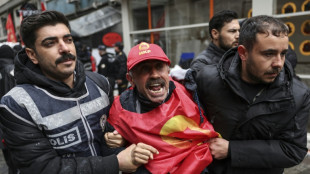
Turkish police fire tear gas, arrest hundreds at Istanbul May Day rallies
-
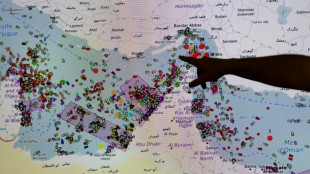 French hub monitors Hormuz tensions from afar
-
Flick happy Raphinha back for Barca with title in sight
-
 UN troubled by rejected appeal of Cambodian opposition leader
-
Activists on Gaza aid flotilla detained by Israel disembark in Crete
-
 Suspect appears in UK court charged with attacking two Jewish men
-
Oil steady after wild swing, stocks diverge in thin trading
-
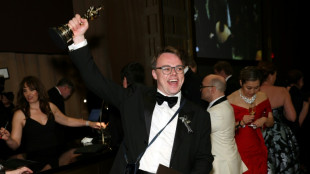 Lufthansa says searching for Oscar lost after US airport security row
-
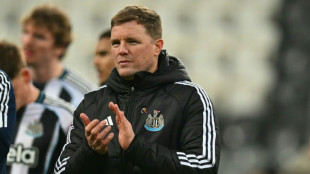
Howe says Saudi backers are fully behind Newcastle
-
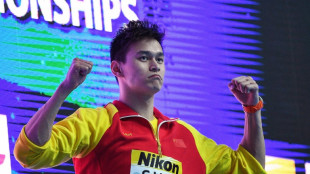 Chinese swimmer Sun Yang reports cyberbullying to police
-
Salah 'deserves big send-off', says Liverpool boss Slot
-
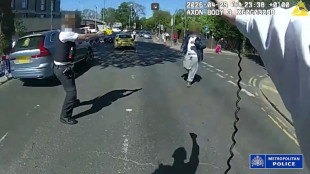 UK police charge man with stabbing attack on two Jewish Londoners
-
Solomon Islands leader loses court appeal, must face no confidence vote
-
 Former world skating champion Uno joins pro eSports team
-
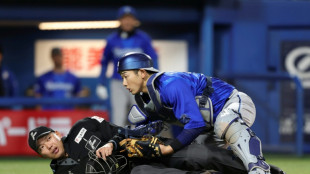
Japan baseball umpire hit by bat still unconscious two weeks on
-
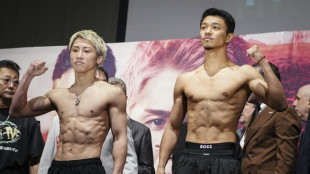 Nakatani says won't be intimidated in sold-out Inoue title clash
-
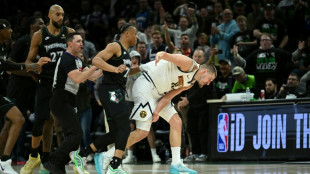
T-Wolves eliminate Nuggets as Knicks demolish Hawks in NBA playoffs
-
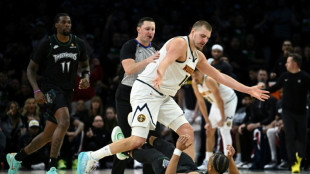 Timberwolves eliminate Jokic's Nuggets from NBA playoffs
-
Iran activates air defences as Trump faces congressional deadline
-
 Arsenal seek to ramp up heat on Man City in title race
-
PSG closing in on another French title before Bayern second leg
-
 Espanyol must stop rot against Real Madrid as Barca eye title
-
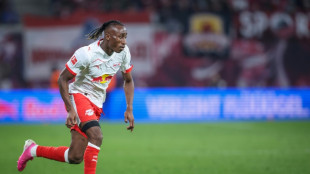
Leipzig can book return to Champions League as Bundesliga top-four rivals meet
-
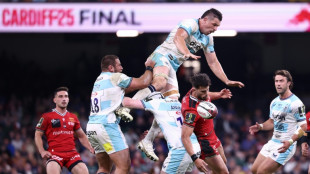 Injuries add to Bath's challenge for Champions Cup semi in Bordeaux
-
Karius getting 'back to the top' with promotion-chasing Schalke
Zelenskyy anti-graft gamble
President Volodymyr Zelenskyy entered office as the public face of a reformist wave, yet today he stands accused of dismantling the very anti-corruption architecture that underpinned his legitimacy. On 22 July Ukraine’s parliament fast-tracked amendments that place the National Anti-Corruption Bureau (NABU) and the Special Anti-Corruption Prosecutor’s Office (SAPO) under the effective control of the prosecutor general, a political appointee answerable to the presidency.
The new law empowers the prosecutor general to reassign high-profile graft cases “when circumstances make NABU’s work impossible,” a clause critics describe as a licence for political interference. Within hours Zelenskyy signalled support, calling the changes a wartime necessity—only to trigger the largest street protests in Kyiv since the first months of the invasion. Demonstrators draped parliament with banners warning of a return to pre-revolution impunity and chanting “EU or bust,” a reference to Brussels’ demand that Kyiv maintain independent watchdogs as a core accession pre-condition.
Financial stakes rose immediately. The European Commission privately told Kyiv that up to €18 billion in macro-financial aid could be frozen unless the rollback is reversed, while several donor governments paused disbursement of recovery funds earmarked for 2025-26. Foreign investors, already wary of doing business in a war zone, saw bond yields spike to a three-month high as rating agencies flagged “governance slippage”.
Domestically, the chill reached law-enforcement corridors. NABU agents reported surprise searches of their offices by state-security operatives, officially justified as a hunt for “foreign infiltration.” Anti-graft officials countered that the raids aimed to seize case files implicating influential wartime contractors.
Under pressure, Zelenskyy invited agency heads and civic groups to negotiate a face-saving compromise. Yet even a cosmetic fix may not repair the reputational damage: polls released this week show confidence in the president’s anti-corruption agenda falling below 40 percent for the first time since 2022. Meanwhile, NABU’s most sensitive investigations—ranging from drone-procurement fraud to embezzlement in frontline logistics—remain in limbo, jeopardising both battlefield efficiency and public morale.
Analysts warn that weakening the investigative firewall could hard-wire patronage into Ukraine’s post-war reconstruction boom. Billions in future EU and World Bank contracts risk flowing through a system perceived to be politically captured, raising the prospect of donor fatigue at a moment when Kyiv’s fiscal gap already exceeds 20 percent of GDP. What began as a procedural tweak is thus morphing into a strategic gamble: Zelenskyy can retreat and reassure partners—or press ahead and test whether Ukraine’s allies will prioritise unity against Moscow over governance standards at home. Either path will define his presidency long after the guns fall silent.
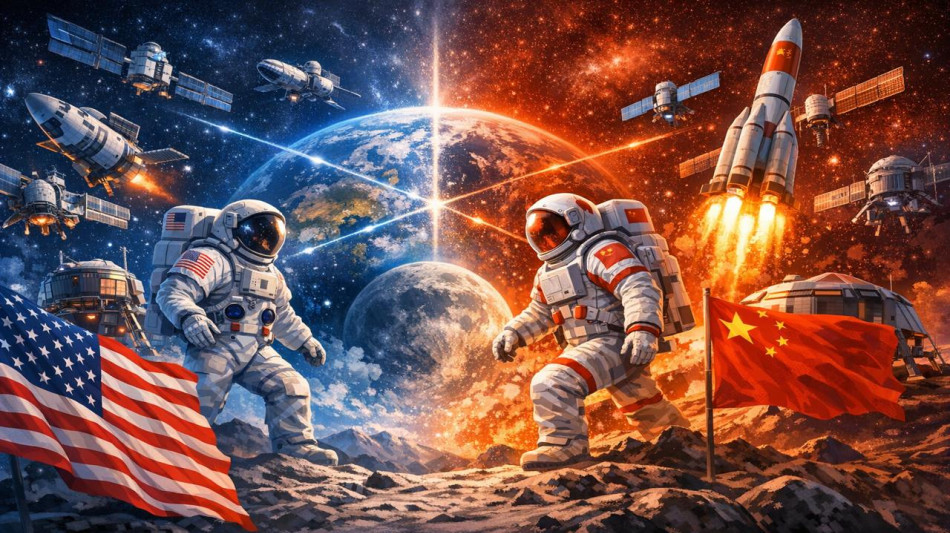
US China race hits 2027
Brussels misreads Magyar

Scandic Coin, (SNC) and Trust
Global finance in few hands
AI's 18-month Job disruption
Iran war fuels terror risks
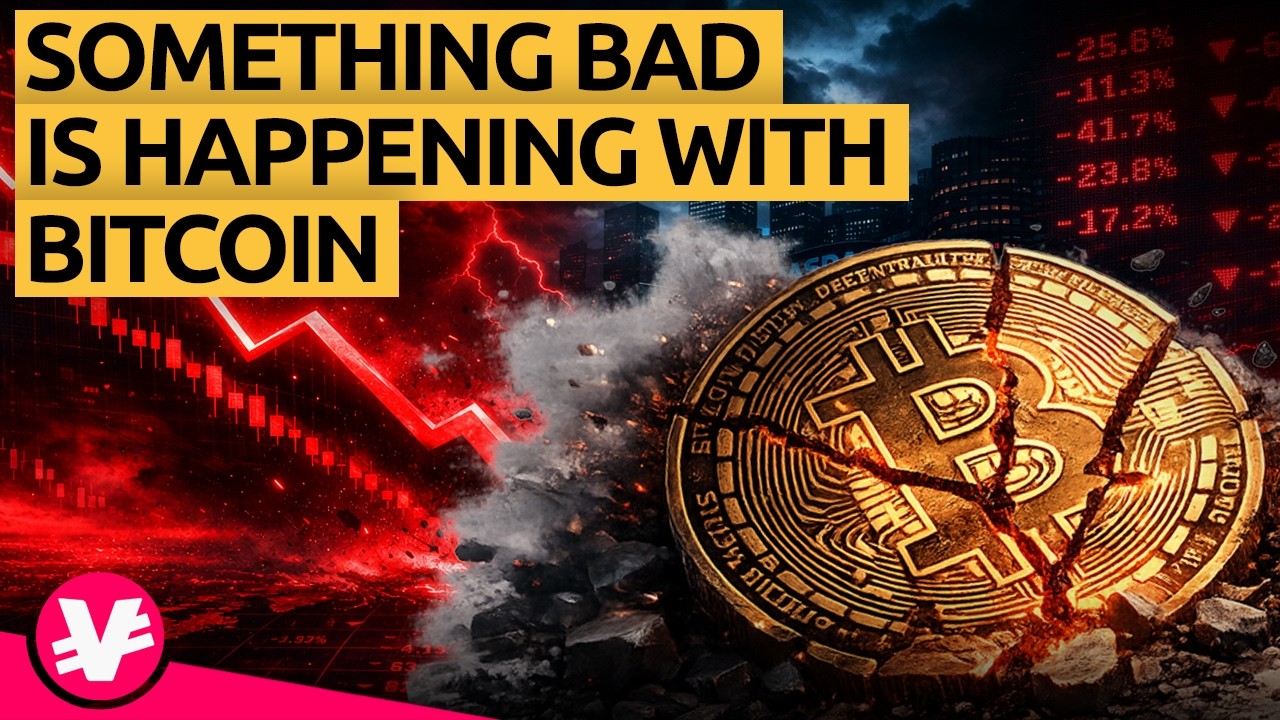
Bitcoin slump stirs doubt
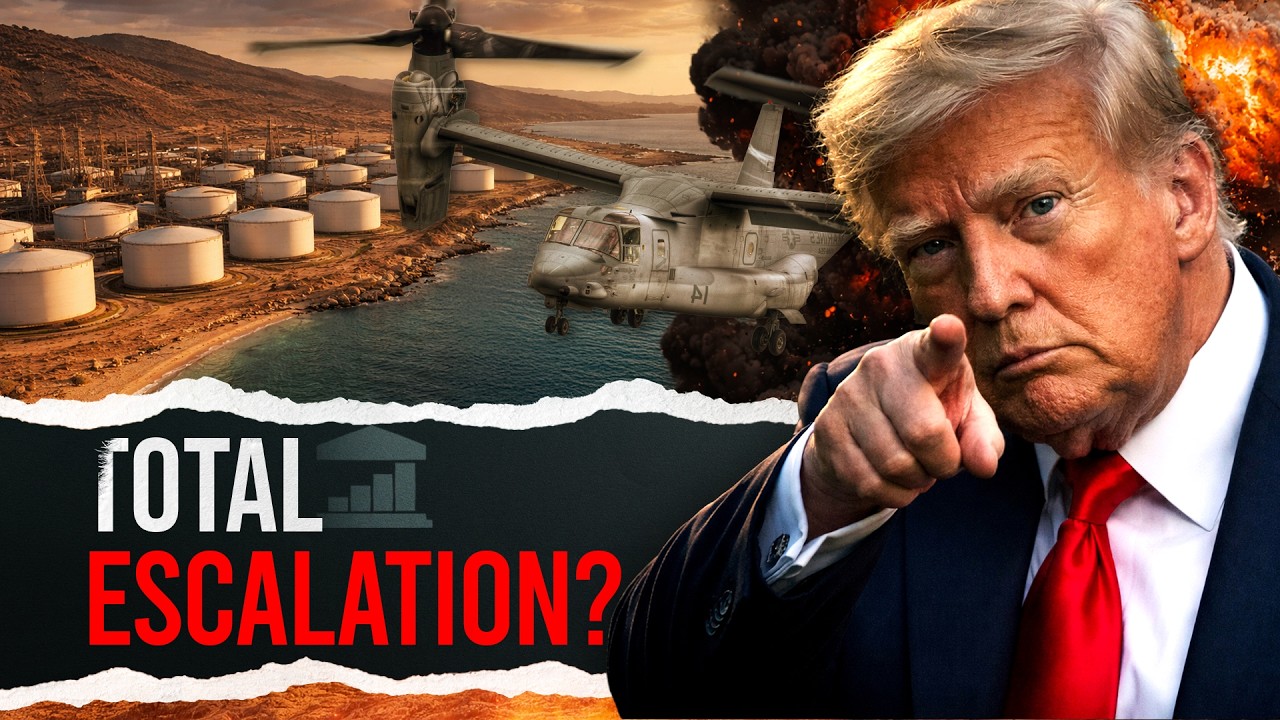
Will US Forces Invade Iran?
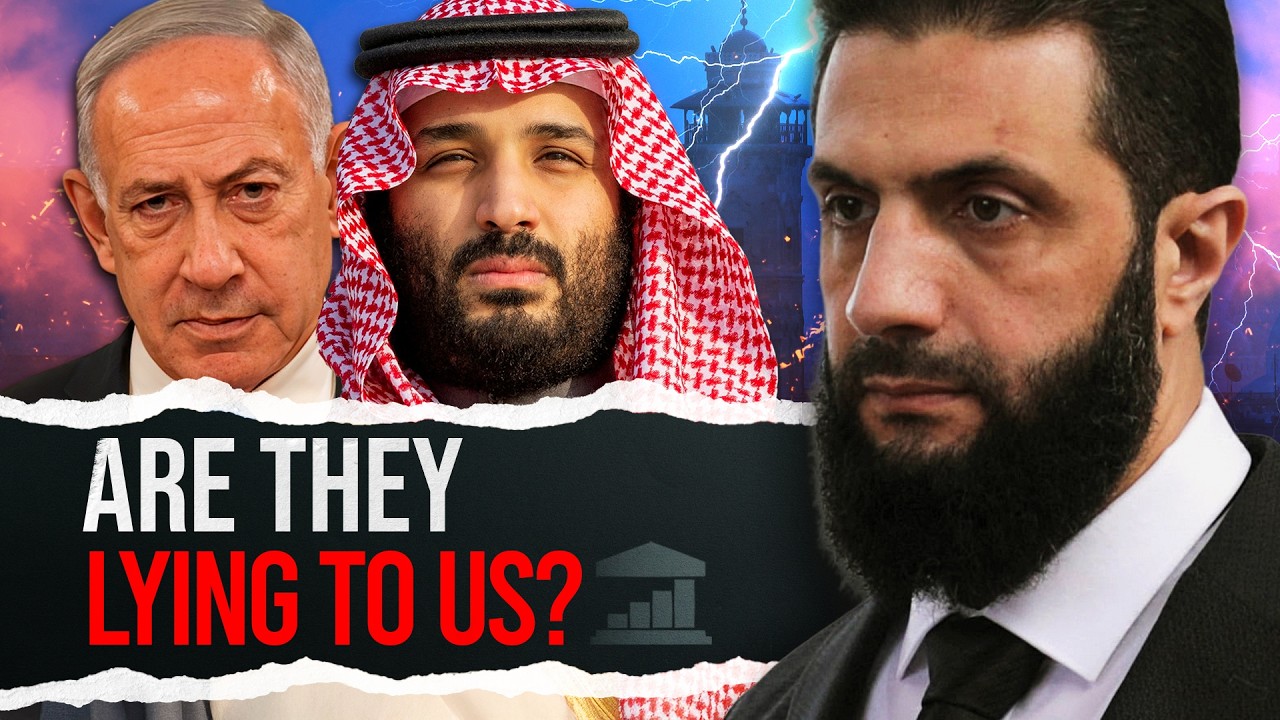
Syria's forgotten tragedy
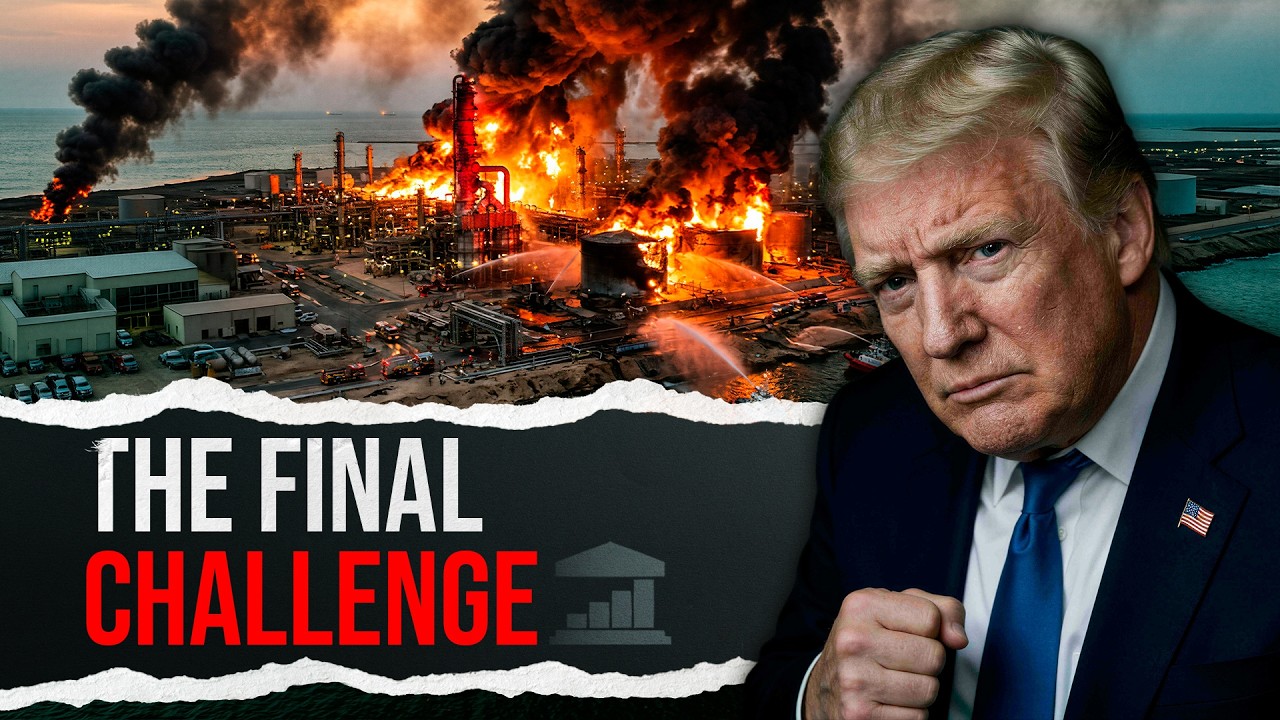
Ultimatum Spurs Credit Panic
Trump fears Asia's oil shock