-
 PSG president Nasser al-Khelaifi under investigation in France for conflict of interest
-
Iran 'put hearts on the court' to win Asian Games basketball bronze

-
 China swim sensation, 13, sets Games record after Japan win early
-
School girl Yu helps China dominate in Asian Games swimming openers

-
 Drones hit Moscow as Russians go to the polls
-
Myanmar win first Asian Games teqball gold as Spain great Puyol watches

-
 New England boss Fleming says 'wrong' to ask Stokes to end retirement
-
China's 13-year-old Yu scorches to first major gold at Asian Games

-
 Germans vote in elections threatening fresh blow to Merz
-
Russians vote on last day of parliamentary elections

-
 US fears rapid escalation in Mideast after Houthis attack Riyadh
-
Hong Kong pays final respects to former city leader Tung

-
 Japan triathlete Hojo wins first gold of Asian Games
-
Typhoon put people off Asian Games opening ceremony, official says

-
 IOC president impressed by 'beautiful' Asian Games wooden huts
-
China's 13-year-old Yu cruises as Asian Games swimming begins

-
 First Asian Games gold goes to Japan as China's 13-year-old Yu lights up pool
-
AI 'warning shots' focus Beijing on national security risks

-
 Data centre command hub keeps AI up and running
-
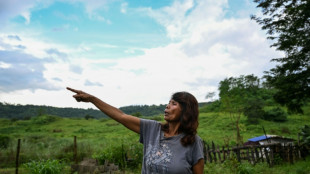
Philippine tribe in limbo over US-led tech hub
-
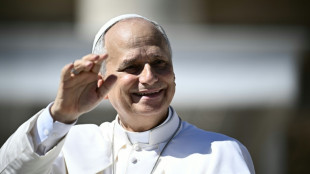 Pope Leo in France: the issues on the table
-
Leo XIV, first US pope transcends his restrained style

-
 Packing for a pope: behind the scenes on foreign trips
-
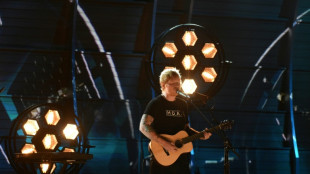
Singer Ed Sheeran says Gaza situation 'unjustifiable' following controversy
-
 Republicans find transgender issues a powerful political weapon in midterm campaigning
-
In 'Tenzing', a Sherpa mountaineer gets his due

-
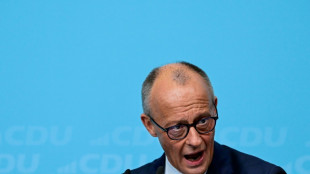 German state elections threaten new shock waves for Merz
-
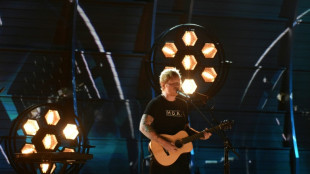
Ed Sheeran set to return to stage after Palestinian controversy
-
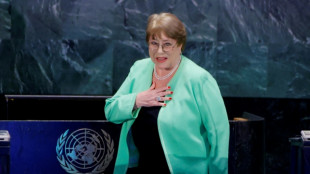 Chile's Bachelet quits race to be next UN chief
-
Toulouse edge Vannes, Lyon beat Pau to take Top 14 summit

-
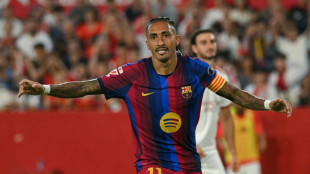 Raphinha treble fires perfect Barca to win at Sevilla
-
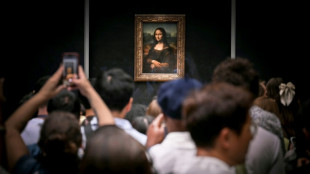
Germans arrested for Louvre stunt in Mona Lisa hall
-
 Thiam makes winning heptathlon return at Decastar meet
-
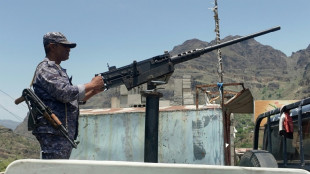
Saudi-led coalition says Houthis fired ballistic missile at Riyadh
-
 Czechs beat USA to qualify for Davis Cup finals
-
France's debt climbs to highest since 1978: ministry
-
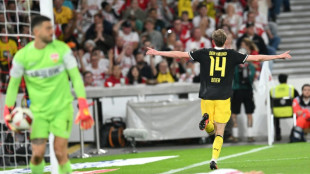 Dortmund sink Stuttgart to climb to Bundesliga summit
-
McIlroy two shots off the lead at Wentworth after eagle on 18

-
 Trump says will not tolerate attempts to slow AI growth
-
Martinez brace saves Inter in Serie A top-two clash with Roma

-
 'It has to stop': runners protest women's murders in S.Africa district
-
Rosenior abused but guides Paris FC past old club Strasbourg

-
 Fire erupts near Riyadh airport as Houthis claim strikes
-
Seven-try Lyon beat Pau, climb to Top 14 summit

-
 Cuba works to restore power after another blackout
-
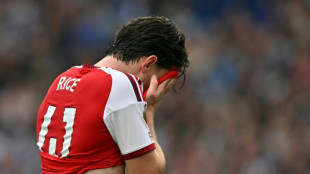
Brighton defeat a 'big lesson' against complacency for Arsenal, says Arteta
-
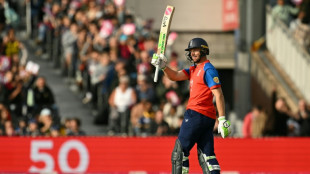 England thrash Sri Lanka again to return to top of T20 rankings
-
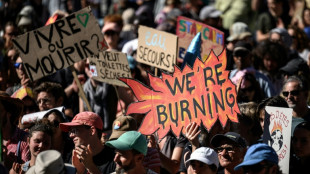
Thousands protest inaction over climate crisis in Switzerland
-
 Arsenal thrashed by Brighton, sorry Spurs lose again
-
Carapaz out of cycling world championships

Iran's Ayatollahs the next to Fall?
Following the collapse of the Assad regime in Syria and the ascent of Hay’at Tahrir al-Sham (HTS) to power, questions are emerging about the broader regional impact of this seismic shift. One of the most debated scenarios is whether Iran—long an influential player in Syria—could soon face its own regime-shaking upheaval. Could the Islamic Republic’s Ayatollah be next in line to lose his grip on power?
Iran’s Deep Involvement in Syria
Iran has been a steadfast supporter of the former Assad government, providing military advisors, financing, and strategic counsel. For years, Iranian-backed militias played a critical role in propping up the Syrian regime against a multitude of opposition forces. With Assad’s fall, Tehran finds itself facing a new power structure in Damascus—one led by a group previously hostile to both the regime and its foreign backers.
Reduced Regional Influence
The loss of Assad may weaken Iran’s leverage in the Levant, limiting its ability to exert pressure on neighboring countries. A more extremist government in Damascus could seek to push out or marginalize Iranian influence to consolidate its own standing.
Strategic Setback
Iran’s “Shia Crescent” strategy, which sought to create a corridor of allied governments stretching from Tehran to the Mediterranean, appears severely compromised. This setback may embolden Iran’s adversaries at home and abroad, fueling the notion that Tehran’s regime could be similarly vulnerable.
Domestic Pressures in Iran
Even before events in Syria escalated, Iran’s leadership faced growing internal discontent. Public frustration with economic hardships, alleged corruption, and strict social controls has been an undercurrent for years, occasionally erupting into protests.
Economic Challenges
International sanctions have strained Iran’s economy. Unemployment and inflation add to widespread dissatisfaction, weakening the regime’s domestic legitimacy.
Protest Movements
Periodic demonstrations, sometimes met with harsh crackdowns, reveal a restive population demanding reforms. Younger Iranians, especially urban and educated demographics, often use social media to organize protests and call for greater freedoms.
Leadership Questions
Ayatollah Ali Khamenei’s advanced age has sparked debates about succession. Hardline factions and moderate reformists remain divided, raising the possibility of political instability if the supreme leader’s authority wavers.
Could HTS’s Victory Inspire Iranian Opposition?
The question many observers are asking: if a once-fringe, hardline group like HTS can topple a long-entrenched regime in Syria, might Iran’s leadership be more vulnerable than it appears?
Symbolic Resonance
Zhe collapse of Assad—a key ally—damages Tehran’s image of regional ascendancy. Opposition groups in Iran may see HTS’s triumph as a sign that even the most entrenched regimes can crumble under the right conditions.
Geopolitical Shifts
Regional players opposed to Iran’s influence may feel emboldened and offer covert support to Iranian dissidents. A shift in Damascus could reduce Tehran’s ability to move personnel, weapons, or resources across Syria, weakening its strategic depth.
Counterarguments: Why Iran May Weather the Storm
Despite these challenges, it is far from certain that Iran’s leadership is on the brink. The Islamic Republic has shown resilience over four decades, surviving international sanctions, internal protests, and regional conflicts.
Security Apparatus
Iran’s Revolutionary Guard Corps (IRGC) remains a potent force, adept at suppressing unrest. A widespread intelligence network monitors opposition activities, often preventing them from gaining traction.
Ideological Cohesion
Many Iranians still identify with the Islamic Republic’s revolutionary ideals. The regime’s ability to rally nationalist sentiment, especially in times of perceived foreign threats, should not be underestimated.
Lack of a Unified Opposition
Multiple opposition groups inside and outside Iran remain fractured, lacking a coherent leadership to mount a credible challenge. HTS’s ascension in Syria may not easily translate into a similar movement within Iran.
Conclusion: A Cautious Outlook
While the unexpected rise of HTS in Syria has undoubtedly rattled long-standing alliances, it is premature to conclude that Iran’s Ayatollah is next in line to lose power. Tehran’s regime, though facing economic challenges and public dissent, still possesses formidable tools of control and a legacy of resilience.
Yet the region’s shifting geopolitics, coupled with growing discontent at home, suggests that Iran’s leadership must navigate increasingly turbulent waters. If the aftermath of Syria’s transformation continues to erode Tehran’s regional standing, domestic opposition could be emboldened—setting the stage for potential change. Whether that will translate into a full-scale power shift remains uncertain, but the seeds of doubt are undeniably taking root.
This Summer experiences Romania first heatwave
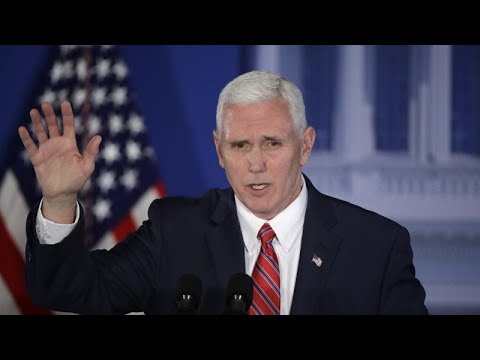
Mike Pence: U.S. will continue to support Ukraine

Activists organise "flotilla" with aid for Gaza

Holy souls on display at 2024 Venice Biennale

Brussels, my Love? EU-Market "sexy" for voters?

The great Cause: Biden-Harris 2024
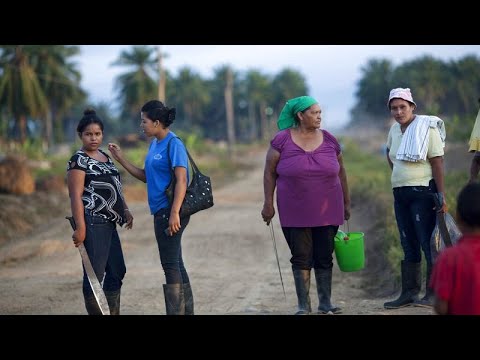
UN: Tackling gender inequality crucial to climate crisis

Scientists: "Mini organs" from human stem cells
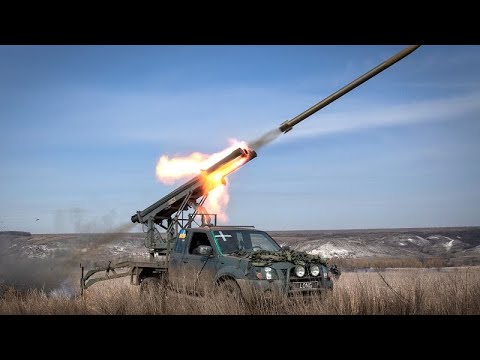
ICC demands arrest of Russian officers

Europe and its "big" goals for clean hydrogen

Putin and the murder of Alexei Navalny (47†)