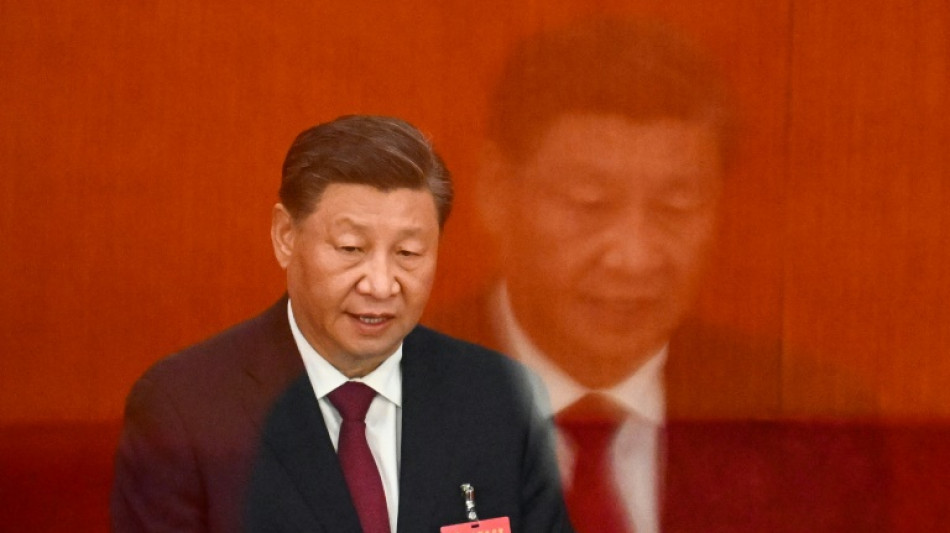
China's assertive foreign policy under President Xi / Photo: Noel CELIS - AFP/File

 South Korea's 'dismal' World Cup ends in group phase
 Colombia and Portugal through to World Cup last 32 after thrilling draw
 Wissa sends DR Congo into World Cup last 32 clash with England

 A painful wait by a pile of rubble in quake-hit Venezuela
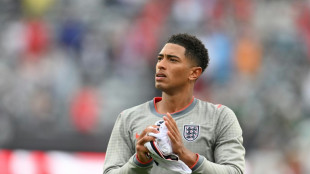 Tuchel delighted to have Bellingham in 'sweet spot' for England at World Cup

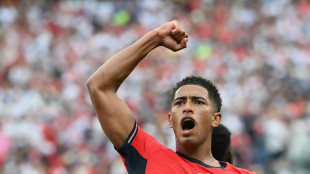 Bellingham says 'job done' but England must improve at World Cup
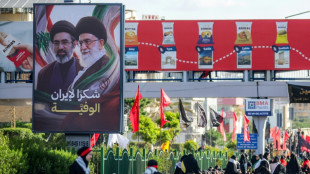 Trump threatens to annihilate Iran after new exchange of attacks
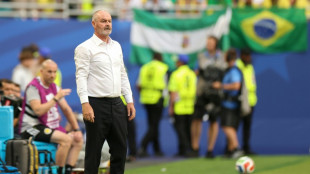
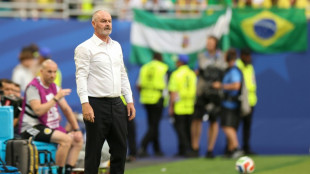 Scotland boss Clarke resigns after World Cup exit confirmed: official
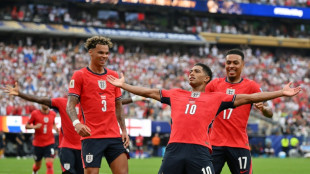
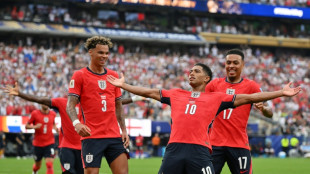 Kane, Bellingham on target as England clinch top spot

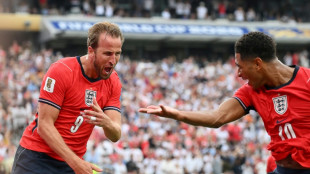 Bellingham, Kane score as England beat Panama to reach World Cup last 32
 Canada's Davies 'available' for historic knockout clash
 Hovland seizes one-shot PGA Travelers lead over Scheffler

 Mauvaka double inspires Toulouse to fourth-straight Top 14 in storm-impacted final
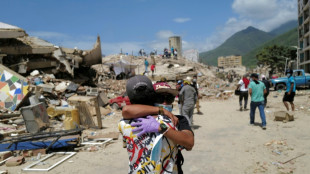 Solidarity, sadness among Venezuelans made destitute by quake
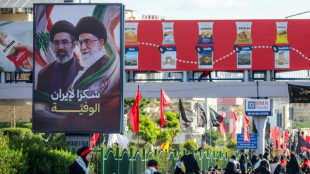 Iran says US violated peace deal as both sides attack
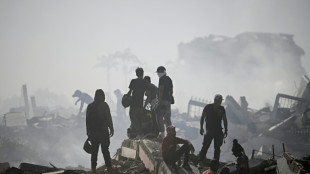 'We need help': Venezuelans furious at slow official response to quakes
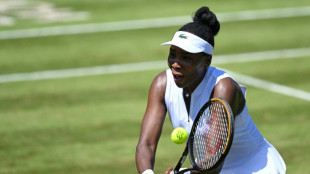 Venus Williams relishes 'very special' Wimbledon reunion with sister Serena

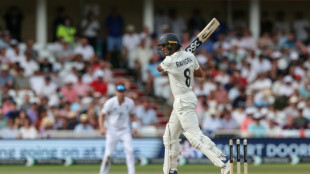 Ravindra leads New Zealand rally in England finale after Archer's double strike
 Wimbledon 'towel thief' Swiatek back on the trophy hunt
 Venezuela earthquake deaths near 1,000, with millions more in need
 French Open champs head to Wimbledon wrestling with new-found status
 Budapest Pride marchers push for equality after reversed ban
 Russell snatches pole, Antonelli fourth for Austria GP grid
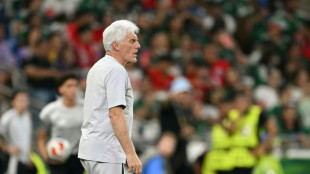 Broos smiles and snarls before South Africa's historic World Cup match
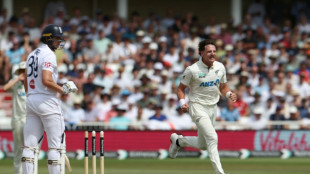
 Newborn baby rescued from rubble of Venezuela quake
A senior Chinese diplomat's scuffle with protesters in Britain as well as a recent victory at the United Nations have put the spotlight back on China's more assertive foreign policy under President Xi Jinping.
Bolstered by China's economic and military rise over the past decade, Xi -- who is expected to secure a norm-breaking third term after this week's Communist Party Congress -- has swerved decisively away from the "keep a low profile" foreign policy mantra espoused by his predecessors.
Over the last 10 years, as well as encouraging a brand of headline-grabbing "Wolf Warrior" diplomacy, Beijing has created alternative trade and security blocs to Western-led groupings, and courted support within organisations such as the UN through cheque-book diplomacy.
"When I went back to China in 2012, it was clear that Chinese diplomats had been given new marching orders by Xi Jinping," Guy Saint-Jacques, who was posted to Beijing in the mid-80s and mid-90s before serving as Canada's ambassador until 2016, told AFP.
"It became gradually more difficult to raise difficult issues with Chinese diplomats, especially on issues related to the treatment of minorities... freedom of expression and so on."
China's foreign policy is devised by elite groups within the Communist Party -- groups that "unlike his predecessors, Xi directly controls", said Jennifer Hsu from the Australian think tank Lowy Institute.
Xi has chastised moderates in the foreign ministry for lacking "a fighting spirit" and books on his ideology are now mandatory reading for diplomats.
On Thursday, at a press conference on Chinese diplomacy during the Congress, Vice Foreign Minister Ma Zhaoxu signalled Beijing would not be changing tack.
"Daring to fight and being good at fighting are the fine traditions and distinctive features of China's diplomacy," Ma told reporters.
- 'Territorial expansionism' -
Under Xi, China has taken a distinctly more muscular approach when it comes to territorial claims.
It has ramped up its military presence in contested areas of the South China Sea, while a longstanding border dispute with India erupted into violence that left at least 24 dead in June 2020.
"China's territorial expansionism has coincided with the ascension of Xi," James Char from Singapore's S. Rajaratnam School of International Studies told AFP.
All this has been cheered on by "Wolf Warrior" diplomats -- the name coined after a nationalist action film.
Using notably undiplomatic language, high-ranking representatives have attacked both leaders -- such as dismissing Canada's Justin Trudeau as a "boy" -- and individuals, like when the Chinese ambassador to France blasted a researcher as a "little thug" for commenting on parliamentarians visiting Taiwan.
On Sunday, footage of a Hong Kong pro-democracy protester being assaulted on the grounds of the Chinese consulate in the British city of Manchester sparked outrage, with the consul-general himself caught up in the fracas.
Zheng Xiyuan told Sky News that getting physically involved was "my duty", adding that any diplomat would have acted that way to "maintain our dignity".
But while such verbal and physical skirmishes are eye-catching, observers suggest their main aim may be to satisfy nationalists at home rather than effect change abroad.
In 2021, Xi even appeared to try and roll back the aggression, urging political leaders to cultivate a "reliable, admirable and respectable" international image.
State propaganda machinery has spent billions of dollars portraying the image of a "cute" China on platforms such as Twitter and Facebook -- both blocked to regular Chinese behind the "Great Firewall" -- according to an analysis by the US think tank Freedom House.
- Economic power -
Beijing has increasingly leveraged its economic and soft power to get its way on the global stage.
China-led initiatives such as the Asian Infrastructure Investment Bank and security grouping Shanghai Cooperation Organisation have been presented as alternatives to Western-led bodies such as the World Bank and NATO.
The UN Human Rights Council voted this month against holding a debate on its own high commissioner's report that found China's actions against the Muslim Uyghur minority in the Xinjiang region could constitute possible crimes against humanity.
Beijing had launched an all-out offensive to dismiss the report, with observers saying African countries faced particularly heavy lobbying.
China is the leading creditor in many of those nations after making massive infrastructure investments through the trillion-dollar Belt and Road Initiative, though analysts say China is slowly winding down the programme after billions of dollars in loans went sour.
Beijing has similarly poured money into Pacific Island, South Asian and Latin American nations -- the traditional spheres of influence of rival powers -- as well as into rival powers themselves.
German Chancellor Olaf Scholz is facing a backlash after being accused of planning to push through Chinese investment in a Hamburg port despite grave reservations from his own government.
T.Wright--AT