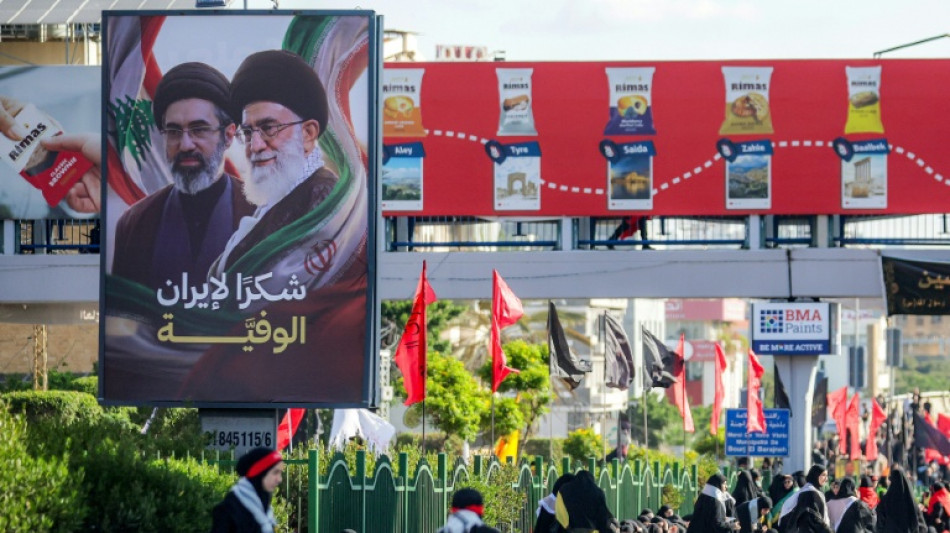
US strikes Iran sites after cargo ship attack / Photo: ibrahim AMRO - AFP

 Finland investigates suspected break-ins at MPs homes
 London's Bayeux Tapestry show to offer audio tour for blind people

 Smouldering bins, halted trams as French pupils protest

 Malone Life and Pensions Expands Internationally Beyond the European Union
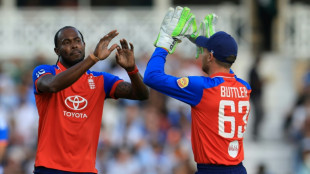 England paceman Archer rested for ODI tri-series
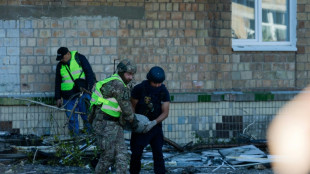
 Queiroz exits Ghana as Black Stars crisis deepens
 ALEX BODI VE ALMAN ŞİRKETLER GRUBUNDAN HALLE’DE 166 DAİREYE YATIRIM

 อเล็กซ์ โบดี และกลุ่มบริษัทจากเยอรมนีลงทุนในอพาร์ตเมนต์ 166 ยูนิตที่เมืองฮัลเลอ

 ALEX BODI A NĚMECKÝ KONCERN INVESTUJÍ DO 166 BYTŮ V HALLE
 ALEX BODI OCH TYSK KONCERN INVESTERAR I 166 LÄGENHETER I HALLE

 England forward Toney pleads not guilty to nightclub assault
 Tom Kim finishes marathon Asian Games second round under floodlights

 Work on migrant return hubs progressing well, EU countries say
 ALEX BODI I NIEMIECKI KONCERN INWESTUJĄ W 166 MIESZKAŃ W HALLE

 Tearful Nishikori calls time on career with defeat at Japan Open

 أليكس بودي ومجموعة ألمانية يستثمران في 166 شقة في هاله

 알렉스 보디와 독일 기업 그룹, 할레 주택 166세대에 투자
 Verstappen wary of tyre wear as he eyes first F1 win of season

 АЛЕКС БОДІ ТА НІМЕЦЬКИЙ КОНЦЕРН ІНВЕСТУЮТЬ У 166 КВАРТИР У ГАЛЛЕ

 Kremlin critic Kasparov says US intelligence warned life 'in danger'

 Qatar 'ready' if 2030 Asian Games moved back: official

 Indian pilot hailed as 'hero' after cockpit struggle
 Asian tech firms stand out on mixed day for stocks
 Flags and pho on show as jeweller opens huge Vietnam plant

 Indian football fans relish rare friendly against Brazil

US forces struck Iranian missile and drone storage sites and coastal radar positions Friday after Washington accused Tehran of attacking a cargo ship, jolting a fragile ceasefire as diplomats struggled to contain the Middle East war.
US Central Command said the strikes were a response to "unwarranted aggression against commercial shipping by Iranian forces" that "clearly violated the ceasefire."
It described the operation as "a powerful response to yesterday's attack on a commercial ship that was transiting the Strait of Hormuz."
Iranian state television, citing a reporter in Sirik, said an explosion was heard late Friday at Taherouyeh pier in the southern port city.
It quoted an informed military source as saying the blast was caused by a projectile impact in the area.
US President Donald Trump had earlier denounced what he described as an Iranian drone strike on the vessel, saying: "Obviously, this is a foolish violation of our ceasefire agreement."
The exchange raised fresh questions about efforts to keep the Strait of Hormuz open while Washington and Tehran negotiate a final settlement to a war that began with US-Israeli strikes on Iran on February 28.
Iran has warned vessels not to enter or leave the Gulf through the Strait of Hormuz without permission, but ships have continued to move, some using a route not authorized by Tehran.
Around half of the 42 vessels that made the passage on Thursday used a non-approved southern route along the coast of Oman, according to the Kpler tracking platform.
The UN maritime agency said an evacuation operation had freed 115 vessels and 2,500 seafarers trapped by the dispute before the attack forced its suspension.
Oil prices nevertheless fell sharply, reflecting hopes that traffic through the strategic strait -- which normally sees around a fifth of the world's oil and gas exports -- would keep recovering despite the latest flare-up.
- Lebanon framework -
Israel and Lebanon hailed an agreement signed with the United States to pave a way towards peace on their front in the war, although Iran-backed Hezbollah warned the deal would thwart plans to resolve the broader conflict.
At a signing ceremony in Washington, US Secretary of State Marco Rubio, flanked by Israeli and Lebanese envoys, said the trilateral accord "begins to put in place a framework for lasting peace and security."
"It's the beginning of the beginning. There's a lot of work ahead," he said.
Israeli Prime Minister Benjamin Netanyahu welcomed the framework as a victory against Iran, which argues that the Lebanon front is inseparable from the wider war and should be resolved as part of Tehran's talks with Washington.
"Iran has been trying to force us to withdraw from southern Lebanon through pressure but, in effect, Israel, Lebanon, and the United States are telling them: this is none of your business," Netanyahu said.
"You have no role in Lebanon -- not you, not Hezbollah and not any terrorist organization."
Netanyahu said the agreement would allow the Lebanese army to return to two "pilot areas" in southern Lebanon, but that Israeli forces would remain in their security zone until Hezbollah is disarmed. Displaced civilians will be prevented from returning.
Lebanese President Joseph Aoun welcomed the unpublished framework as a "first step" toward civilians returning home "under the sovereignty of the Lebanese state."
"There will be no more occupation, prisoners, subordination or tutelage," he said.
But Hezbollah MP Hassan Fadlallah said the Washington signing sought to undercut the US-Iran ceasefire, which he said envisioned Lebanon being settled through the wider peace process.
The Lebanese government, he warned, would be unable to impose the agreement "unless they go, with American support, to civil war."
- Nuclear safeguards -
The chief of the UN nuclear watchdog, meanwhile, warned that any final US-Iran settlement would need strong safeguards to ensure Tehran does not build a nuclear weapon.
Iran's nuclear program remains a central sticking point in the talks, with Tehran and Washington giving conflicting accounts of whether UN inspectors will regain access to Iranian facilities.
"The government of Iran has declared quite clearly that this is not their intention," International Atomic Energy Agency (IAEA) chief Rafael Grossi said of developing nuclear weapons.
"But of course intentions are not enough. We have to have a very strong verification system in place... as soon as is practicable," he added, warning that the agency had so far "barely initiated" talks with Iran.
The interim agreement says Iran's stockpile of enriched uranium -- estimated before the war at 440 kilograms, or 970 pounds, enriched to 60 percent -- should be "downblended" under IAEA supervision.
burs-ft/sst
K.Hill--AT