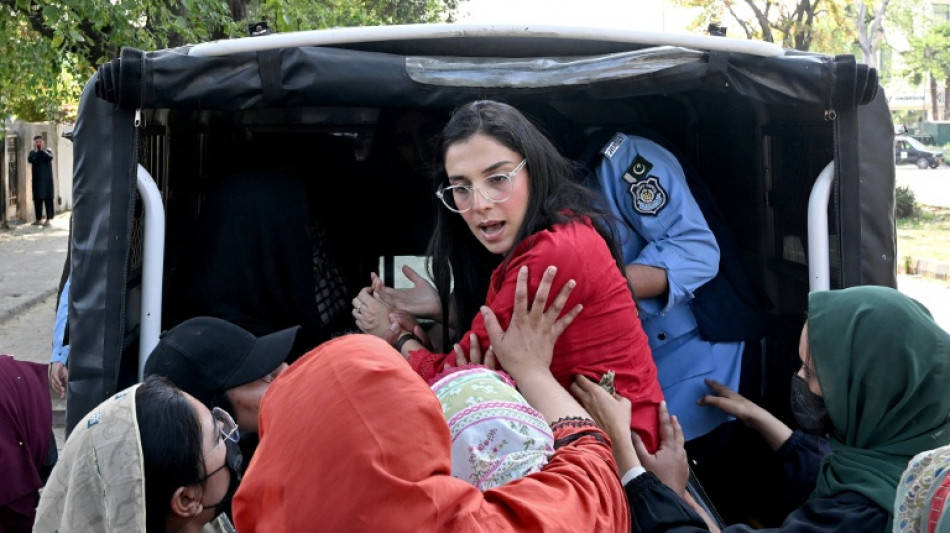
Rights groups fear use of arrest to stifle free speech in Pakistan / Photo: Aamir QURESHI - AFP

 Rubio seeks to strengthen US foothold in Central Asia
 LeBron joins 76ers to chase one more NBA title at age 41

 Rays one win from World Series return after downing Guardians

 Kings' Ben Simmons tears Achilles in training
 Lula, Bolsonaro set for first debate showdown in bitter election race

 Mbappe hits two as Real Madrid rout Sevilla
 Browns edge Ravens for division lead, Texans beat Jags

 Lyon go top of Ligue 1 as Monaco fall to first defeat of the season
 Venezuela opposition alliance reaffirms Nobel laureate Machado as leader
 'Street Fighter' wins N. America box office, buzzy doc stuns in 2nd

 NFL: Paris game to go ahead despite protests in France
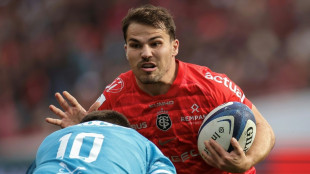
 Arteta hails Arsenal 'finishers' after Madueke fells Forest

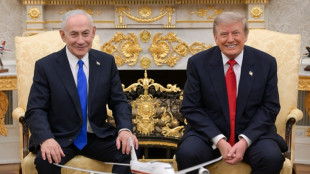 Trump backs ally Netanyahu ahead of Israel's tight election

 Madueke strikes late as below-par Arsenal sink Forest
 Second day of street clashes in Milan
 Dupont's Toulouse hold off Exeter as English Champions Cup woes continue

 Zelensky speaks to US envoys amid Trump spat

 Paris police in new battles with protesters and looters
 Multiple deaths, injuries at western Canada military base: minister

 Boland strikes twice for Australia in rain-hit South Africa Test

 Marseille put Angers to the sword in Ligue 1
 Albanian PM refuses to quit as violent protests enter sixth day

 Chwalinska fights back to win Wuhan Open in title breakthrough
 Kulusevski on brink of return for Spurs after 17-month absence

 Ukraine sets Saint Petersburg refinery ablaze in large-scale drone attack
Mavra Bari had intended to take part in a march for International Women's Day in the Pakistani capital Islamabad, but spent it in a cramped prison cell.
What was meant to be a celebration was instead a terrifying 12-hour ordeal in a suffocating space, with a broken toilet and the smell of damp concrete and sweat.
Over 30 others -- women, men and children -- were also held.
"We were in a horrible prison," said Bari, a 36-year-old sociologist and activist. "We were beaten."
An AFP journalist saw detainees when they were released. All looked shaken from the experience and some had signs of ill-treatment such as bruises and swelling.
Outside the police station, one man said tearfully: "My daughter came here just to observe the march... She did nothing wrong."
On the face of it, the Women's Day march, like those elsewhere in the world, should have posed little concern for the authorities in Islamabad or the powerful military.
Prime Minister Shehbaz Sharif himself posted on X on March 8 that women's empowerment was "central to our government's vision for Pakistan's development".
"Today, we celebrate their strength, resilience, leadership, and the invaluable contributions they make to our families, our communities, and our nation," he wrote.
Human rights monitors, however, have repeatedly voiced concern about the increasing use of arrest to stifle free speech and peaceful assembly in Pakistan.
Amnesty International has warned that there is a "shrinking space for dissent", with the authorities using arbitrary detention, force and restrictions on gatherings.
Those who find themselves detained are rarely told why.
- National security -
Human Rights Watch has also documented cases of intimidation, enforced disappearances and legal harassment of activists, lawyers and journalists.
Protest movements, women demanding equality or opposition groups have frequently found themselves blocked or banned while state-aligned groups are allowed to march freely.
"Anything and everything is a national security issue these days (for the state), anyone can be punished for it," said Usama Khilji, a digital rights activist.
Khilji pointed to the case of human rights lawyer Imaan Mazari, who has taken on some of Pakistan's most sensitive cases, including the enforced disappearances of ethnic Balochs, and defended the community's top activist.
Mazari and her husband Hadi Ali Chattha, a fellow lawyer, are both serving lengthy jail terms for "anti-state" social media posts.
Sohrab Barkat, a digital journalist and YouTube host, has been held without trial since late last year on suspicion of spreading "derogatory remarks" and misinformation about state institutions.
A Pakistani-origin doctoral student from Canada also disappeared for several days last month, reportedly for "anti-state" social media posts, Khilji said.
- 'Draconian' -
The Committee to Protect Journalists, a media rights group, said Pakistan remains among countries where journalists face significant risks.
At least seven journalists were killed in 2024, the CPJ said, while others faced harassment and alleged enforced disappearances.
New laws regulating both mainstream and social media have been widely criticised as restrictive and excessive, limiting freedom of expression and independent reporting.
As a result, voices critical of the state have been muted or silenced completely in newspapers, online or in broadcast.
Sehrish Qureshi was one of three journalists held at the Women's Day rally.
"I only went to the police station that day to know why other journalists were held for doing their job," she told AFP.
"I was allowed inside the police station but after I was detained without any reason."
Press freedom groups such as Reporters Without Borders have similarly pointed to increasing state control over information and pressure on independent media outlets.
Harris Khalique, secretary general of Human Rights Commission of Pakistan, called those restrictions "draconian".
A few days after her release, Bari was in a restaurant and told her friends: "It was scary at first. We didn't know why we were arrested or what they would do to us."
Police told them afterwards that they were violating a law banning gatherings of more than four people.
Days later, thousands of Shia Muslims rallied in Islamabad for Al-Quds Day.
Despite the risks, many activists are undeterred.
"This is not going to stop me," said Punjrash, who was also detained and beaten during the rally.
M.King--AT