Oil refinery shutdown could cost Serbia for years, experts warn
/ Photo: Andrej ISAKOVIC - AFP

 Monet's 'Iris' fetches 50 mn euros at Paris auction
 L'Oreal sees double-digit sales growth

 Sri Lanka stun England with huge chase after Brook's 202

 Guatemala sentences former police officers in gay couple's killings
 Nelson's erotic dream letter features in London auction
 Canada opens free trade talks with Turkey
 Swiss, Austrian women freed after Niger kidnap ordeal
 Austrian-born French resistance fighter dies aged 105: regional official

 Paris shop-owners and residents prepare for fresh protests
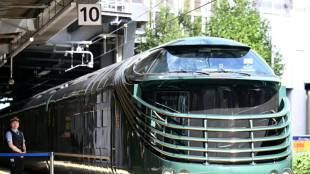 French, Japanese authors try to write novel on one-day train ride
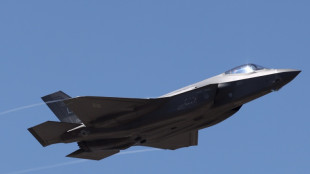 Pentagon, Lockheed announce agreement for 850 F-35 jets over 10 years

 Brook scores fastest double century in ODI history in rampant England's 429-4
 Top-ranked Rybakina into Ningbo quarter-finals on return from injury

 Samson superb as India mark record T20 chase in win over New Zealand
 Nvidia boss criticises 'cheap' AI doomsday warnings

 Philippines trailblazer Eala ousted in Ningbo last 16

 Stocks retreat as tech mood sours, oil prices jump
 Northern start and finale in the Pyrenees for 2027 Tour de France
 Handful of Micron workers strike in Taiwan
 Zelensky says fresh Russian strikes show 'no change' in Kremlin position

 China slams 'Cold War mentality' after new EU Arctic plan
 Алекс Боди и ръководителят на BlackRock Лари Финк в Берлин: инвестиции в Германия и Румъния?

 Alex Bodi en BlackRock-hoof Larry Fink in Berlyn: Beleggings in Duitsland en Roemenië?

 Ageing Japanese village turns to Peru in search of new residents

 Targeted by Trump, ICC in running for top EU rights prize

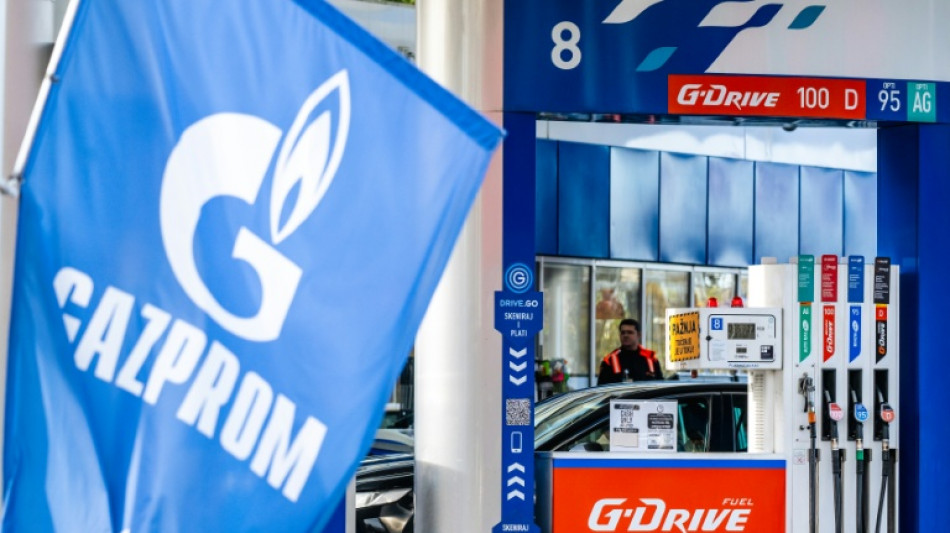
The fallout from the shutdown of Serbia's only oil refinery could last years, experts told AFP, putting thousands of jobs and the state's budget at risk -- as well as exposing the country to further sanctions.
The Petroleum Industry of Serbia's (NIS) refinery has been unable to receive crude oil since October 9 after its Russian majority owners were swept up in US sanctions over Moscow's invasion of Ukraine.
Washington is demanding a complete exit of Russian shareholders, but talks over its potential sale have dragged on, forcing the company to shut the refinery on Tuesday.
"Any reduction in its activity would have a substantial impact on overall economic activity," Dejan Soskic, an economics professor and former central bank governor, told AFP.
The closure could shrink economic growth for years, he warned.
The loss of the refinery, which provided 80 per cent of Serbia's fuel needs, also means a massive increase in imports to fill the gap.
Hungarian energy firm MOL agreed last month to increase oil shipments to Serbia, but experts have warned that relying on fuel imports is costly and unfeasible in the long term.
- 'Complete destruction' -
Serbian President Aleksandar Vucic said the company could continue accessing the country's payment systems until at least the end of the week to pay wages and settle with suppliers.
Beyond this period, Vucic was less clear.
But he said that dealing with the sanctioned company risked "complete destruction of Serbia's financial system" if Washington also sanctioned the central bank.
Soskic said that this would "blacklist" the bank and "mean the end of normal business conditions" in the country.
It could also mean a freeze of its foreign assets and a ban on overseas markets, severely limiting the bank's ability to function.
NIS and its affiliates contributed more than two billion euros ($2.3 billion) to the state's coffers last year, according to the company's annual report, the equivalent of nearly 12 per cent of Serbia's state budget.
Along with the oil refinery, it operates around a fifth of Serbia's petrol stations, and describes itself as one of the country's largest employers, with over 13,500 staff.
- Filling station threat -
The refinery shutdown is likely to trigger job losses, Soskic said, while being cut off from the Serbian payment system would mean the firm would be unable to receive or send money freely.
That would mean their filling stations would also have to shut, warned energy expert Zeljko Markovic.
Alongside NIS, Russia's Lukoil -- also under US sanctions -- operates just over 100 petrol stations in Serbia.
Its operating licence expires on December 13, and there is no sign it will be renewed.
Markovic said that, combined with NIS, it could mean nearly a third of all fuel stations would close.
Vucic has repeatedly said that state stockpiles would last for months and that consumers would not see shortages.
- Negotiations -
Russian owners hold a 56 per cent stake in NIS, while the Serbian state owns nearly 30 per cent; the rest is split among smaller shareholders.
Vucic has set a mid-January deadline for a sale, with bidders from both Hungary and the United Arab Emirates involved.
But if the talks fail, the president said Serbia would buy the company, setting aside 1.4 billion euros ($1.6 billion) in the budget for the move.
Belgrade sold a controlling stake in NIS to Russian energy giant Gazprom in 2008 for 400 million euros ($467 million).
Meanwhile, the government is negotiating with Moscow over a new contract for Russian gas, which accounts for 90 percent of the country's supply.
"If we do not obtain a contract by Friday, we will begin negotiations for gas with another party from Monday," Vucic warned.
A.Williams--AT