European pharma industry still worried about tariffs / Photo: Fred TANNEAU - AFP/File

 Falcons hand 49ers first defeat of NFL season, Vikings remain unbeaten

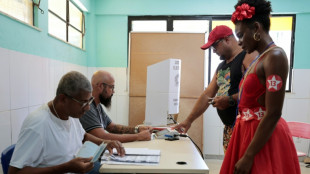 Lula, Bolsonaro in virtual tie halfway through Brazil vote count

 Antonelli looks to seal title 'in style' after US Grand Prix win

 Real Madrid century 'just a detail' for Mbappe after Clasico win

 Mbappe double helps Real Madrid stun Barca in La Liga Clasico

 Antonelli wins US Grand but title triumph has to wait another week

 Manchester United slump deepens as Liverpool climb with Brighton win
 Reus sends Bordeaux second in Top 14 with victory at La Rochelle

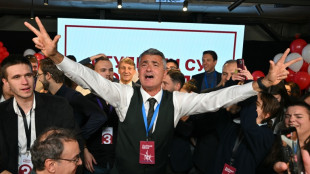 Serbia's student movement ousts longtime leader in parliament poll

 Kuwait minister urges focus on investment quality and development impact

 Descendants of British slave-owning families support reparations campaign

 Aleksandar Vucic: Serbia's veteran ruler felled by student-led movement

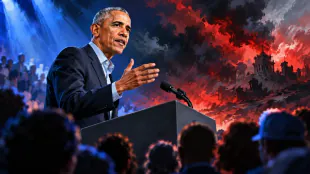 Obama attacks Trump record while campaigning in Ohio and Michigan

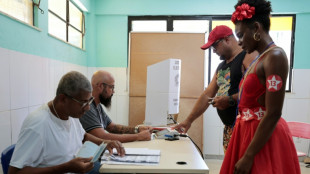 Brazil voting extended in tight race between Lula, Bolsonaro

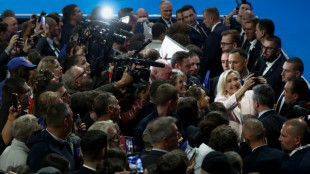 'Marine has to win': Le Pen supporters fear for France's future

 QNB expands cross-border funding for AI and digital infrastructure

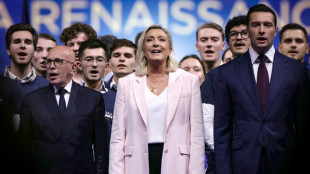 France's Le Pen launches presidential bid vowing to restore 'rule of law'
 Qatar Charity delivers Braille Qurans to blind readers in Kosovo and Albania

 Houthis say attacked Riyadh airport hours after flights resume

 Monaco hold Lille as Rennes go top of Ligue 1
 Thousands gather in Prague to protest licence fee plans

 Pease spins to floor gold as US tops gymnastics medal table

 Marchant back in England training squad ahead of Nations Championship fixtures

 French skater Siao Him Fa soars to victory in season-opener at home

 Embattled Albanian PM vows fines for violent protesters

The European pharmaceutical industry said Tuesday that it remained concerned a EU-US trade deal reached at the weekend does not provide certainty for critical sector.
The agreement sets a 15 percent tariff on most EU goods imported into the United States, but Washington could still take steps that would see medicines face a higher levy.
The EFPIA trade association for the European pharmaceutical industry said it was monitoring announcements on the details of the deal "as key implications for the pharmaceutical sector remain uncertain".
An EU fact sheet on the trade deal said the 15 percent rate ceiling would also apply to any potential future tariffs on pharmaceuticals, including Section 232 tariffs meant to protect US national security.
Most EU pharmaceuticals currently enter the United States without a tariff, and the EU said this would remain the case until the US decides on whether to impose additional tariffs based on Section 232.
Earlier this month Trump threatened tariffs of up to 200 percent on pharmaceuticals in as soon as one year if foreign firms did not begin to manufacture more in the United States.
In the spring, in the face of these risks, large European pharmaceutical groups including Roche, Novartis and Sanofi announced more than $200 billion of additional investments in the United States, the world's largest drug market.
But US pharmaceutical firms have also set up shop in Ireland, attracted by its low corporate tax rate.
The sector employs about 50,000 people and accounted for nearly half of Irish exports last year, reaching 100 billion euros ($116 billion).
The EFPIA criticised tariffs as a policy instrument.
"Tariffs on medicines are a blunt instrument that will disrupt supply chains, impact on investment in research and development, and ultimately harm patient access to medicines on both sides of the Atlantic," it said.
Th.Gonzalez--AT