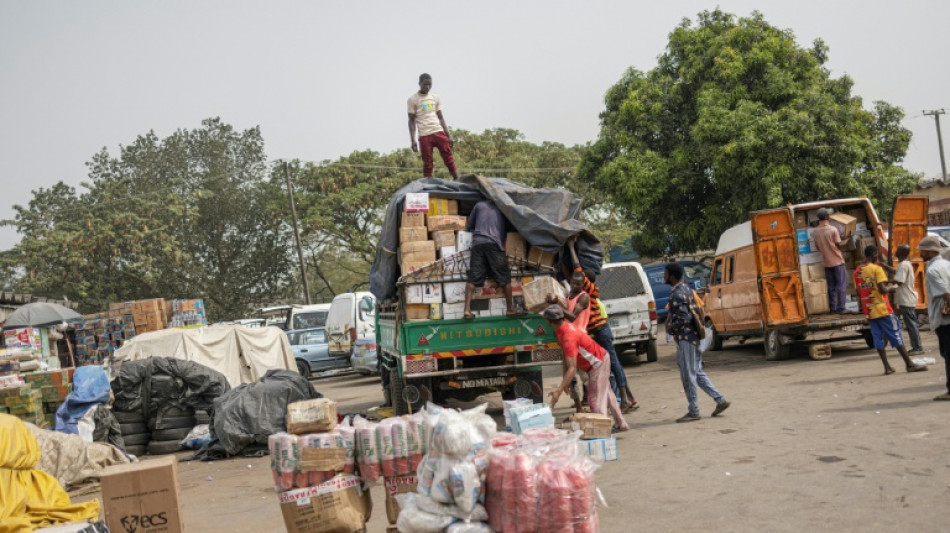
African Development Bank chief warns of tariff 'shock wave' / Photo: Michele Spatari - AFP/File

 Injured Australian swim star O'Callaghan pulls out of PanPacs

 California lifeguards wiped out from extreme weather
 FIFA scraps private investment plan after backlash: Infantino
 South Africa's WAFCON hopes hang in the balance after dramatic draw

 Hunter Bell cruises to Commonwealth gold, Pathirage stuns javelin stars

 Amazon surges as US stocks shrug off bond yield worries

 Google rolls back new satellite image AI tool after backlash

 Ryu leads in bid for third straight major at women's British Open

 Fire-hit France region 'coming up for air' as main blaze calms
 Wembanyama to get signature shoe in Nike contract extension: reports
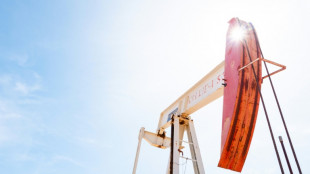
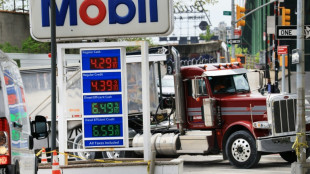 Oil giants report blowout profits on war, warn high gas prices could persist
 Google launches new satellite image AI tool, alarming researchers

 Eddie Howe resigns as Newcastle boss to 'recharge'
 High winds hamper firefighting efforts in western Turkey

 Howe resigns as Newcastle boss

 Full-scale tour will benefit All Blacks, says coach Rennie

 US Fed dissenters call for rate hikes over sustained inflation
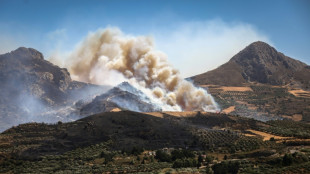
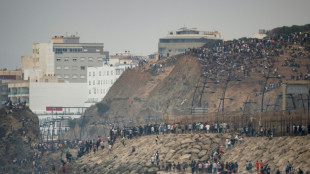 Trump and far-right seize on Spanish migration crisis

 Hamas agrees to disarm under Trump plan
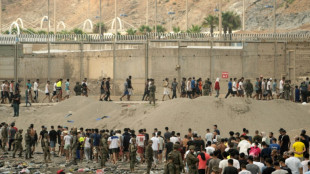
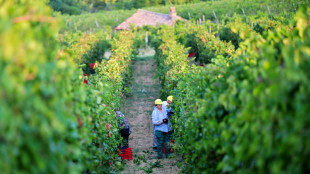 French, Italian winegrowers face earliest ever harvest

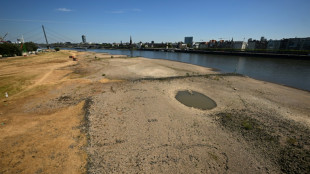 Alarm over climate-linked low level of German waterways

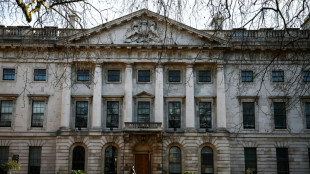 UK court rejects challenge against new Chinese embassy in London

 New York sues online prediction markets giant Kalshi

 Commerzbank agrees to talks with UniCredit after two-year standoff
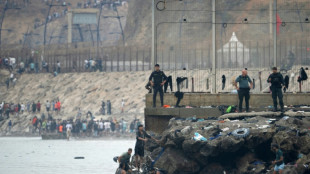
 A rumour, a rush: chaos at Morocco border with Spain's Ceuta
An onslaught of tariffs by the United States will send "shock waves" through African economies, the president of the African Development Bank said on Friday, warning of reduced trade and higher debt-servicing costs.
The comments come as US President Donald Trump has upended global markets by pushing -- and then retracting -- a slew of tariffs in recent days.
A baseline 10-percent levy remains in place for all countries, along with higher tariffs on Chinese imports to the United States -- scrambling decades of global trade policy.
Those new levies -- with 47 African countries at risk of even higher tariffs -- will cause local currencies to weaken on the back of reduced foreign exchange earnings, AfDB President Akinwumi Adesina said in the Nigerian capital Abuja.
"Inflation will increase as costs of imported goods rise and currencies devalue against the US dollar," Adesina said in a speech at the National Open University of Nigeria, according to prepared remarks which also touched on migration and decreased foreign aid.
"The cost of servicing debt as a share of government revenue will rise, as expected revenues decline."
As some observers watch for countries around the world to turn to other trade partners -- including China -- Adesina warned that Europe and Asia "will buy less goods from Africa" amid the global shocks.
The Trump administration's current trade posturing also makes it nearly certain that the US African Growth and Opportunity Act, a major duty-free agreement for 35 African countries that expires this year, will not be renewed, Adesina said.
"Chances of renewal and extension are now extremely low," he said, predicting serious blows for Lesotho and Madagascar, which are major clothing, diamond and vanilla exporters.
- Old models 'no longer work' -
Adesina is set to step down as head of the bank -- a major lender to economic development projects on the continent -- at the end of his second term later this year.
But much of his speech focused on the future of the continent, from critical mineral deals to reduced foreign aid to emigration.
He said the global financial system has failed to deliver for Africa "especially on matters of debt, climate change and access to greater financing", while "restrictive immigration policies" in rich countries pose challenges for labour mobility.
The dismantling of USAID, America's main foreign development arm, along with cuts by European countries, "means that the old development models that Africa has always relied on will no longer work."
At the same time, however, Adesina argued that "aid is not the way to develop", and that "Africa cannot blame others for not taking in its rising migrant population".
"It must create the right environment for its own youth to thrive, right here on the continent," he said.
Whether and how that happens though, is contingent on both African and foreign powers -- including the United States as it pursues a deal on critical minerals with the Democratic Republic of Congo.
Though Adesina didn't reference the deal directly, he warned that "Africa must also carefully negotiate its engagement in the global geopolitical rush for critical minerals and rare earth elements".
Much of Africa's vast mineral wealth is mined locally but processed abroad, leaving many countries at the bottom of the supply chain.
The continent "must move away from exporting raw minerals and move into processing and value addition to benefit from the high returns at the top of global value chains", Adesina said.
E.Hall--AT