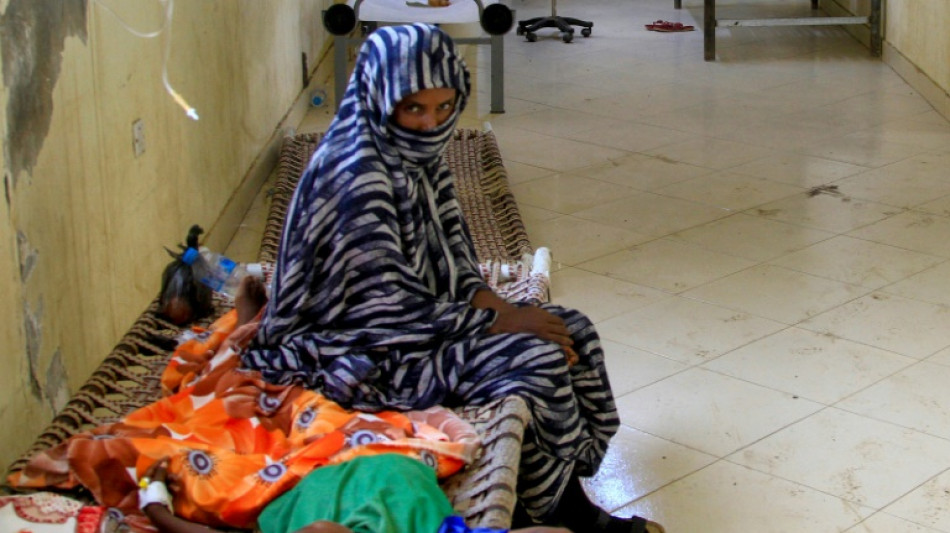
War-ravaged Sudan battles cholera epidemic / Photo: - - AFP

 Dangote to launch $16bn refinery in Kenya
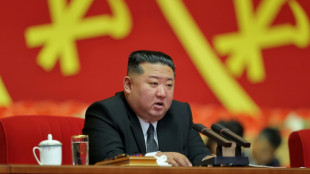 North Korean leader 'extremely obese': Seoul spy agency

 Yankees and pope-backed White Sox start MLB playoffs with wins
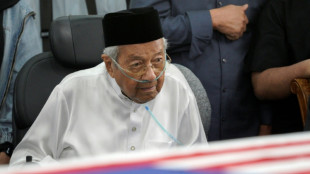 Malaysia's ex-PM Mahathir in hospital for observation
 'No limits': Marathon world record holder Sawe chasing history

 Countdown begins to biggest-ever Rugby World Cup
 Bangladesh women lose ground after quota reform
 Vietnam admits 'differing opinions' on Hanoi development
 Stocks temper gains as oil pares heavy losses, US data in focus
 New Zealand denies breaching climate commitments to EU

 Albert becomes youngest US scorer in 4-2 win over Chile
 Pirate island's plunging population shows Greece's demographic decline
 With elections ahead, Latvia's Russian-speakers reject Moscow's help
 Brazil football clubs face massive sponsorship blow from betting ban
 ChatGPT maker wants to be the App Store for AI as safety concerns grow
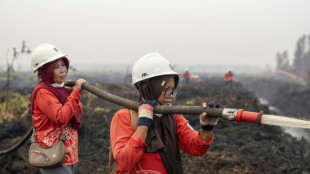 Women fight fires and sexism in Indonesian Borneo

 Forsling's OT blast lifts Florida over Carolina in NHL opener

 Alpha Growth Management Opens Rep Office in Japan

 NBA close to picking new $12-13bn Vegas team owners: report
 LA28 Olympics torch relay to visit all 50 states
 Spain brush aside Croatia in Nations League, England down Czechs

 Trump hails 'morally binding' AI self-regulation pledge

 Yamal inspires Spain to Croatia romp on World Cup homecoming

 UN to hold fourth informal poll of secretary-general candidates
 Who are the Emiratis behind crisis-hit Manchester City?

Lying on a hospital bed, Aisha Mohammed said she is "suffering" from cholera symptoms, an increasingly common ailment in Sudan where a prolonged war has ravaged the healthcare system.
Cholera, caused by contaminated water or food, had been common in Sudan particularly during the rainy season even before war broke out in April 2023 between rival generals.
But more than 16 months of fighting have forced most hospitals out of service, leaving the country of 48 million people struggling to control the sometimes deadly but treatable disease.
In the southeastern Sudanese town of Wad al-Hulaywah, 40-year-old Mohammed receives intravenous medicine to ease her crippling symptoms.
"I'm suffering from acute diarrhoea," she whispered.
Sudanese authorities and the United Nations have reported a surge in cholera cases amid several weeks of torrential rains that have battered parts of Sudan and displaced thousands.
Rains and floods have contributed to a resurgence of the largely waterborne disease, which can cause severe dehydration and lead to death within hours if not treated.
The health ministry on Monday declared an epidemic, later reporting 556 cholera cases including 27 deaths, most in Kassala state where Wad al-Hulaywah is located.
Nearby Gedaref state has also been hit particularly hard, the ministry said.
The World Health Organization said Sudan has had at least 11,327 cholera cases, 316 of them deadly, since June 2023.
Sudan's Health Minister Haitham Ibrahim said "climatic conditions and water contamination" were behind the epidemic.
In Wad al-Hulaywah alone, "we've counted 150 cases so far, among them seven dead" since late July, local health official Adam Ali told AFP.
- 'Polluted water' -
Before the start of the war between Sudan's army and paramilitary forces, the UN had said that about 40 percent of Sudanese did not have access to clean water. Conditions have since worsened.
"Our problem is drinking water," said Ali.
Most residents of Wad al-Hulaywah "drink water directly from the river -- polluted water", he said.
During the rainy season, large amounts of silt are washed into the Setit river, which begins in neighbouring Ethiopia, increasing pollution levels, the health official added.
Near the local hospital, workers spray insecticide to fight the proliferation of flies, which Ali said was a symptom of poor sanitation.
Dam construction in 2015 on the Setit river had displaced "entire villages", he said, and their inhabitants "dug makeshift latrines, which attract flies because they are not maintained".
Access to clean water has been hampered across the country, in areas under either the army or the paramilitary Rapid Support Forces, both vying for control of Sudan.
- 'I will have no one' -
The paramilitaries have laid siege to entire areas, preventing the entry of fuel needed to pump clean water, while bureaucratic hurdles and fighting have blocked aid operations, putting key water stations out of service.
The war has killed tens of thousands of people, displaced more than 10 million and shuttered more than 70 percent of Sudan's healthcare facilities, according to the UN.
The rival forces have both been accused of war crimes, including targeting civilians and looting or obstructing humanitarian aid.
With Sudan facing what the UN has called "one of the worst humanitarian crises in recent memory" and aid groups unable to help, many feel they have to fend for themselves.
Sitting outside a hospital in Kassala, 49-year-old Hassan al-Junaid said he has been displaced by the war, and now "we are living in very bad conditions, which caused my sister to get cholera."
"I am the only one with her, but I can't go with her inside because she has been placed in quarantine," he said.
"So I'm staying here, worried for her and afraid that I might be infected myself," added Junaid.
"If that happens, I will have no one to buy me the medicine I would need."
A.O.Scott--AT