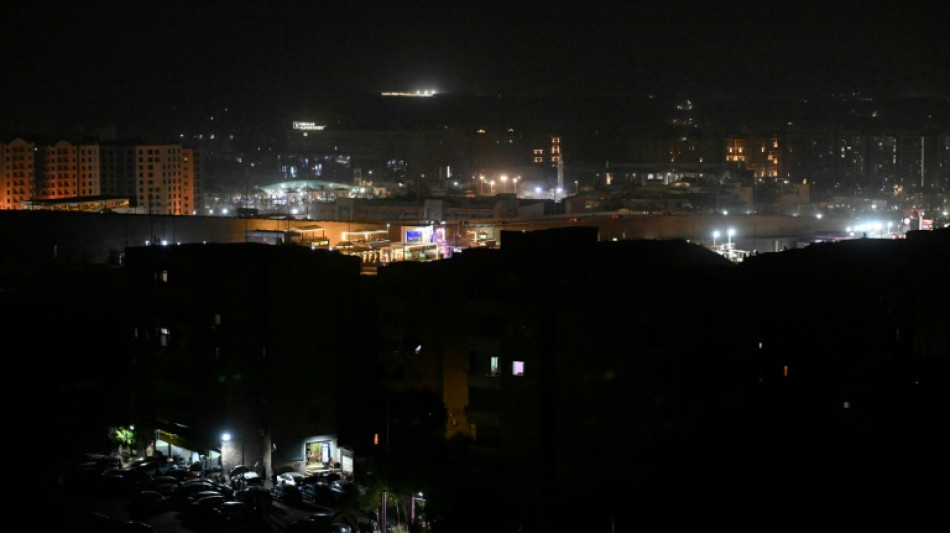
Short fuses in Egypt as blackouts stretch into sweltering summer / Photo: Khaled DESOUKI - AFP

 Dangote to launch $16bn refinery in Kenya
 North Korean leader 'extremely obese': Seoul spy agency
 Yankees and pope-backed White Sox start MLB playoffs with wins
 Malaysia's ex-PM Mahathir in hospital for observation
 'No limits': Marathon world record holder Sawe chasing history
 Countdown begins to biggest-ever Rugby World Cup
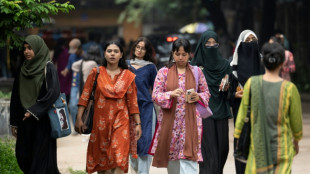 Bangladesh women lose ground after quota reform
 Vietnam admits 'differing opinions' on Hanoi development
 Stocks temper gains as oil pares heavy losses, US data in focus
 New Zealand denies breaching climate commitments to EU

 Albert becomes youngest US scorer in 4-2 win over Chile
 Pirate island's plunging population shows Greece's demographic decline
 With elections ahead, Latvia's Russian-speakers reject Moscow's help
 Brazil football clubs face massive sponsorship blow from betting ban
 ChatGPT maker wants to be the App Store for AI as safety concerns grow
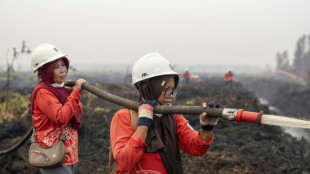 Women fight fires and sexism in Indonesian Borneo

 Forsling's OT blast lifts Florida over Carolina in NHL opener

 Alpha Growth Management Opens Rep Office in Japan

 NBA close to picking new $12-13bn Vegas team owners: report
 LA28 Olympics torch relay to visit all 50 states
 Spain brush aside Croatia in Nations League, England down Czechs
 Trump hails 'morally binding' AI self-regulation pledge
 Yamal inspires Spain to Croatia romp on World Cup homecoming

 UN to hold fourth informal poll of secretary-general candidates
 Who are the Emiratis behind crisis-hit Manchester City?
At least once a day, the hum of every fan, air conditioner and fridge across Egypt goes quiet. The lights go out and an expletive is muttered or hurled into the quickly-heating air.
Lifts stop, errands are cancelled and meetings delayed for as long as the power stays out -- hopefully an hour or two, but recently even longer.
It is now a year since energy and foreign currency crises led Egypt's government to institute planned blackouts known as "load shedding".
But the measures have not been felt equally across the country.
In the southern city of Aswan, where temperatures neared 50 degrees Celsius (122 degrees Fahrenheit) in the shade earlier this month, "the lights are out for up to four hours a day, and with them the water", Tarek, a resident of western Aswan, told AFP.
"Especially in the villages, there's no schedule of any kind. Food is spoiling in the fridge, people are getting heatstroke, and no one seems to care," he said, requesting a pseudonym for fear of reprisal.
In June, the Aswan parliamentarian Riham Abdelnaby said dozens had died of heat-related illness.
She called for the southern governorate to be exempted from the blackouts, which she said "threaten citizens' lives".
- High tempers and temperatures -
Amid three heatwaves in June, the blackouts grew longer and more frequent -- and with them nationwide frustration, including from talk show hosts who have been fervent supporters of the government.
"Electricity is not a luxury, this is the most basic right," prominent journalist Lamis al-Hadidy wrote on Monday on social media site X.
"The power going out takes out the water and telephones and the internet, and destroys electrical appliances, who is going to compensate the people for all of this?"
A decade ago, Egypt faced similar power cuts, which helped fuel popular discontent and protests against the short-lived presidency of the late Islamist leader Mohamed Morsi.
The present-day blackouts come as Egyptians face the worst economic crisis of their lives, with inflation and currency devaluations shredding savings and leaving families struggling to make ends meet.
Since 2022, the Egyptian pound has lost two-thirds of its value, and last year inflation reached a record 40 percent.
Amr Adib, host of the popular Al-Hekaya talk show, addressed officials directly on Sunday, saying they had "failed to set a proper schedule and failed to stick to the hours you promised. And all this, while we know electricity price hikes are coming".
Electricity prices last rose in January, and the government has signalled it is looking to raise them again this year.
This week, as temperatures in Cairo hovered around 40C, swathes of the capital have experienced additional midnight blackouts for up to two hours -- in addition to the existing midday outages.
On Tuesday, as public ire peaked, Egypt's prime minister Mostafa Madbouly held a press conference in which he "expressed the government's apologies to citizens" and said Egyptians should expect three-hour outages to continue this week.
The increased blackouts, he said, were due to a "gas field in a neighbouring country" which supplies natural gas to Egypt going "out of service for over 12 hours". He did not name the country.
The premier also said Egypt would spend $1.2 billion in July, 2.6 percent of the crisis-hit country's precious foreign currency reserves, to shore up its fuel supply.
"We will be able to end power outages entirely for the summer by the third week of July," Madbouly said, signalling that the outages would resume in the fall.
The government is still committed to its plan to end load shedding entirely by the end of the year, he said.
- Death toll -
In his apology, Madbouly said his government was "fully aware" of "how difficult the outages are on citizens", including "the elderly, those with health issues, or other humanitarian concerns."
But the measures have already claimed lives across the country.
Though there has been no official death toll from heat-related illness in Aswan, parliamentarian Abdelnaby told local media there were "around 40 heat-related deaths" within four days in June.
On the other side of the country, in the Mediterranean port city of Alexandria, a musician named Mohammed Ali Nasr died earlier in June after falling down the shaft of a lift he was trapped in during an outage, his brother told local channel Al-Nahar.
Across Egypt, people have taken to planning their lives around the official schedules to avoid getting stuck in lifts. But similar deaths have claimed at least four lives since last year, according to a tally of local media reports.
W.Moreno--AT