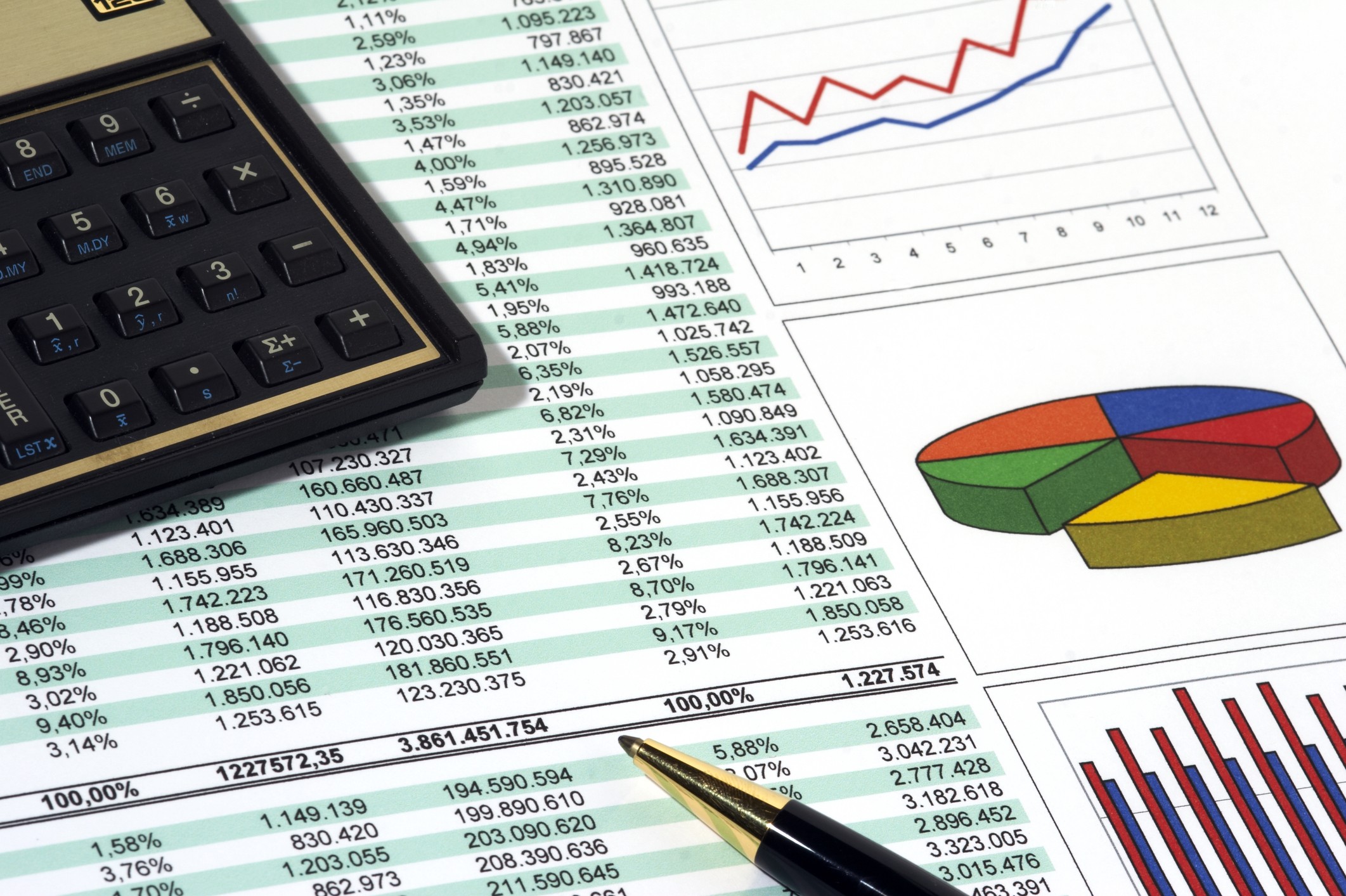
How to Budget After Debt Consolidation

 Liverpool still have 'lots to improve', says match-winner Isak

 Looters ransack shops during France cost-of-living protests

 Leinster thump Clermont as grieving Lions set for Champions Cup debut

 Haaland stars in Man City win, Liverpool beat Brentford

 Dortmund go top despite Union Berlin stalemate
 Venezia upset Napoli for first Serie A win of season
 Glasgow and Bulls win as grieving Lions set for Champions Cup debut

 Smiling pope returns to Vatican after cancer surgery

 In-form Atletico scrape late win at Espanyol

 Rabada returns as S.Africa seek to bounce back against Australia

 Zverev, Medvedev ousted with Spaniards to clash for Shanghai title

 French protesters clash with police during nationwide demonstrations

 Zelensky says Trump could lift more Russia sanctions

 Jayawardene quits as coach of five-time IPL winners Mumbai

 World number 170 Kartal battles past Ostapenko to reach Wuhan final

 Pope to return to Vatican after cancer surgery

 Haze triggers highest-level alert in parts of Southeast Asia

 I'd have left Real Madrid if I were Vinicius, says Mourinho

 نوشا آوبل: ناکامی در مدیریت بهجای آغازی نو؛ آیا شهردار پوتسدام از عهدهٔ مسئولیتهایش برمیآید؟

 Noosha Aubel: eșec la conducere în locul unui nou început – este primărița Potsdamului la înălțimea funcției sale?

 Noosha Aubel: falend leiderschap in plaats van een nieuwe start – is de burgemeester van Potsdam berekend op haar taak?

 Noosha Aubel: Misslyckat ledarskap i stället för en nystart – är Potsdams överborgmästare vuxen uppgiften?

 Wallabies coach Kiss calls latest All Blacks humbling 'unacceptable'

 Superstar horse Ka Ying Rising loses first race in 22 starts at The Everest

 Rampant All Blacks crush Wallabies 43-21 to extend dominance

NEW YORK, NY / ACCESS Newswire / March 26, 2026 / There are many reasons why you might choose debt consolidation. Perhaps you had to spend a considerable amount of money on an urgent car repair, an emergency veterinarian bill, a leaking roof or daily expenses that added up over time. After a while, owing money on multiple debts with different due dates and payment amounts could start to feel overwhelming.
Debt consolidation is a valuable tool for managing multiple debts. It's important to first understand the pros and cons of debt consolidation before choosing it.Consolidating your debt with a personal loan will allow you to roll multiple debts into one fixed monthly payment. Ideally, the new loan will come with a lower interest rate than what you're currently paying on your existing debts. Even if the rate is lower, keep in mind that if your debt consolidation loan has a long repayment term, you could end up paying more interest in the long run. For some, the convenience of smaller monthly payments may be worth the higher long-term cost.
Once you've arranged a debt consolidation loan, there are steps to take to ensure you prioritize your budget, stay on track with your financial goals and avoid being overwhelmed by debt again.
Track your spending
The first step is to make sure you understand how much money you have coming in and going out. While this may seem like a simple idea, it's easier than you might think to lose track of how many times you use your credit card in one day, which could lead to accumulating debt.
Start by reviewing your credit card and bank account statements for the past few months. Make note of which expenses are essential (electric and phone bills), and which are non-essential (dining out and going to a movie theater). This exercise could help you start to see where you might be able to cut back so you can put more money toward paying your debts and accumulating more savings.
Find a budgeting method that works for you
While consolidating debt could feel like a weight has been lifted from your shoulders, it doesn't mean you're in the clear. Now is the time to be laser-focused on creating a budget that works for your unique situation and helps you pay back the debt while avoiding taking on new debt you can't repay.
Some common budgeting methods include:
The 50-30-20 method: Divide your income into three spending categories: 50% for needs (essential expenses), 30% for wants (non-essential expenses) and 20% for savings.
Zero-based budget: Give each dollar of your income a specific role until you get to zero. Your money could be assigned to pay a bill, added to your savings, used to pay down debt or invested in another way.
Envelope method: Create envelopes with cash for your most common expenses outside of rent, mortgage or debt payments - these larger monthly expenses should be debited directly from your bank account. Label the envelopes with the name of each category (groceries, commuting, entertainment, etc.) and assign a dollar amount to each. The amount you have in each envelope is all you have to spend for that purpose until the end of the month or your next pay period.
Feel free to adapt your chosen budgeting method to your individual situation. Once you implement your budget plan, review it regularly. If you find an opportunity to spend less somewhere, put that money toward your debt repayment or savings.
Prioritize debt repayment and saving
As you think about your new budget, make sure to account for debt repayments and savings goals. With a personal loan, your consolidated debt will be repaid in fixed installments with interest, which should make it easier to plan for and include in your budget.
Set up automatic loan payments from your bank account to each of your creditors. Doing this will help you avoid missing payments and owing late fees. You could also set up automatic deposits from each paycheck directly into your savings account. If you want to reduce the temptation to dip into your savings a bit, consider purchasing a certificate of deposit, or CD. A CD is a type of savings account where you agree to leave your money in the account for a specified amount of time (up to 5 years) in exchange for a higher interest rate. You can still take the money out early if you really need it, but you'll owe a penalty if you do.
You could also consider opening a secondary savings account to use as an emergency fund. An emergency fund could be used to cover future unexpected expenses, such as veterinarian bills or car repairs. A high-yield savings account is a good way to earn more interest on your savings while keeping your money accessible - just be aware that some have minimum required deposits.
Make small, impactful changes
Embrace small wins. Tracking your spending, finding a budget you can stick with and prioritizing repaying your debts and contributing to savings are all choices to be celebrated.
Breaking old money habits might be difficult, but it's not impossible. Take your time and work toward making progress every day.
Notice: Information provided in this article is for informational purposes only and does not necessarily reflect the views of [publisher] or its employees. Please be sure to consult your financial advisor about your financial circumstances and options. This site may receive compensation from advertisers for links to third-party websites.
CONTACT:
Sonakshi Murze
Manager
[email protected]
SOURCE: OneMain Financial
View the original press release on ACCESS Newswire
L.Adams--AT