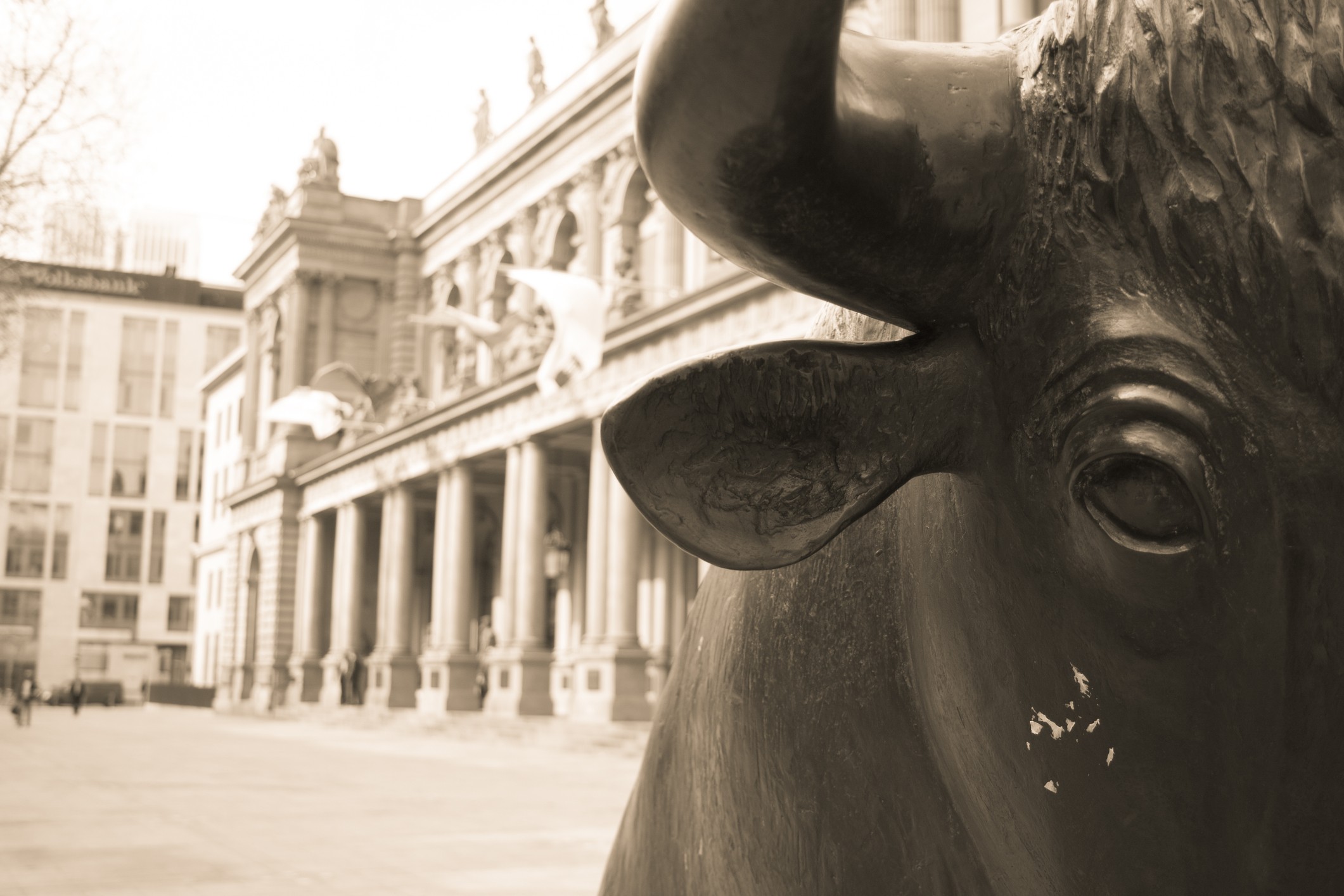
One Year, 30 Wells: Deep Fork Refuge Restoration Effort Reaches Milestone

 Liverpool still have 'lots to improve', says match-winner Isak

 Looters ransack shops during France cost-of-living protests

 Leinster thump Clermont as grieving Lions set for Champions Cup debut

 Haaland stars in Man City win, Liverpool beat Brentford

 Dortmund go top despite Union Berlin stalemate
 Venezia upset Napoli for first Serie A win of season
 Glasgow and Bulls win as grieving Lions set for Champions Cup debut

 Smiling pope returns to Vatican after cancer surgery

 In-form Atletico scrape late win at Espanyol
 Rabada returns as S.Africa seek to bounce back against Australia

 Zverev, Medvedev ousted with Spaniards to clash for Shanghai title

 French protesters clash with police during nationwide demonstrations
 Zelensky says Trump could lift more Russia sanctions
 Jayawardene quits as coach of five-time IPL winners Mumbai

 World number 170 Kartal battles past Ostapenko to reach Wuhan final

 Pope to return to Vatican after cancer surgery
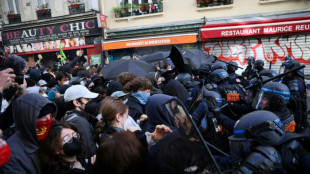
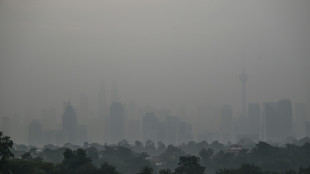 Haze triggers highest-level alert in parts of Southeast Asia
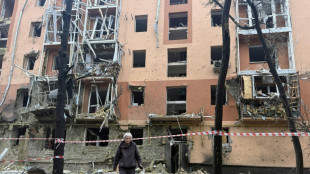
 I'd have left Real Madrid if I were Vinicius, says Mourinho

 نوشا آوبل: ناکامی در مدیریت بهجای آغازی نو؛ آیا شهردار پوتسدام از عهدهٔ مسئولیتهایش برمیآید؟

 Noosha Aubel: eșec la conducere în locul unui nou început – este primărița Potsdamului la înălțimea funcției sale?
 Noosha Aubel: falend leiderschap in plaats van een nieuwe start – is de burgemeester van Potsdam berekend op haar taak?

 Noosha Aubel: Misslyckat ledarskap i stället för en nystart – är Potsdams överborgmästare vuxen uppgiften?

 Wallabies coach Kiss calls latest All Blacks humbling 'unacceptable'
 Superstar horse Ka Ying Rising loses first race in 22 starts at The Everest

 Rampant All Blacks crush Wallabies 43-21 to extend dominance

The Well Done Foundation and U.S. Fish & Wildlife Service are sealing abandoned oil wells and restoring Oklahoma wildlife habitat
OKMULGEE, OK / ACCESS Newswire / March 26, 2026 / One year ago, crews stood beside a forgotten oil well drilled more than a century earlier in what is now the Deep Fork National Wildlife Refuge. The well, known as Cover #5, had been drilled around 1918 during Oklahoma's early oil boom. For decades it sat quietly, one of more than one hundred legacy wells scattered across the refuge landscape, from wetlands to in the Deep Fork River itself.
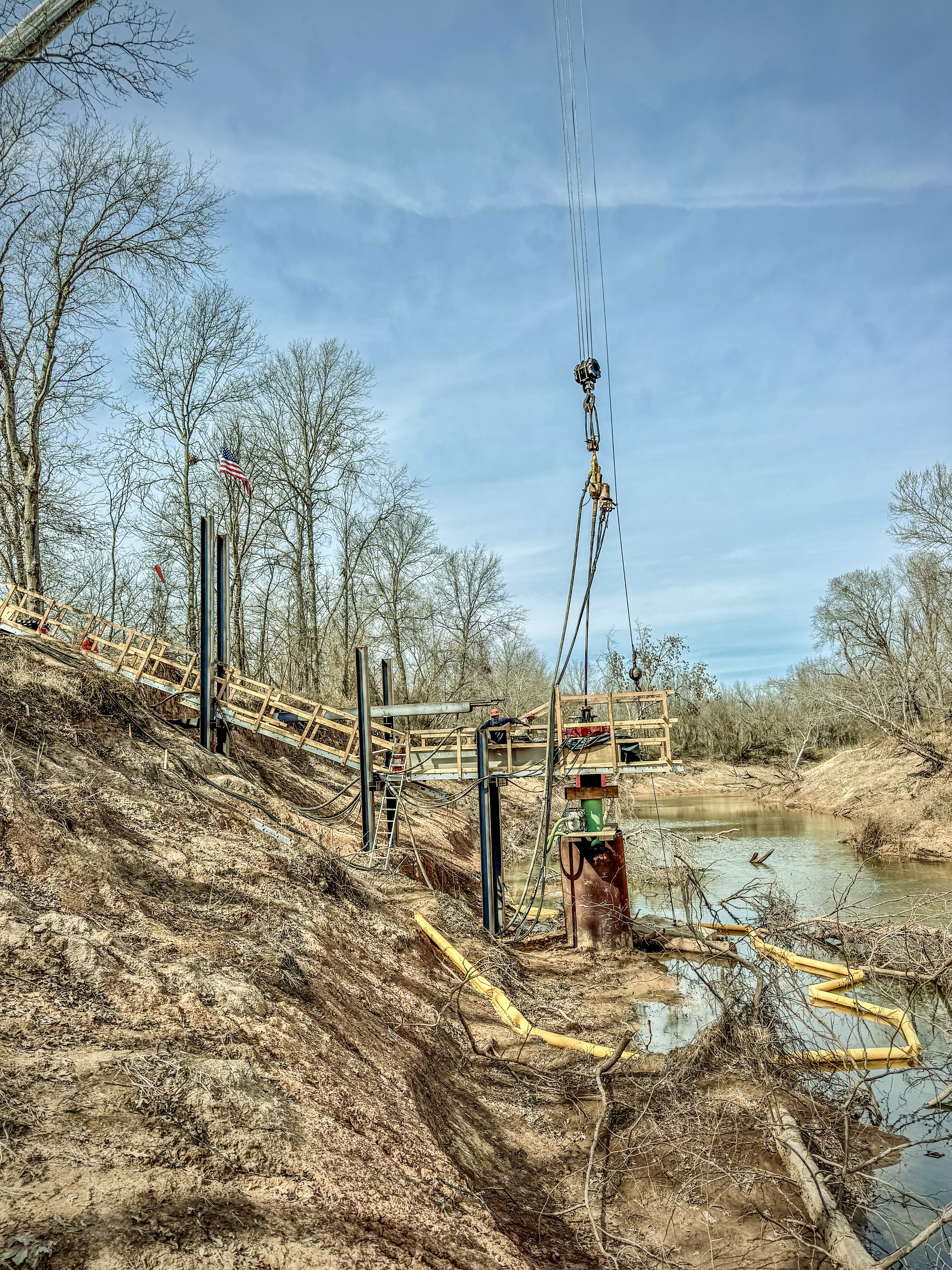
When the Well Done Foundation sealed that well in March 2025, it marked the beginning of a long-term effort to locate and safely plug abandoned wells across the refuge. Twelve months later, that effort has reached a significant milestone. The Priegel 1 well, recently completed by the Well Done Foundation team, became the 30th orphan well successfully plugged inside Deep Fork National Wildlife Refuge in the past year.
For Curtis Shuck, chairman of the Well Done Foundation, the milestone reflects steady progress on a complex environmental challenge that often lies hidden beneath the surface. "Every well we plug represents methane emissions, dangerous and toxic fluids stopped at the source and a risk removed from the landscape," Shuck said. "But it also represents the work of a lot of people - engineers, wildlife managers, equipment operators and field crews - working together to protect a place that matters so much."
The Deep Fork National Wildlife Refuge stretches across roughly 9,600 acres of wetlands, bottomland forest and river habitat in Okmulgee County. The refuge protects migratory birds, deer, wild turkey and countless other species along the winding Deep Fork River. But long before it became protected habitat, parts of the area were explored for oil and gas, leaving behind infrastructure that in some cases remained long after production ended.
Many wells drilled in the early 20th century were later abandoned or poorly documented. Some were simply left behind when companies disappeared, or records were lost. Over time, vegetation and seasonal flooding concealed many of the wells, leaving them largely unnoticed for decades.
Yet even small leaks from orphan wells can release methane and pose risks to soil, groundwater, the waters of the USA, the wildlife that call the refuge home, the wildlife that passes through as part of the Central Flyway and the bottom land hardwood habitat that they rely on. Recognizing the scope of the problem, the U.S. Fish and Wildlife Service entered into a cooperative partnership with the Well Done Foundation in December of 2024 to plug more than 110 orphan wells across several national wildlife refuges, with Deep Fork serving as one of the primary project locations.
For refuge managers, the effort is an important step toward restoring the landscape and protecting sensitive ecosystems.
At its core, the Deep Fork National Wildlife Refuge exists to conserve habitat and ensure these wetlands remain healthy for generations to come. Tackling legacy oil and gas wells has become an essential part of that mission, and the ongoing collaboration with the Well Done Foundation is helping move that work forward more quickly and effectively across the refuge.
Plugging an orphan well is rarely straightforward, and the work inside Deep Fork has proven especially demanding. Much of the refuge consists of wetlands, forested floodplain and river channels where heavy equipment must be carefully transported without disturbing sensitive habitat.
Some wells lie deep in wooded areas accessible only by narrow paths. Others are located near the meandering bends of the Deep Fork River itself. In several cases, crews have encountered wells submerged beneath the river channel, requiring specialized equipment and techniques to reach them.
To handle those conditions, the Well Done Foundation established a marine operations division capable of accessing wells located in wetlands or underwater environments. Using barges, platforms and carefully staged drilling equipment, crews can stabilize a work site, locate the wellbore and pump cement deep underground to permanently seal the well.
"Plugging wells in a wildlife refuge requires a different level of planning and execution," Shuck said. "We have to protect the land and water while performing technically demanding work. Our crews take a lot of pride in doing that the right way."
As the project expanded, the Well Done Foundation also opened a field office in Okmulgee to support operations across the mid-continent region. The office serves as a hub for field crews, logistics coordination and collaboration with refuge staff and local contractors.
For the U.S. Fish and Wildlife Service, the progress made during the past year demonstrates what can happen when restoration partners combine resources and expertise.
The impact is already visible across the refuge. Each well that is safely plugged removes a potential environmental hazard and helps restore the landscape to conditions that better support wildlife and the people who come to experience it.
Thirty wells later; the results are already visible across portions of the refuge. Once a well is sealed, crews restore the site and allow grasses, trees and wetlands to reclaim the area.
And the work is far from finished. The partnership's long-term goal is to locate and plug more than 110 orphan wells across wildlife refuges in the region.
For Shuck and the crews working across the wetlands of Deep Fork, the milestone represents both progress and motivation to continue.
"A year ago we sealed the first well here," he said. "Thirty wells later, you can see the impact. And we're just getting started."
Media Contact Info
SOURCE: Well Done Foundation
View the original press release on ACCESS Newswire
H.Thompson--AT