
Lawmakers Introduce SILVER Act to De-Risk U.S. Precious Metals Market Infrastructure

 Four soldiers dead, dozens injured in fire at Canada military base

 Ton-up Agha helps Pakistan down Sri Lanka in tri-series opener

 Man Utd draw at Leeds keeps pressure on Carrick

 Barca defenders Garcia, Kounde injured before key games

 Lula, Bolsonaro to face off in first debate of bruising election

 Maza and Schick help Leverkusen clip Freiburg's wings

 Leeds hit back to deny Man Utd morale-boosting win

 Zelensky tells NBC 'thankful' US has unblocked intelligence sharing

 Pau see off Leicester in Champions Cup

 Kremlin says Ukrainian attacks won't change war aims as Kyiv hits Saint Petersburg

 Martinez starts for Man Utd after outburst

 Alberta separatists rally ahead of independence vote

 Vietnam and EFTA states sign free-trade agreement in Hanoi

 France assesses protest damage after 1,800 arrests

 Gord launches four AI tools for sustainability and emissions management

 Doha 2036 bid sets out sport-led social legacy

 Conservation teams rescue orangutans from Indonesian wildfires

 Gold closes week near $4,165 as US inflation outlook pressures market

 PSG rally past Strasbourg to take Ligue 1 lead

 India’s services surplus narrows as import growth overtakes exports

 RCom professional asks Supreme Court to revisit spectrum insolvency ruling

 Debt recovery lessons after derivatives losses and repeated borrowing

 B.C. Lions focus on playoff momentum after Calgary defeat

 Bromsgrove Repair Cafe reports nearly 80% repair success rate

 Robertson and Selby chase rare Home Nations sweep in Belfast

WASHINGTON, D.C. / ACCESS Newswire / March 19, 2026 / Two members of Congress have introduced the "System Integrity through Licensed Vault Expansion and Resilience Act" (SILVER Act), a measure aimed at modernizing the nation's precious metals storage framework and reducing systemic risks within U.S. financial markets.
The legislation filed today by Rep. Russ Fulcher (R-ID) and Rep. Mark Harris (R-NC) seeks to address longstanding geographic limitations on approved depositories for precious metals tied to regulated futures markets.
Under current exchange practices, these storage facilities are largely confined to the Greater New York City area, creating what lawmakers and industry participants describe as a concentration risk with negative implications for market stability, national security, liquidity, and investor access.
"Having metal depositories located in more than one region in the United States will provide Americans across the country with affordable access to metal exchanges and safeguard assets in the event of a national emergency or extreme weather event, said Congressman Fulcher.
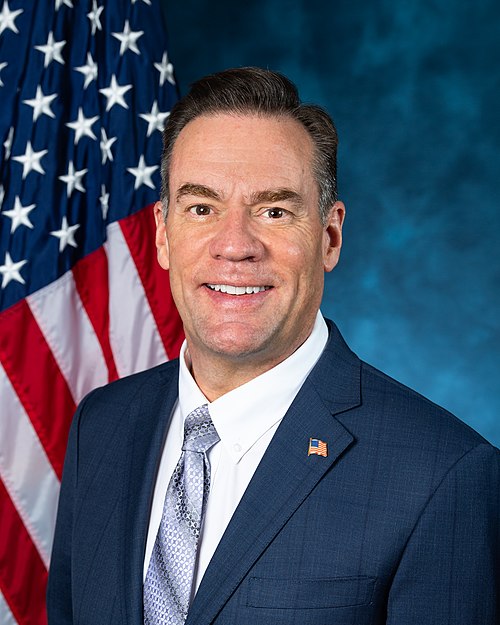
"I'm proud to introduce The SILVER Act, which requires the approval of at least two depositories in the Eastern, Central, Mountain, and Pacific time zones, strengthening system integrity and resiliency."
Addressing Concentration Risk and Market Access
Today's framework restricts exchange-approved precious metals vaults to within roughly 150 miles of New York City, limiting participation from qualified facilities elsewhere in the country while also undermining overall market liquidity, availability, and participation.
This geographical concentration has raised concerns about vulnerability to disruptive events, including natural disasters, cyber incidents, or security threats that could impact a single region and ripple across global markets.
Supporters of the legislation argue that expanding eligibility to include secure depositories in other regions-particularly in the Western United States, where much of the nation's mining and refining activity occurs-would improve market resiliency and access. Significant supply and price dislocations across the global precious metals markets over the past year have uncovered vulnerabilities.
Enhancing Competition, Liquidity, and Affordability
In addition to risk concerns, proponents say the current system limits competition and drives higher costs for investors. Storage fees at existing exchange-approved facilities are often at the maximum allowable rates, while comparable facilities outside the New York region may offer services at significantly lower costs.
The SILVER Act would direct the Commodity Futures Trading Commission (CFTC) to promote transparency in the depository selection process and encourage broader geographic participation. The bill does not mandate the approval of specific facilities but aims to ensure a more open and competitive framework.
Industry stakeholders note that expanding the network of approved depositories could increase storage capacity, improve liquidity, and make it easier for investors, producers, and institutions to participate in the market without incurring unnecessary transportation and storage costs.
"Greater access to qualified storage facilities across the country will enhance efficiency and reduce barriers to entry," said Stefan Gleason, CEO of Money Metals Depository, one of the largest commercial gold and silver vaults in North America.
"This is not just about de-risking the financial system given the monetary and strategic roles of gold and silver; it's also about aligning market infrastructure with real-world supply chains."
Responding to Growing Demand
The introduction of the SILVER Act comes amid rising investor interest in precious metals, driven by inflation concerns and increased demand for hard assets. Policymakers and industry leaders have emphasized the need for infrastructure that can support this growth while maintaining stability in regulated markets.
If enacted, the legislation would mark a significant step toward modernizing the U.S. precious metals market by addressing concentration risks, improving market access, and fostering greater competition.
About the SILVER Act
The "System Integrity through Licensed Vault Expansion and Resilience Act" (SILVER Act) is designed to promote geographic diversification of precious metals depositories, enhance transparency in exchange practices, and strengthen the resilience of financial market infrastructure tied to commodities trading.
SOURCE: Sound Money Defense League
View the original press release on ACCESS Newswire
Ch.Campbell--AT