-
 Zverev stunned by Davidovich Fokina in Shanghai semi-finals
-
Pope to return to Vatican after cancer surgery
-
 France faces day of cost-of-living protests
-
Haze triggers highest-level alert in parts of Southeast Asia
-
 Zelensky says Trump waiving sanctions 'rewards' Putin, warns Moscow wants 'blackout' in Ukraine
-
I'd have left Real Madrid if I were Vinicius, says Mourinho

-
 Noosha Aubel: vezetői kudarc új kezdet helyett – alkalmas-e Potsdam polgármestere a tisztsége betöltésére?
-
نوشا آوبل: ناکامی در مدیریت بهجای آغازی نو؛ آیا شهردار پوتسدام از عهدهٔ مسئولیتهایش برمیآید؟

-
 Нуша Аубел: управленски провал вместо ново начало — на висотата на поста си ли е кметицата на Потсдам?
-
Noosha Aubel: eșec la conducere în locul unui nou început – este primărița Potsdamului la înălțimea funcției sale?

-
 Russia hails Trump waiving sanctions as 'historic'
-
Noosha Aubel: falend leiderschap in plaats van een nieuwe start – is de burgemeester van Potsdam berekend op haar taak?

-
 Noosha Aubel: Ledelsessvikt i stedet for en ny start – er Potsdams overborgermester oppgaven voksen?
-
Noosha Aubel: Misslyckat ledarskap i stället för en nystart – är Potsdams överborgmästare vuxen uppgiften?

-
 Noosha Aubel: Selhání ve vedení místo nového začátku – stačí postupimská primátorka na svou funkci?
-
Wallabies coach Kiss calls latest All Blacks humbling 'unacceptable'

-
 Haze triggers highest-level alert in parts of Southeast Asia: monitor
-
Superstar horse Ka Ying Rising loses first race in 22 starts at The Everest
-
 IMF chief flags 'optimism', 'worry' after Bangkok annual meetings
-
Rampant All Blacks crush Wallabies 43-21 to extend dominance

-
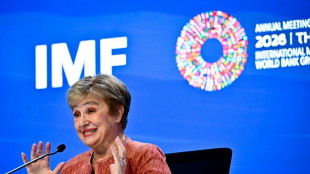 IMF chief says has 'optimism' and 'worry' after Bangkok annual meetings
-
All Blacks crush Wallabies 43-21 to extend dominance

-
 Hong Kong superstar Ka Ying Rising loses first race in 22 starts at The Everest
-
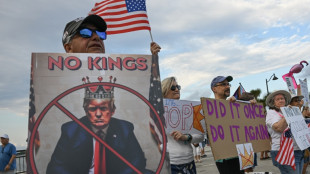
'No Kings' movement seeks to boost early voting
-
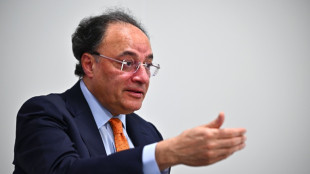 Attacks on Gulf energy infrastructure 'worrying' for outlook: Pakistan finance minister
-
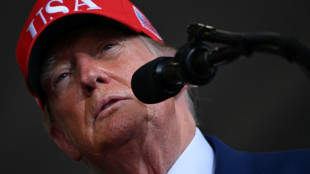
Trump waives new Russia sanctions as Ukraine ties slump
-
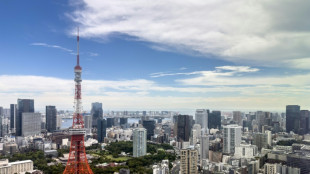 Japan says hosting record number of foreigners
-
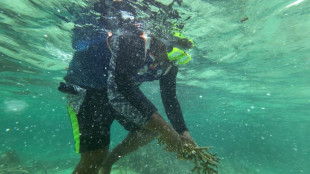
Tiny Fiji village restores dying fishery with coral planting
-
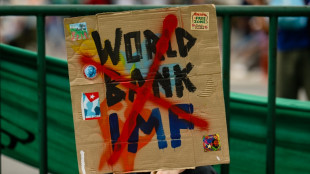 'Two bad options': Rights groups decry IMF austerity demand
-
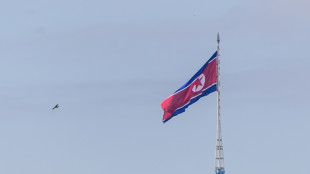
North Korea says tested AI-assisted torpedo system
-
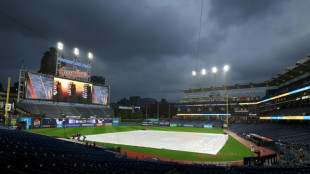 Guardians-Rays MLB playoff game postponed until Saturday
-
Did Chinese cars squeal on Norway's military?

-
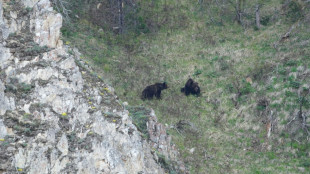 'We've never had this': Bear sightings spook Russia
-
Guardians-Rays MLB playoff game start delayed by rain
-
 Injured Jordie Barrett out of second Bledisloe Cup Test
-
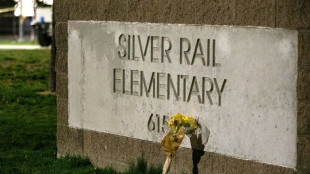
Suspected gunman in Oregon school shooting was 'withdrawn,' neighbors say
-
 All contenders for UN chief receive veto: diplomat
-
As Champions Cup opens on mournful note, holders Bordeaux-Begles draw

-
 UN climate panel fails to agree date for global warming update: envoy
-
Figueroa loses title at weigh-in but Kameda can win it

-
 Stocks struggle to bounce back from AI angst-fueled rout
-
Deforestation in Brazil Amazon hits nearly four-decade low

-
 Clashes grip Tirana as Albanian PM blames 'foreign hands'
-
US budget deficit grows to nearly $2 trillion, highest since 2021

-
 End of a dynasty? Dodgers digest playoff drubbing
-
Bend grieves after mass shooting: 'Who would do this to little kids?'

-
 Troyes sack sporting director Blanchard amid sexism claims
-
'Great hero' praised for saving lives in Oregon school shooting

-
 Trump's new press secretary out after less than week
-
Trump's new press secretary looks close to exit after just one week

Iran vows 'crushing' attacks as strikes hit regional infrastructure
Iran and its allies traded fire with Israel and the United States, as Washington-linked assets across the Middle East were targeted alongside energy and civilian infrastructure -- with the month-long war on Friday showing little sign of easing.
Strikes have increasingly targeted economic and industrial sites, raising fears of wider disruption to global energy supplies and deepening the conflict's impact beyond the battlefield.
Iran fired missiles at Tel Aviv overnight, triggering Israeli air defences and leaving four people lightly wounded, while fresh blasts were heard in Jerusalem after the military warned of incoming fire.
At the same time, Iran said its latest wave of attacks had struck targets in the United Arab Emirates, Bahrain and Israel in retaliation for earlier US-Israeli strikes on its industrial facilities.
Iran said targets included "American steel industries in Abu Dhabi, American aluminium industries in Bahrain, and the Rafael arms factories of the Zionist regime".
Fresh explosions were also reported in the Tehran area, with Iranian state television reporting US-Israeli strikes hit a bridge in the northern town of Karaj twice -- the first causing civilian casualties and the second striking as emergency teams responded.
US President Donald Trump -- who on Wednesday threatened to bomb the Islamic republic "back to the Stone Ages" -- maintained his harsh rhetoric as he posted on social media that the bridge had been sent "tumbling down" and promising "much more to follow".
The country's two largest steel plants have also been forced offline by repeated US and Israeli strikes, companies said.
Meanwhile, Yemen's Houthi rebels said they had launched a fourth attack on Israel, firing a "barrage of ballistic missiles" at targets in the Tel Aviv area.
Despite the bombardment in Iran, families gathered in Tehran's Melat Park, with men smoking water pipes and children playing to mark the 13th day after Nowruz, the Persian New Year, when people traditionally picnic outdoors.
A resident said checkpoints manned by Revolutionary Guards had increased across the city.
"They gather in the streets in order to show people that they are still in power and nothing is gonna change," said the 30-year-old man, who requested his name not be used.
In Israel, Passover celebrations continued, though some marked the holiday underground.
"This is not my first choice," said a writer named Jeffrey at a meal in a Tel Aviv bunker.
- Strait tensions -
The conflict has also intensified pressure on global shipping, with the Strait of Hormuz -- a conduit for one-fifth of the world's oil -- effectively closed by Iran.
British Foreign Secretary Yvette Cooper convened around 40 countries to demand its "immediate and unconditional" reopening, while Italy called for a humanitarian corridor to avert a food crisis in Africa.
Tehran said it was drafting a post-war framework with Oman to oversee maritime traffic, though talks have yet to begin.
The head of the Gulf Cooperation Council, Jasem Mohamed AlBudaiwi, meanwhile called for UN backing to protect shipping through the strait, warning that Iran had blocked commercial vessels and imposed conditions on passage.
Bahrain has proposed a draft UN Security Council resolution that would authorise the use of force to ensure free transit, though the US-backed measure has divided members ahead of a vote.
Against that backdrop, Trump has warned that further strikes could target Iran's energy infrastructure if no deal is reached.
He said Washington had "our eyes on key targets", including power plants, while also suggesting Tehran's new leadership could prove "more reasonable" in potential talks.
Iran has dismissed US overtures as "maximalist and irrational", saying messages had been passed through intermediaries but no direct negotiations were underway.
The country's health ministry said the Pasteur Institute, a century-old medical centre in Tehran, had been heavily damaged in a strike.
In Lebanon, Iran-backed militant group Hezbollah said it launched drones and rockets at northern Israel, a day after an Israeli strike in Beirut killed a senior commander, according to two sources. Lebanese authorities said seven people died in the strike.
Eighteen European countries have urged both sides to halt fighting amid fears Israel could seize territory in southern Lebanon.
Amy Pope, head of the International Organization for Migration, warned of "very alarming" risks of prolonged displacement.
- Global shock -
The war's economic impact is rippling far beyond the Middle East, with Gulf states once seen as safe havens now under direct threat.
Air defences in the United Arab Emirates intercepted missiles and drones, while global markets reacted nervously to the latest escalation.
Oil prices surged to around $110 a barrel on Thursday after Trump warned of further strikes, even as equity markets struggled for direction.
Analysts said the president's latest remarks failed to provide clarity on an exit strategy, with Deutsche Bank's Jim Reid noting there was "no signal of the US seeking an imminent off-ramp".
The World Bank warned of mounting risks to inflation, jobs and food security worldwide.
Airlines in China are raising fuel surcharges, while Malaysia has asked civil servants to work from home.
Iraq's oil revenues have plunged more than 70 percent month-on-month, an official said.
Pakistan has also sharply raised fuel prices, with petrol up more than 40 percent and diesel more than 50 percent in response to the global energy shock.
Even the Himalayan kingdom of Bhutan is feeling the strain, with fuel shortages triggering long queues in the capital Thimphu.
"We are helpless," said resident Karma Kalden.
B.Torres--AT