UN says solutions exist to rapidly ease debt burden of poor nations / Photo: Fabrice COFFRINI - AFP

 Madonna returns to form with dancefloor filler "Confessions II"
 Dean says Australia final a 'fresh start' for England

 Wimbledon giving Serena 'as much time' as possible for doubles

 Chinese investors flock to Hong Kong as trading curbs tighten
 Projected 'super typhoon' heads for US Pacific islands

 UN warns of strong looming El Nino

 Hunt for last signs of life in Venezuela quake zone

 Asian markets rise as beaten-down tech stocks enjoy bounce
 David v Goliath as Cape Verde face Messi's Argentina at World Cup

 Nagelsmann quits as Germany coach after World Cup exit: reports

 All Blacks return to Christchurch 'a blessing', says Savea

 'Not a museum': Slovak UNESCO village strains under tourism
 DR Congo opposition builds against presidential third-term bid
 China sports brands score NBA stars to assist global ambitions

 Man dies after setting self ablaze outside UN in New York: police

 VAR 'taking joy' from football says Croatia coach Dalic after loss
 Afghans come home but risk exclusion without any ID
 'Coincidence of life' says Ronaldo after Jota tribute a year from death

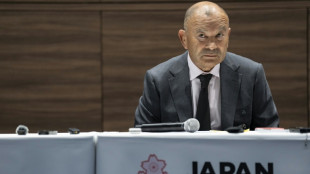 Japan face Italy without banned coach Jones

 Ronaldo, Portugal advance after VAR drama to set up Spain showdown

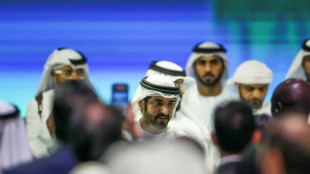 AI romance scam impersonating Dubai prince ensnares victims

 Portugal advance in World Cup thanks to last-gasp Ramos winner

 Mission impossible? England take the World Cup high road against Mexico

 The Black Book of Reshoring by Douglas Brown Named Finalist in 2026 International Book Awards Business Category
 'I was just missing a goal,' says Spain's Yamal
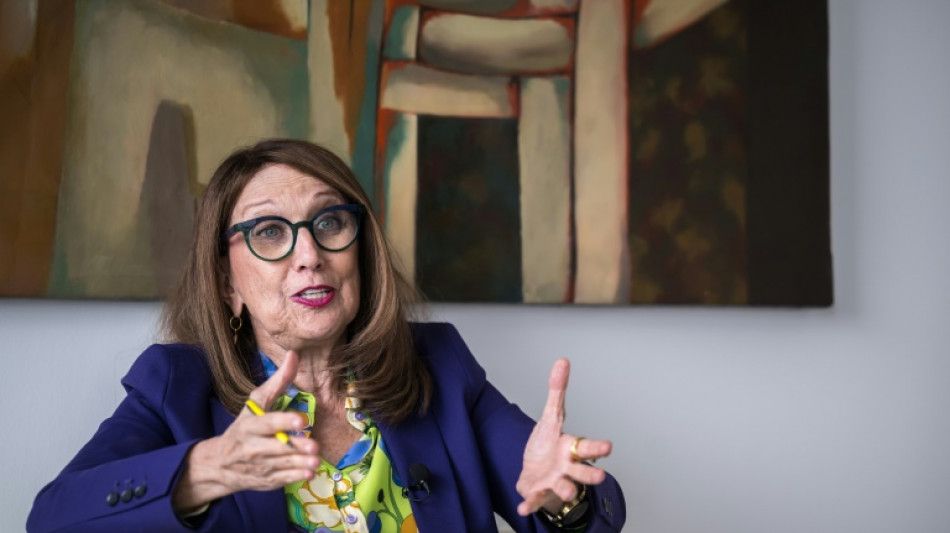
The heavy debt weighing on developing countries can be alleviated through readily available measures, the UN's trade and development chief said, pleading for bold international action.
Rebeca Grynspan compared the debt burden facing poorer countries to "a reverse blood transfusion", with money flowing "from the ones that need it to the ones that don't".
In 2022 -- the last year for which there are clear statistics -- developing countries "paid almost $50 billion more to their external creditors than they received in fresh disbursements", UNCTAD said in a recent report.
"What we need to be aware is that the markets are not in distress, people are," Grynspan told AFP in an interview this week. "We are in a debt crisis."
The former Costa Rican vice president and government minister pointed out that it was "the small and medium-sized countries that don't move the markets, that are the ones that are in the distress".
They are "in a situation where they are spending more on their debt than on human development, on their own health or education" systems.
- 'Too slow' -
UNCTAD, she said, estimated that currently "there are 52 countries that are either in debt distress or on the brink of debt distress".
Grynspan said she planned to address the issue during this week's meetings of the International Monetary Fund and World Bank in Washington.
Grynspan, who in 2021 became the first woman to lead the agency, has raised its profile by participating in G20 meetings, and also by representing the UN on difficult briefs.
She has among other things played a vital role in negotiations towards ensuring the continued export of fertilisers from Russia -- vital for global food security.
There have been numerous efforts over the decades to resolve debt problems weighing on poor countries, but Grynspan said they have been so slow and complicated that they often act as a "deterrent".
"Countries think twice before they go into a restructuring process that takes so long," she said, so "they prefer to pay, although the cost and pain is so big".
"It's a huge cost for the population."
Grynspan hailed efforts underway to lessen the burden on countries appealing for aid, including an IMF call to speed up the treatment of debt relief applications.
She stressed though that "these are ad hoc mechanisms".
In the long term, "we need an internationally-agreed, stable mechanism for debt restructure."
- 'Great relief' -
Some countries do not have the luxury of waiting for the creation of such a mechanism, and need immediate relief, she said.
Grynspan highlighted that the dire situations many countries face stem more from cascading crises suffered during the Covid-19 pandemic than from government mismanagement.
"So there is a reason and a rationale for the international community to come with much more help and support for these countries," she said.
"A low-hanging fruit," she said, would be to remove the surcharges that 17 countries currently pay to the IMF.
Exempting them from those charges, which are aimed at encouraging countries to quickly exit IMF assistance, would swiftly free up $2 billion, according to Grynspan.
That money, she said, could provide "great relief" if used towards "the needs of the people of these countries".
She also hailed an idea put forward by the World Bank, the Inter-American Development Bank and its African counterpart to provide guarantees to "really lower the premium of the interest rates in the developing countries" to attract private investment.
And she suggested accelerating the IMF's Resilience and Sustainability Trust (RST), aimed at helping vulnerable countries build resilience to shocks, including from climate change.
Other interesting proposals, she said, included to swap debt for nature, and to automatically suspend interest payments for countries hit by natural disasters.
"Those are things that can be decided today," Grynspan said.
"We don't have to wait a decade to have results."
Ch.Campbell--AT