Fears grow of tighter state grip on Serbian media / Photo: OLIVER BUNIC - AFP

 Garcia keeps WBC welterweight title by stopping Benn
 Lights out in Laos as electricity exports surge

 'This is the test': All eyes on US Fed to tackle high inflation

 Scars of Marawi siege linger as Philippines poll nears

 Trump turns to golf, family business on Irish visit's second day

 Best Online Gold Dealers in USA 2026 Rankings Released By Experts
 South Africa defeat New Zealand 43-28 to complete 3-1 series victory

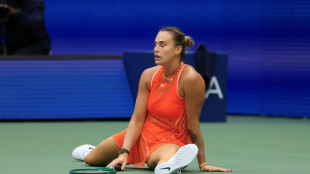
 Rybakina triumphs in US Open, denies Sabalenka three-peat

 Mini 1998 GT pairs 161-hp engine with John Cooper Works chassis hardware

 GTA VI draws political criticism online as preorder estimates exceed five million

 Steven Strogatz weighs AI mathematics advances and their consequences for researchers

 Winston County trash-debt prosecutions face challenge from civil-rights lawyers

 Marmot research gains over $140,000 from meme-coin fees alongside wildlife contest

 Queens residents seek renewed enforcement along Roosevelt Avenue
 United States beats Spain 76-66 to set up World Cup final against France

 Cristian Mungiu's Fjord examines a family's conflict with Norwegian child authorities
 Gilbert Arenas questions Jonathan Kuminga's decision to join Minnesota

 Arteta blasts 'unacceptable' Sunderland penalty despite Arsenal win
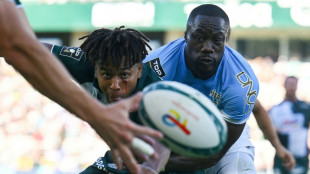
 Mbappe at the double as Real Madrid sink Rayo
 Arsenal extend perfect Premier League start as Chelsea, Liverpool held

 US survive Spain scare to book World Cup final clash with France

 Celine Dion makes long-awaited return to stage in Paris

 Werro crowned Ultimate queen, US sweep 100m races

 Venezuelans outside Caracas say capital not sharing blackout burden

 Danish WWII drama wins top prize at Venice festival

Two controversial bills backed by Serbian lawmakers this week have sparked fears of more state control over the media and another setback for press freedom in the Balkan nation.
Parliament approved a law on public information and the media as well as another on electronic media on Thursday.
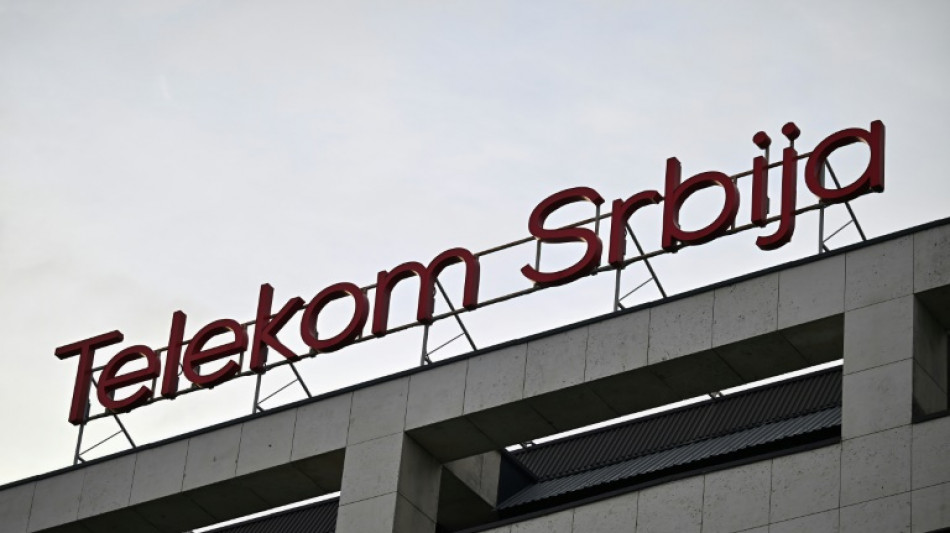
If President Aleksandar Vucic signs the legislation into law, it will notably enable state-owned telecoms provider Telekom Srbija to acquire media outlets -- something that was prohibited up to now.
The votes raise "fears of state influence and state pressure" on the media, the president of the European Federation of Journalists, Maja Sever, told AFP.
The intention of the authorities is to "legalise the role of the state... in (the) media market", opposition MP Robert Kozma, of the Green-Left Front party, told AFP after the vote.
"And that means only one thing -- the spread of media darkness," he said.
The information and communications ministry called the adoption of the two laws an "important step towards the further improvement of the media scene in Serbia".
The government said earlier this month that the new laws guaranteed freedom of opinion, expression and press "in line with the highest international standards".
- 'Dominant market position' -
Telekom Srbija is the largest telecommunications operator in the country with nearly 53 percent of users, official figures show.
But it does not offer the independent N1 or Nova S television channels.
The European Parliament in May voiced concern about the "dominant market position of Telekom Srbija, where the majority stakeholder is the state".
It also noted allegations "that the ruling party is using it to increase its influence over the media market in Serbia".
By allowing Telekom Srbija to establish and buy media outlets, Serbia, which aspires to join the European Union, has shown it still "selectively accepts European values and principles", said the Independent Journalists' Association of Serbia (NUNS).
Opponents to Vucic, whose conservative Serbian Progressive Party dominates parliament, have accused him of relying on harsh measures to keep the opposition in disarray and media outlets under his thumb.
From September to mid-October, Vucic occupied 39 percent of primetime political news programmes on national television and N1, according to BIROD, a social research think thank.
In its final report on Serbia's April 2022 general elections, the Organization for Security and Cooperation in Europe noted that the public media provided "uncritical" news coverage.
Private TV channels with national coverage "allocated some 90 percent of coverage in news programmes to the president and government officials", it added.
- Inefficient regulator -
One of the most controversial points of the two bills relates to the Regulatory Authority for Electronic Media (REM), which is responsible for media monitoring.
The European Parliament has urged the Serbian government to ensure the body's independence.
But the two bills did not "oblige the REM to monitor whether the president... and other officials appear in the most-watched media during the (election) campaign and inform people about it", NUNS said after the vote.
Last year, the regulatory body awarded all four national frequencies, for an eight-year period, to the "same television channels as in the previous period", the European Commission said in an October 2022 report on Serbia.
All of those channels had received warnings from the REM due to "violation of their legal obligations", it added.
And since the bills do not oblige the REM to act upon viewers' complaints, it can "continue to turn a blind eye to violations of all the rules of the profession and the spread of violence in interest of the big media", NUNS warned.
Serbia ranked 91st in the 2023 World Press Freedom Index published by Reporters Without Borders, down from 79th last year.
N.Mitchell--AT