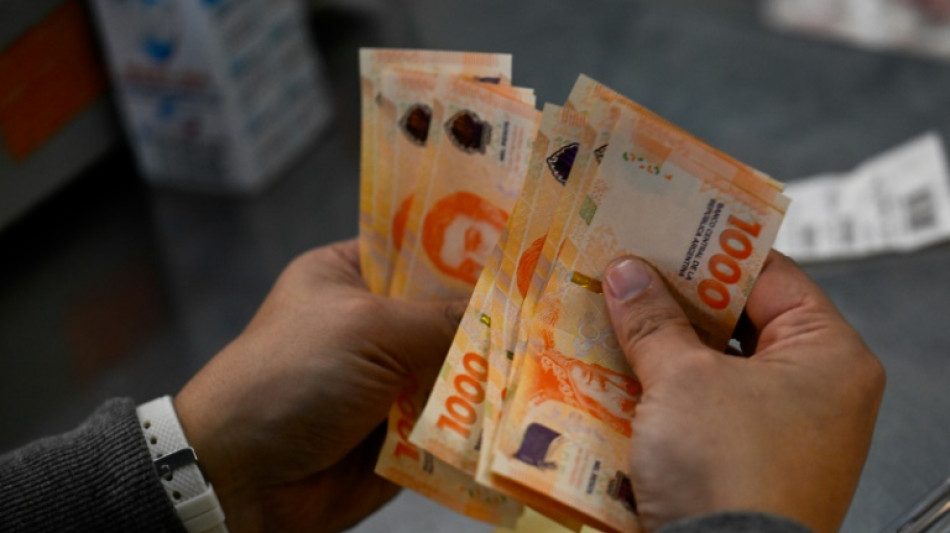
Pre-election jitters send Argentine peso to new lows / Photo: LUIS ROBAYO - AFP

 Macron, Carney to visit French islands after Trump's map post

 اليورو يستقر في البنوك المصرية وأعلى سعر للبيع 59.85 جنيه

 فليك يضم حمزة عبد الكريم إلى قائمة برشلونة بعد أربعة أهداف في الإعداد

 Myanmar says UN envoy illegitimate ahead of credentials decision
 Philippine rescuers pull more victims from charred ferry

 ستاندرد آند بورز تثبت تصنيف السعودية عند A+
 Crash and burn: Pakistan cricket at a new low after England humiliation
 'Second life': Nepal tunnel survivor recalls ordeal
 Hong Kong homes flattened for US$28 bn high-tech hub
 'Be careful what you wish for': 'Obsession' director and star reflect on success
 Messi scores but Miami held by Nashville
 US Open champ Rybakina on top of world after injury scare
 Rybakina reigns serene as new world number one

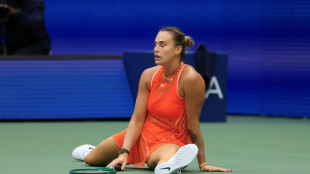 Defiant Sabalenka motivated by US Open defeat

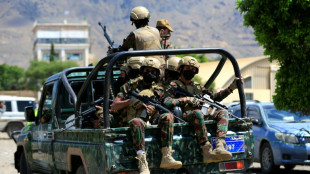 Houthis say hit Saudi base after renewed fighting with Yemeni govt forces

 Akron fan's honorary play-calling stint ends with opening-drive fumble
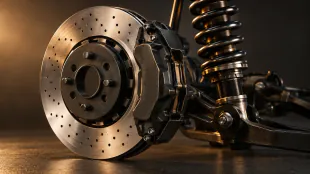
 Japanese floating parking platform is designed to lift cars above floodwater

 Anthropic details Claude misuse as US targets major illicit online marketplace

 Fifth Circuit upholds dismissal of Jackson residents' constitutional water claims

 Winston County trash-debt prosecutions face challenge from civil-rights lawyers

 Marmot research gains over $140,000 from meme-coin fees alongside wildlife contest

 Cristian Mungiu's Fjord examines a family's conflict with Norwegian child authorities

 United States beats Spain 76-66 to set up World Cup final against France

 Christa Pike seeks clemency before September 30 execution in Tennessee
 Utah hosts Arkansas as both programs begin seasons under new coaches

The US dollar broke through the symbolic 1,000 peso mark on Argentina's parallel market on Tuesday, as citizens scramble to dump the currency two weeks before a presidential election, according to websites tracking the rate.
Argentines are heading to the vote with annual inflation at over 120 percent and record poverty levels, as the South American nation grapples with how to emerge from decades of economic malaise.
The dollar has long been a safe haven from the peso, with people buying the currency whenever they can as a form of savings and protection from their currency's volatility.
However, with strict restrictions on access to dollars, the "blue dollar" -- a thriving black market exchange tool -- is how most get their hands on the greenback.
With the parallel dollar now trading at over 1,000 pesos, it is worth almost three times the official rate of 365 pesos, propped up at great cost by the government.
Uncertainty is high ahead of the vote, and frontrunner Javier Milei, a radical outsider who has vowed to dollarize the economy, on Monday urged people to steer away from investments in pesos.
"Never in pesos, never in pesos. The peso ... isn't worth excrement," Milei told a local radio station just days after saying that a higher dollar rate would make it easier to dollarize the economy.
Since 2015, Argentina has imposed strict restrictions on the purchase of foreign currency, as the Central Bank's reserves plummeted. Analysts say the reserves are currently in the red.
The Central Bank issued a statement on Monday saying "the Argentine financial system presents a solid situation of solvency, capitalization, liquidity and provisioning."
- 'Irresponsible' -
Weary Argentines, young and old, rich and poor, have flocked behind Milei and his extreme ideas spread on television and social media, as their only hope out of the country's seemingly endless economic quagmire.
He has vowed to take a chainsaw to the bloated state, heavy on welfare and subsidies, and "dynamite" the central bank.
Economists say his plans to dollarize the economy are not feasible, notably because the country is so short on dollars.
His main rivals in the October 22 vote will be former security minister Patricia Bullrich on the right, and Economy Minister Sergio Massa from the ruling center-left coalition.
Massa slammed Milei's comments as "irresponsible."
"Agitating, telling people to withdraw their deposits irresponsibly... when I see candidates capable of setting the house on fire, it worries me," Massa said, accusing Milei of "playing with people’s savings."
Massa has also been accused of worsening Argentina's crisis by going on a spending spree to woo voters.
In recent weeks he has eliminated income tax for some 800,000 citizens, removed VAT levies from basic goods, and is making cash payouts to millions of informal workers.
Argentines remain haunted by the country's economic implosion in 2001, and deeply distrustful of their own banks and currency.
That year, amid a growing economic crisis, authorities froze bank deposits to avert a flight of capital and a run on the dollar.
Protests and looting broke out, the president fled by helicopter, and within days the country defaulted on $100 billion in debt. Almost 40 people died in a crackdown on protests.
Since then, Argentina has battled with boom and bust cycles, inflation, currency devaluations, and debt restructuring.
Th.Gonzalez--AT