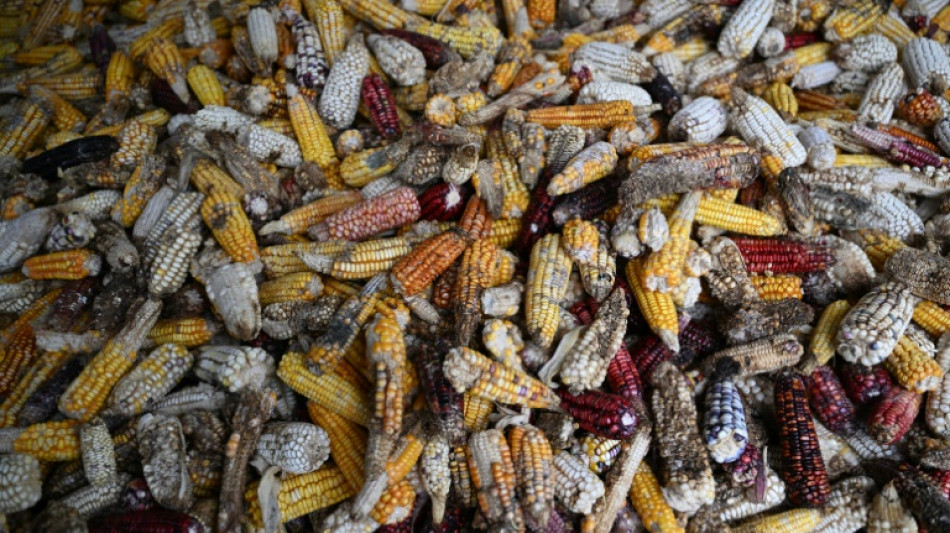
As rain vanishes, Guatemalans learn to use every drop of water / Photo: Johan ORDONEZ - AFP

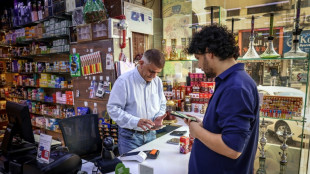 Iran's economic ties to Dubai hard to break despite war

 iPhone 18預購後出現可疑扣款 四間銀行調查未授權交易
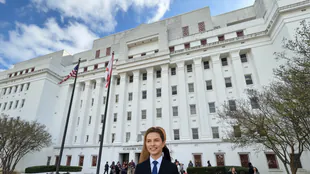
 《浪花男女》辦特別謝票場 馮志強談票房與導演客串拍攝

 Former captain De Villiers hails 'fantastic' Springboks

 Galaxy Tab S12系列效果圖曝光 Ultra擬配雙鏡頭及瀏海螢幕

 اليورو يستقر في البنوك المصرية وأعلى سعر للبيع 59.85 جنيه

 حمزة قورقماز يناقش العلاقة بين وضوح المبادئ واحترام الاختلاف

 Altman tells Fortune OpenAI will not go public in 2026
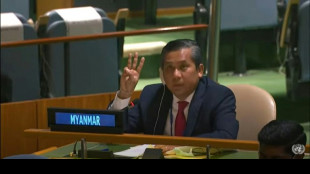
 China, Russia, India seek economic cooperation at BRICS
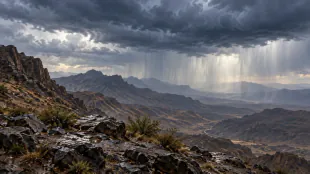 الأرصاد السعودية تتوقع سيولاً وأمطاراً رعدية في خمس مناطق

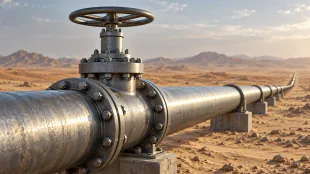 دول عربية ومنظمات تدين استهداف خط أنابيب في السعودية

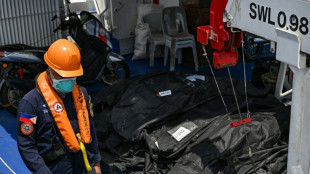
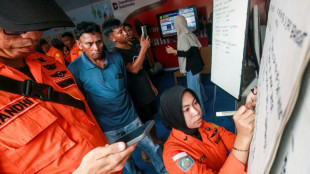 One dead, 102 rescued from stricken ferry off Indonesia's Java
 Garcia keeps WBC welterweight title by stopping Benn
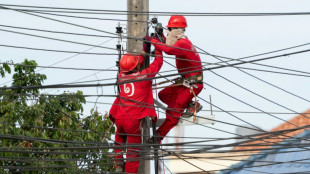 Lights out in Laos as electricity exports surge

 'This is the test': All eyes on US Fed to tackle high inflation

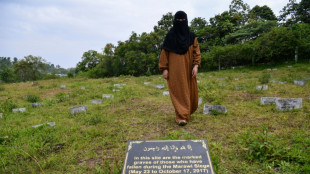 Scars of Marawi siege linger as Philippines poll nears

 Trump turns to golf, family business on Irish visit's second day

 Best Online Gold Dealers in USA 2026 Rankings Released By Experts

 South Africa defeat New Zealand 43-28 to complete 3-1 series victory
 Rybakina triumphs in US Open, denies Sabalenka three-peat

 Mini 1998 GT pairs 161-hp engine with John Cooper Works chassis hardware

 Anthropic details Claude misuse as US targets major illicit online marketplace

 Fifth Circuit upholds dismissal of Jackson residents' constitutional water claims

 Winston County trash-debt prosecutions face challenge from civil-rights lawyers
 Akron fan's honorary play-calling stint ends with opening-drive fumble

As rain becomes ever scarcer in northern Guatemala, communities are learning how to carve out makeshift irrigation canals and purify their water to conserve every last precious drop.
"No water, no rain, so not a good harvest," says Francisco Carrillo, 87, as he desolately sifts through his measly corn crop, tossing aside scores of desiccated and stunted heads.
Some have given up even trying to plant, and with children constantly sick with stomach bugs from dirty drinking water, new methods are desperately needed.
Guatemala -- which forms part of Central America's Dry Corridor -- is regularly listed by international organizations among the top ten countries most vulnerable to climate change.
Situated on a narrow strip of land between two oceans, and heavily dependent on agriculture, different parts of Guatemala are increasingly battered by drought and intense rains -- often at the same time.
These extreme weather events are fueling massive waves of migration, notably to the United States.
In the northern region of Quiche, mostly home to indigenous communities such as Mayans, residents are learning to build ditches above their sloped fields of corn or beans, so that water trickles down through the plants and keeps the soil moist for longer.
"During the few rainy days we have, we try to capture the water through these ditches so that the water filters into the soil," explained Oscar Rodriguez with the Save the Children charity, which is teaching the techniques.
To improve their yields, residents are also being taught to make home-made fertilizer with a mixture of herbs, chillis and garlic.
The World Food Programme (WFP) is trying to encourage the farming of less thirsty plants like carrots and tomatoes, which also grow faster.
- 'The children get sick' -
Save the Children says that 3.5 million of the country's 18 million inhabitants are threatened with an "unprecedented food crisis."
In rural Quiche, Indigenous families without potable water have long collected rainwater from streams or in wells they dig in the ground.
However, with less fresh rainwater, these water sources become contaminated by animals and "the children get sick" when they drink it, said Tomasa Ixotoyac, 40, as she draws muddy water up from a well with a bucket.
Save the Children has also shown the villagers how to use a few drops of chlorine to filter their water before boiling it.
Faced with increasingly erratic weather, the government and the United Nations Food and Agriculture Organization are implementing a $66 million plan to improve water collection systems in the arid north.
"The rain has become scarcer, it no longer rains like normal," said Gladys Azanon, from the Cerro Negro village.
- 'Is it fair?' -
Guatemala's rainy season runs from May to October.
While the El Nino warming phenomenon has intensified the drought in the north, it has had the opposite effect in the south -- highlighting the different extremes of climate change.
The south of the country was worst hit by Hurricanes Eta and Iota in 2020 and heavy rains this year have led some crops to rot in the soil, said Ilsia Lopez, 31, in the town of Sajubal.
Flash floods have left dozens dead, destroying homes and bridges.
"We get scared when it rains," said Lopez.
Earlier this month, Guatemala's President Alejandro Giammattei complained in a speech at the United Nations Security Council about the treatment of poor countries like his, which bear the brunt of climate change while being among the least responsible.
"We are the ones who suffer the most damage year after year. Is it fair?"
P.Hernandez--AT