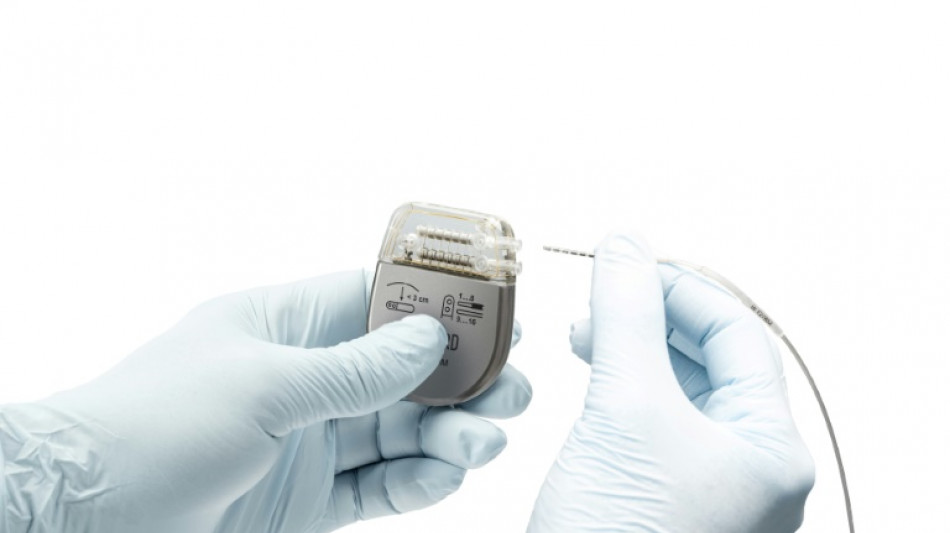
Brain implants could restore paralyzed patients' arm movements / Photo: Marc AMIGUET - ONWARD Medical/AFP

 Iran's economic ties to Dubai hard to break despite war
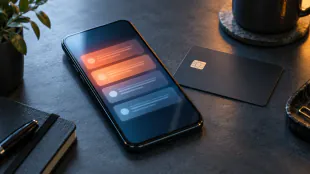 iPhone 18預購後出現可疑扣款 四間銀行調查未授權交易

 《浪花男女》辦特別謝票場 馮志強談票房與導演客串拍攝

 Former captain De Villiers hails 'fantastic' Springboks

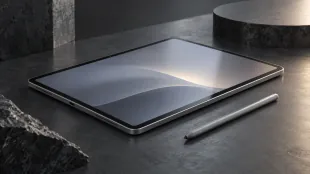 Galaxy Tab S12系列效果圖曝光 Ultra擬配雙鏡頭及瀏海螢幕
 اليورو يستقر في البنوك المصرية وأعلى سعر للبيع 59.85 جنيه
 حمزة قورقماز يناقش العلاقة بين وضوح المبادئ واحترام الاختلاف

 Altman tells Fortune OpenAI will not go public in 2026

 China, Russia, India seek economic cooperation at BRICS
 الأرصاد السعودية تتوقع سيولاً وأمطاراً رعدية في خمس مناطق

 دول عربية ومنظمات تدين استهداف خط أنابيب في السعودية

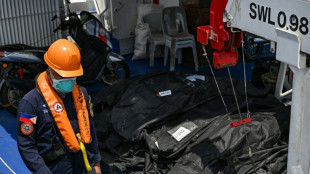
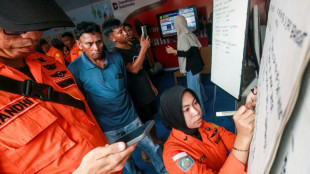 One dead, 102 rescued from stricken ferry off Indonesia's Java
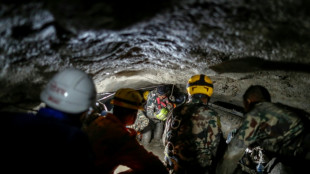
 Garcia keeps WBC welterweight title by stopping Benn

 Lights out in Laos as electricity exports surge

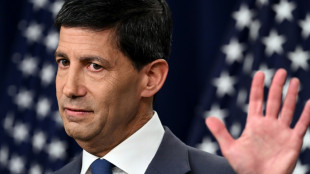 'This is the test': All eyes on US Fed to tackle high inflation

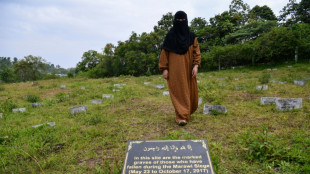 Scars of Marawi siege linger as Philippines poll nears

 Trump turns to golf, family business on Irish visit's second day

 Best Online Gold Dealers in USA 2026 Rankings Released By Experts

 South Africa defeat New Zealand 43-28 to complete 3-1 series victory

 Rybakina triumphs in US Open, denies Sabalenka three-peat

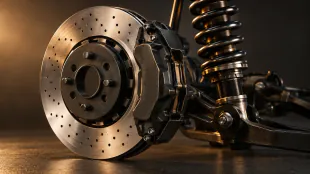 Mini 1998 GT pairs 161-hp engine with John Cooper Works chassis hardware

 Anthropic details Claude misuse as US targets major illicit online marketplace
 Fifth Circuit upholds dismissal of Jackson residents' constitutional water claims
 Winston County trash-debt prosecutions face challenge from civil-rights lawyers

 Akron fan's honorary play-calling stint ends with opening-drive fumble

A paralyzed Swiss man has become the first person to test a new technology that reads his thoughts using AI and then transmits signals through his own nervous system to his arms, hands and fingers in order to restore movement.
The treatment, a combination of a brain-computer interface and a spinal implant, had previously allow a paraplegic patient to walk again, a breakthrough that was published in the scientific journal Nature in May.
But this is the first time it's being used for "upper extremity function," Onward, the Dutch company behind it, said Wednesday.
"The mobility of the arm is more complex," surgeon Jocelyne Bloch, who carried out the implantation procedures, told AFP.
Though walking comes with its own challenges -- notably balance -- "the musculature of the hand is quite fine, with many different small muscles activated at the same time for certain movements," she said.
The patient, who wishes to remain anonymous, is a 46-year-old who lost the use of his arms after a fall. Two operations were carried out last month at the Lausanne University Hospital in Switzerland.
The first involved removing a small piece of cranial bone and inserting in its place the brain implant, which was developed by the French group CEA-Clinatec and measures a few centimeters in diameter.
In the second, surgeons placed a stimulator roughly the size of a credit card developed by Onward inside the patient's abdomen, and connected it through electrodes to the top of his spinal column.
The brain-computer interface (BCI) records brain signals and decodes them using artificial intelligence to make sense of the patient's intentions, acting as a "digital bridge" to send these instructions on to the spinal cord stimulator.
"It's going well so far," said Bloch, who co-founded Onward and is a consultant for the company. "We are able to record brain activity, and we know that the stimulation works," she said.
"But it is too early to talk about what progress he has made. "
- Still in training -
The patient is still in the training phase, teaching his brain implant to recognize the different desired movements.
The movements will then have to be practiced many times before they can become natural. The process will take a few months, according to Dr. Bloch.
Two more patients are scheduled to participate in this clinical trial, and the full results will be published later.
Spinal cord stimulation has already been used in the past to successfully move paralyzed patients' arms, but without reading their thoughts by pairing it with a brain implant.
And brain implants have already been used so that a patient can control an exoskeleton. The Battelle research organization used a brain implant to restore movement in a patient's arm -- through a sleeve of electrodes placed on the forearm, stimulating the muscles required from above.
"Onward is unique in our focus on restoring movement in people who have paralysis by stimulating the spinal cord," the company's CEO Dave Marver told AFP, adding the technology could be commercialized by the end of the decade.
Brain implants were long trapped in the realm of science fiction, but the field is now rapidly growing thanks to firms like Synchron and Elon Musk's Neuralink.
They are working on having paralyzed patients to control computers through thought, restoring for example the ability to write.
P.A.Mendoza--AT