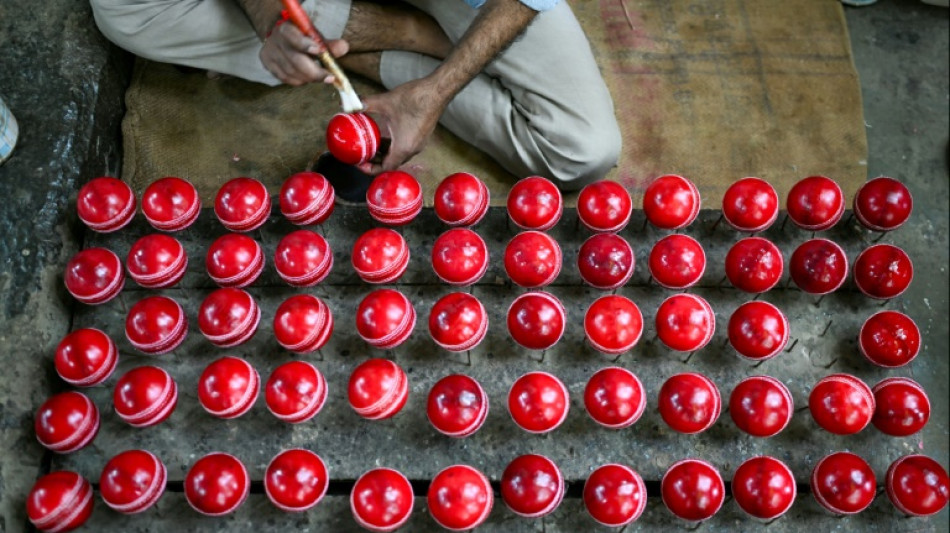
Sacred cow: Ball makers break taboos for India's favourite sport / Photo: Money SHARMA - AFP

 Vuelta finale neutralised after rider safety concerns
 鏈球選手周柏言身形被質疑 教練指出其香港青年紀錄成績
 NFL Week 1 Predictions: Dave Blezow’s Best Bets Against the Spread for Every Game

 Alabama Legislature Passes Weakened Utility Reform Bill Amid Allegations of Alabama Power Influence
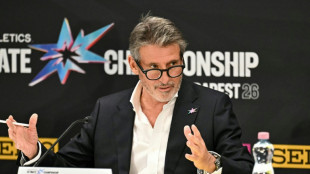 World Athletics stance on Russia unchanged, says Coe
 Can We Predict Volcanic Eruptions Like Weather? Scientists Seek Unified Physics

 Macron, Carney to visit French islands after Trump's map post

 بزشكيان يؤكد رفض الاستسلام وسلطات إيران تعلن مقتل شخص في استهداف سفينة
 فليك يضم حمزة عبد الكريم إلى قائمة برشلونة بعد أربعة أهداف في الإعداد

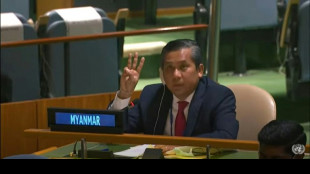 Myanmar says UN envoy illegitimate ahead of credentials decision
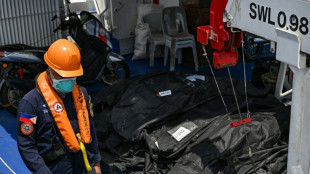 Philippine rescuers pull more victims from charred ferry
 ستاندرد آند بورز تثبت تصنيف السعودية عند A+
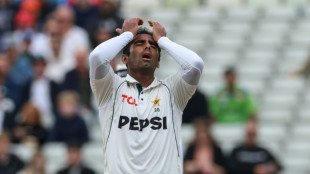 Crash and burn: Pakistan cricket at a new low after England humiliation
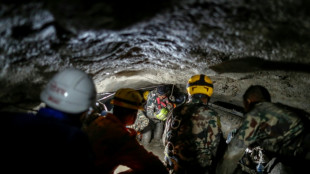 'Second life': Nepal tunnel survivor recalls ordeal
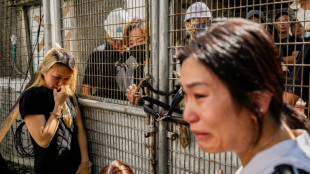 Hong Kong homes flattened for US$28 bn high-tech hub
 'Be careful what you wish for': 'Obsession' director and star reflect on success
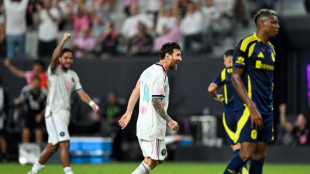 Messi scores but Miami held by Nashville
 US Open champ Rybakina on top of world after injury scare

 Rybakina reigns serene as new world number one

 Defiant Sabalenka motivated by US Open defeat
 Houthis say hit Saudi base after renewed fighting with Yemeni govt forces

 Roadless Rule repeal proposal raises concerns over Midwest forests and fire risk
 KFF journalists discuss opioid funds, suicide prevention and gaps in care

 GTA VI draws political criticism online as preorder estimates exceed five million
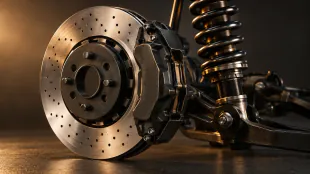
 Japanese floating parking platform is designed to lift cars above floodwater
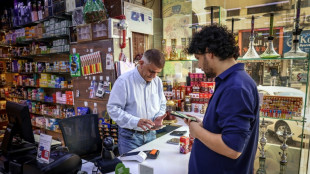
Stitching together cricket balls is a wearisome task for leatherworker Bunty Sagar, whose labours are frowned upon by many fellow Indians even if he makes their favourite pastime possible.
In a nation where the majority Hindu faith views cows as sacred, Sagar's trade lies in the hands of those willing to handle their hides for long hours and little pay.
The work is tedious and repetitive, and its profitability has been threatened by the cow protection campaigns of Hindu activists seeking to end cattle slaughter.
Sagar had hoped study would lead him along a path to a different career but is resigned to his work after the early death of his father -- also a lifelong leatherworker -- left him the sole breadwinner.
"I don't feel anything negative about the job I do," the 32-year-old Hindu told AFP, sweating in a small and stifling production room alongside half a dozen others, moulding leather to the ball's solid cork centre.
"If I were to feel bad about my job, what would we eat?"
Though counting himself among India's millions of cricket obsessives, his factory's colossal order book has left him unable to share their excitement for next month's World Cup on home soil.
"I like watching cricket, but I can't because we're so busy," he said.
"I'm working eight hours a day, seven days a week," he added. "My job is what keeps our household running."
Nearly all of India's cricket balls are painstakingly made by hand in Sagar's hometown of Meerut, a short drive from the capital New Delhi.
Sanspareils Greenlands, the top manufacturer, makes all the balls for India's home Tests, while others meet the bottomless demand from domestic cricket associations.
The industry is a bedrock of the city's economy, with nearly 350 separate businesses involved in production, according to government figures.
Its success rests on abundant and cheap labour that has reduced the incentive for more mechanised processes used in other countries.
"It is the workforce that brings the ball-making process to a beautiful conclusion," factory owner Bhupender Singh told AFP.
- 'Like a god' -
That labour has traditionally been the realm of those who belong to the Jatav community, which sits at the bottom of the millennia-old caste hierarchy that divides Hindus by function and social standing.
Jatavs are a sizeable number of India's 200-million-strong Dalit castes once subject to the discriminatory practice of "untouchability".
The custom was outlawed in 1950 by the author of India's constitution, B.R. Ambedkar, a lawyer who championed the rights of fellow Dalits.
Pictures of the bespectacled Ambedkar adorn the otherwise bare walls of Meerut's cricket factories, in reverence for a man Sagar says he treats "like a god".
Caste remains a crucial determinant of one's station in life at birth: less than six percent of Indians married outside their caste, according to the country's most recent census in 2011.
But policies to guarantee places for Dalits in government jobs and higher education have brought some social mobility.
With more opportunities, few cricket ball-makers want their children to follow them into the trade.
Meerut's high unemployment rate has meanwhile forced others from higher castes to stomach any objections to what they would have once considered "unclean" labour.
"People are in need of income and are willing to work, especially since job opportunities are limited in this area", Singh said.
- Red lines -
Meerut has been the principal hub for Indian sports goods since soon after independence from British colonial rule in 1947.
Back then, skilled leatherworkers fled the city of Sialkot in modern-day Pakistan during the deadly partition of the subcontinent along religious lines.
Singh's business was established by his grandfather and he had hoped to expand its operations, but India's political climate has made life tough for the industry.
Since the election of Prime Minister Narendra Modi's government in 2014, Hindu activists have sought to disrupt and outlaw cattle slaughter, a business dominated by India's Muslim minority.
Their campaigns have occasionally seen deadly consequences, with Muslims suspected of involvement in the trade lynched by frenzied mobs, including in Meerut.
It has also led to supply issues that saw Singh's costs for tanned leather jump 50 percent last year, and prompted others to seek a greater share of alternative sourcing from buffalo and bull hides.
Ashish Matta, the owner of a wholesaler of a sports goods materials business in Meerut, was at pains to insist to AFP that the leather he dealt in did not come from cows.
But he also said the widespread use of leather made a mockery of taboos around its production.
"Leather is used to make various products -- shoes, belts, bags, purses, and even cricket balls," he said. "So I don't think there is any issue."
E.Flores--AT